Tagged: impedance
14 articles we've published with this tag.
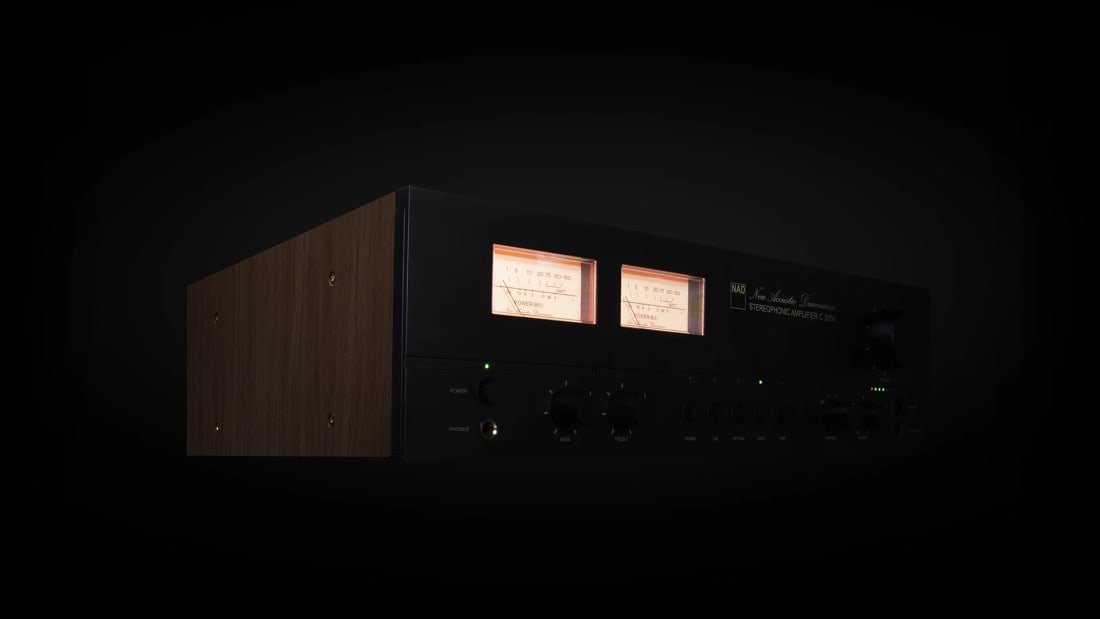 Bridging a Class D amp to mono: the giant-killer power trick nobody explains properlyBridging two channels of a cheap Class D amp into mono can double your power for not much cash — but it halves your load impedance too. Here's how to do it without cooking anything.By Dave Okafor
- Speaker matching to valve amps: sensitivity beats watts every timeWhy sensitivity, not power output, decides whether a valve amp and speaker pair actually works together — and how to read a spec sheet properly.By Priya Anand
- Valve, solid-state or Class D: matching amp topology to your speakers, not your egoForget the tribal warfare. Here's how to actually match valve, solid-state and Class D amps to your speakers, your room and your budget.By Dave Okafor
- Pairing statement amps and speakers: watts are the least of itAt the top end, matching an amplifier to a speaker is about current, impedance behaviour and damping, not the number on the spec sheet.By Sofia Laurent
- Speaker matching to valve amps: why sensitivity matters more than wattsPairing a valve amp with the wrong speaker kills more good systems than any cable or footer. Here's how to actually match them in an Australian lounge room.By Priya Anand
- Valve amp power ratings lie: why 15 watts can sound louder than 60A 15-watt valve amp and a 60-watt solid-state amp aren't playing the same game. Here's what actually happens at clipping, and why the number on the box misleads you.By Priya Anand
 Headphone amps and the "why bother" question: when your desktop actually needs oneNot every pair of headphones needs a dedicated amp. Here's how to tell whether you're actually current-starved or just chasing a placebo.By Jonno Fraser
- Amplifier topology and speaker impedance dips: why the spec sheet liesA speaker's nominal 8-ohm rating hides impedance dips that punish some amp topologies more than others. Here's what the graph actually shows.By Marcus Vale
- Headphone impedance and power: why your amp's output matters more than wattsWatts on a spec sheet don't predict how a headphone amp will actually drive your cans. Here's the impedance and output-impedance story that does.By Marcus Vale
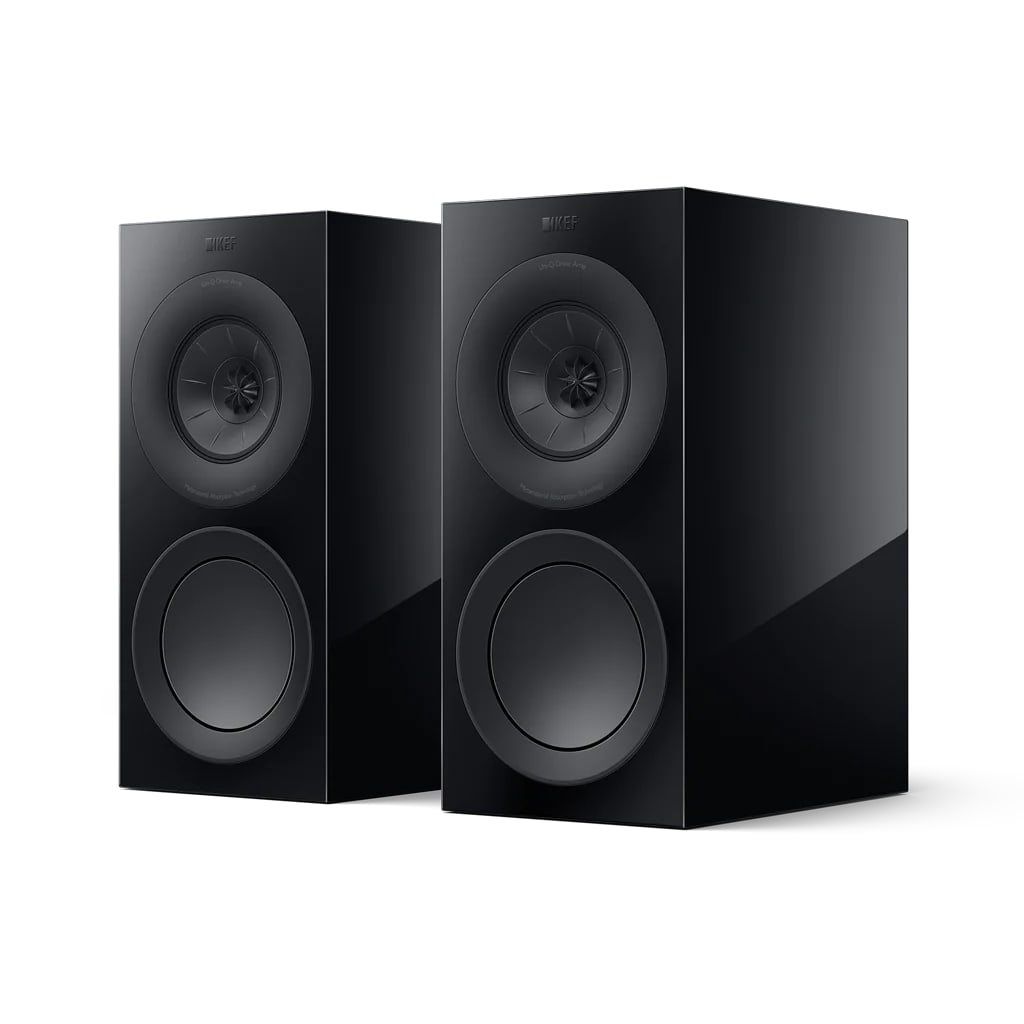 Loudspeaker sensitivity and amplifier matching: what the numbers actually predictSensitivity specs look simple until your new standmounts clip the amp at moderate volume. Marcus Vale explains what the numbers really mean and how to use them.By Marcus Vale
 DAC output stages: what voltage, impedance and topology actually do to your soundThe DAC chip is only half the story. What the output stage does to that signal — and how it interacts with your amp — matters just as much.By Jonno Fraser
- Valve amplifiers and loudspeakers: how to make them actually work togetherValve amps are unforgiving of a bad speaker match. Priya Anand explains the real rules — impedance, sensitivity, topology — for getting the pairing right.By Priya Anand
- Headphone sensitivity and impedance: what they mean for real-world listeningSensitivity and impedance numbers look simple until your expensive headphones sound terrible from a phone. Priya Anand explains what the specs actually mean.By Priya Anand
- Speaker amplifier matching: sensitivity, impedance, powerSpeaker amplifier matching comes down to sensitivity, impedance and power. Here's how to read the numbers on the spec sheet before you spend your money.By Marcus Vale