Articles
Reviews, news and explainers on hi-fi and home cinema from the Sound Technology team. Looking for “best of” roundups? See our buyer’s guides.
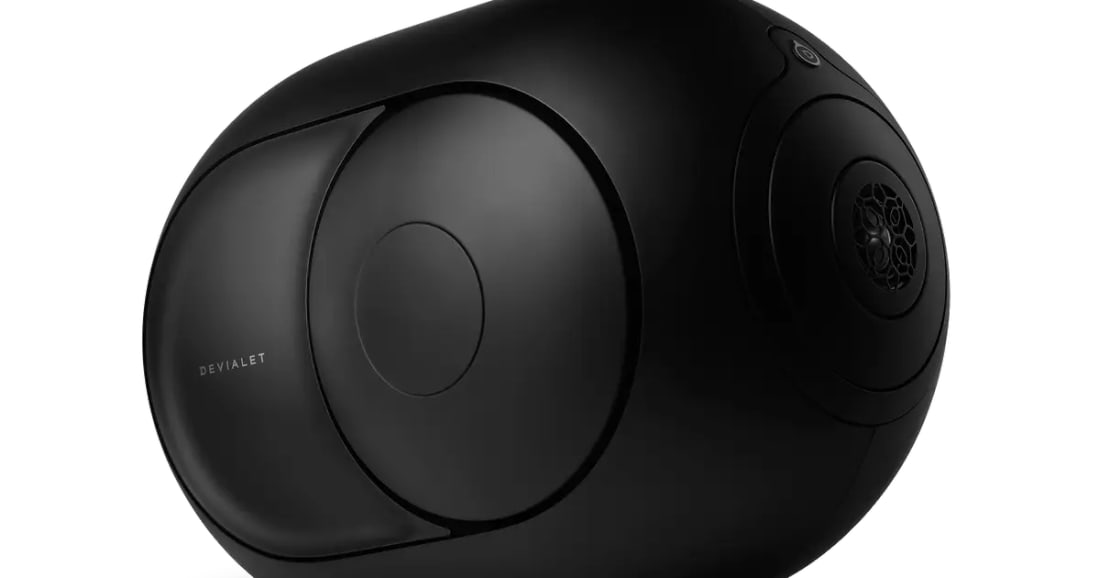 Matching speaker and amp cost: ignore the price-parity mythForget the old rule of matching speaker and amp cost dollar-for-dollar. Here's what actually decides a good pairing, and why it isn't price.
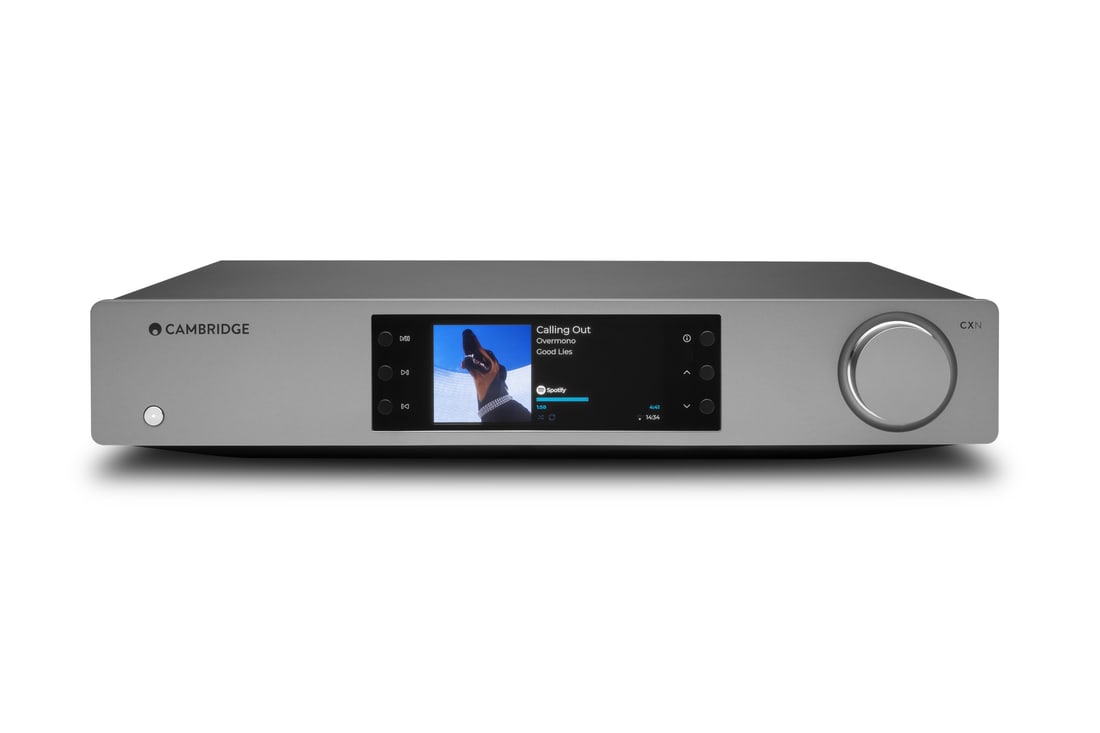 Why your turntable's earth wire isn't optionalTurntable earthing fixes most phono hum problems. Here's how grounding actually works, why it fails, and how to track down a noisy connection.
- Guest Wi-Fi and audio: why visitor networks break multiroomGuest Wi-Fi networks isolate devices by design, which quietly breaks multiroom audio. Here's why it happens and how to fix it properly.
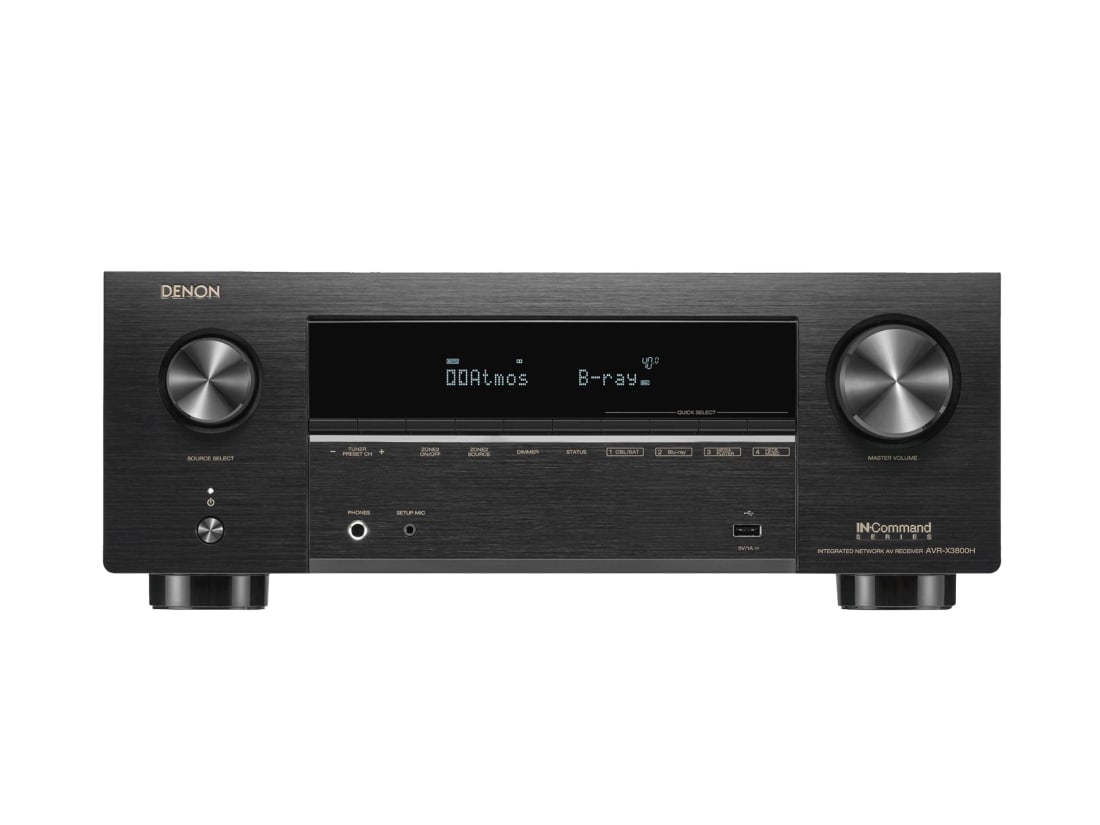 Why your AVR runs cool on music but throttles on AtmosAVR thermal throttling explained: why nine-channel Atmos mixes push receivers into protection mode that two-channel music never triggers.
- The synergy tax: why mismatched gear costs more than cheap gearThe synergy tax explained: why pairing mismatched hi-fi components quietly costs more than buying modest, well-matched gear.
- Turntable mats and platters: what actually changes the soundFelt, rubber, cork or acrylic — turntable mats and platter materials change the sound more than most upgrades. Here's what actually works.
- USB vs S/PDIF for DACs: does the digital input matter?USB, coaxial and optical into a DAC: which digital input actually changes the sound, and when the difference is real versus imagined.
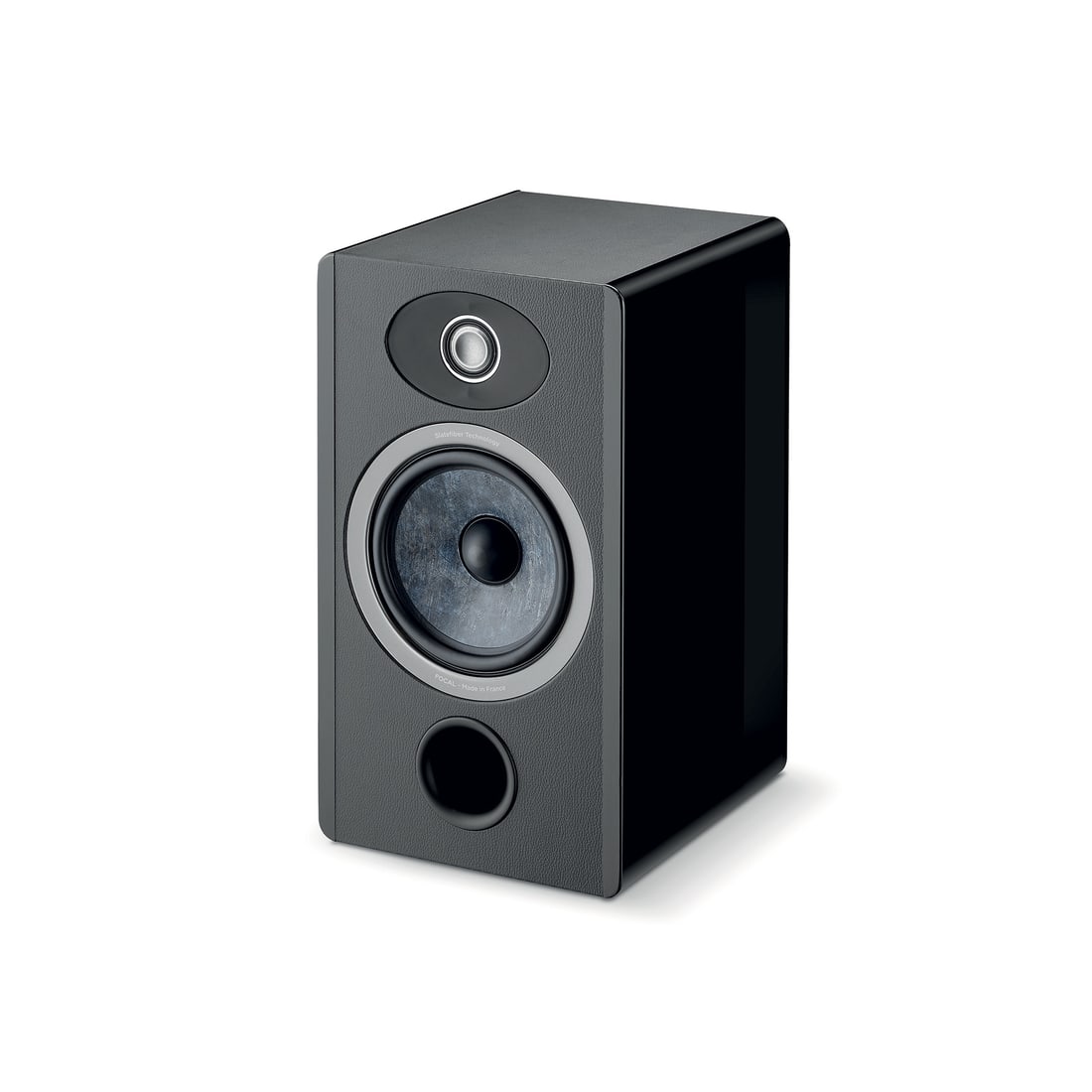 Rear-port floorstanders near a glass wall: a risky pairingRear-ported floorstanders against glass walls cause boundary reinforcement and reflections. Here's how to place, measure and tune them properly.
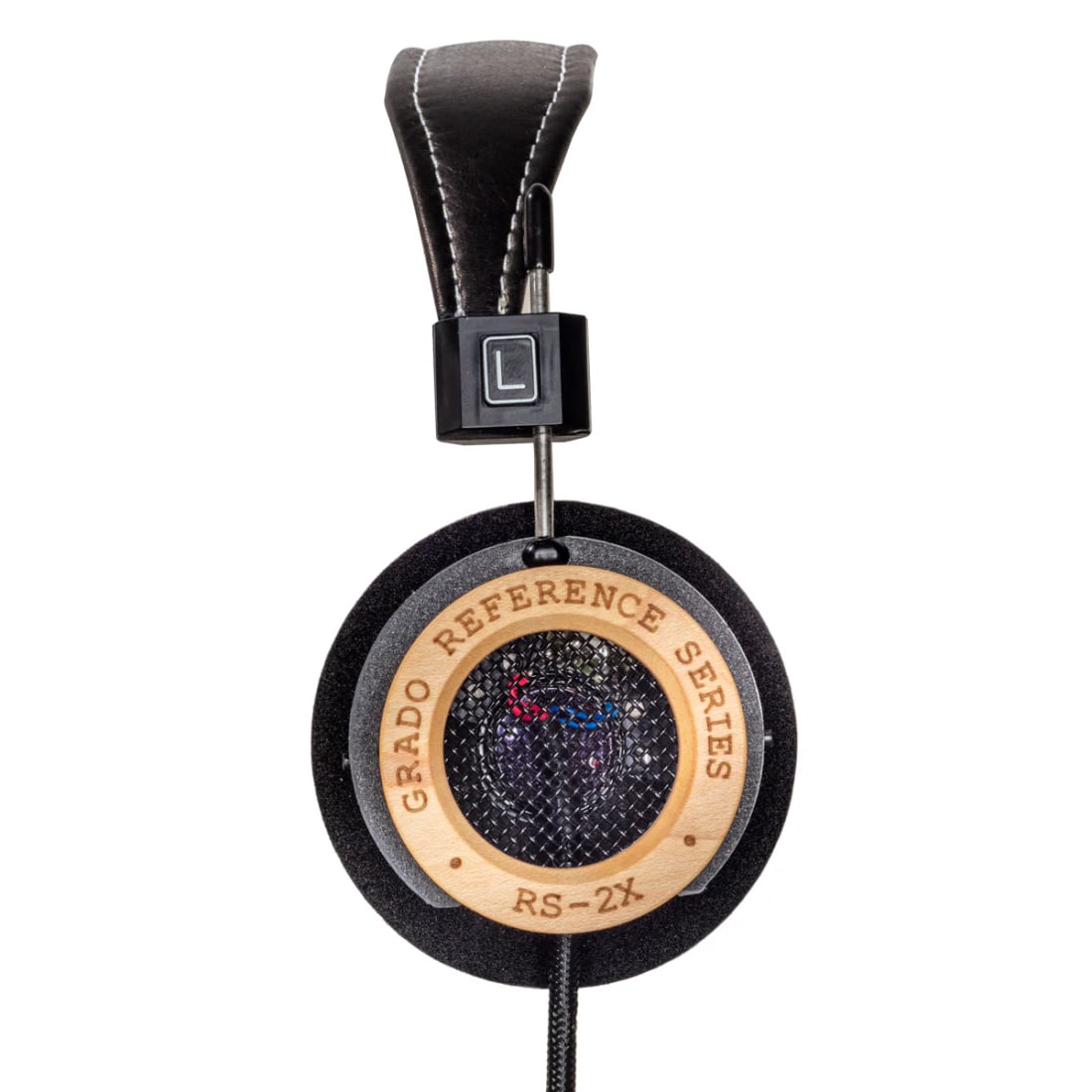 Dongle DAC power limits: when a phone can't drive headphonesDongle DACs are brilliant until they aren't. Here's how to work out whether your phone-and-dongle rig actually has the current to drive your headphones.
- Infrasonic bass below 20Hz: chasing the octave you feel, not hearBelow 20Hz is infrasonic bass: felt more than heard. Here's what it takes to reproduce it properly, and whether a statement system should bother.
- Qobuz vs Tidal for your record collection's digital halfQobuz vs Tidal compared for vinyl collectors who want a digital half that matches their records, not just a bigger catalogue.
- Why a subwoofer makes a valve system sound more honestAdding a subwoofer to a valve amp system can tighten bass, cut distortion and let low-power tubes sing. Here's how to do it properly.
- Ceiling speakers vs upfiring Atmos modules: what actually worksCeiling speakers vs upfiring Atmos modules compared for real rooms: when in-ceiling wins, when upfiring is the better call, and why.
- Buying a demo unit: the giant-killer move retailers hateEx-demo hi-fi gear can save 20-40% with near-zero risk. Here's how to actually negotiate it, what to check, and when to walk away.
- DNS and multiroom: why your streamer drops out at the worst timeMultiroom dropouts are rarely your Wi-Fi. Here's why DNS resolution quietly breaks streaming apps, and how to fix it for good.
- Flutter echo: the room fault that sounds like nothing's wrongFlutter echo blurs detail in parallel-wall rooms without obvious boom. Here's how to find it cheaply and kill it without over-treating.
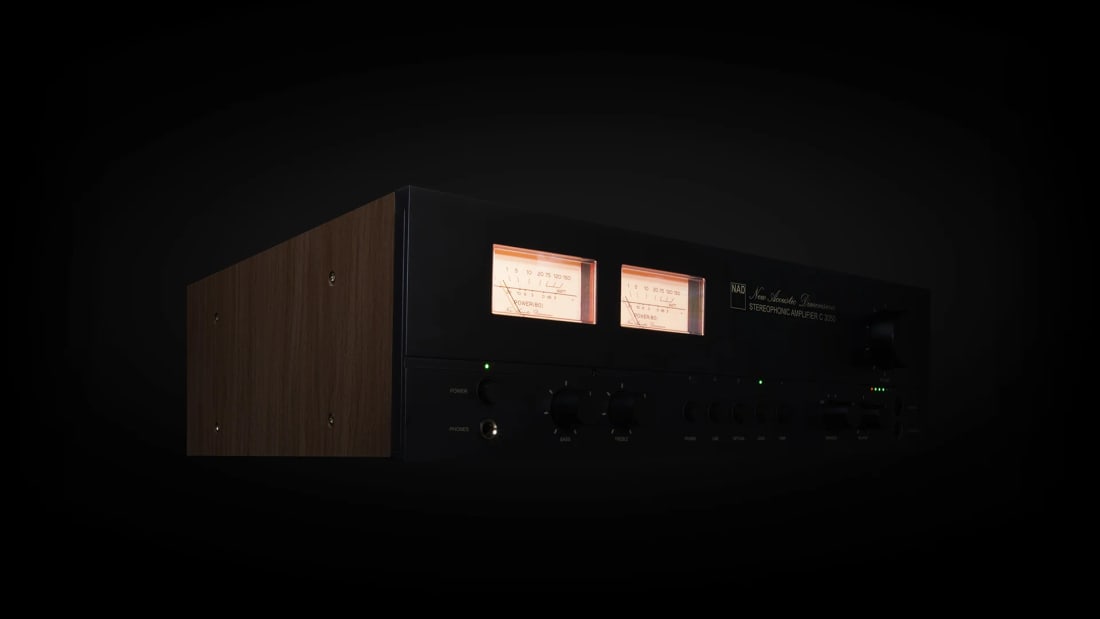 Amp power ratings into 8 vs 4 ohms: the spec sheet trapWhy an amp's 4-ohm wattage figure can mislead buyers, and how to actually match power output to real speaker loads on a budget.
- 5.1.2 vs 7.1.4: the Atmos layout decision for real roomsChoosing between 5.1.2 and 7.1.4 Atmos layouts comes down to room shape and seating, not speaker count. Here's the giant-killer logic.
- Subwoofer delay settings: why your AVR's number is a guessAVR auto-calibration estimates subwoofer delay from distance, not timing. Here's how to measure and correct it properly for tighter bass.
- Streamer apps ranked by what they actually do to your fileRoon, the WiiM app, Lumin, Chromecast built-in — they all claim bit-perfect. I pulled them apart to see which ones actually leave your file alone.
- Why statement systems still get beaten by the zone two speakerA $150,000 reference system is only as good as the worst-sounding zone it's networked to. Here's why multiroom integration is the statement system's real weak point.
- Network storage vs streaming services: do local files still earn their keep?Qobuz or Tidal already stream hi-res. So why keep a NAS full of FLACs? I ran both side by side for a year and the answer isn't what I expected.
- Why your home cinema amp runs hotter on movies than musicFilm soundtracks push amplifier channels harder and longer than stereo music ever does. Here's why that matters for topology, power supplies and what actually fails.
- Parallel vs series IEM crossovers: why multi-driver in-ears sound so differentWhy do two IEMs with the same driver count sound nothing alike? The crossover topology is doing more work than the drivers themselves.
- Tidal vs Qobuz vs Apple Music: which one actually suits a valve systemStreaming services aren't interchangeable once you're running valves. Here's how Tidal, Qobuz and Apple Music actually behave through a warm front end.
- Why a cheap sub in the right spot beats a good one in the wrong spotA $400 subwoofer in the right corner will beat a $1500 box dumped beside the TV. Here's the cheap, unglamorous process that actually fixes bass.
- Bridging a Class D amp to mono: the giant-killer power trick nobody explains properlyBridging two channels of a cheap Class D amp into mono can double your power for not much cash — but it halves your load impedance too. Here's how to do it without cooking anything.
- AVR auto-calibration: what Audyssey, YPAO and Dirac actually measureAudyssey, YPAO and Dirac Live all run a mic sweep and spit out numbers, but they're not measuring the same things or fixing the same problems. Here's what's actually happening.
- Cartridge break-in: what actually changes in the first 40 hoursDoes a new cartridge really need 40 hours to "open up"? I measured one to find out what's mechanical fact and what's audiophile folklore.
- Streaming a subwoofer's EQ filters: why your network player might be the bottleneckYour sub's miniDSP or app-based EQ can only act on a signal your streamer hasn't already mangled. Here's where network audio and bass management actually interact.
- Power and impedance matching: the real giant-killer amp questionForget topology wars. The cheapest way to get real performance from an amp is matching its power and impedance tolerance to your actual speakers.
- The WiiM playbook: how I built a four-zone multiroom system for under $900A full four-room multiroom build around WiiM streamers, done properly, for less than the cost of one premium ecosystem speaker.
- DAC output stages: what the chip doesn't tell youThe DAC chip gets all the marketing attention, but the analogue output stage after it does most of the work shaping what you actually hear.
- Why your headphone desk needs a sub (and how to set it up)A subwoofer under the desk can fix what headphones can't do: chest-felt bass. Here's how to add one without wrecking your headphone sound.
- HDMI handshakes explained: why your AVR drops signal at the worst momentHDCP handshakes, not cables, cause most AVR dropouts. Here's how the handshake actually works and the wiring order that stops it failing.
- The upgrade trap: why your third purchase should fix your firstMost system builds go sideways on purchase three, when excitement overtakes diagnosis. Here's how to work out what's actually wrong before you spend again.
- Why a statement floorstander can be the wrong speaker in the roomSix-figure floorstanders fail in rooms that were never built for them. Here's how to tell if your space can actually support one before you buy.
- Screen-wall speaker placement: building around a UST projector properlyUltra short throw projectors sit right where your centre channel wants to be. Here's how I actually solve that in real theatre builds, not in theory.
- Buying secondhand first: the giant-killer order of operationsWhich part of a hi-fi system to buy used first for the biggest value jump, and which parts are safer bought new. A practical spending order for giant-killers.
- Diffusion in statement rooms: when scattering sound beats absorbing itIn a statement room, piling on absorption kills the air around the music. Here's when diffusion is the better tool, and where I've seen it misused.
- Statement standmounts: when the small box is the right flexAt the top of the market, bigger isn't the default. Here's when a reference standmount genuinely beats a floorstander, and when it's just a smaller cheque.
- Why your flagship headphones might need a mains upgrade before an ampBefore you spend on another headphone amp, check what's feeding it. At the statement end, mains quality and earthing can matter more than the next box.
- Dongle DACs vs desktop DACs: when the small one is actually enoughDongle DACs have closed the gap on desktop units for most headphones. Here's where the small ones genuinely hold up, and where they don't.
- The giant-killer bass trick: buy two cheap subs, not one good oneA pair of budget subwoofers almost always beats one expensive one for smoother bass across your room. Here's the maths and the real-world setup.
- Speaker matching to valve amps: sensitivity beats watts every timeWhy sensitivity, not power output, decides whether a valve amp and speaker pair actually works together — and how to read a spec sheet properly.
- Gapless playback and crossfade: what your streaming app is doing to the fileGapless playback and crossfade settings quietly change your audio signal. Here's what's actually happening to the bits, and which setting to use.
- Your phone's volume slider is quietly re-encoding your musicTurning your phone down before a Bluetooth speaker or DAC often re-processes the digital signal. Here's what's actually happening, and when it matters.
- Why a $400 subwoofer with a mic beats a $1200 one withoutA cheap subwoofer with built-in room correction can outperform a pricier unit with no DSP at all. Here's the giant-killer maths on why.
- MQA is dead. Here's what that actually tells us about hi-res audioMQA's unwinding wasn't a fluke. It's a lesson in what hi-res audio actually needs from a format, and what was always marketing.
- Amplifier gain structure: the setting that decides your noise floorGain mismatches between DAC, preamp and power stage quietly wreck dynamic range. Here's how to actually set gain structure instead of guessing at the volume knob.
- IEMs through a valve amp: the pairing question nobody asks properlyIn-ear monitors and valve amplification seem like an odd match, but output impedance decides whether it works. Here's how to actually get it right.
- The turntable-first system: why the front end should eat your budgetPriya Anand on why vinyl systems reward front-end spending over amp wattage, and how to split a hi-fi budget so the stylus does the heavy lifting.
- Subwoofer group delay: the spec that explains "boomy but late" bassGroup delay is why some subs sound thick and slow at the crossover point even when the frequency response measures flat. Here's what it actually is.
- Damping factor: the amplifier spec everyone misreadsDamping factor sounds like a real engineering number, and it is, but past a certain point it stops telling you anything useful about how an amp will sound.
- Headphone isolation vs room noise: why your desk setup fights youOpen-back headphones and a noisy home office don't mix. Here's how to actually diagnose room noise before you blame the gear.
- DAC chips versus DAC engineering: what you're really paying forThe chip inside a DAC costs a few dollars either way. Here's what actually separates a $500 converter from a $30,000 one — and where the money genuinely goes.
- Bass management by the numbers: what your AVR's crossover and slope actually doCrossover frequency gets all the attention, but slope, distance settings and speaker size flags quietly decide whether your bass management works or fights itself.
- Toe-in and rake: the free speaker tuning most owners never touchToe-in angle and cabinet rake cost nothing but change tonal balance and imaging more than most upgrades. Here's how I set both on site.
- Bluetooth codecs and multiroom: why your headphones sound different on Wi-FiWhy the same headphones sound different depending on whether they're fed over Bluetooth, AirPlay or a multiroom app — and how to get the best signal path at your desk.
- Azimuth and VTA: the alignment steps most setup guides skipOverhang and tracking force get all the attention, but azimuth and VTA are where a properly set-up turntable actually separates itself from a mediocre one.