Tagged: Class D amplifiers
8 articles we've published with this tag.
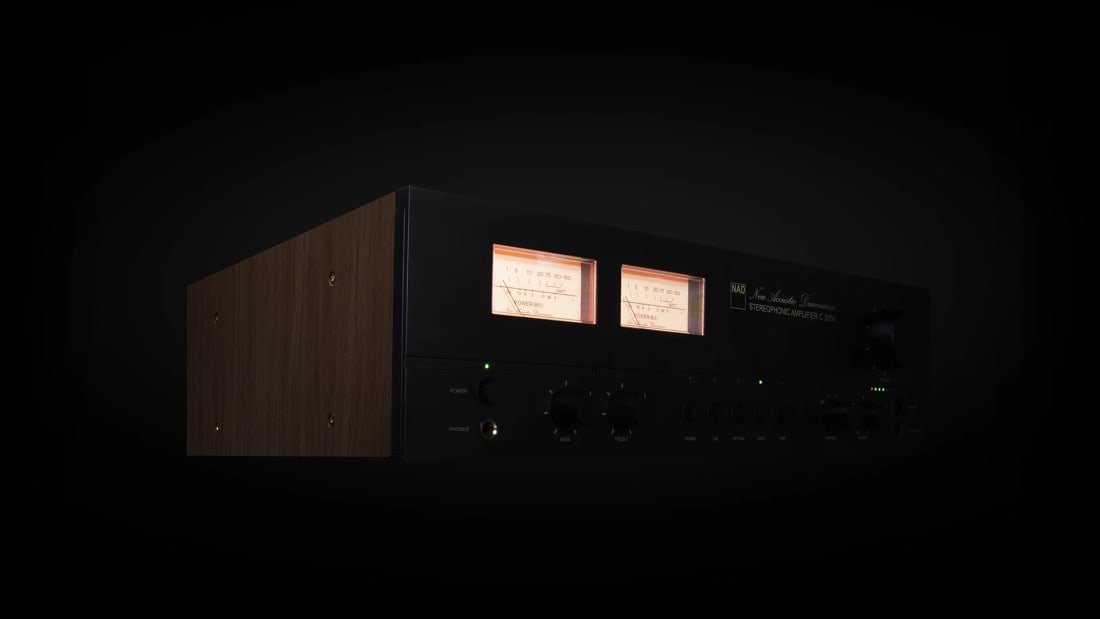 Bridging a Class D amp to mono: the giant-killer power trick nobody explains properlyBridging two channels of a cheap Class D amp into mono can double your power for not much cash — but it halves your load impedance too. Here's how to do it without cooking anything.By Dave Okafor
- Class D amps have won on paper. Here's why some still sound like a spreadsheetClass D amps now beat valve and solid-state on power, size and price. So why do some still sound flat? Dave Okafor explains what the spec sheet doesn't show.By Dave Okafor
- Why your amplifier struggles below 4 ohms (and when to actually worry)Impedance dips scare buyers more than they should. Here's how to read a speaker's impedance curve and match it to an amp that won't run out of puff.By Hannah Reid
- Damping factor and low-impedance speakers: when your amp actually strugglesDamping factor gets thrown around a lot, but it only matters in specific, measurable situations. Here's when it actually changes what you hear.By Jonno Fraser
- Valve amp power ratings lie: why 15 watts can sound louder than 60A 15-watt valve amp and a 60-watt solid-state amp aren't playing the same game. Here's what actually happens at clipping, and why the number on the box misleads you.By Priya Anand
- Class D amps have won the value war. Here's why I'm still not 100% soldClass D amps now deliver serious power for giant-killer money. Dave Okafor breaks down what you actually gain, and give up, versus solid-state and valve gear.By Dave Okafor
- Watts on paper vs watts that matter: matching amp power to real speakersWhy the watts-per-channel number on the box tells you almost nothing useful, and how to actually match an amplifier to a speaker without overspending.By Dave Okafor
- Damping factor and output impedance: what actually happens at the speaker terminalDamping factor gets thrown around like a quality score. It isn't. Here's what the number actually measures and when it matters.By Marcus Vale