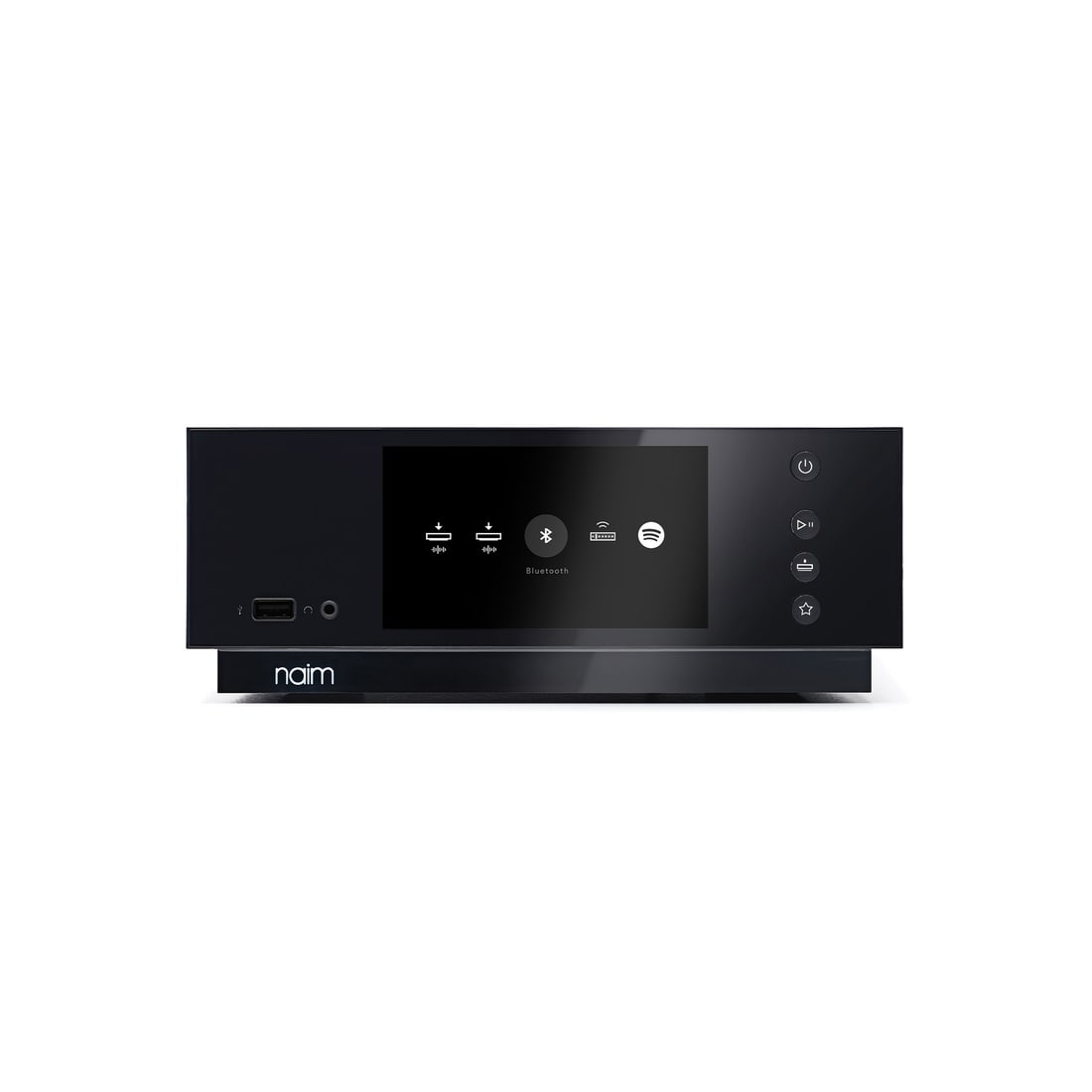
The best streaming amplifiers and all-in-one systems
By Theo Mensah · Updated 19 June 2026
One elegant box, your speakers, done. From the do-everything Naim Uniti Atom to the vinyl-friendly Marantz Model 40n and the statement McIntosh MA352.
The all-in-one has quietly become the smartest way to build a high-end system. Put amplifier, DAC and network streamer in one well-engineered box and you remove a rack of components, a tangle of cables and a lot of expense — with surprisingly little sonic compromise. Add a pair of speakers and you have a complete, genuinely high-fidelity system controlled from your phone.
These three take different routes to that goal, from compact streaming convenience to a full-size statement integrated. All you add is loudspeakers.
At a glance
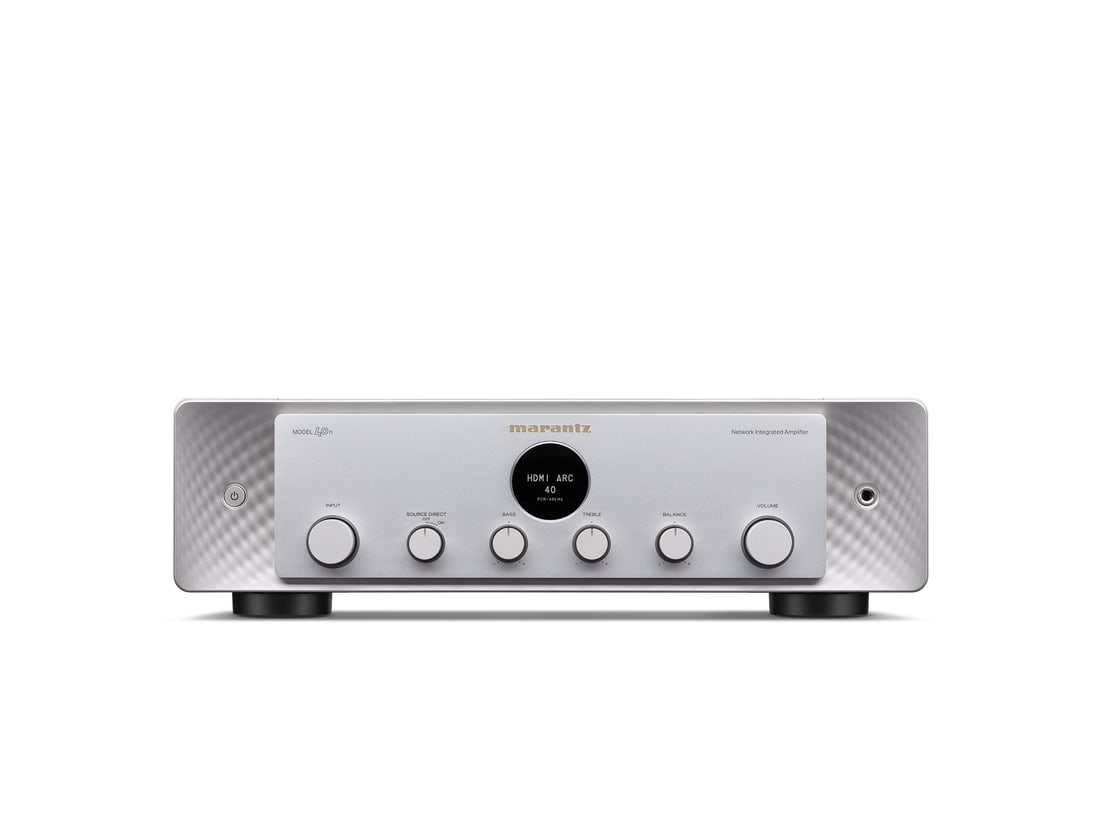
#2 · Amplifiers
Marantz Model 40n4.5/5$4490
True all-in-one: amp, network streamer, DAC, phono and HDMI ARC
| # | Product | Price | Rating | Best for | Buy |
|---|---|---|---|---|---|
| #1 | Naim Uniti Atom Amplifiers | $5750 | 4.7/5 | True all-in-one: amp, streamer and DAC in one premium box | Amazon |
| #2 | Marantz Model 40n Amplifiers | $4490 | 4.5/5 | True all-in-one: amp, network streamer, DAC, phono and HDMI ARC | Amazon |
| #3 | McIntosh MA352 Amplifiers | $11995 | 4.7/5 | Effortless power: 200W/8Ω and 320W/4Ω drives most speakers | Amazon |
Affiliate links — as an Amazon Associate and partner of Sweetwater / Thomann / Reverb / others, we may earn a commission at no extra cost to you.
#1 · Best all-in-one
Naim Uniti Atom
Rating: 4.7 / 5
Amp, streamer and DAC in one beautifully-made box, with the best app in the business. The default recommendation.
#2 · Best with vinyl & TV
Marantz Model 40n
Rating: 4.5 / 5
Warm, refined Marantz sound with a phono stage and HDMI ARC, so it handles records and your television as happily as streaming.
#3 · Best statement piece
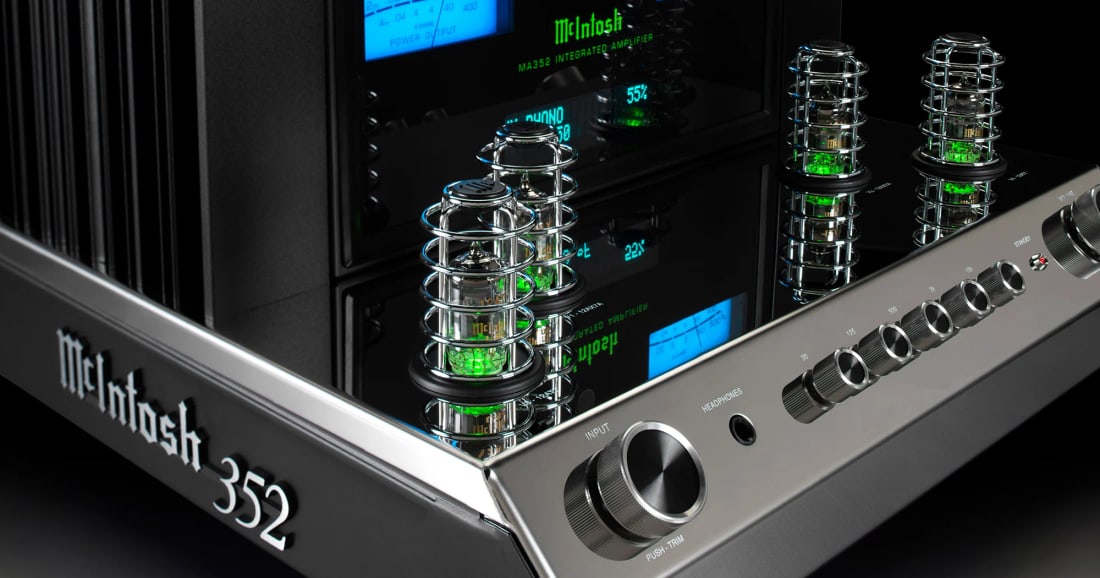
McIntosh MA352
Rating: 4.7 / 5
A hybrid tube/solid-state integrated with the iconic looks and the muscle (200W/8Ω) to drive demanding speakers in a big room.
Match the amplifier to your speakers and room: the Naim and Marantz are ideal for efficient standmounts and most floorstanders in normal rooms, while the McIntosh has the power to drive almost anything in a large space. If vinyl matters, the Marantz and McIntosh include phono stages; the Naim does not.
Common questions
- What's the difference between these and separates?
- All-in-ones combine the preamp, power amp, DAC and (often) streamer in one chassis. You lose some upgrade flexibility but gain simplicity, fewer cables and usually better value.
- Do any include a phono stage for a turntable?
- The Marantz Model 40n and McIntosh MA352 include moving-magnet phono inputs. The Naim Uniti Atom does not, so you'd add an external phono stage.
- Will 40W be enough?
- For efficient speakers in a normal room, yes — watts aren't everything. For large rooms or demanding speakers, the McIntosh's 200W gives far more headroom.
About the author

Theo Mensah
Digital, DACs & Streaming Editor · Perth, WA
Theo here. By day I write software, by night I argue with people on forums about whether bit-perfect playback is "solved" (it mostly is, and then it isn't). I cover the digital end — DACs, streamers, servers, the whole messy ecosystem of getting a file to sound its best. My promise to you: I'll separate the genuine engineering from the audiophile folklore, and I'll never tell you a $500 streaming bridge sounds "blacker" unless I can explain why.
Software engineer; network-audio and DAC specialist