
Theo Mensah
Theo here. By day I write software, by night I argue with people on forums about whether bit-perfect playback is "solved" (it mostly is, and then it isn't). I cover the digital end — DACs, streamers, servers, the whole messy ecosystem of getting a file to sound its best. My promise to you: I'll separate the genuine engineering from the audiophile folklore, and I'll never tell you a $500 streaming bridge sounds "blacker" unless I can explain why.
40 published articles · most recent October 17, 2026
Theo here. By day I write software, by night I argue with people on forums about whether bit-perfect playback is "solved" — it mostly is, and then it isn't.
I cover the digital end: DACs, streamers, servers, the whole messy ecosystem of getting a file to sound its best.
My promise: I'll separate the genuine engineering from the audiophile folklore, and I'll never tell you a $500 streaming bridge sounds "blacker" unless I can explain why.
Articles by Theo Mensah
 Dongle DAC power limits: when a phone can't drive headphonesDongle DACs are brilliant until they aren't. Here's how to work out whether your phone-and-dongle rig actually has the current to drive your headphones.
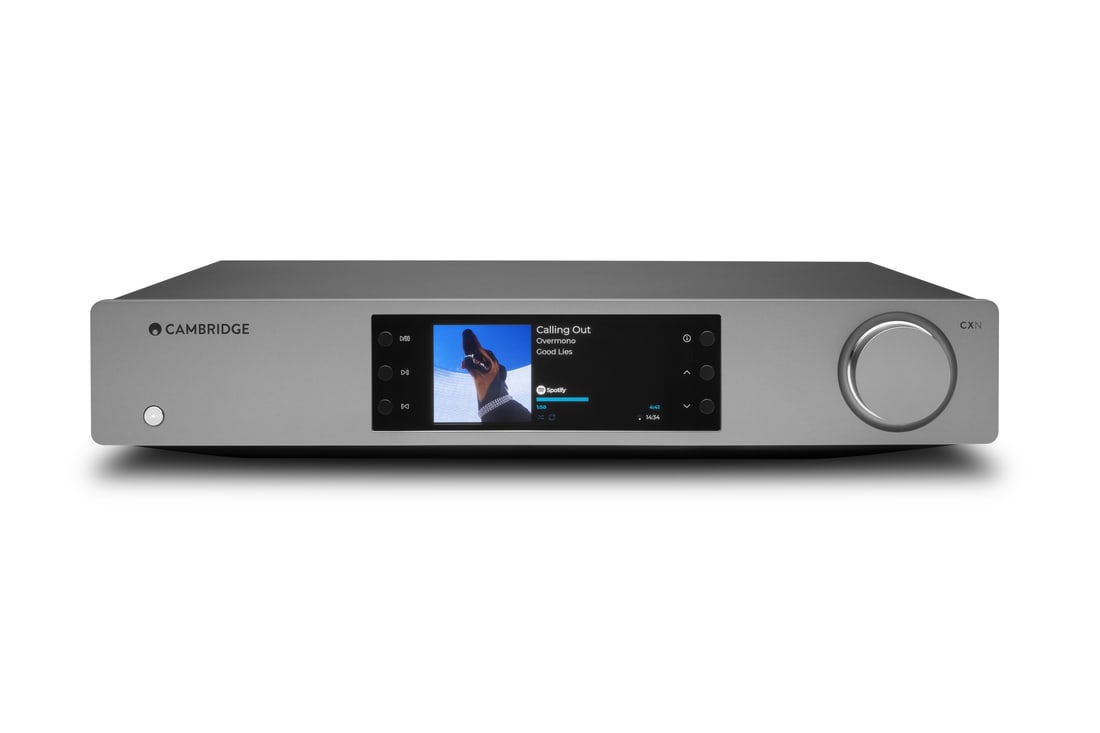 DNS and multiroom: why your streamer drops out at the worst timeMultiroom dropouts are rarely your Wi-Fi. Here's why DNS resolution quietly breaks streaming apps, and how to fix it for good.
- Parallel vs series IEM crossovers: why multi-driver in-ears sound so differentWhy do two IEMs with the same driver count sound nothing alike? The crossover topology is doing more work than the drivers themselves.
- Streaming a subwoofer's EQ filters: why your network player might be the bottleneckYour sub's miniDSP or app-based EQ can only act on a signal your streamer hasn't already mangled. Here's where network audio and bass management actually interact.
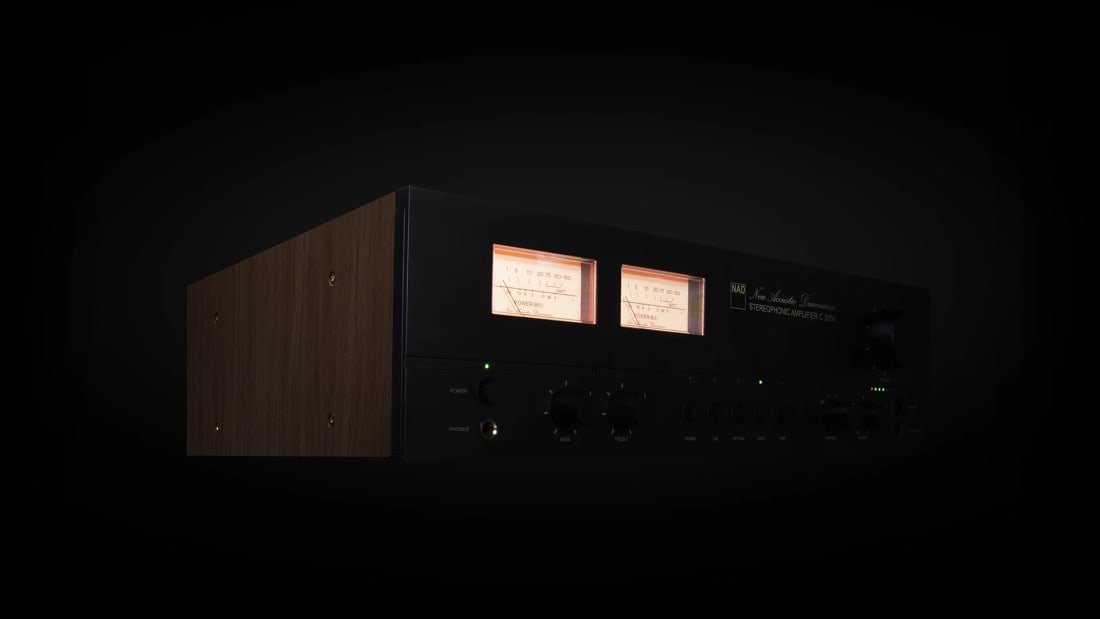 Amplifier gain structure: the setting that decides your noise floorGain mismatches between DAC, preamp and power stage quietly wreck dynamic range. Here's how to actually set gain structure instead of guessing at the volume knob.
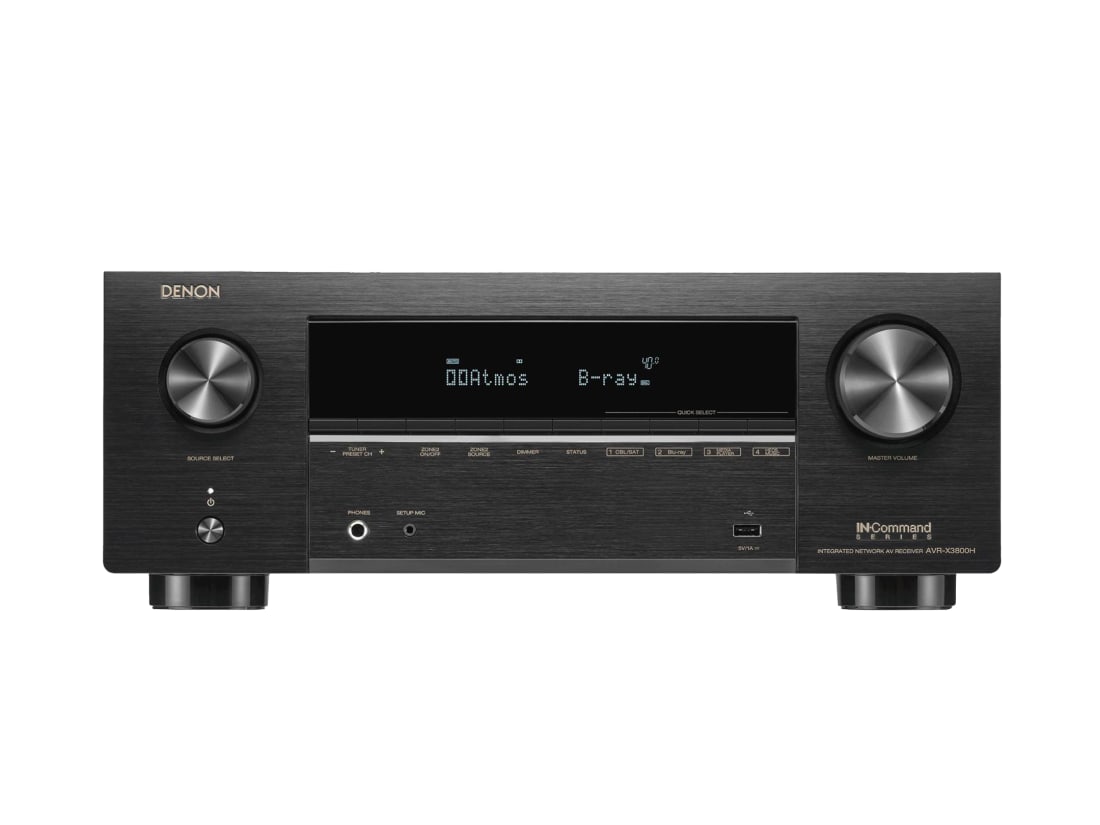 Bass management by the numbers: what your AVR's crossover and slope actually doCrossover frequency gets all the attention, but slope, distance settings and speaker size flags quietly decide whether your bass management works or fights itself.
- Impedance and EQ curves: why your streamer's DSP can't fix a bad matchDSP room correction and app-based EQ can't undo an amp-speaker impedance mismatch. Here's the actual engineering, and where correction genuinely helps.
- Bass management crossover settings: the number your AVR gets wrongYour AVR's auto-calibration picked a crossover frequency for your speakers. Here's why that number is often wrong, and how to fix it properly.
- HDMI eARC and a separate DAC: your home cinema's digital compromiseRunning a separate DAC off HDMI eARC in a home theatre involves compromises most installers won't mention. Here's what actually happens to the signal.
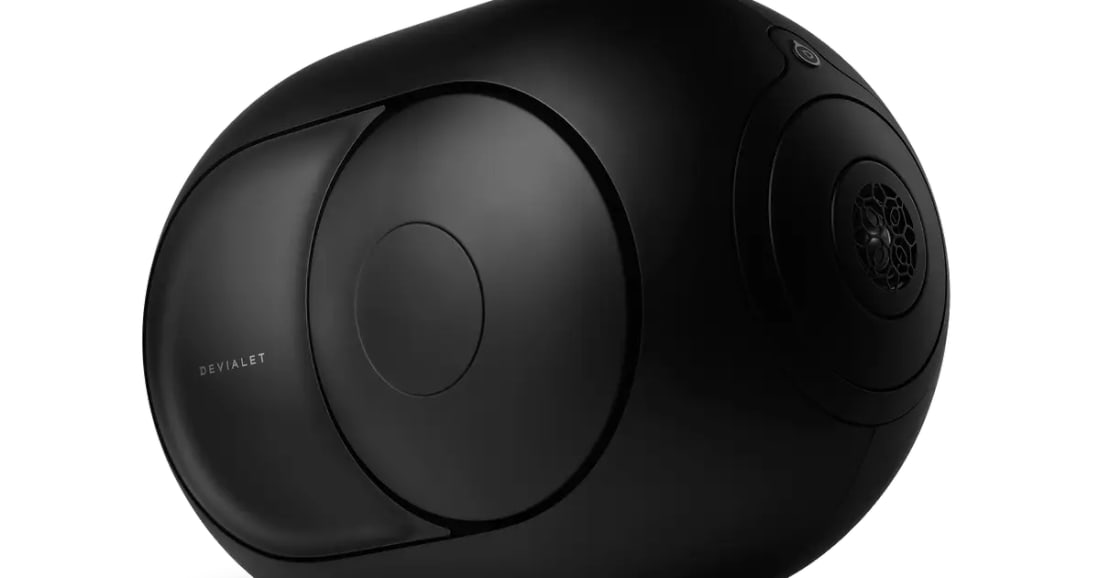 Convolution-based room correction: what it actually measures and fixesDirac, Roon's convolution engine, Audiolense — they all promise a corrected room. Here's what the maths actually does, and what it can't touch.
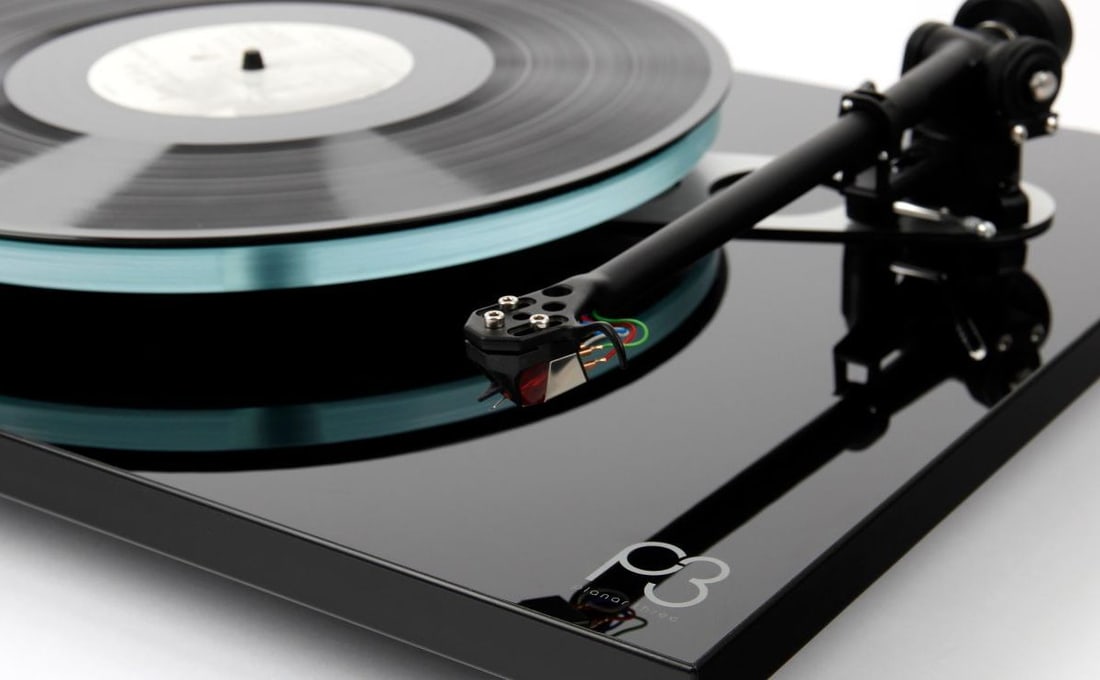
- Phono stage loading: why 47k ohms isn't always the right answerMost phono stages ship set to 47k ohms and most cartridges never get properly matched. Here's what loading actually does and how to hear it.
- Bass management over HDMI: why your AVR's sub output isn't "just a wire"Your AVR reroutes, filters and sums bass before it ever reaches the sub. Here's what's actually happening in that box, and where it quietly goes wrong.
- Lip sync and audio delay in home cinema: fixing the setting nobody labels properlyAudio drifting out of sync with picture isn't a mystery fault — it's a measurable, fixable delay chain. Here's how to actually diagnose and correct it.
- USB versus coaxial versus optical: does the DAC input actually matter?USB, coax and optical into the same DAC can measure and sound different, but not for the reasons forum folklore usually gives. Here's what actually changes.
- Local network storage vs cloud streaming: what actually changes the soundNAS, local rip or a streaming service subscription — does storage location change what hits your DAC? I pulled the signal path apart to find out.
- Where to spend on a digital front end: the diminishing-returns curve, mappedA software engineer's take on where DAC and streamer money actually buys sound quality, and where the curve goes flat.
- Cartridge alignment: why the last half-millimetre matters more than the cartridgeOverhang, zenith angle and azimuth decide more about vinyl sound quality than the cartridge you buy. Here's the engineering, explained by a digital guy.
- Streamer output stage vs speaker sensitivity: matching the digital front end to your pairYour streamer's output impedance and gain structure interact with speaker sensitivity more than most buying guides admit. Here's how to actually match them.
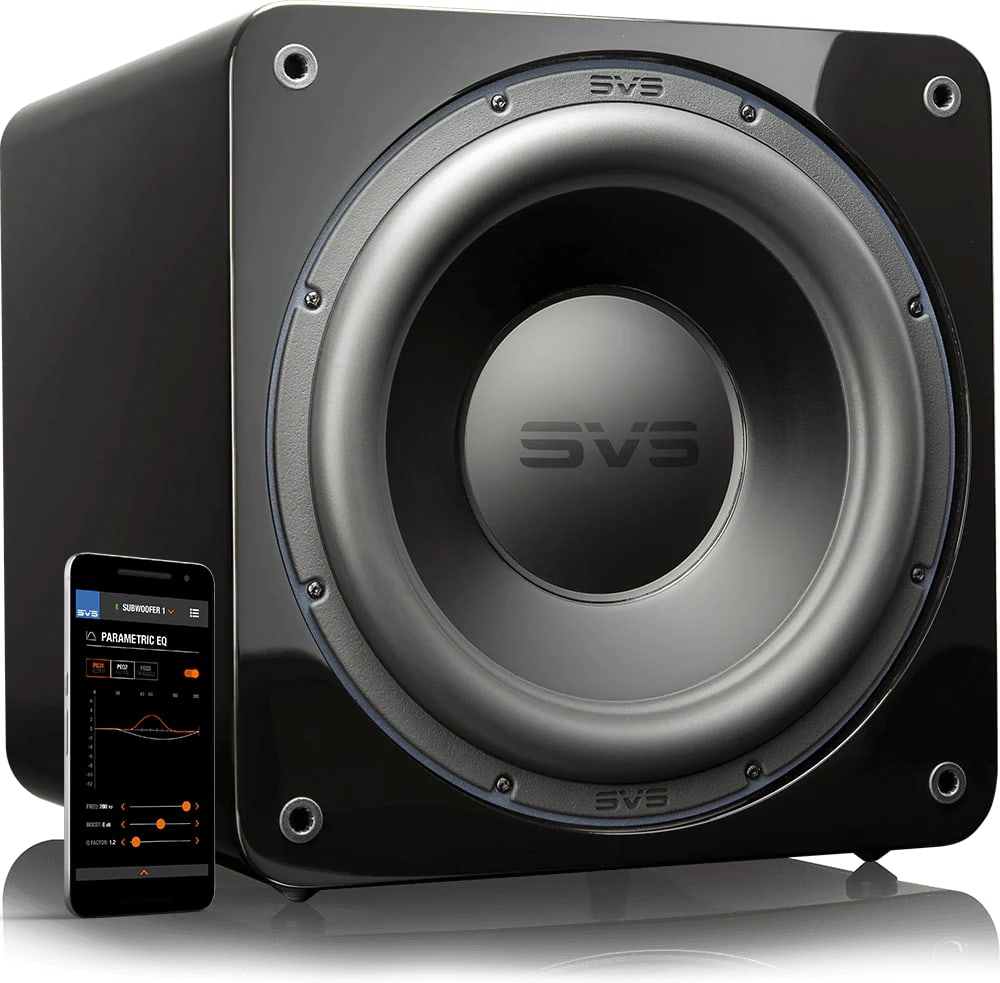
- Bass management over network audio: why your streamer's DSP matters for subsModern streamers now carry crossover and room EQ duties that used to live in an AVR. Here's what that shift actually changes for your subwoofer.
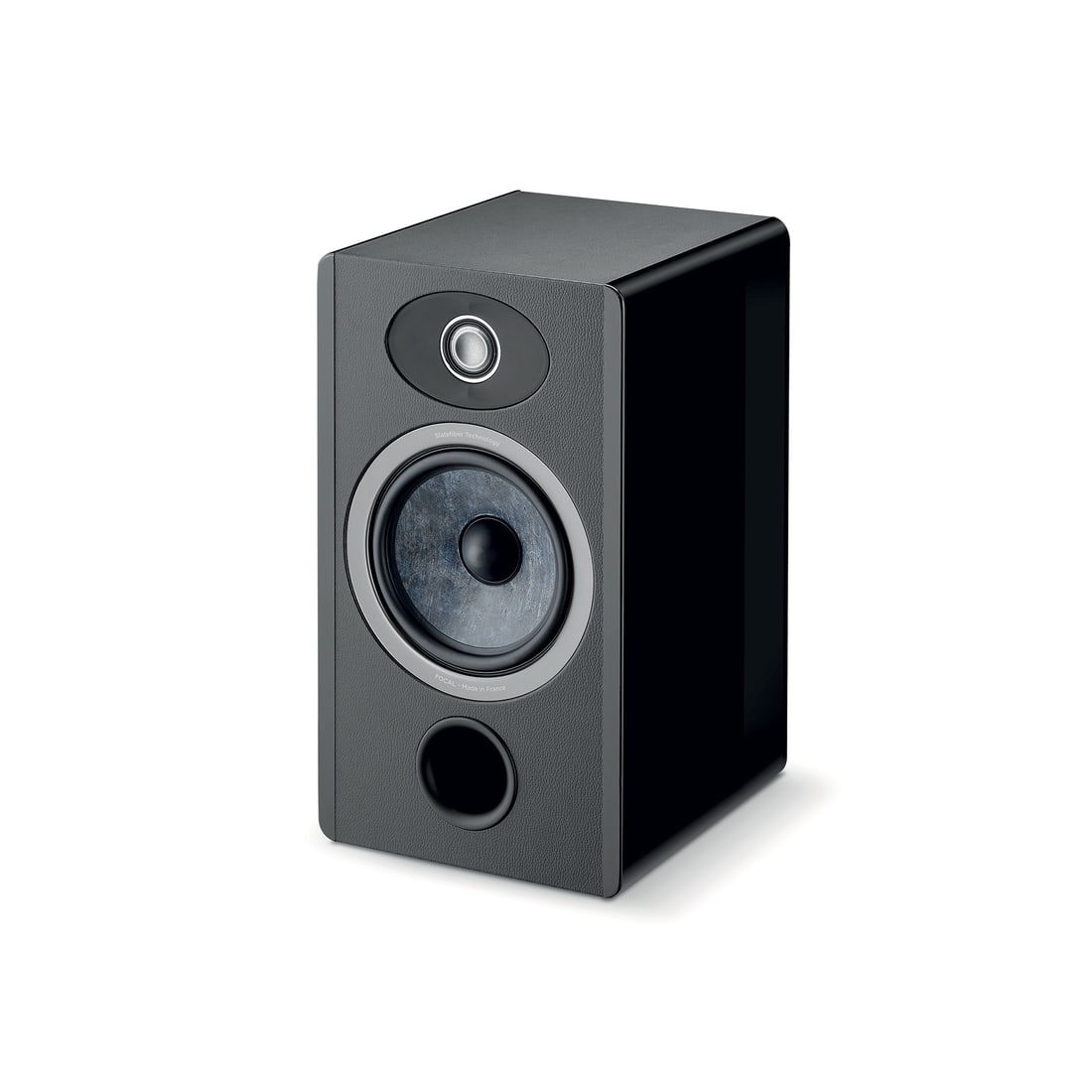 Digital source, analogue speakers: why your streamer choice still shapes the pairA DAC engineer's take on why speaker matching starts upstream — how digital volume, output stage and streamer choice interact with standmounts and floorstanders.
- Phono preamp gain and loading, explained by someone who'd rather not own a turntableGain and loading settings on a phono stage aren't optional extras. Here's what they actually do to your cartridge's signal, explained without the mysticism.
 AVR vs processor plus power amps: when to make the jumpThinking about splitting your AV receiver into a processor and separate amps? Here's the engineering case for and against, without the marketing fog.
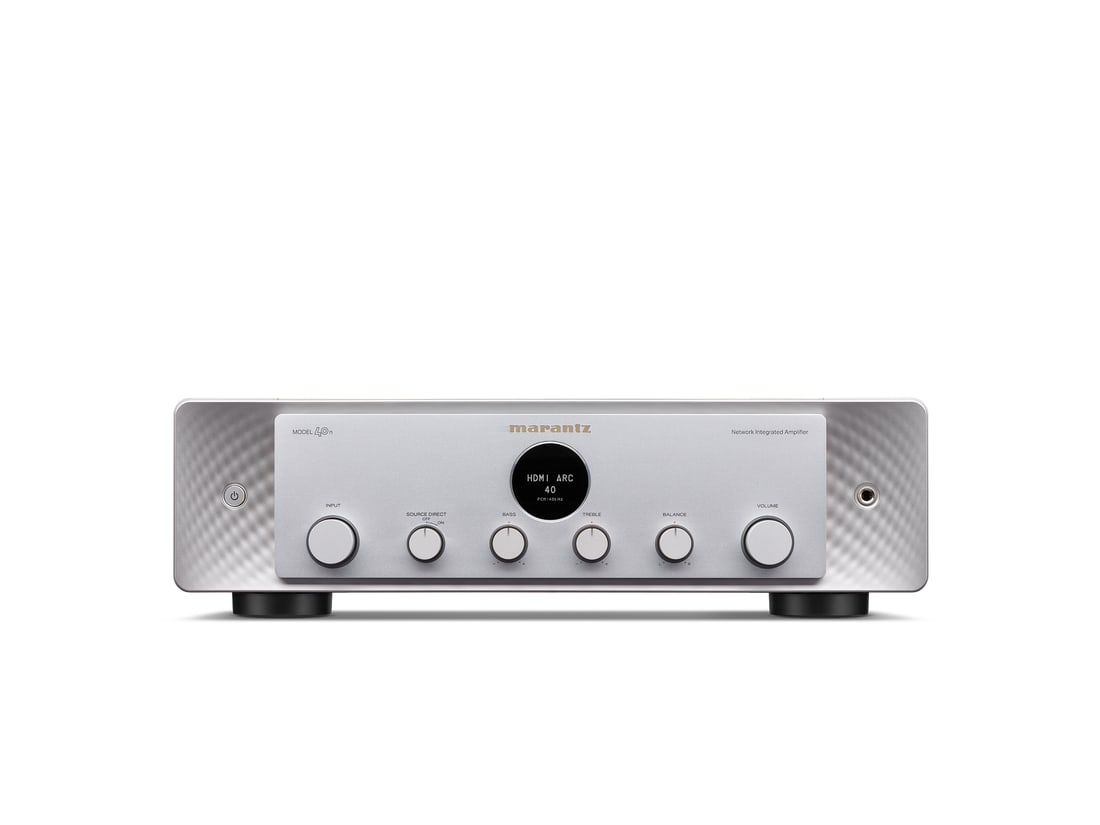 Feedback and damping factor: what negative feedback actually does in an amplifierNegative feedback gets blamed for "solid-state sound" more than any other design choice. Here's what it actually does, measured, and why the folklore doesn't hold up.
- Room correction software: what it actually fixes and what it can'tRoom correction promises to fix your acoustics with DSP. Theo Mensah explains what the algorithms genuinely solve, where they fall short, and when treatment beats software.
- Subwoofer DSP: how to use digital signal processing to fix your bassDSP can fix room-driven bass problems no amount of placement tweaking will solve. Theo Mensah explains what the tools actually do and how to use them without making things worse.
- Dolby Atmos object audio explained: what the spec actually does in your roomAtmos promises to place sound anywhere in three dimensions. Here's the engineering behind it — and where the format's limits actually are.
 Streaming service audio quality settings: what you're actually sending to your DACEvery major streaming service has quality settings that most people never touch. Here's what those settings actually change in the signal chain — and where it genuinely matters.
- Digital volume control vs analogue: which actually degrades your signal?Digital volume attenuation has a bad reputation, but is it deserved? Theo Mensah separates the real maths from the folklore.
- How to bi-wire and bi-amp standmount speakers: what actually worksBi-wiring and bi-amping promise better sound from speakers with dual binding posts. Theo Mensah cuts through the folklore and explains what the measurements say.
- Subwoofer bass equalisation: when and how to use DSP to fix problem bassRoom modes wreck bass regardless of placement. Here's how to use DSP equalisation to actually fix the problem — and where it can't save you.
- Speaker sensitivity and room size: how to calculate the power you actually needSensitivity ratings, room volume and amplifier watts are all connected by maths, not magic. Here's how to work out what you actually need.
- Amplifier output impedance and damping factor: what the specs actually meanDamping factor and output impedance appear on every amp spec sheet, but few buyers know what they're really measuring. Here's what the numbers mean for your speakers.
- Headphone output impedance: why your amp's specs matter more than you thinkOutput impedance shapes how your headphones actually sound. Theo Mensah explains the engineering behind the number and what it means for IEMs, planars and dynamic cans.
- Bass management explained: how to integrate a subwoofer with any systemCrossed over wrong, a subwoofer makes everything worse. Theo Mensah breaks down bass management, crossover settings and placement so your sub actually locks in.
- Roon vs UPnP vs proprietary: which streaming protocol wins?Roon, UPnP or a manufacturer's app: which streaming protocol sounds best? Theo Mensah explains what each does and what really changes the sound.
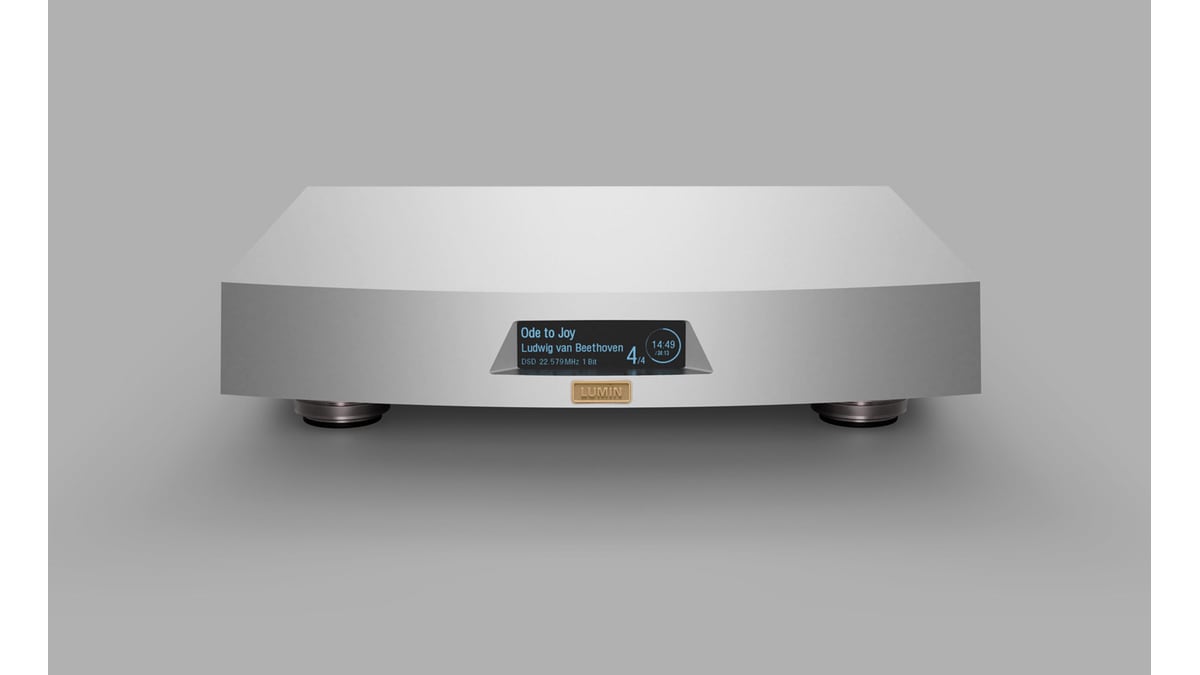 Lumin X2: The Flagship Streamer With a Discrete DACThe Lumin X2 ditches off-the-shelf DAC chips for a fully discrete converter, a bold new direction for the Hong Kong brand's flagship network player.
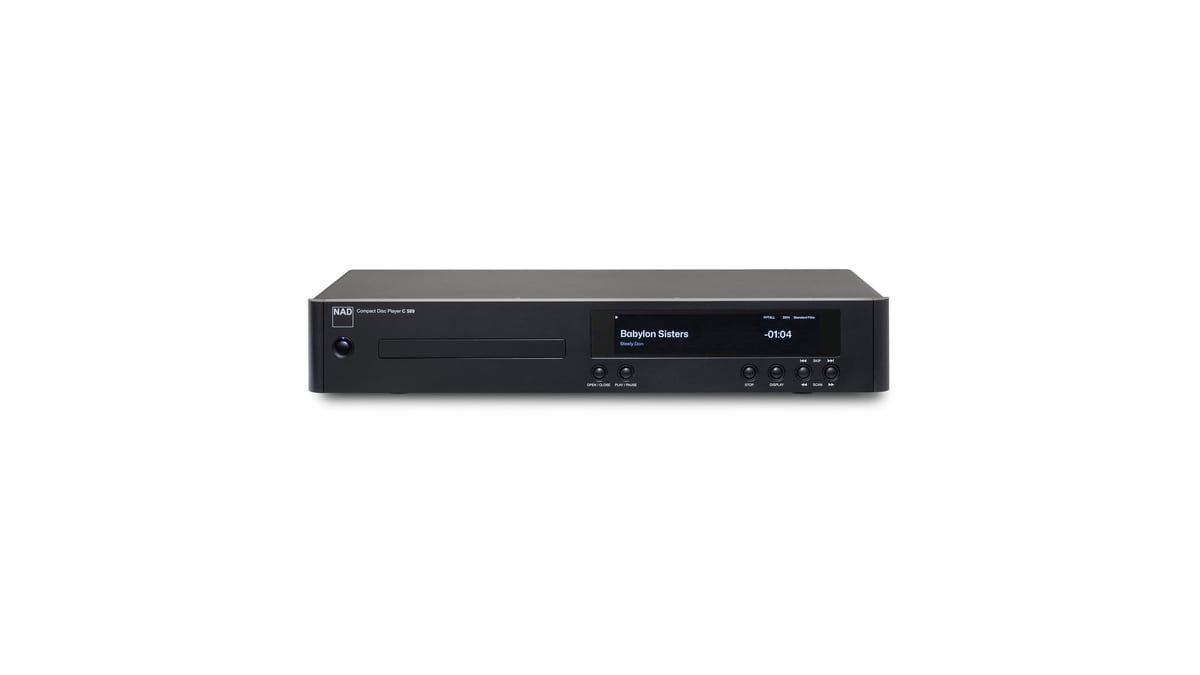 NAD C 589 CD player: QRONO d2a and an ESS Sabre DACThe NAD C 589 CD player pairs MQA Labs' QRONO d2a processing with an ESS Sabre DAC. Here is what that means for serious listeners and Australian buyers.
 dCS breaks from stereo with the 16-channel MCD 16 Ring DACdCS debuts its first multichannel DAC at High End Vienna 2026: eight stereo Ring DAC implementations, discrete Class A outputs and 16 channels.
 HDMI 2.2 and Ultra96 cable double bandwidth to 96 GbpsHDMI 2.2 doubles bandwidth to 96 Gbps, adds the Ultra96 cable and a new latency protocol. Here is what it means for Australian home cinema buyers.
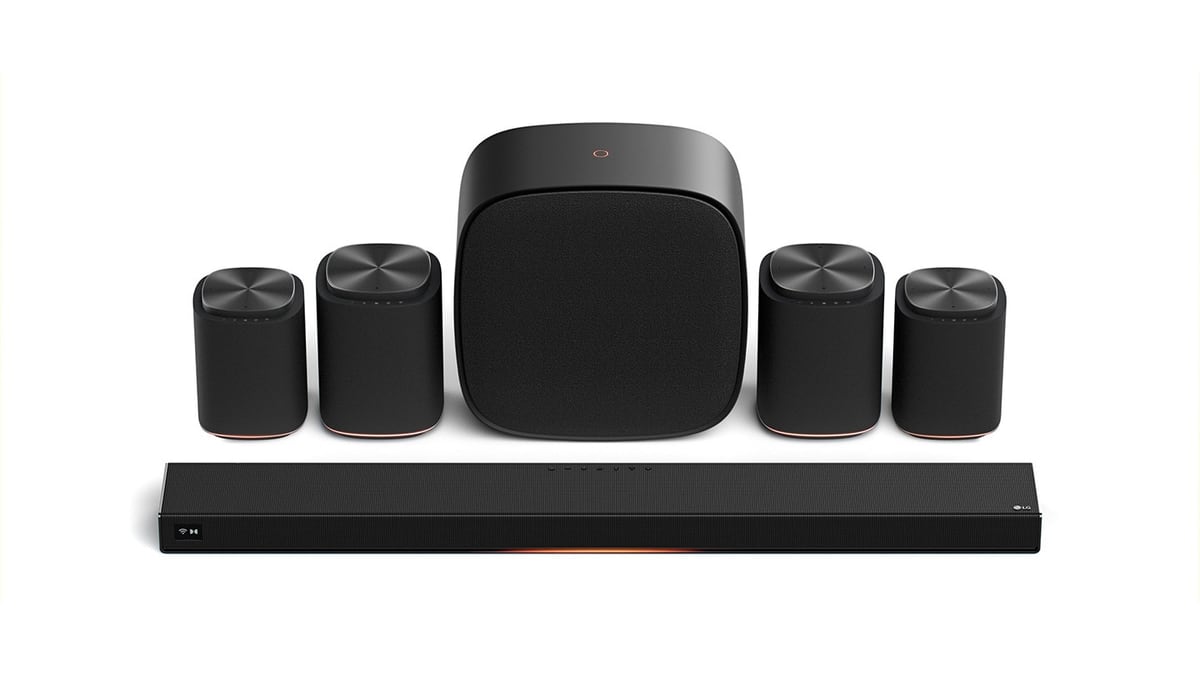 LG's first Dolby Atmos FlexConnect soundbar: CES 2026LG's Sound Suite H7 is the first soundbar built on Dolby Atmos FlexConnect, with 27 speaker configurations for US$999.99. What Australian buyers need to know.