Digital source, analogue speakers: why your streamer choice still shapes the pair
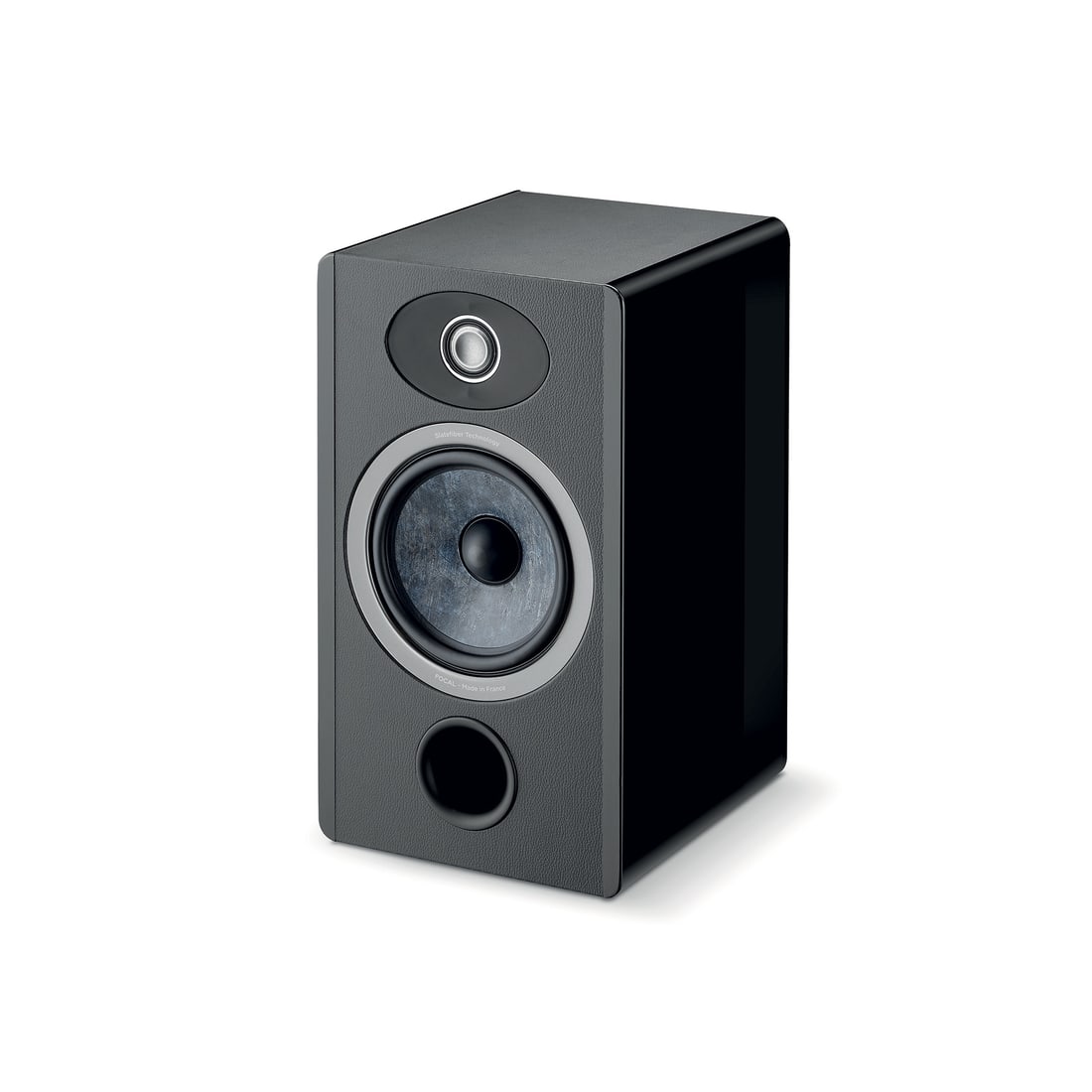
I had a reader email me last month asking why his new pair of standmounts sounded "thin" compared to the demo at the shop. Same speakers, same amp, different source — he'd swapped a network streamer with a proper output stage for a cheap Bluetooth receiver feeding the amp's aux input. Nothing wrong with the speakers. The signal arriving at the terminals had changed shape before it ever got there. This is the bit of speaker matching that mostly gets skipped, because it's my end of the chain, not Hannah's or Dave's, and it's the one people assume is "solved" once they've picked good speakers and a good amp.
It isn't solved. It's just less visible than a crossover diagram or a stand height. So let's talk about what actually happens between a digital file and a speaker cone, and why the streamer or DAC you choose changes how a standmount or floorstander behaves in your room — sometimes more than the difference between the two speaker formats themselves.
The digital volume control problem, and why it matters more with standmounts
Most all-in-one streaming amps and a lot of separates do volume in the digital domain, before the signal hits the DAC chip. Done well, with enough bit depth headroom, this is genuinely transparent — Roon's DSP engine and most modern streamer platforms use 32-bit or 64-bit float internally, so you're not chopping off resolution the way you would on an old 16-bit CD player with a digital pot. Done badly, on cheaper implementations that still operate in 16-bit integer space, you can measurably lose resolution as you pull the volume down, and it shows up as a flattening of dynamics and a loss of the small stuff — decay, room tone, the difference between a soft pluck and a hard one.
Why does this bite standmounts harder than floorstanders? Two reasons. First, stand-mounted two-ways are usually run louder relative to their output capability than big floorstanders, because they're often in smaller rooms with less headroom to spare, so people ride the volume control lower and more often — right in the zone where a badly implemented digital attenuator does its worst work. Second, standmounts tend to be more revealing in the midrange because there's no big cabinet or extra driver smearing things, so a loss of dynamic contrast is more audible on, say, a KEF LS50 Meta (check price) than it might be masked on a large three-way floorstander with more going on acoustically.
The fix isn't complicated: know whether your streamer or amp does volume in analogue after the DAC, or digital before it, and if it's digital, check whether the implementation holds up at low listening levels. Most reputable modern gear does this fine now. I've measured plenty of streamers that are bit-perfect and dynamically intact right down near minus 40dB. But "most modern gear" isn't "all modern gear," and a $200 casting dongle feeding your amp's fixed-gain input via its own internal volume is a different proposition to a proper streaming DAC.
Output impedance: the spec nobody reads until it bites
I've written before about output impedance and headphones, where it's the more dramatic story because IEM drivers swing wildly in impedance across frequency. Speakers are less dramatic but not immune. A DAC or preamp's output impedance interacting with a long interconnect run, or a power amp's input impedance, can shave high-frequency extension in ways that are subtle but real — usually only relevant with unusually long cable runs or unusual amp input stages, so it's not the first thing to chase, but it explains some of the "this DAC sounds slightly soft" reports that turn out to be a cabling and impedance mismatch rather than the DAC chip itself.
What actually matters more, in my experience testing streamers against speakers across dozens of pairings, is the analogue output stage after the DAC chip — not the chip itself. Two streamers using the same ESS or AKM DAC chip can sound different because of what happens in the current-to-voltage conversion and the output buffer. This is why I'm sceptical of spec-sheet shopping based on DAC chip model alone. The WiiM Ultra (check price) and something like the Naim Uniti Atom (check price) occupy very different price points and very different output stage philosophies, and that shows up more in how they drive a speaker's crossover network than any THD figure on a spec sheet would suggest.
Matching source character to speaker character
Here's the mildly contrarian bit. I think the hi-fi industry oversells "neutral" as a universal goal for digital sources, when in practice you're building a chain, and the honest engineering answer is that a slightly warm-leaning source can be the right tool for a bright-leaning speaker, and vice versa. This isn't audiophile folklore — it's just gain-staging and tonal balance addition, the same principle a mixing engineer uses when they reach for a particular preamp to complement a particular microphone.
Standmounts with a reflex port tuned for a lively top end — some of the brighter British-voiced two-ways fall into this camp — can sound genuinely fatiguing off a source with an already forward, etched top end. Pair the same speaker with something like the RME ADI-2 DAC FS (check price), which measures about as neutral as anything on the market, and the fatigue mostly disappears because you're not stacking two forward-leaning components. Conversely, I've heard warmer floorstanders — the sort of speaker Focal or Fyne Audio voice with a fuller lower midrange — start to sound congested off a source that's already rolled-off or soft in the treble. The fix there often isn't a different speaker at all. It's a DAC or streaming amp with a bit more top-end air, which is one reason I keep recommending auditioning your actual source with your actual speaker before committing, not trusting spec sheets in isolation.
Floorstander or standmount: the digital source doesn't decide this one, but it does interact
I'll leave the format decision to Hannah's wheelhouse largely, but from the digital side there's a genuine interaction worth flagging. Floorstanders with lower sensitivity ratings ask more of an amplifier's current delivery, and if you're running an all-in-one streaming amp — a Naim Uniti Atom (check price), a Devialet Phantom-style active design, or similar — the digital and amplification stages share a power supply and sometimes a chassis. Push that combined unit hard into a demanding floorstander and you can run into a different failure mode than you'd get from separates: the digital section's noise floor can rise slightly under heavy current draw, audible as a faint loss of black background at higher volumes. It's a minor effect and only shows up in genuinely demanding rooms with genuinely inefficient speakers, but it's a real argument for separates — a streamer or DAC feeding a proper power amp — once you're running big, low-sensitivity floorstanders rather than an easy-driving standmount.
Standmounts, being generally easier loads and often paired with smaller amps in smaller rooms, are more forgiving of the all-in-one streaming amp approach for exactly this reason. If you're running something like a KEF R3 Meta (check price) off a Cambridge Audio CXA81 MkII (check price) paired with a decent streamer feeding its DAC input, you're unlikely to hit the ceiling I'm describing. Our streaming amplifiers guide covers which all-in-one units handle demanding loads better than others, if you want to go down that path with a floorstander anyway.
Bit-perfect is table stakes, not the finish line
I've made this argument before and I'll make it again: bit-perfect playback is largely a solved problem in 2024. Every major platform — Roon, the manufacturer apps for Naim, Cambridge, WiiM, the lot — will get your file to the DAC without alteration if you've configured it correctly. That's necessary, and worth checking, but it's not sufficient for good speaker matching, and I think a lot of forum energy goes into confirming bit-perfect status when the more useful question is what the DAC's analogue stage does with that perfect data, and how that interacts with the speaker on the end of the amp.
The AES and the Bluetooth SIG both publish useful technical documentation on this if you want to go deeper on the transport side — the AES's published standards work covers digital audio interfacing in more depth than most manufacturer white papers bother with, and it's a genuinely good rabbit hole if bit-perfect claims are your itch. For most buyers though, the practical takeaway is simpler: get bit-perfect sorted (it usually just requires selecting the right output device and disabling any OS-level mixer), then spend your actual listening time and money on the analogue output stage and how it pairs with your specific speaker.
A practical matching checklist before you buy either component
If you're building a system from scratch rather than retrofitting a source onto existing speakers, the order I'd actually do it in is: pick the speaker for the room first, because room size and placement constraints are the least flexible part of the whole exercise. Our standmount speakers guide and the broader DAC and streamer options in our DACs and network streamers guide are both worth reading side by side rather than in isolation, because the interactions above only really make sense once you're looking at specific pairings rather than category winners.
Then audition the amp with that speaker if at all possible, in a room roughly the size of your own — shop demo rooms in capital cities are getting better at this, and it's worth asking a dealer on a street like Marion Road or wherever your local hi-fi strip runs whether they'll let you bring your own source component in for a proper comparison rather than trusting the shop's default streamer. Only then does the finer-grained digital source decision — which DAC chip, which output topology, whether digital or analogue volume — become the thing worth spending an afternoon on. Reversing that order, agonising over DAC chips before you've settled on speaker and room, is a genuinely common mistake I see in forum threads, and it wastes money.
Where I've landed after enough of these comparisons
Honestly, the biggest single digital-to-speaker interaction I've measured and heard consistently isn't chip choice, isn't even output impedance. It's gain staging — whether your streamer's output level is matched sensibly to your amp's input sensitivity, so you're not running either component at the extreme end of its usable range. Run a source too hot into a sensitive amp input and you're using only the bottom quarter of the volume dial, which on a lot of digital or digitally-controlled analogue pots is exactly where resolution and channel matching get worse. It's boring, unglamorous advice compared to talking about DAC architectures, but it's the thing that actually moves the needle on a huge share of the "my new speakers sound different to the demo" emails I get.
Check your gain staging before you chase anything else. Then, and only then, worry about whether your streamer's output stage suits your speaker's voicing. That order has saved me — and a few readers — real money.
Common questions
- Does a better DAC actually change how my speakers sound, or is that placebo?
- It's real, but the mechanism is usually the analogue output stage after the DAC chip, not the chip itself. Two streamers with identical DAC chips can measure and sound different because of how the current-to-voltage conversion and output buffer are implemented. This interacts with your speaker's crossover and voicing, which is why auditioning source and speaker together matters more than chasing chip specifications.
- Should I use digital or analogue volume control with my speakers?
- Modern implementations using 32-bit float or better internal processing are generally transparent at any volume you'd realistically use. Older or budget digital volume controls using 16-bit integer math can measurably lose resolution at low listening levels, which matters more for standmounts run at lower volumes in smaller rooms than for floorstanders pushed harder in bigger spaces.
- Do floorstanders need a better source than standmounts?
- Not inherently, but low-sensitivity floorstanders draw more current from an amplifier, and in all-in-one streaming amps that share a chassis and power supply with the digital section, this can raise the noise floor slightly under load. Standmounts are typically easier loads and more forgiving of the all-in-one approach for this reason.
- Is bit-perfect playback something I still need to worry about in 2024?
- It's largely solved as long as you configure your playback software correctly and disable any operating system level mixer or resampling. It's necessary but not sufficient for good sound though; the analogue output stage and how it pairs with your speaker matters more once bit-perfect transport is confirmed.

Theo here. By day I write software, by night I argue with people on forums about whether bit-perfect playback is "solved" (it mostly is, and then it isn't). I cover the digital end — DACs, streamers, servers, the whole messy ecosystem of getting a file to sound its best. My promise to you: I'll separate the genuine engineering from the audiophile folklore, and I'll never tell you a $500 streaming bridge sounds "blacker" unless I can explain why.
Software engineer; network-audio and DAC specialist
More from Theo Mensah
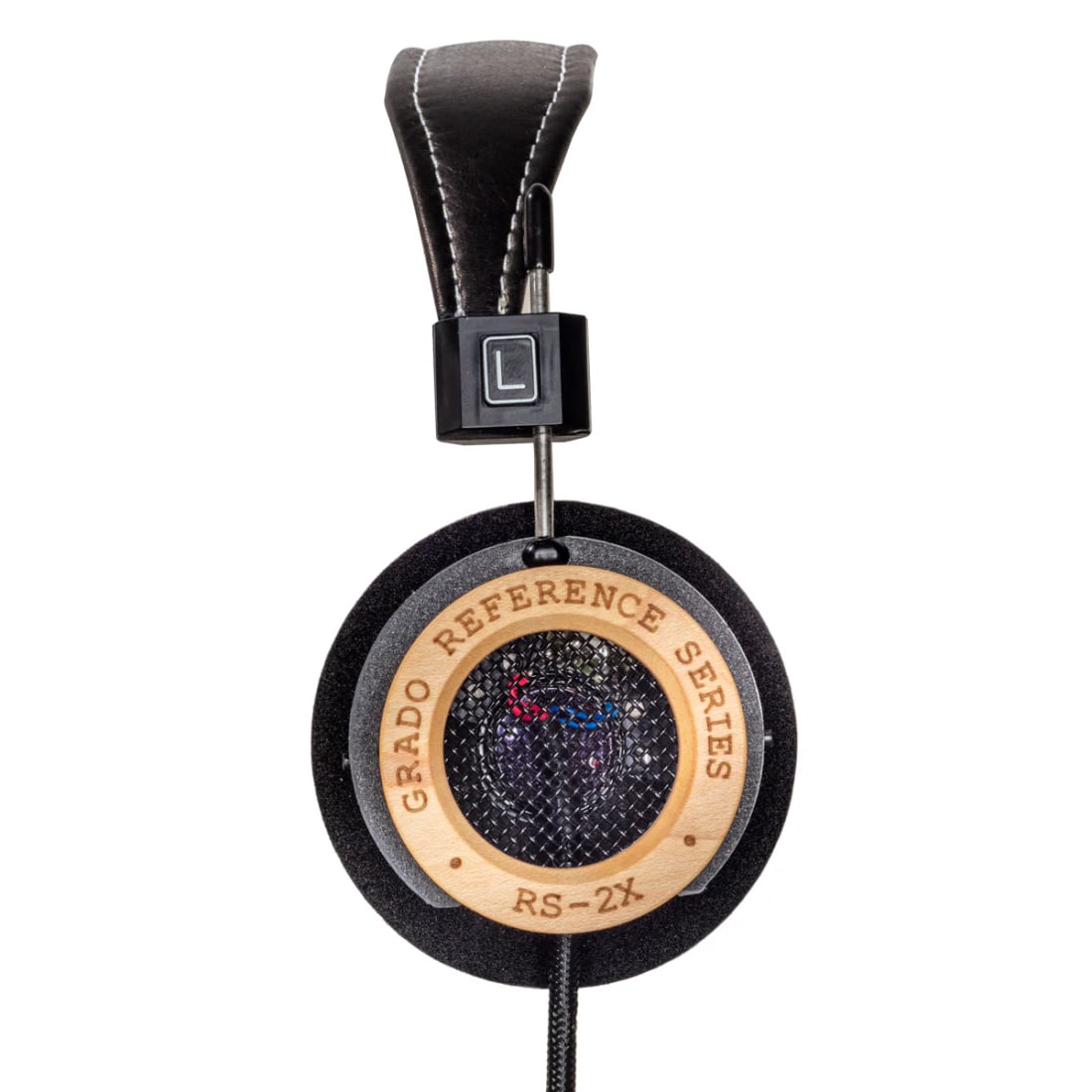 Dongle DAC power limits: when a phone can't drive headphonesDongle DACs are brilliant until they aren't. Here's how to work out whether your phone-and-dongle rig actually has the current to drive your headphones.
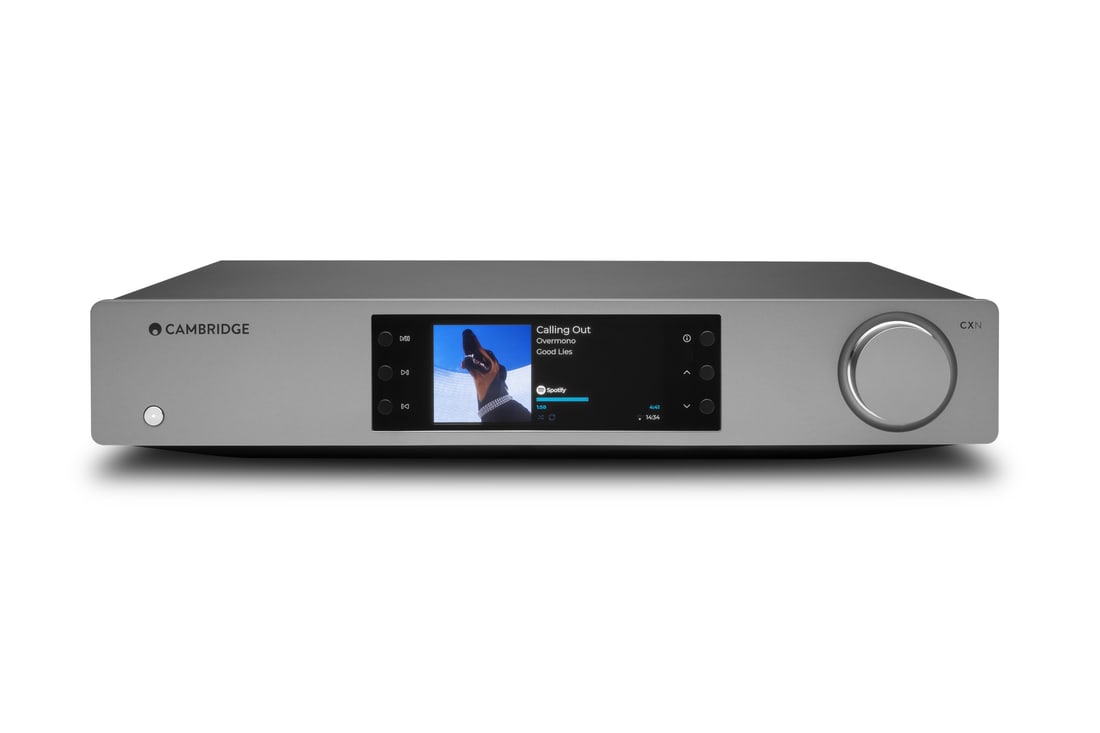 DNS and multiroom: why your streamer drops out at the worst timeMultiroom dropouts are rarely your Wi-Fi. Here's why DNS resolution quietly breaks streaming apps, and how to fix it for good.
- Parallel vs series IEM crossovers: why multi-driver in-ears sound so differentWhy do two IEMs with the same driver count sound nothing alike? The crossover topology is doing more work than the drivers themselves.
- Streaming a subwoofer's EQ filters: why your network player might be the bottleneckYour sub's miniDSP or app-based EQ can only act on a signal your streamer hasn't already mangled. Here's where network audio and bass management actually interact.
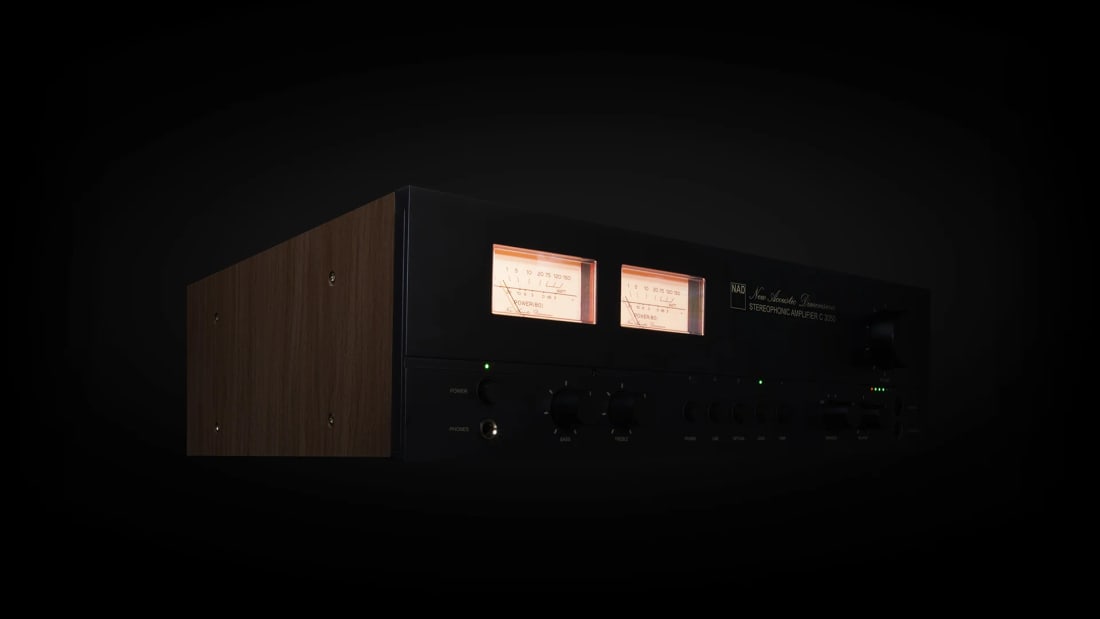 Amplifier gain structure: the setting that decides your noise floorGain mismatches between DAC, preamp and power stage quietly wreck dynamic range. Here's how to actually set gain structure instead of guessing at the volume knob.
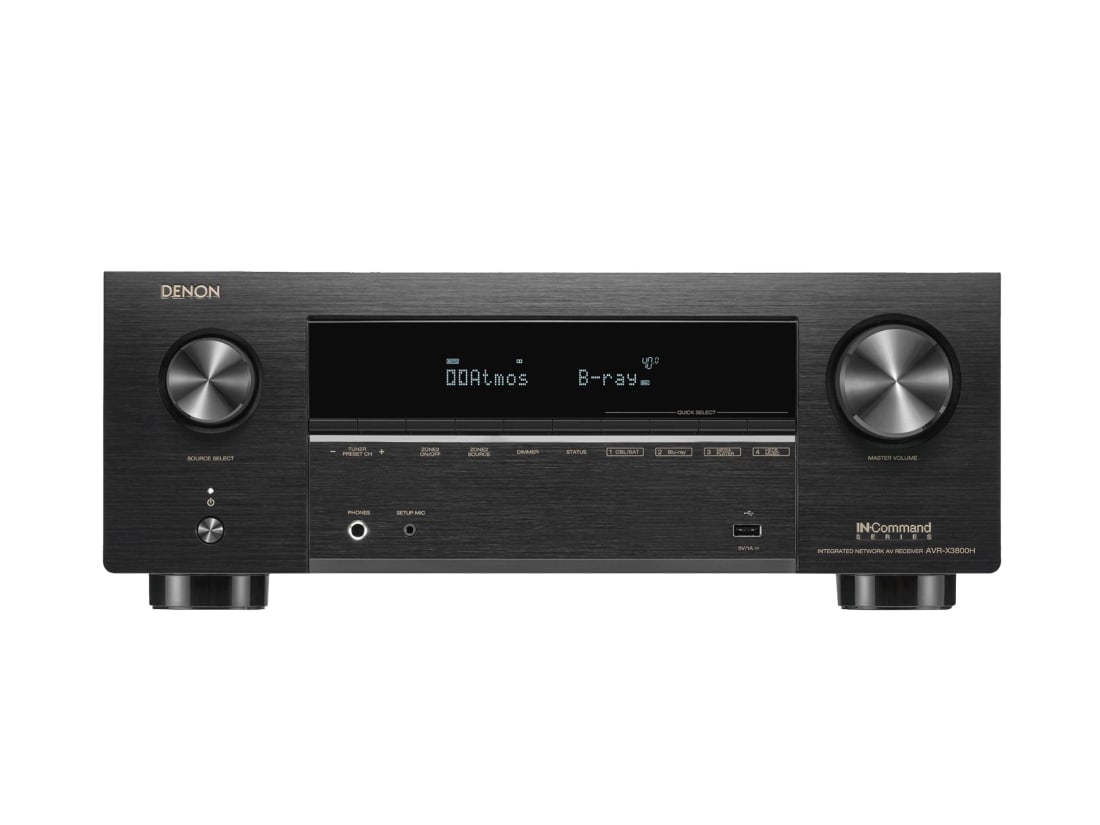 Bass management by the numbers: what your AVR's crossover and slope actually doCrossover frequency gets all the attention, but slope, distance settings and speaker size flags quietly decide whether your bass management works or fights itself.