Tagged: bass management
41 articles we've published with this tag.
 Why a subwoofer makes a valve system sound more honestAdding a subwoofer to a valve amp system can tighten bass, cut distortion and let low-power tubes sing. Here's how to do it properly.By Priya Anand
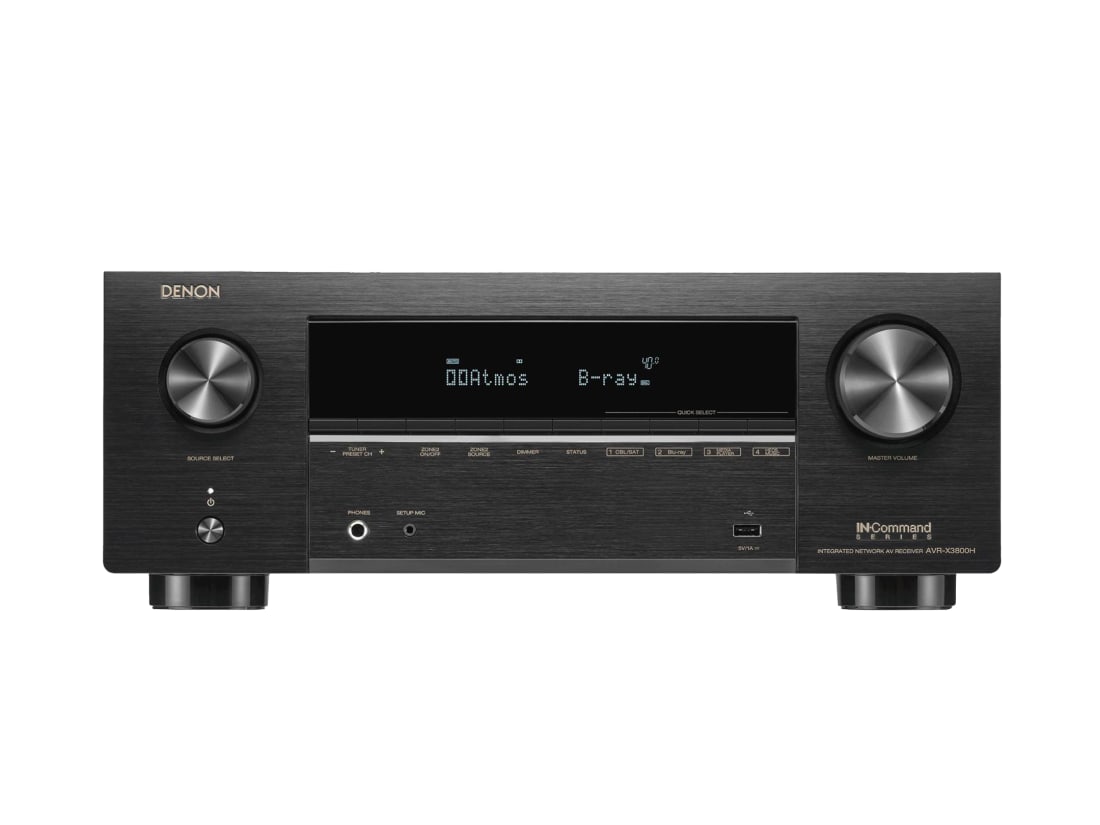 Subwoofer delay settings: why your AVR's number is a guessAVR auto-calibration estimates subwoofer delay from distance, not timing. Here's how to measure and correct it properly for tighter bass.By Marcus Vale
 Why a cheap sub in the right spot beats a good one in the wrong spotA $400 subwoofer in the right corner will beat a $1500 box dumped beside the TV. Here's the cheap, unglamorous process that actually fixes bass.By Dave Okafor
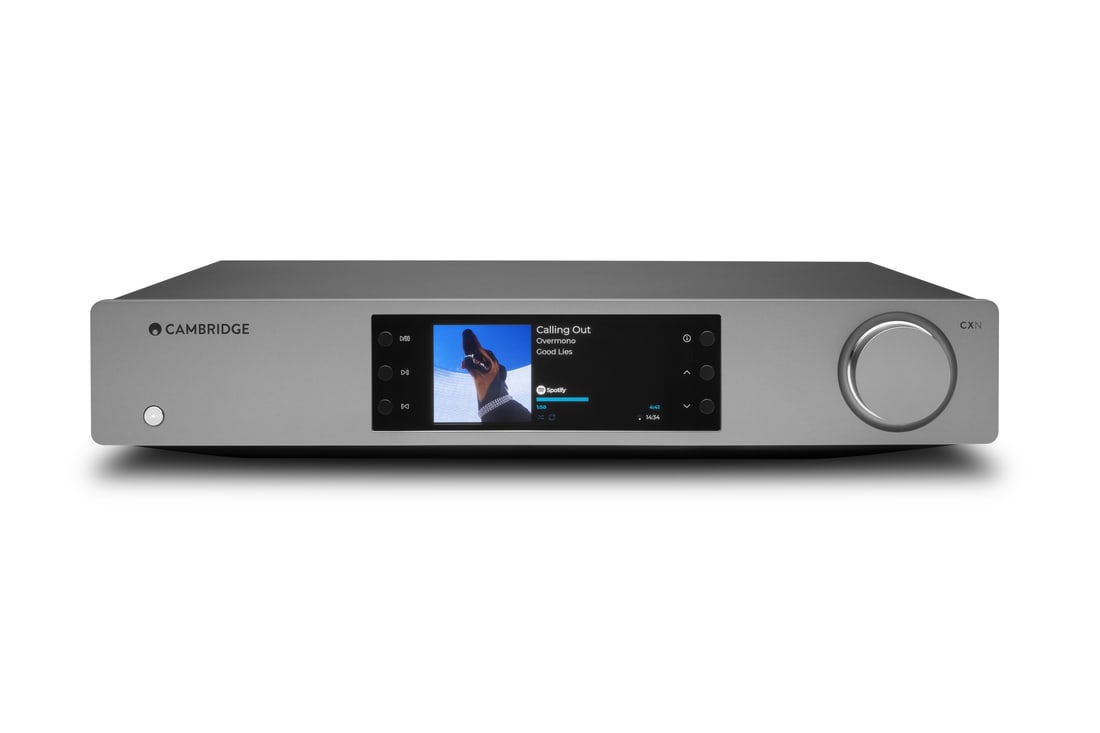 Streaming a subwoofer's EQ filters: why your network player might be the bottleneckYour sub's miniDSP or app-based EQ can only act on a signal your streamer hasn't already mangled. Here's where network audio and bass management actually interact.By Theo Mensah
 Why your headphone desk needs a sub (and how to set it up)A subwoofer under the desk can fix what headphones can't do: chest-felt bass. Here's how to add one without wrecking your headphone sound.By Eleanor Shaw
- The giant-killer bass trick: buy two cheap subs, not one good oneA pair of budget subwoofers almost always beats one expensive one for smoother bass across your room. Here's the maths and the real-world setup.By Dave Okafor
- Why a $400 subwoofer with a mic beats a $1200 one withoutA cheap subwoofer with built-in room correction can outperform a pricier unit with no DSP at all. Here's the giant-killer maths on why.By Dave Okafor
- Subwoofer group delay: the spec that explains "boomy but late" bassGroup delay is why some subs sound thick and slow at the crossover point even when the frequency response measures flat. Here's what it actually is.By Marcus Vale
- Bass management by the numbers: what your AVR's crossover and slope actually doCrossover frequency gets all the attention, but slope, distance settings and speaker size flags quietly decide whether your bass management works or fights itself.By Theo Mensah
- Buying a used sub over a new mini: the giant-killer bass moveA ten-year-old 12-inch sealed sub for $350 will out-punch most new mini subs. Here's how to buy secondhand bass without getting burned.By Dave Okafor
- Bass management crossover settings: the number your AVR gets wrongYour AVR's auto-calibration picked a crossover frequency for your speakers. Here's why that number is often wrong, and how to fix it properly.By Theo Mensah
- One sub or two: when a second subwoofer actually earns its keepAdding a second subwoofer isn't about more bass — it's about fixing the seat-to-seat mess a single sub can't. Here's how to tell if you need one.By Jonno Fraser
- Sealed versus ported subs in statement systems: why the maths changes at the topAt the reference end, sealed and ported subwoofer choices stop being about box size and start being about power, group delay and what the room will forgive.By Sofia Laurent
- Bass management over HDMI: why your AVR's sub output isn't "just a wire"Your AVR reroutes, filters and sums bass before it ever reaches the sub. Here's what's actually happening in that box, and where it quietly goes wrong.By Theo Mensah
- Bass EQ vs room mode cancellation: why some statement systems refuse to fix themselvesWhy throwing more DSP or a bigger subwoofer at a bass null often makes things worse, and what actually needs to change in the room first.By Sofia Laurent
- Subwoofer phase and delay: the setting that decides if your sub actually adds bassPhase and delay settings decide whether a subwoofer reinforces your mains or cancels them. Here's how to set both properly, with or without a measurement mic.By Marcus Vale
- Subwoofer placement: the crawl test still beats any appRoom-correction apps are handy, but the old carpet-crawl method still finds the seat-by-seat bass problems software glosses over.By Hannah Reid
- Four subs, one room: why statement bass systems go multi-channelStatement systems rarely run one big sub. Here's why four smaller ones, individually managed, beat a single monster box every time.By Sofia Laurent
- Bass EQ before or after the sub crossover: the setting order that actually mattersGet the signal-chain order wrong between EQ and crossover and no amount of measuring will fix your bass. Here's the order that actually works, and why.By Marcus Vale
- One sub, two boxes: the cheapest bass upgrade nobody buys twiceA second budget subwoofer usually beats a bigger single one. Here's the maths, the placement trick and why I'd never buy a lone giant sub again.By Dave Okafor
- The subwoofer crossover setting most people leave wrongYour AVR's 80Hz default isn't a law of physics. Here's how the subwoofer crossover frequency actually works, and why the wrong one wrecks integration.By Hannah Reid
- Sealed vs ported subs in small rooms: why the "better" spec often losesPorted subs measure deeper and louder on paper. In a small, real Australian room, the sealed box often wins. Here's the acoustics behind why.By Hannah Reid
- Turntable and subwoofer in the same room? Here's how to stop the feedback loopA subwoofer and a turntable sharing a room can turn a great pressing into mud. Here's how to place both so bass and vinyl actually get along.By Priya Anand
- Subwoofer output limiting: the setting that quietly ruins cheap subsMost budget subs sound worse the harder you push them because of built-in limiter behaviour, not the driver. Here's how to find the real ceiling.By Dave Okafor
- Budget subwoofer, right spot: why placement beats price every timeA cheap subwoofer in the right spot will beat an expensive one shoved in the wrong corner. Here's how to find that spot without buying anything.By Dave Okafor
- Subwoofer size versus number: why two small subs beat one big oneA 10-inch sub in two spots usually beats a 15-inch sub in one. Here's the room-mode maths behind why, and when a single big box still wins.By Hannah Reid
- Bass management over network audio: why your streamer's DSP matters for subsModern streamers now carry crossover and room EQ duties that used to live in an AVR. Here's what that shift actually changes for your subwoofer.By Theo Mensah
- Subwoofer crawl vs measurement: how to actually find the right spotThe subwoofer crawl is a good starting point, not a finish line. Here's how I actually locate sub placement on real jobs, and when to trust the numbers instead.By Jonno Fraser
- Four-subwoofer bass: what a statement system actually buys youFour subwoofers aren't about loudness. Here's what a properly configured multi-sub array actually fixes that two subs, EQ or a bigger single box never will.By Sofia Laurent
- Subwoofer placement by the numbers: the measurement approach that actually worksForget "sub crawl" folklore. Here's how to place a subwoofer using real in-room measurements, and why the corner is rarely the answer.By Marcus Vale
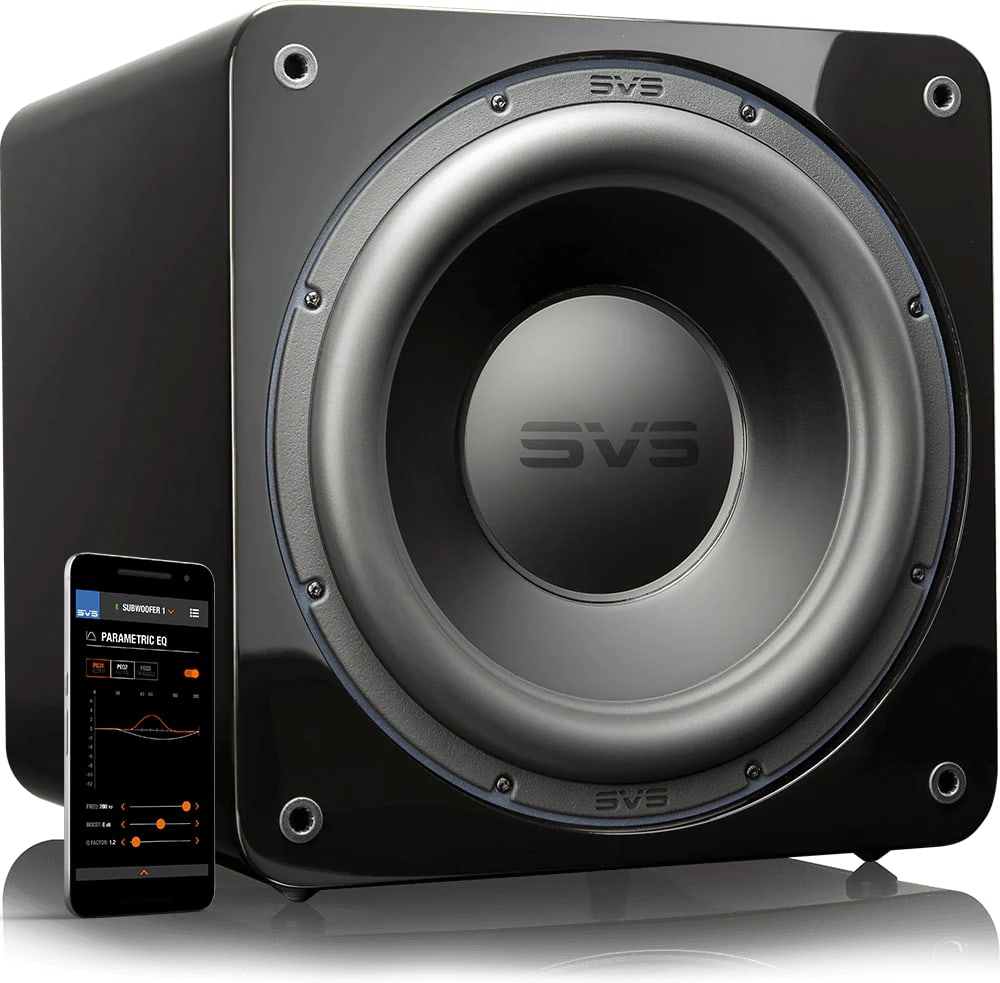 One subwoofer or two: why a second sub fixes what EQ never willA second subwoofer often solves bass problems that EQ can't touch. Here's why multiple subs smooth response across a room, not just at one seat.By Eleanor Shaw
- Sealed vs ported subs with a turntable in the room: what actually changesPorted subs and suspended timber floors don't always get along with a turntable. Here's how sealed vs ported bass actually behaves when vinyl is in the signal chain.By Priya Anand
 Bass management in stereo systems: what your AV receiver manual doesn't explainMost stereo listeners ignore bass management entirely, or get it badly wrong. Hannah Reid explains what it actually does, and why getting it right transforms your system.By Hannah Reid
- Subwoofer DSP: how to use digital signal processing to fix your bassDSP can fix room-driven bass problems no amount of placement tweaking will solve. Theo Mensah explains what the tools actually do and how to use them without making things worse.By Theo Mensah
- Subwoofer integration: how to match level, phase and delay to your main speakersGetting a subwoofer to truly disappear into your system is harder than it looks. Here's how to dial in level, phase and time alignment so the bass sounds like it's coming from everywhere and nowhere.By Hannah Reid
- Subwoofer crossover settings: what the numbers actually meanCrossover frequency, slope, and phase — Marcus Vale cuts through the confusion with measurement-backed advice on dialling in your subwoofer correctly.By Marcus Vale
- Subwoofer bass equalisation: when and how to use DSP to fix problem bassRoom modes wreck bass regardless of placement. Here's how to use DSP equalisation to actually fix the problem — and where it can't save you.By Theo Mensah
- Multiple subwoofers: why two (or four) subs beat one every timeRunning a single subwoofer is leaving bass performance on the table. Sofia Laurent explains the acoustic case for multiple subs — and how to do it properly.By Sofia Laurent
- Bass management explained: how to integrate a subwooferBass management decides whether a sub locks in or ruins the mix. Theo Mensah covers crossover settings, placement, phase and gain so your sub integrates.By Theo Mensah
 Dirac Live 3.14 retires the legacy tool and widens ARTDirac Live 3.14 retires the legacy DLCT and refines ART. Here is what changed in 3.14.1 and 3.14.3, and what Australian buyers should check first.By Marcus Vale
 Active room treatment goes mainstream: Dirac Live ARTDirac Live ART uses MIMO processing to cut low-frequency decay, and it now ships in a $3,500 miniDSP unit. Here is what it means for Australian buyers.By Eleanor Shaw