Budget subwoofer, right spot: why placement beats price every time
Six hundred bucks. That's roughly what a lot of the entry-level subs on the market cost new, and I've had readers email me convinced they need to spend three times that to get bass that doesn't sound like a wet cardboard box. Nine times out of ten the problem isn't the sub. It's that it's sitting in the corner nearest the TV point because that's where the powerpoint is, and nobody's ever moved it since.
I've said this before about speakers and stands, and it's even more true for subs: the box matters less than where you put the box. A subwoofer's whole job is to load the room with low-frequency energy, and the room does more to shape that energy — where it peaks, where it disappears entirely — than the driver, the amp module, or the cabinet bracing ever will. Spend zero dollars moving it around your lounge room before you spend one more dollar on the unit itself.
Why bass placement matters more than bass budget
Every room has standing waves. Low frequencies have wavelengths measured in metres — a 40Hz tone is roughly 8.6 metres long — so they interact with the boundaries of your room (walls, floor, ceiling) in ways that midrange and treble simply don't. Put a sub in a corner and you're coupling it to two or three boundaries at once, which reinforces bass output but also makes room modes far worse: some notes will boom, others will vanish almost entirely depending on where you're sitting.
This is why a $2,000 subwoofer in a bad spot can measure worse at the listening position than a $600 subwoofer in a good one. I've measured this myself, more than once, in different rooms — swap nothing but position and you can see 10-15dB of difference at problem frequencies on a simple room measurement app. That's not subtle. That's the difference between "the bass in this system is a mess" and "actually this sounds tight."
Our piece on subwoofer placement by the numbers goes deep on the actual measurement method if you want to get scientific about it. This article is the cheaper, lazier cousin — what to do with your ears and a tape measure before you touch a laptop.
The subwoofer crawl, done properly
The classic method still works and costs nothing. Put the subwoofer at your main listening seat — yes, sit it on the couch cushion if you have to — and play a bass-heavy track on repeat. Something with sustained low content works better than a track with lots of transients; a droning bassline or a movie scene with a long low rumble is ideal.
Then get down on your hands and knees and crawl around the perimeter of the room, near where the front wall meets the side walls, listening at each candidate spot. Wherever the bass sounds most even, least boomy, and most "just there" rather than "one note louder than the rest" — that's roughly where your ears say the sub should live. It'll usually end up somewhere unglamorous. A quarter of the way along the front wall rather than jammed in the corner is a common result, in my experience.
I'll admit the crawl feels ridiculous the first time you do it. My partner has walked in on me army-crawling around the lounge room with a phone playing dub reggae bass loops and just quietly left again. But it works, and it costs you twenty minutes, not two grand.
Sealed vs ported for real rooms, not showroom demos
This matters more for placement flexibility than most buying guides let on. Ported subs are usually more efficient — more output per dollar of amp — but they roll off faster below their tuning frequency and can sound "one-note" if the port resonance lines up badly with a room mode. Sealed subs roll off more gradually, generally have tighter, more controlled bass, and tend to be more forgiving of imperfect placement because there's no port resonance to interact badly with the room.
If you've got a compromised spot — say the only realistic location is close to a corner because of furniture — a sealed design will usually behave better than a ported one at the same price point. It's a genuinely useful piece of information when you're choosing between two subs at a similar budget, and it's more useful than any spec sheet number.
The SVS SB-3000 (check price) is a sealed design that's a good reference point for what a well-executed sealed box can do even before you touch its DSP; it's not the cheapest sub going but it's a genuine giant-killer against boxes twice its price, and I've recommended it to more than one reader who then stopped emailing me about "muddy bass."
Two cheap subs beat one expensive one
I've made this argument before and I'll keep making it because it's the single best value move in the bass world. Room modes are position-dependent — a null at your listening seat from one sub might be filled in by a second sub positioned differently, because the two subs excite the room's modes differently and, added together, smooth out a lot of the peaks and dips a single sub can't fix on its own.
Two budget subs, bought for the price of one mid-tier unit, placed asymmetrically (not mirror-image symmetric, that just doubles the same problem) will very often out-measure a single expensive sub, and will absolutely out-measure it in terms of even bass response across more than one seating position. If you've got a family room where three people sit in three different spots on movie night, this is the whole game. Our piece on subwoofer size versus number covers the mechanics if you want the full argument.
Bass management is free and most people skip it
Here's the bit that costs nothing and gets ignored constantly: the crossover setting and phase control on your AV receiver or streaming amp. Setting the sub's crossover frequency correctly, and getting the phase or delay right so the sub and your main speakers are in step rather than fighting each other, is entirely free bass management sitting in a menu most people never open.
A sub that's out of phase with your mains can cancel bass rather than reinforce it, at exactly the frequencies where the two are supposed to hand over cleanly. Most AVRs, and increasingly a lot of streaming amps and network players, have a phase switch or a delay-in-milliseconds setting for exactly this reason. If your receiver has room correction — Audyssey, Dirac, whatever the badge — run it after you've physically placed the sub well, not instead of placing it well. Correction software is genuinely useful for smoothing the remaining wrinkles, but it can't undo a subwoofer sitting somewhere it fundamentally shouldn't be. I'd argue relying on room correction to fix a bad position is the single most common expensive mistake I see in home-theatre builds — people buy the processor to fix what a Saturday afternoon of furniture-shuffling would've solved for free.
If you're assembling a full system rather than retrofitting one sub, our guide to building a home cinema covers where bass management sits in the bigger picture, and it's worth reading before you buy anything, not after.
What actually justifies spending more
None of this means all subs are equal once you've nailed placement — that's not the argument. What extra money buys, roughly in order, is more usable output before the driver runs out of excursion (useful for big rooms or serious home cinema levels), a lower and more extended low-frequency limit, and better built-in DSP for room correction and multi-sub integration. A receiver like the Denon AVR-X3800H (check price) pairs well with two modest subs precisely because its bass management and room correction are strong enough to do the fine-tuning work once you've done the placement work yourself.
What extra money does not reliably buy is a fundamentally different in-room response if you've stuck the thing in the worst corner of the room. I've heard genuinely excellent subwoofers sound ordinary because of where they landed, and I've heard entry-level units sound genuinely convincing because someone bothered to crawl around the carpet with a bass track on loop first.
A realistic weekend plan
If you've got an hour on a Saturday, this is the order I'd do it in. Do the crawl first and find the best of two or three candidate spots near the front of the room. Place the sub there, run whatever auto-calibration your receiver has, then sit down and listen to something you know well — not a test tone, a track or film scene you've heard a hundred times. Adjust the crossover point and level from there by ear, nudging in small steps.
Only after all that would I even think about spending more on the hardware itself. Placement is free. A second sub is often cheaper than one flagship unit. Bass management is sitting in a menu you've probably never opened. Fix the free stuff first — the wallet stuff can wait.
Common questions
- Does subwoofer placement matter as much with modern room correction software?
- Room correction helps smooth out the remaining peaks and dips, but it works within limits set by physics. If a sub is positioned somewhere that creates a deep, narrow null at your seat, no amount of EQ can put energy back into a frequency that's cancelling itself out at that exact spot. Correction software is a finishing tool, not a placement substitute.
- Is the subwoofer crawl still relevant if I'm going to run automated calibration anyway?
- Yes. Do the crawl first to choose a genuinely good position, then run your receiver's automated calibration (Audyssey, Dirac or similar) to fine-tune levels and any remaining response issues. The two steps do different jobs and work best together.
- Should I always buy two cheaper subs instead of one expensive one?
- Not always, but it's the better move for most multi-seat rooms. If you've only got one fixed listening position and limited floor space, a single well-placed, well-specified sub can be the simpler and equally effective choice.
- How much difference does sealed versus ported actually make in a real lounge room?
- In a genuinely good position the difference narrows. In a compromised position, close to a corner or boundary, a sealed design will usually sound more controlled because it doesn't have a port resonance to interact badly with room reflections.

I'm Dave, and I'm the cheapskate of the team — and proud of it. My whole thing is finding the gear that punches three times above its price, the so-called "giant-killers," because most people don't have forty grand for a system and shouldn't feel bad about it. I've heard the megabucks stuff, and a lot of it is gloriously good; I've also heard $800 setups that get you 85% of the way there. I'll always tell you where the law of diminishing returns kicks in.
Lifelong bargain-hunter; budget-to-midfi specialist
More from Dave Okafor
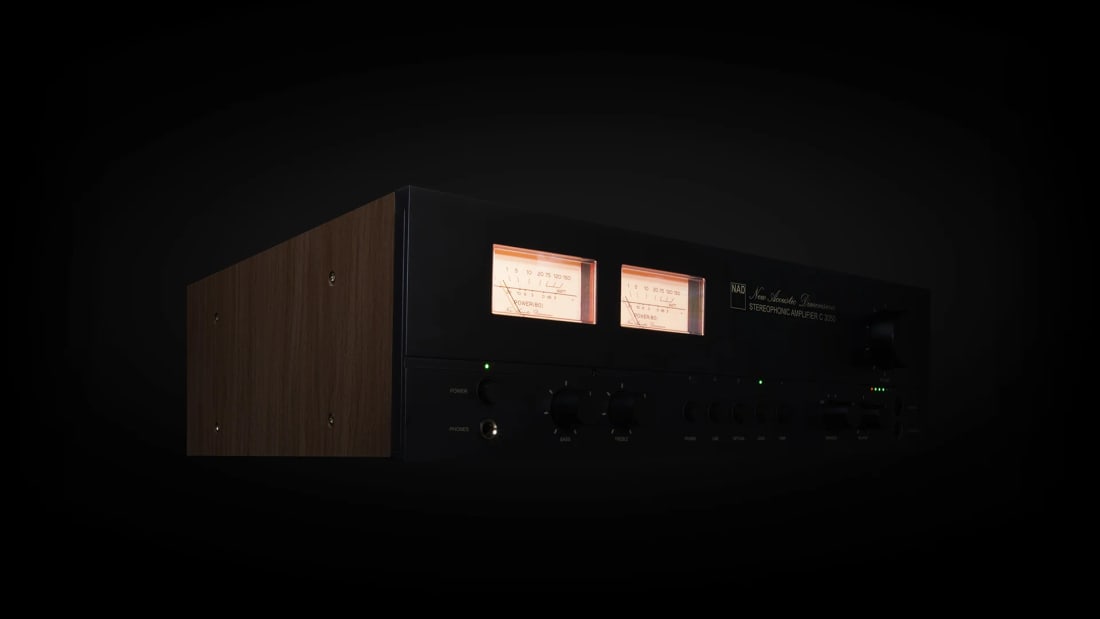 Class D amps have won the value war. Here's why I'm still not 100% soldClass D amps now deliver serious power for giant-killer money. Dave Okafor breaks down what you actually gain, and give up, versus solid-state and valve gear.
- Subwoofer output limiting: the setting that quietly ruins cheap subsMost budget subs sound worse the harder you push them because of built-in limiter behaviour, not the driver. Here's how to find the real ceiling.
- Watts on paper vs watts that matter: matching amp power to real speakersWhy the watts-per-channel number on the box tells you almost nothing useful, and how to actually match an amplifier to a speaker without overspending.
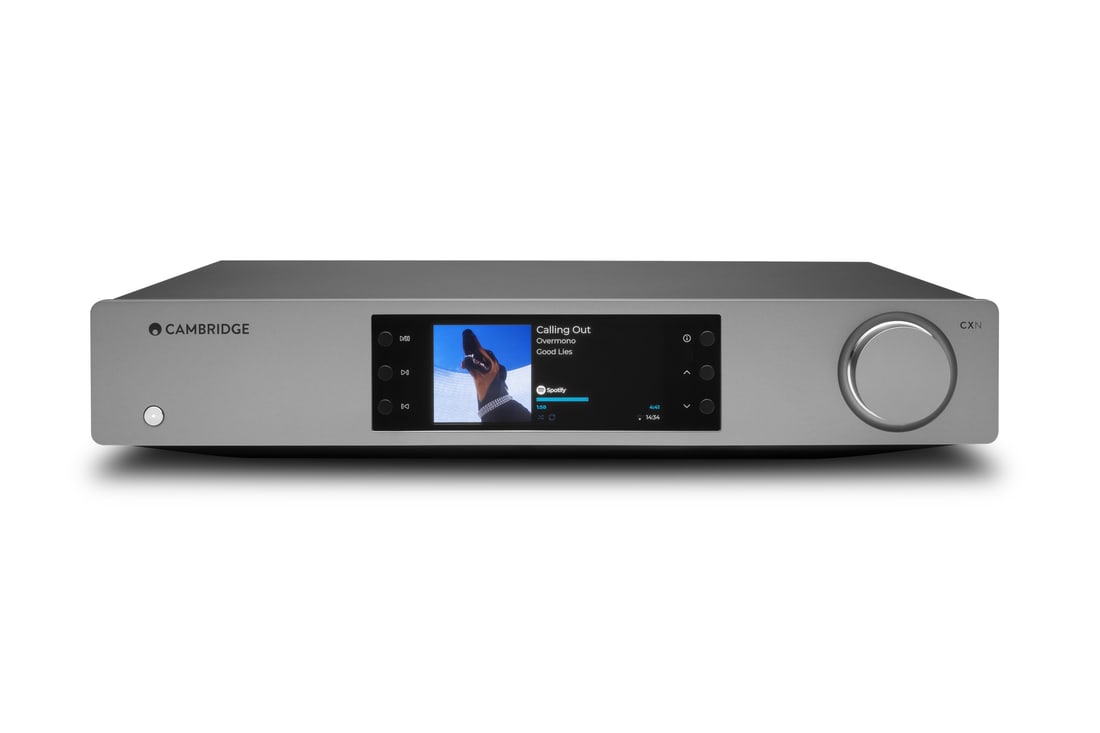 DAC chip specs are marketing. Here's what actually decides sound qualityESS, AKM or a "flagship" chip name tells you almost nothing about how a DAC sounds. Here's what genuinely separates a good one from a dud, on any budget.
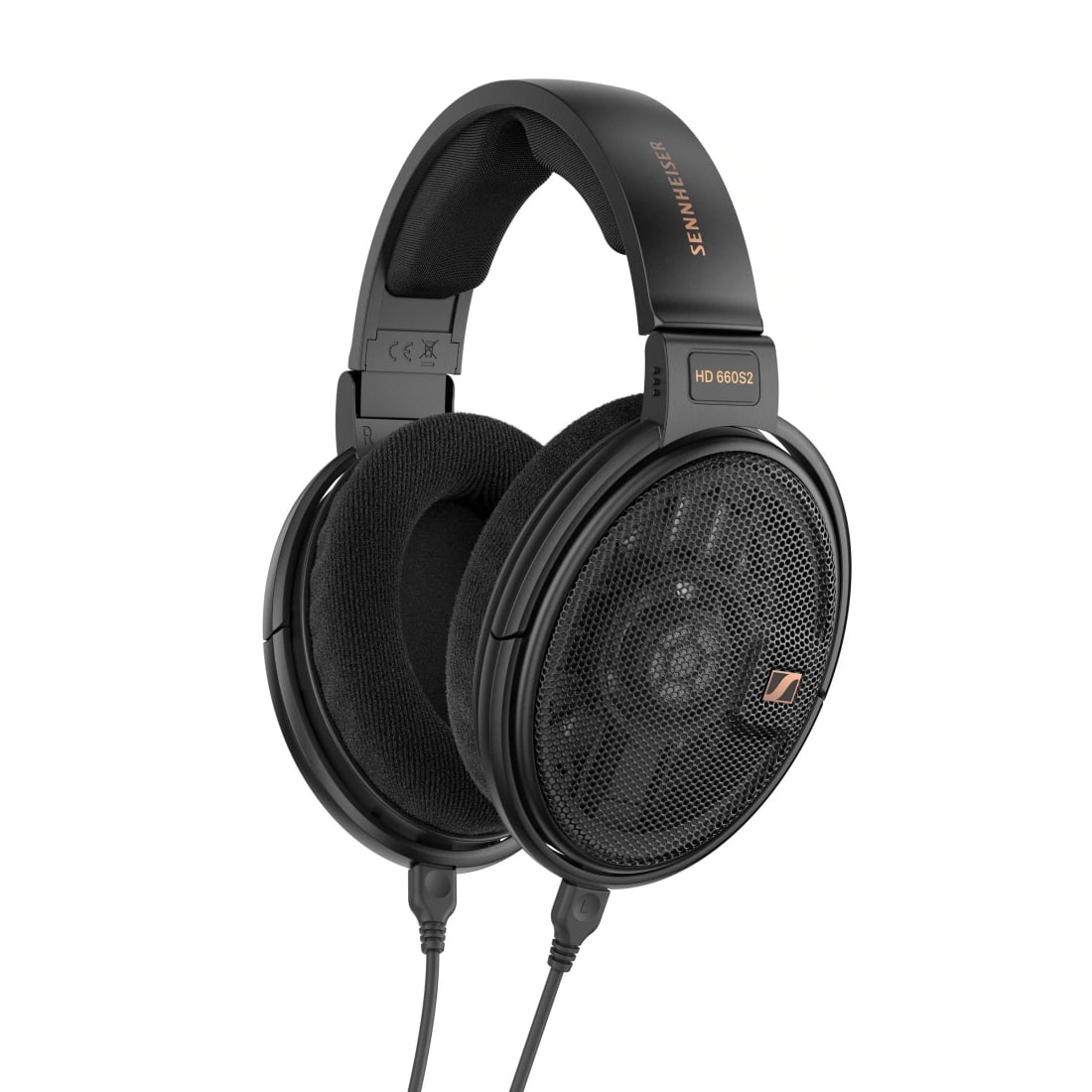 Cheap headphones, expensive amp: the value equation nobody talks aboutMost budgets go straight to the headphones. I reckon that's backwards for a lot of desktop rigs — here's the maths on why the source and amp deserve first dibs.
 Phono stage budget: how much do you actually need to spend?Phono stages range from $50 to $5,000. Dave Okafor cuts through the hype to show where the money genuinely matters — and where it really doesn't.