AKM's Comeback Completes: AK4499EX in a $450 Dongle
The chip that almost wasn't
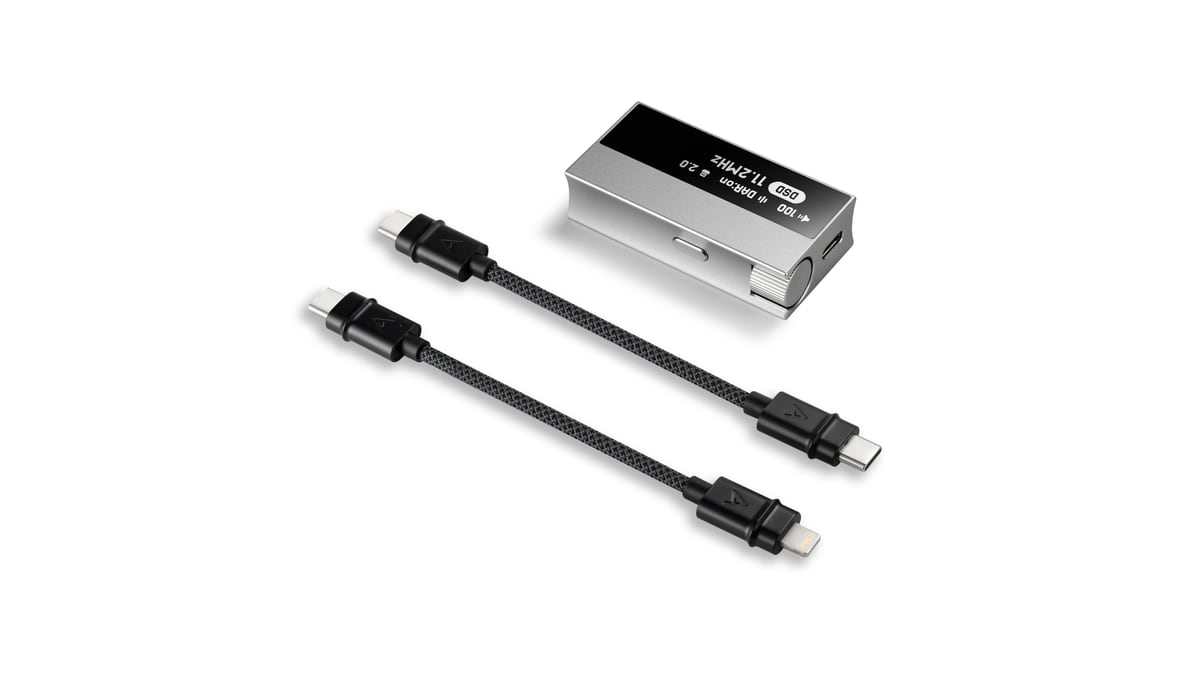
There's a moment in every comeback story where you can point to something concrete and say: yes, that's when it was truly over. In AKM's comeback, that moment arrived quietly in mid-December 2025. AKM is Asahi Kasei Microdevices, the Japanese semiconductor company whose converter chips have underpinned high-end digital audio for decades. Astell&Kern announced the AK HC5, a USB digital-to-analogue converter dongle priced at US$450, and buried in its specification sheet was the detail that mattered: it carries the AK4499EX. The first portable dongle in the world to do so.
If you've been following DAC silicon with any seriousness over the past five years, you'll understand why that's worth pausing on. The AK4499EX is AKM's flagship converter chip, the top of a lineage that has defined the sound of countless audiophile devices from desktop DACs to dedicated digital audio players. Putting it into a device that runs off a phone's USB port, retails for under five hundred US dollars, and slips into a shirt pocket is, by any reasonable measure, a significant inflection point. It means the silicon is available, in volume, at a price point that allows mainstream portable products. And that only became possible because AKM finished the long, difficult process of rebuilding what it lost in October 2020.
We've covered the product itself separately, in our Astell&Kern AK HC5 review. This piece is about the bigger story behind the chip.
What the fire actually destroyed
The facts of the 2020 incident are well-documented, but they bear repeating for context. In October of that year, a fire broke out at AKM's primary semiconductor fabrication plant in Nobeoka, Japan. The facility wasn't just one factory among many. It was the production hub for essentially all of AKM's audio-grade converter chips, including the then-flagship AK4499EQ. It burned severely enough that the company had to halt production entirely, and the damage was extensive enough that rebuilding took years, not months.
The immediate consequences rippled through the audio industry with surprising speed. Manufacturers who had built product roadmaps around AKM silicon found themselves scrambling. Some switched to competing converter platforms; ESS Technology's Sabre series and Cirrus Logic chips picked up a significant amount of displaced design work. Others paused product development and waited. The waiting, for many, stretched across most of 2021 and well into 2022. It was a stark reminder of how thin the supply chain for specialist audio silicon actually is, and how concentrated the manufacturing of it can be in very few facilities.
AKM's recovery was phased. The company returned to production of its more mainstream audio chips first, gradually working back up the complexity curve toward its flagship designs. The two-chip AK4499EX and AK4191 combination, the architecture that replaces the older single-chip AK4499EQ at the top of the lineup, entered production in September 2022. From there, it took time for design wins to materialise in shipping products, for those products to move through development and manufacturing, and for the chip to cascade down from flagship desktop and portable player applications toward the more cost-sensitive dongle segment. The HC5, going on sale at Astell&Kern retailers from January 2026, represents the completion of that cascade.
Understanding the two-chip architecture
The design philosophy behind the AK4499EX is genuinely interesting and not always well explained in product literature, so it deserves a proper explanation. Unlike the earlier AK4499EQ, which combined the digital filter, noise shaper, and the core DAC function in a single piece of silicon, the current flagship architecture splits those roles across two chips. The AK4191 handles the digital filtering and delta-sigma modulation, the computationally intensive work of converting a PCM or DSD bitstream into the high-rate signal that the DAC core needs to work with. The AK4499EX then handles the actual conversion: turning that processed signal into an analogue voltage.
AKM's rationale for separating these functions is fundamentally about noise. Digital logic, particularly the kind of high-speed switching involved in oversampling filters and noise shapers, generates interference. When that circuitry lives on the same die as the sensitive analogue conversion stages, you're fighting a constant battle to prevent digital noise from contaminating the analogue output. By physically separating the two functions onto distinct chips, with carefully designed interconnects between them, AKM argues it can keep the noise floor lower and extract better performance from both the digital processing and the analogue output stages.
The specifications that result from this architecture are, on paper, genuinely impressive. AKM rates the combination at 135 dB signal-to-noise ratio per channel, A-weighted, and -124 dB THD. On the digital input side, it handles PCM up to 1536 kHz at 64-bit word length, and DSD up to 44.8 MHz. That's DSD1024, for those keeping track, and the format itself is explained well in this Direct Stream Digital article. Whether any of that upper-range capability is ever exercised in real-world listening is a separate question, but the specifications give a clear indication of where AKM has positioned this chip in the hierarchy. This is their reference-grade work, and they're not shy about saying so.
For a deeper grounding in what these numbers actually mean in practice, our Bit Depth & Sample Rate explainer is worth a read, particularly the section on how noise floor relates to dynamic range and why those headline figures translate, or don't, into audible differences at real-world listening levels.
What Astell&Kern has actually built
The AK HC5 debuted on 13–14 December 2025 and moved into retail availability in January 2026. At US$450, it sits well above the dongle DAC mainstream: the bulk of the competitive field clusters between US$50 and US$200, with a handful of premium options reaching toward the US$300 mark. At $450, the HC5 is making a clear statement about what it is. This is not a convenience device for people who want slightly better audio than their phone's built-in output. This is a serious portable converter for people who care about the quality of their digital playback chain.
The inclusion of the AK4191 alongside the AK4499EX is important here. It would have been technically possible, and cheaper, to pair the AK4499EX with a different digital filter solution. The fact that Astell&Kern has used AKM's own two-chip architecture as a matched system suggests they're trying to preserve whatever sonic character AKM designed into that specific combination, rather than substituting a third-party or proprietary filter that might change the character of the output. Whether that design choice is audible or primarily a marketing story is something we'll need to assess in a full review, but it's the right approach philosophically if you're paying for a reference-tier chip.
Astell&Kern also launched the STELLA reference IEMs alongside the HC5, priced at around US$4,000. The pairing is clearly intentional: a flagship source chip in the transport device, matched with a flagship transducer. That combination is obviously aimed at a very specific, very committed segment of the personal audio market, and the price brackets involved suggest A&K is more interested in making a statement than moving volume. But the HC5 stands on its own terms regardless of the companion product.
Why a dongle is a hard place for a flagship chip
A converter chip is only one part of what you hear. A dongle has to power the chip, filter that power, build an analogue output stage and drive headphones, all from whatever a phone's USB port is willing to supply, and all inside a housing small enough to dangle from a cable. That's why a desktop box built around the same silicon can behave differently, with a larger power supply and more room for output circuitry. Our piece on dongle DACs versus desktop DACs covers that trade-off in more detail.
It's also fair to ask whether you need an external converter at all. Plenty of phones and laptops have perfectly decent built-in output, and our guide on whether you actually need an external DAC is a good sanity check before spending serious money. I'd argue a US$450 dongle only makes sense once you've already got headphones good enough to expose the difference.
Why this matters for the broader DAC market
The significance of the HC5 extends beyond the product itself. When a flagship-tier chip becomes available in a dongle, it tells you something about the maturation of the supply chain and the competitive dynamics of the segment. The chip is now available in sufficient quantity and at sufficient yield for a manufacturer to design it into a relatively mass-market portable product, not just into a flagship desktop DAC or a premium digital audio player where the bill of materials can absorb a more expensive silicon component.
That availability matters for the rest of the industry too. Other manufacturers designing new portable products now have access to the same silicon. We should expect to see the AK4499EX appear in competing dongles, in portable DAC/amplifier combinations, and in the next generation of digital audio players from brands other than Astell&Kern over the course of 2026 and beyond. The HC5 is the first product, but it won't be the last. AKM's comeback is now complete enough that the flagship chip is a design option, not a scarce resource.
For Australian buyers, this is worth watching carefully. The US$450 price point translates to somewhere in the AUD$700–750 range at recent exchange rates before GST, so expect local retail pricing in the AUD$750–850 range depending on the retailer and the exchange rate on the day. That's real money for a dongle, even a serious one. The question for AU buyers is whether the AK HC5 represents better value than competing options at similar or lower price points, a question that requires a proper audition, ideally with your own headphones.
Speaking of which, the choice of headphone or IEM will matter enormously here. If you're considering a serious dongle at this price level, you want a transducer that can actually reveal what a 135 dB SNR DAC is doing. Our guide to the best DACs and network streamers covers the desktop end of the AKM ecosystem in more detail, and it's worth reading alongside any consideration of where a portable device fits in your broader digital audio setup.
Where AKM's comeback sits in the competitive landscape
AKM's return to form doesn't mean they've been operating in a vacuum. During the years of reduced availability, ESS Technology's Sabre chips, particularly the ES9038 family, consolidated a significant presence in the premium portable DAC segment. Chord Electronics took a different path entirely with its proprietary FPGA-based approach, as seen in the Mojo 2 (check price), which remains one of the most interesting portable DAC designs available. Cirrus Logic has been active in the mobile device segment. And a number of Chinese audio brands developed their own proprietary converter solutions during the AKM shortage, some of which have proven commercially successful.
AKM returning to the market with compelling flagship silicon doesn't automatically displace any of these. ESS's Sabre chips have real strengths, particularly in measurements, and a substantial installed base in the designer community. Chord's FPGA approach offers genuine technical differentiation. But AKM's chips have long had a reputation for a particular sonic character, often described as musical and natural in a way that some find more listenable than the Sabre house sound, which can lean toward a more clinically detailed presentation. Those characterisations are generalisations, and the implementation around the chip matters as much as the chip itself, but they reflect real and recurring observations in the serious listening community.
What the HC5 represents is AKM's clearest statement yet that they're fully back, competitive, and capable of getting their best silicon into new product categories. That's good for the industry. Competition in high-performance audio silicon keeps manufacturers honest and gives designers genuine options when they're specifying a new product.
The long view on silicon and audio
The AKM story from 2020 to 2026 is a useful case study in how dependent the high-end audio industry is on a surprisingly small number of specialised semiconductor suppliers. When AKM went offline, the consequences were felt almost immediately in product availability, pricing, and design decisions across the entire industry, from sub-$100 budget DACs to flagship digital players costing thousands of dollars. Few industry events have illustrated so clearly how concentrated the production of specialist audio silicon actually is.
The lesson for buyers is worth keeping in mind: when a product is built around a specific chip, the long-term availability of that product and its future revisions depends on the health of a single fab somewhere in the world. That's not a reason to avoid well-designed products. It's simply useful context for understanding why audio products sometimes disappear from the market without warning, or why manufacturers occasionally make chip changes mid-production run.
For AKM, the completion of this recovery arc is a meaningful achievement. Getting from a burned-down fabrication facility to a shipping flagship-chip dongle in just over five years, while rebuilding the production capability for an entire portfolio of converter chips, is not a trivial industrial accomplishment. The AK HC5 is the product that closes the chapter on the fire and opens a new one, in which AKM's best silicon is back in the hands of designers and, ultimately, in the ears of listeners.
Practical takeaways for AU buyers
If you're in the market for a serious portable DAC and the HC5 is on your radar, here's where things stand from an Australian perspective:
- Availability: The HC5 went on general sale at Astell&Kern retailers from January 2026. Australian availability through authorised A&K dealers should be confirmed, but given A&K's established retail presence here, stock is expected.
- Pricing: Budget for AUD$750–850 at retail. If you see it significantly below that, verify the source is an authorised dealer to ensure warranty support.
- Pairing: At this price point, you need headphones or IEMs capable of resolving what the DAC is doing. Think carefully about impedance matching and output power. A dongle running off a phone has limits on how much current it can deliver, and some high-impedance headphones may not be the right match regardless of DAC quality.
- Competition: Before committing, compare against the Chord Mojo 2 and the ESS-based competition in the premium dongle bracket. The right choice depends on your sonic preferences, your source device, and your headphone collection.
- Desktop alternative: If portability isn't a priority, the same AK4499EX/AK4191 architecture is available in desktop DACs at various price points, where implementation constraints are fewer and power supply quality is better. See our DAC and streamer guide for desktop recommendations.
AKM's comeback is complete. What comes next, for the chip, for the products built around it, and for the listeners who end up with those products, is the more interesting story to watch.
Common questions
- What makes the AK4499EX different from older AKM DAC chips?
- The AK4499EX is part of AKM's current two-chip flagship architecture, paired with the AK4191 digital filter and modulator. Unlike earlier single-chip designs such as the AK4499EQ, this approach separates the digital processing and analogue conversion functions onto distinct pieces of silicon, reducing noise contamination between the two stages. AKM rates the combination at 135 dB SNR per channel and -124 dB THD, with support for PCM up to 1536 kHz at 64-bit and DSD up to 44.8 MHz.
- Why did AKM chips become hard to find after 2020?
- A fire at AKM's primary semiconductor fabrication facility in Nobeoka, Japan in October 2020 severely damaged the plant and halted production of essentially all of AKM's audio-grade converter chips. Rebuilding took several years, with production of the new AK4499EX and AK4191 two-chip flagship combination not resuming until September 2022. During that period many audio manufacturers switched to competing silicon from ESS Technology or Cirrus Logic.
- Is the Astell&Kern AK HC5 available in Australia, and what should I expect to pay?
- The HC5 went on sale at Astell&Kern retailers globally from January 2026, and Australian availability through authorised A&K dealers is expected. The US$450 retail price translates to approximately AUD$750–850 at typical exchange rates and retail margins, though confirm current pricing with your local dealer.
- Does the high sample-rate support on the AK4499EX — like 1536 kHz PCM or DSD1024 — actually matter for real-world listening?
- In practice, almost no commercially available music content exists at those extreme resolutions, and most streaming and download services top out well below 1536 kHz PCM or DSD1024. The high ceiling is more a reflection of the chip's engineering headroom than a practical specification for day-to-day use. What matters more for real-world performance is the 135 dB SNR and low THD figures, which translate to a very low noise floor and minimal distortion at the listening levels and resolutions you'll actually encounter.

Theo here. By day I write software, by night I argue with people on forums about whether bit-perfect playback is "solved" (it mostly is, and then it isn't). I cover the digital end — DACs, streamers, servers, the whole messy ecosystem of getting a file to sound its best. My promise to you: I'll separate the genuine engineering from the audiophile folklore, and I'll never tell you a $500 streaming bridge sounds "blacker" unless I can explain why.
Software engineer; network-audio and DAC specialist
More from Theo Mensah
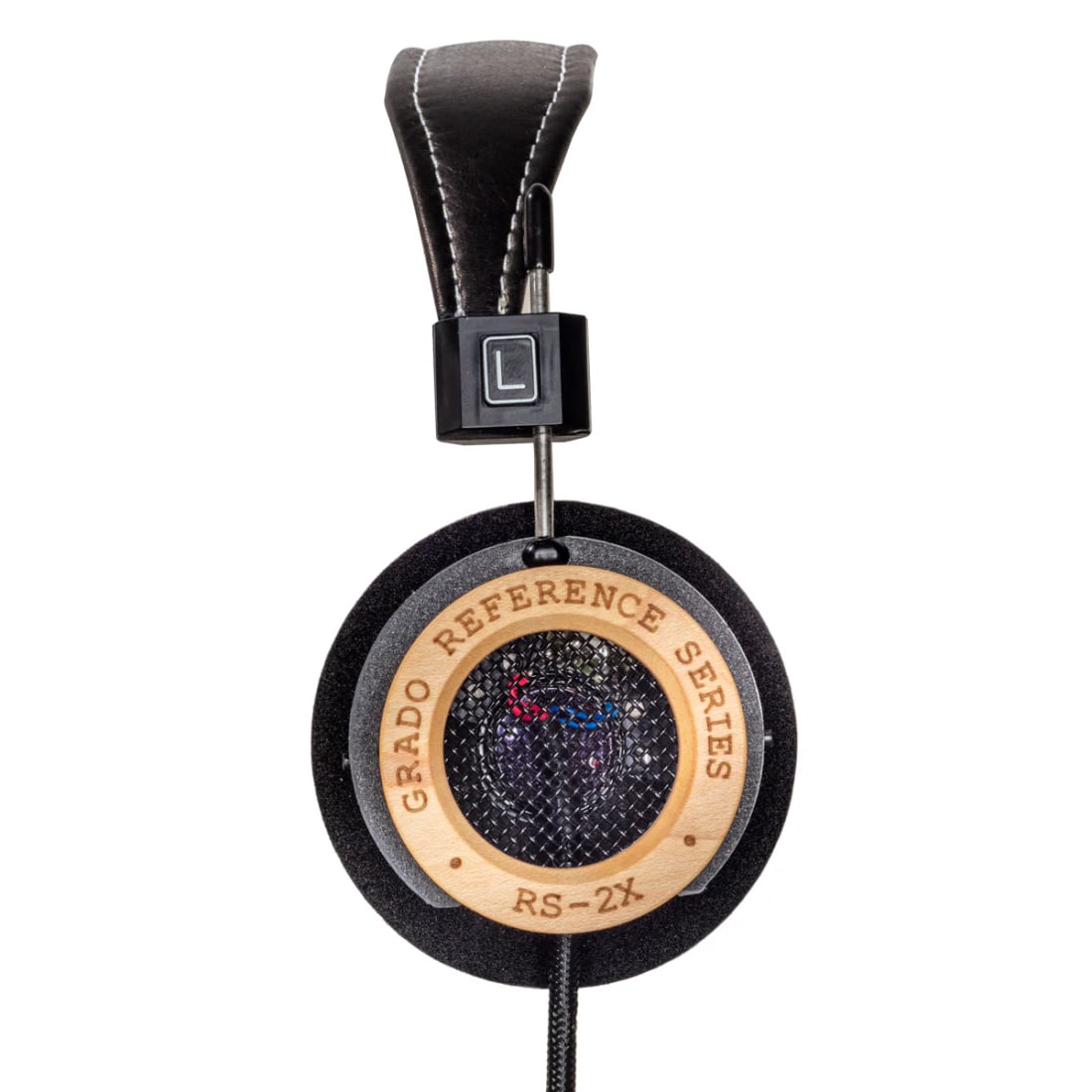 Dongle DAC power limits: when a phone can't drive headphonesDongle DACs are brilliant until they aren't. Here's how to work out whether your phone-and-dongle rig actually has the current to drive your headphones.
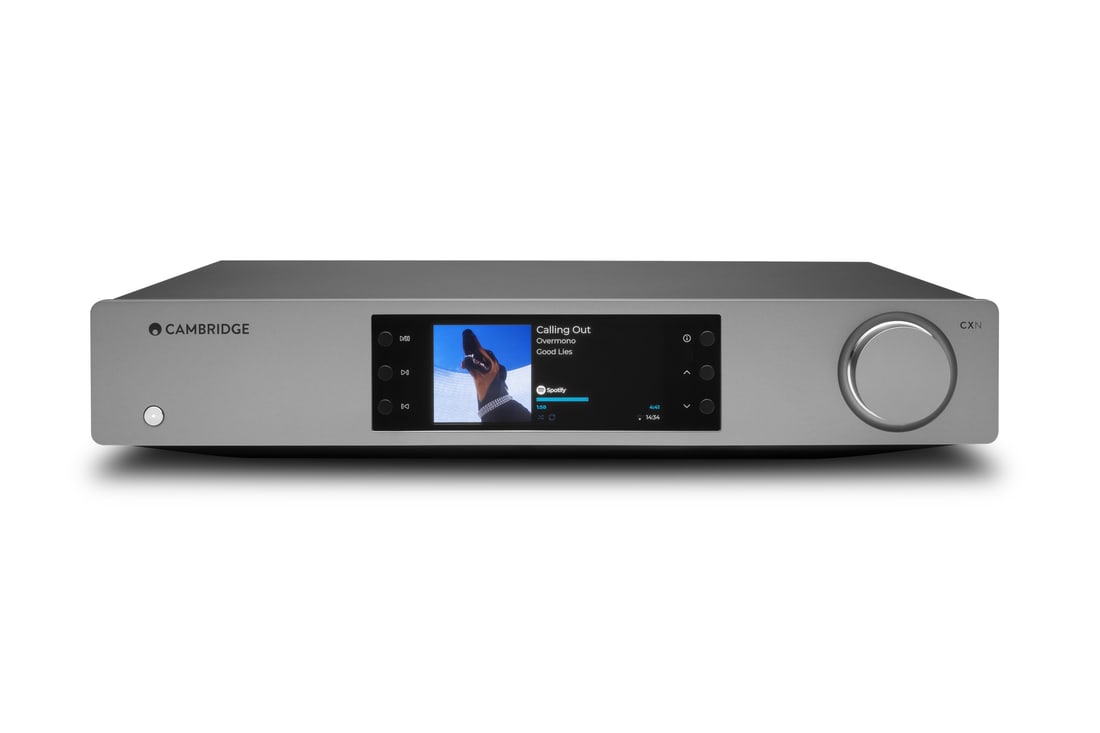 DNS and multiroom: why your streamer drops out at the worst timeMultiroom dropouts are rarely your Wi-Fi. Here's why DNS resolution quietly breaks streaming apps, and how to fix it for good.
- Parallel vs series IEM crossovers: why multi-driver in-ears sound so differentWhy do two IEMs with the same driver count sound nothing alike? The crossover topology is doing more work than the drivers themselves.
- Streaming a subwoofer's EQ filters: why your network player might be the bottleneckYour sub's miniDSP or app-based EQ can only act on a signal your streamer hasn't already mangled. Here's where network audio and bass management actually interact.
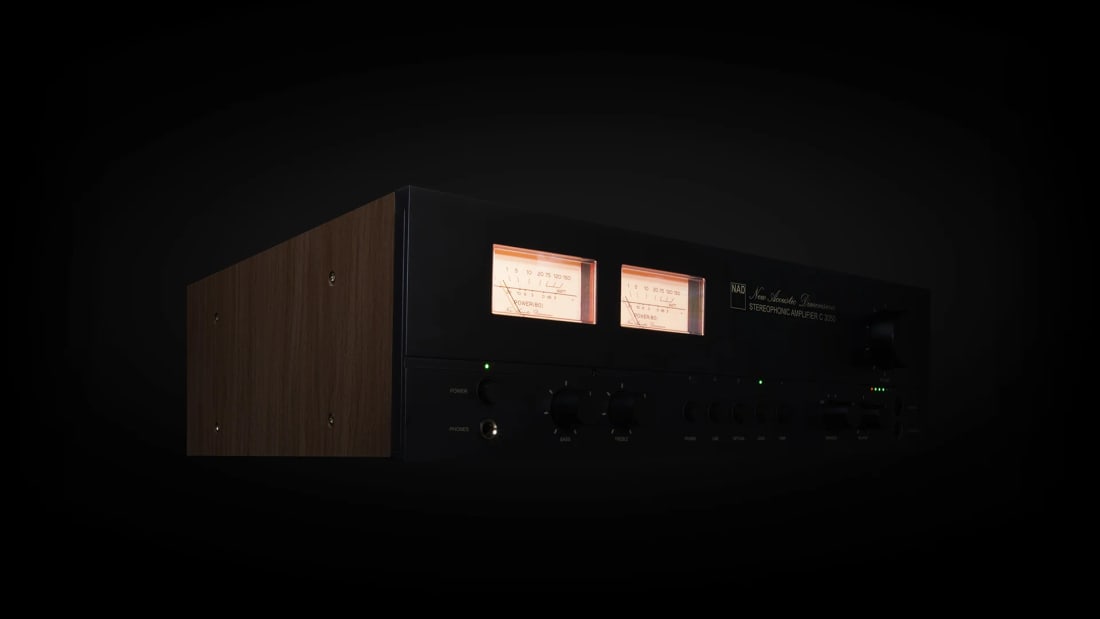 Amplifier gain structure: the setting that decides your noise floorGain mismatches between DAC, preamp and power stage quietly wreck dynamic range. Here's how to actually set gain structure instead of guessing at the volume knob.
 Bass management by the numbers: what your AVR's crossover and slope actually doCrossover frequency gets all the attention, but slope, distance settings and speaker size flags quietly decide whether your bass management works or fights itself.