Tagged: home cinema
60 articles we've published with this tag.
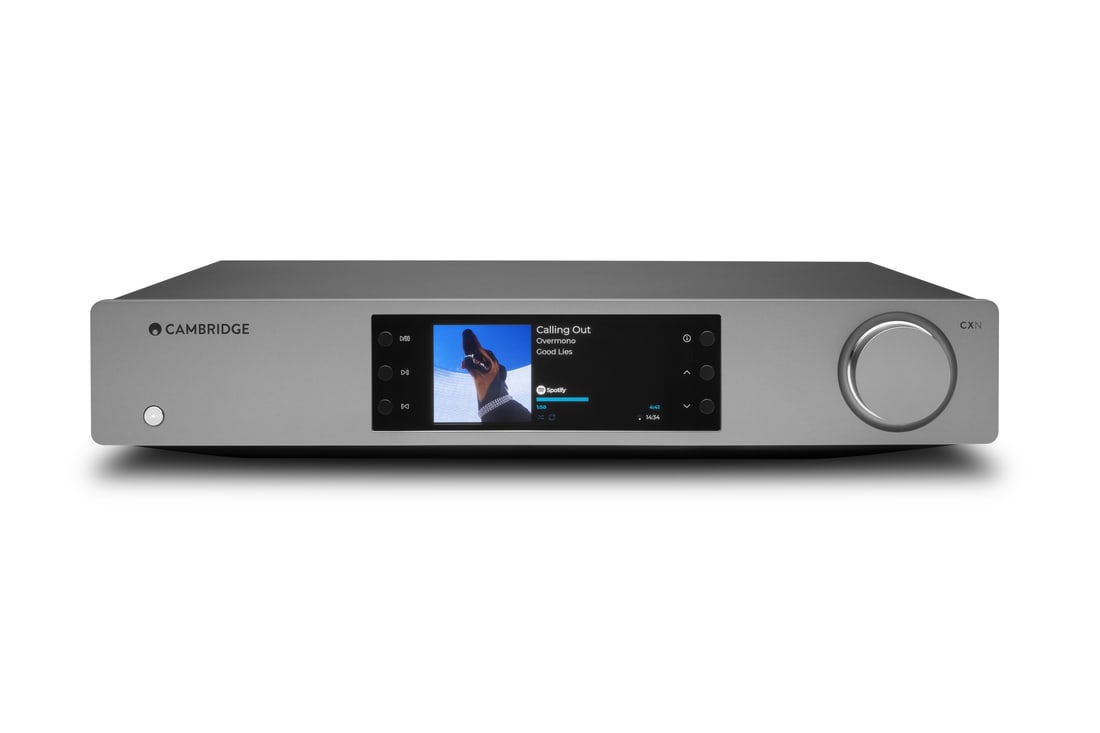 Guest Wi-Fi and audio: why visitor networks break multiroomGuest Wi-Fi networks isolate devices by design, which quietly breaks multiroom audio. Here's why it happens and how to fix it properly.By Jonno Fraser
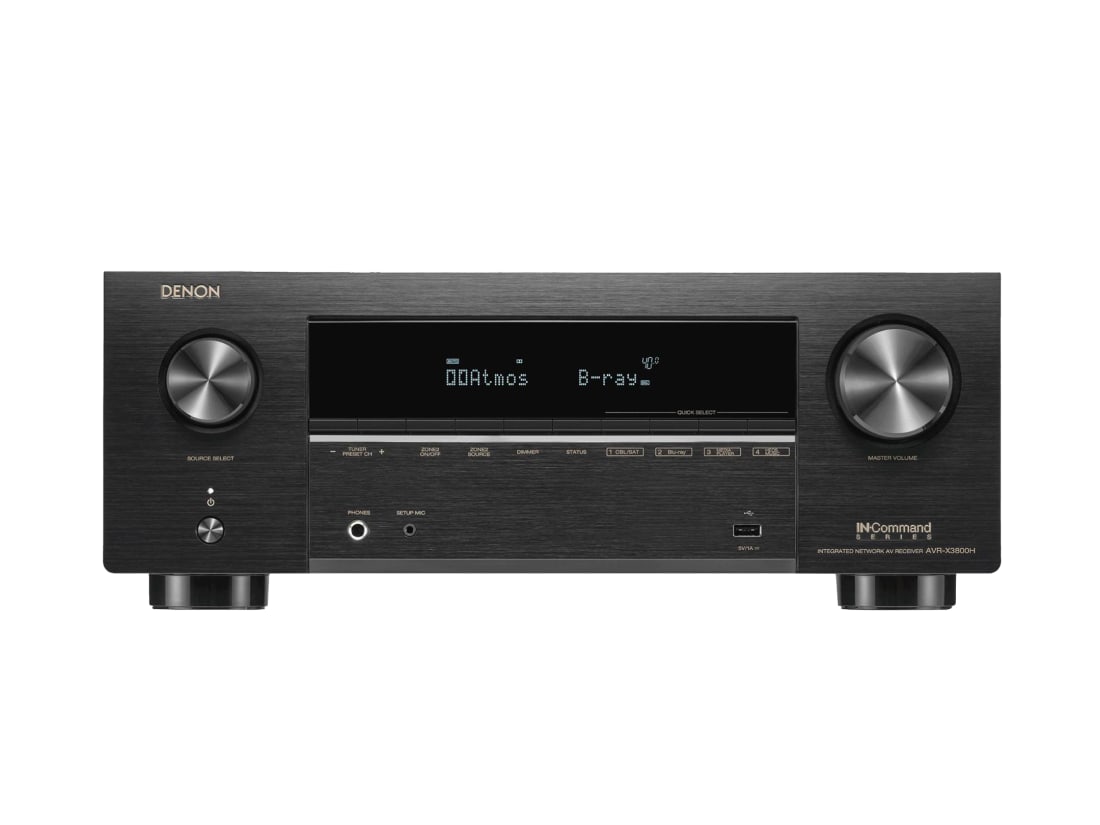 Why your AVR runs cool on music but throttles on AtmosAVR thermal throttling explained: why nine-channel Atmos mixes push receivers into protection mode that two-channel music never triggers.By Marcus Vale
 Infrasonic bass below 20Hz: chasing the octave you feel, not hearBelow 20Hz is infrasonic bass: felt more than heard. Here's what it takes to reproduce it properly, and whether a statement system should bother.By Sofia Laurent
- Ceiling speakers vs upfiring Atmos modules: what actually worksCeiling speakers vs upfiring Atmos modules compared for real rooms: when in-ceiling wins, when upfiring is the better call, and why.By Jonno Fraser
- 5.1.2 vs 7.1.4: the Atmos layout decision for real roomsChoosing between 5.1.2 and 7.1.4 Atmos layouts comes down to room shape and seating, not speaker count. Here's the giant-killer logic.By Dave Okafor
- Why your home cinema amp runs hotter on movies than musicFilm soundtracks push amplifier channels harder and longer than stereo music ever does. Here's why that matters for topology, power supplies and what actually fails.By Jonno Fraser
- Screen-wall speaker placement: building around a UST projector properlyUltra short throw projectors sit right where your centre channel wants to be. Here's how I actually solve that in real theatre builds, not in theory.By Jonno Fraser
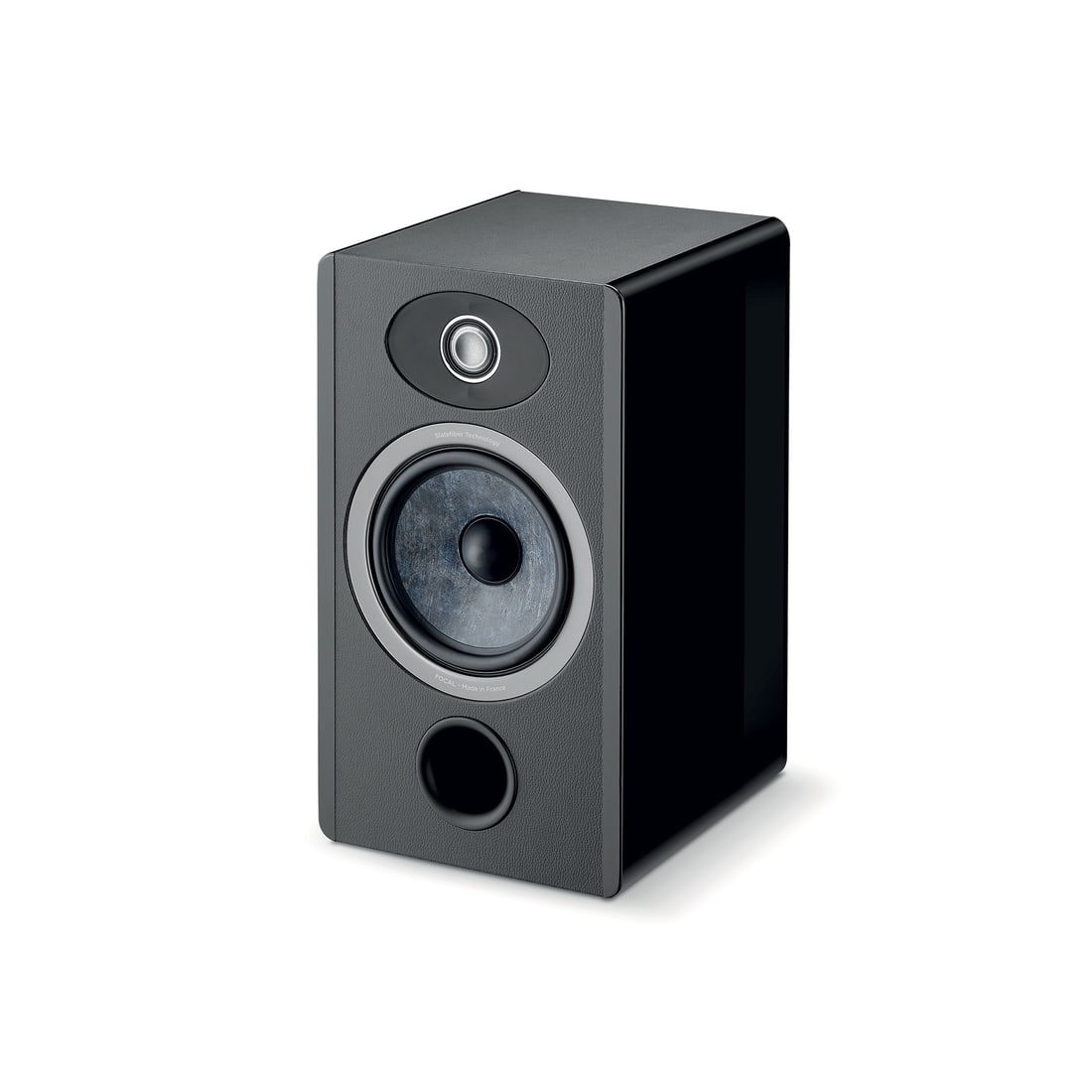 The giant-killer bass trick: buy two cheap subs, not one good oneA pair of budget subwoofers almost always beats one expensive one for smoother bass across your room. Here's the maths and the real-world setup.By Dave Okafor
- Bass management by the numbers: what your AVR's crossover and slope actually doCrossover frequency gets all the attention, but slope, distance settings and speaker size flags quietly decide whether your bass management works or fights itself.By Theo Mensah
- Buying a used sub over a new mini: the giant-killer bass moveA ten-year-old 12-inch sealed sub for $350 will out-punch most new mini subs. Here's how to buy secondhand bass without getting burned.By Dave Okafor
- Multiroom ecosystems compared: what actually happens when you leave the appSonos, AirPlay 2, Chromecast and open-standard multiroom all promise the same thing. Here's what breaks when you mix brands, rooms and speakers in a real Australian house.By Jonno Fraser
- Speaker layout beats channel count: the giant-killer Atmos roomMore Atmos channels won't fix a bad layout. Here's how to get a genuinely immersive theatre from five or seven speakers placed properly.By Dave Okafor
- Standmount or floorstander: matching the speaker to the room, not the egoBigger speakers don't automatically mean bigger sound. Here's how to actually match standmount vs floorstander to your room, your amp and your listening seat.By Jonno Fraser
- HDMI eARC and a separate DAC: your home cinema's digital compromiseRunning a separate DAC off HDMI eARC in a home theatre involves compromises most installers won't mention. Here's what actually happens to the signal.By Theo Mensah
- One sub or two: when a second subwoofer actually earns its keepAdding a second subwoofer isn't about more bass — it's about fixing the seat-to-seat mess a single sub can't. Here's how to tell if you need one.By Jonno Fraser
- AVR versus processor: when a home cinema actually needs to split the amps outAV receivers do almost everything a separate processor does, until they don't. Here's the honest line between "buy an AVR" and "go separates."By Eleanor Shaw
- Sealed versus ported subs in statement systems: why the maths changes at the topAt the reference end, sealed and ported subwoofer choices stop being about box size and start being about power, group delay and what the room will forgive.By Sofia Laurent
- Bass management over HDMI: why your AVR's sub output isn't "just a wire"Your AVR reroutes, filters and sums bass before it ever reaches the sub. Here's what's actually happening in that box, and where it quietly goes wrong.By Theo Mensah
- Budget AVR, real Atmos: building a giant-killer theatre for under $2500A proper 7.1.4 Atmos system doesn't need a $6000 processor. Here's how I'd spend $2500 on AVR, speakers and a sub to get 90% of the experience.By Dave Okafor
- Speaker footprint versus room footprint: matching size to the space, not the budgetBigger speakers don't mean bigger sound. Here's how to match cabinet volume, driver size and placement to your actual room, not your budget.By Jonno Fraser
- Used subwoofers: the giant-killer upgrade nobody talks aboutA ten-year-old sealed sub off Marketplace can beat a new budget box dollar for dollar. Here's how to buy one without getting burnt.By Dave Okafor
- Height channel placement: why most Atmos ceilings underperformMost Atmos ceiling speakers are angled or positioned wrong. Here's the geometry that actually delivers overhead sound, not just overhead noise.By Eleanor Shaw
- Multiroom volume mismatch: why zone two never sounds rightEvery multiroom install has a zone that never quite matches the others for loudness. Here's what actually causes it and the fixes that hold.By Jonno Fraser
- HDMI eARC and a separate DAC: why your home cinema digital source is a compromiseeARC is convenient but it's not neutral. Here's what actually happens to your two-channel sound when the AVR's HDMI board becomes your DAC.By Jonno Fraser
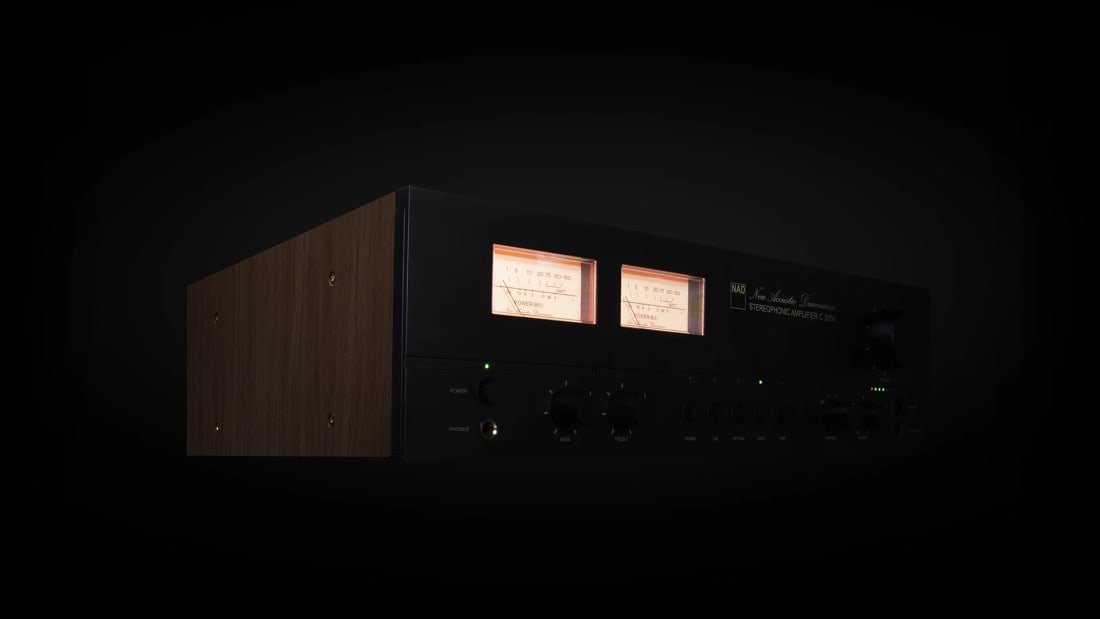 Damping factor and low-impedance speakers: when your amp actually strugglesDamping factor gets thrown around a lot, but it only matters in specific, measurable situations. Here's when it actually changes what you hear.By Jonno Fraser
 Why a home cinema installer ended up building a desktop headphone rigA CEDIA installer's take on desktop headphone rigs: why the room habits from cinema jobs apply at the desk, and where to actually spend.By Jonno Fraser
- Four subs, one room: why statement bass systems go multi-channelStatement systems rarely run one big sub. Here's why four smaller ones, individually managed, beat a single monster box every time.By Sofia Laurent
- One sub, two boxes: the cheapest bass upgrade nobody buys twiceA second budget subwoofer usually beats a bigger single one. Here's the maths, the placement trick and why I'd never buy a lone giant sub again.By Dave Okafor
- AVR or processor and separate amps: when a statement theatre needs bothAt what point does a home cinema outgrow a single AVR box? A look at when processor-plus-amplifier separates actually earn their keep.By Sofia Laurent
- Sealed vs ported subs in small rooms: why the "better" spec often losesPorted subs measure deeper and louder on paper. In a small, real Australian room, the sealed box often wins. Here's the acoustics behind why.By Hannah Reid
- Why I still won't put a record player in the theatre roomA vinyl obsessive explains why the turntable and the Atmos rig want different rooms, different furniture, and different evenings entirely.By Priya Anand
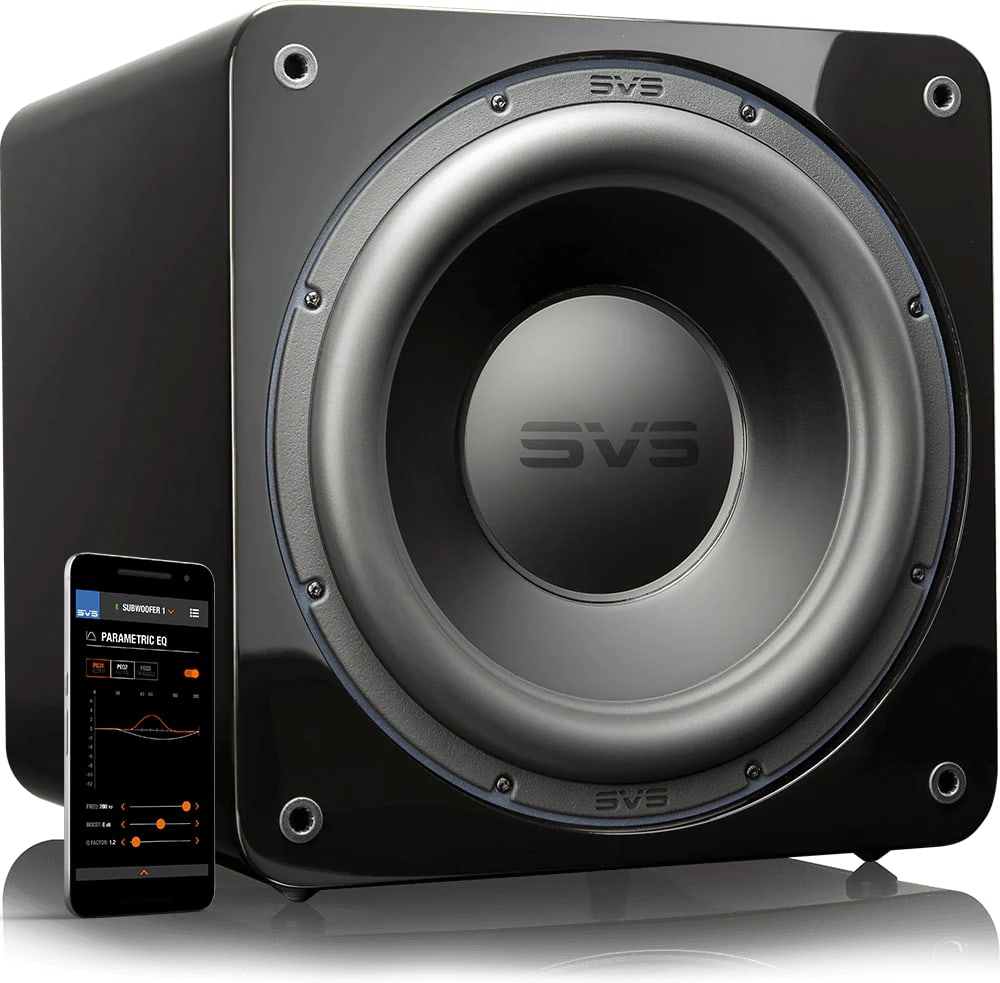
- Subwoofer output limiting: the setting that quietly ruins cheap subsMost budget subs sound worse the harder you push them because of built-in limiter behaviour, not the driver. Here's how to find the real ceiling.By Dave Okafor
- Turntable in the theatre room: why vinyl and Atmos rarely mix wellVinyl and a dedicated Atmos set-up can share a room, but rarely share a rack. Here's why, and what I'd actually do about it.By Priya Anand
- Subwoofer crawl vs measurement: how to actually find the right spotThe subwoofer crawl is a good starting point, not a finish line. Here's how I actually locate sub placement on real jobs, and when to trust the numbers instead.By Jonno Fraser
- Headphone listening rooms: why the space around your head still mattersHeadphones bypass room acoustics for the direct sound, but the room you sit in still shapes fatigue, focus and what you hear. Here's why.By Jonno Fraser
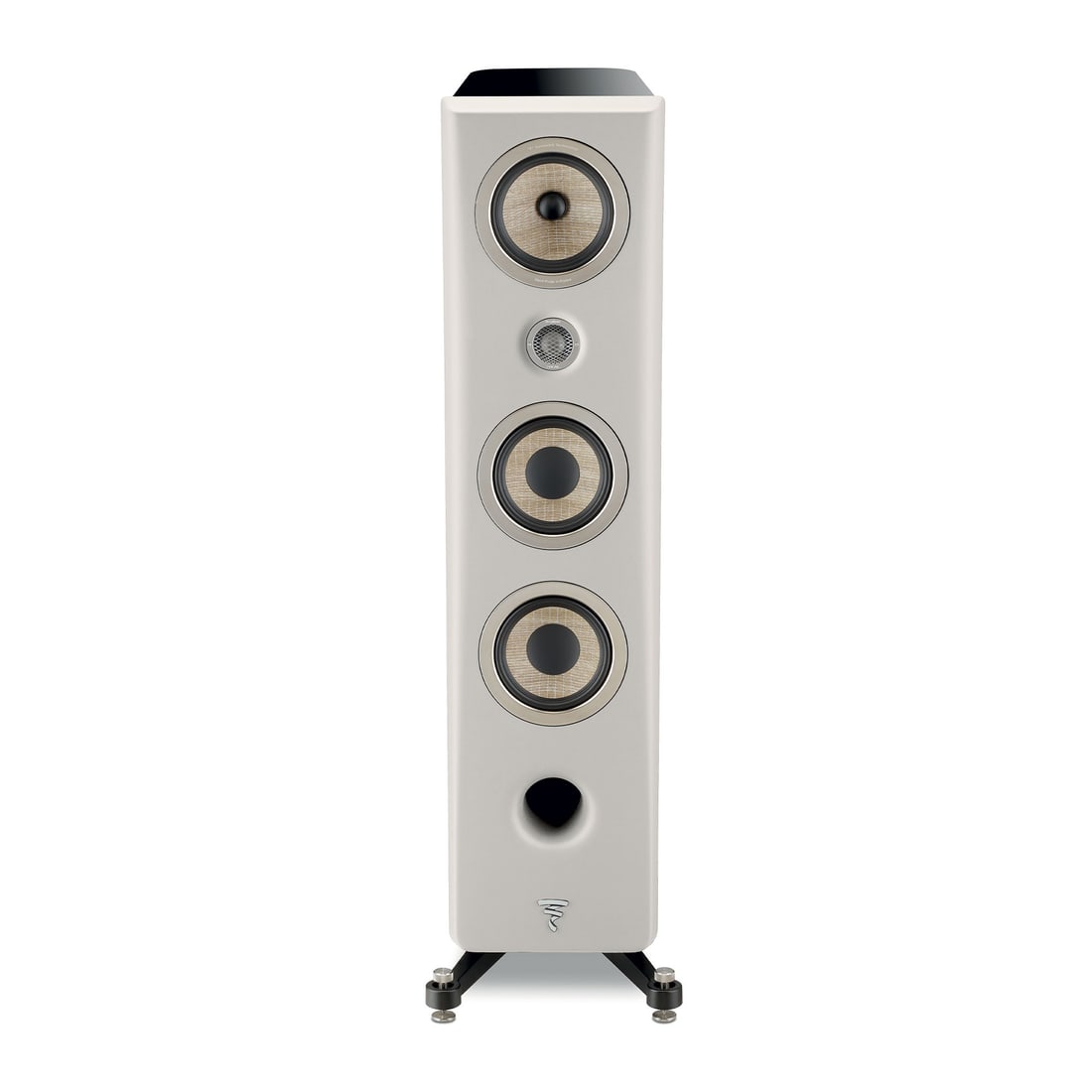 Speaker format by room: when standmounts beat floorstanders (and vice versa)Choosing between standmounts and floorstanders isn't about budget or looks. It's a room-shape and listening-distance decision, and I've watched it wreck good systems.By Jonno Fraser
 Atmos speaker placement: why height channels fail in most roomsMost Atmos height channels underperform because of placement, not gear. Here's how to actually get overhead sound working in a real room.By Hannah Reid
- Clock sources and jitter in home cinema: what actually mattersJitter gets blamed for everything from harsh treble to flat soundstages. Here's what clock sources actually do in an AV receiver and where the worry is misplaced.By Jonno Fraser
- One subwoofer or two: why a second sub fixes what EQ never willA second subwoofer often solves bass problems that EQ can't touch. Here's why multiple subs smooth response across a room, not just at one seat.By Eleanor Shaw
- Subwoofer DSP: how to use digital signal processing to fix your bassDSP can fix room-driven bass problems no amount of placement tweaking will solve. Theo Mensah explains what the tools actually do and how to use them without making things worse.By Theo Mensah
- Dolby Atmos object audio explained: what the spec actually does in your roomAtmos promises to place sound anywhere in three dimensions. Here's the engineering behind it — and where the format's limits actually are.By Theo Mensah
- Room modes explained: why your bass sounds wrong and how to fix itRoom modes cause boomy, uneven bass in almost every listening room. Jonno Fraser explains what they are, how to find them, and what actually fixes the problem.By Jonno Fraser
- Subwoofer integration: how to match level, phase and delay to your main speakersGetting a subwoofer to truly disappear into your system is harder than it looks. Here's how to dial in level, phase and time alignment so the bass sounds like it's coming from everywhere and nowhere.By Hannah Reid
- DAC output stages: what voltage, impedance and topology actually do to your soundThe DAC chip is only half the story. What the output stage does to that signal — and how it interacts with your amp — matters just as much.By Jonno Fraser
- Subwoofer crossover settings: what the numbers actually meanCrossover frequency, slope, and phase — Marcus Vale cuts through the confusion with measurement-backed advice on dialling in your subwoofer correctly.By Marcus Vale
- Clock sources and jitter in home cinema: what actually matters for AV digital audioJitter, clocking and word-clock inputs: do they matter in a home cinema system, or is it audiophile folklore? Jonno Fraser cuts through the noise.By Jonno Fraser
- Subwoofer bass equalisation: when and how to use DSP to fix problem bassRoom modes wreck bass regardless of placement. Here's how to use DSP equalisation to actually fix the problem — and where it can't save you.By Theo Mensah
- Where to spend on cables, racks and power: what actually moves the needleCables, equipment racks and power conditioning: Jonno Fraser cuts through the folklore to explain where your dollars genuinely improve a home cinema or hi-fi system.By Jonno Fraser
- Subwoofer placement: how to find bass that actually works in a real roomGood bass isn't about buying a bigger sub — it's about where you put it. Priya Anand explains the practical art of subwoofer placement for real listening rooms.By Priya Anand
- Multiple subwoofers: why two (or four) subs beat one every timeRunning a single subwoofer is leaving bass performance on the table. Sofia Laurent explains the acoustic case for multiple subs — and how to do it properly.By Sofia Laurent
- Sealed vs ported subwoofers: which design actually suits your room?Sealed and ported subwoofers behave very differently in a real room. Here's how to choose the right design before you spend a cent.By Eleanor Shaw
- Projector screen gain and acoustics: how to choose a screen that works with your speakersScreen gain, acoustic transparency, and placement aren't independent decisions. Here's how to choose a projector screen that works with your speakers, not against them.By Priya Anand
- Bass management explained: how to integrate a subwoofer with any systemCrossed over wrong, a subwoofer makes everything worse. Theo Mensah breaks down bass management, crossover settings and placement so your sub actually locks in.By Theo Mensah
- How to calibrate your home cinema with Dirac Live, Audyssey or YPAODirac Live, Audyssey MultEQ XT32 and Yamaha YPAO all promise to fix your room — but each works differently. Here's how to get the best from whichever system you have.By Priya Anand
- AVR vs AV processor: which should power your home cinema?AVR vs AV processor: both decode Atmos, but the engineering tradeoffs are real. Marcus Vale explains what the measurements tell you about each path.By Marcus Vale
- Atmos speaker placement: position every channel correctlyAtmos speaker placement made simple: angles, heights and trade-offs for every channel, from the LCR front stage to overhead speakers in a real home cinema.By Jonno Fraser
 dCS breaks from stereo with the 16-channel MCD 16 Ring DACdCS debuts its first multichannel DAC at High End Vienna 2026: eight stereo Ring DAC implementations, discrete Class A outputs and 16 channels.By Theo Mensah
 AWOL Vision Aetherion Max and Pro: A UST Projector ChallengeThe AWOL Vision Aetherion Max and Pro bring tri-laser DLP, Dolby Vision Gaming and 240Hz to the UST fight. Here is what Australian buyers should know.By Jonno Fraser
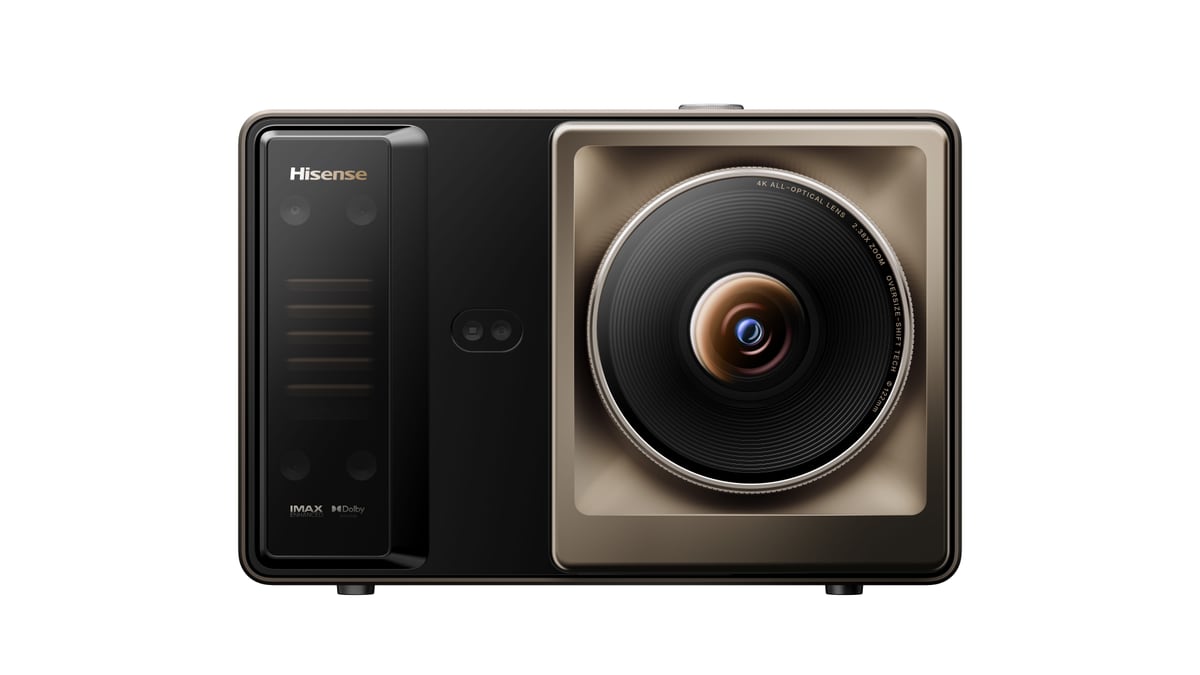 Hisense XR10 and PX4-Pro: 6,000-lumen tri-laser at CES 2026The Hisense XR10 long-throw and PX4-Pro UST arrived at CES 2026 with TriChroma RGB laser tech and LPU 3.0. Here is what Australian buyers need to know.By Jonno Fraser
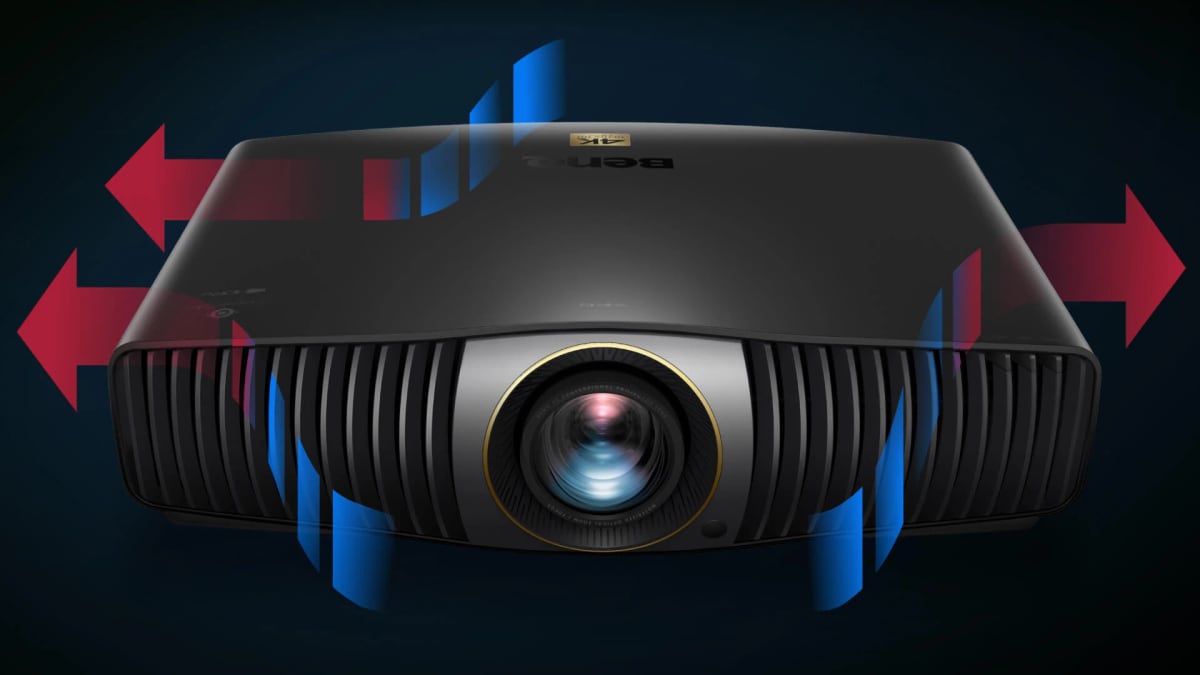 BenQ W5850 Review: Laser Phosphor 4K for Cinema RoomsThe BenQ W5850 adds laser phosphor to the W5800 formula at US$6,999. Is the step up worth it for serious Australian cinema rooms? Our verdict.By Jonno Fraser