Speaker format by room: when standmounts beat floorstanders (and vice versa)
I was in a client's place off Latrobe Terrace in Paddington a few months back, sorting out a system that had never sounded right. Nice pair of floorstanders, decent amp, careful cabling. The bloke had done everything the forums told him to do. Problem was the room: a narrow Queenslander lounge maybe 3.2 metres wide, speakers jammed close to the side walls because that's where the walls were. Big towers in a tight room, and the bass was a mess of boom and suck-out depending on where you sat. We pulled the floorstanders, dropped in a pair of standmounts on proper stands, and the room finally worked. Same amp, same cables, same listening chair. The only thing that changed was the box.
That's the conversation nobody has before they buy. Everyone wants to talk drivers, crossover points, sensitivity ratings — all worth knowing, and I've covered crossover integration elsewhere. But the format decision, standmount versus floorstander, gets made on room dimensions and listening distance long before any of that matters. Get the format wrong for the room and no amount of downstream tweaking fixes it.
Why room width decides more than you'd think
Floorstanders need lateral space to breathe. Not because the cabinet is physically bigger — though it is — but because the bass drivers are usually positioned lower and closer to boundary surfaces, and a wide baffle interacts more aggressively with nearby side walls. In a room under about 3.5 metres wide, a floorstander often ends up pulled in so close to a side wall that you get early reflections smearing the stereo image, plus reinforced bass modes that a standmount, pulled further off the wall on a stand, would simply avoid.
I'd argue this is the single most under-discussed spec in the entire hobby: room width in metres, not speaker size. A pair of large floorstanders in a 4-metre-wide room can sound glorious. The same pair in a 3-metre room usually sounds congested no matter what you do to the electronics. Standmounts, by contrast, have a smaller footprint and — critically — you get to place them on stands wherever the room geometry actually wants them, rather than wherever the cabinet's own floor-standing base dictates.
Listening distance and the driver integration problem
Floorstanders with three-way designs, or with widely separated woofer and tweeter, need distance for the drivers to integrate acoustically. Sit too close to a big three-way tower and you can actually hear the crossover working, a slight seam between where the mid-bass driver hands off to the tweeter. In a near-field setup, under about 2.2 metres, this is a real problem. Standmounts, with their more compact driver arrays and shorter path-length differences, integrate properly at closer distances. That's exactly why so many small studios and desktop-adjacent listening rooms default to standmounts rather than towers.
If your seating distance is inside 2.5 metres, I'd steer you towards a standmount nearly every time, regardless of budget. Something like the KEF LS50 Meta (check price) or the Bowers & Wilkins 705 S3 (check price) will integrate cleanly at close range in a way a floorstander of similar price simply won't. Push that distance out past 3.5 to 4 metres and the calculus flips: you need the extra cone area and cabinet volume of a floorstander to fill the room and maintain dynamics without the amp working overtime.
The stand isn't optional — it's part of the speaker
This is the bit that gets skipped constantly, and it drives me spare. A standmount speaker's published specs, frequency response, sensitivity, the lot, are measured with the cabinet decoupled and correctly elevated. Sit that same speaker on a low bookshelf, or on stands that are hollow and ringing, and you've changed the speaker. I've written a whole piece on why the support matters as much as the speaker because I see this mistake in almost every second install I walk into. Mass-loaded, rigid stands at the correct height for your tweeter to sit at ear level, that's not a nice-to-have, it's part of the design brief the engineers assumed you'd meet.
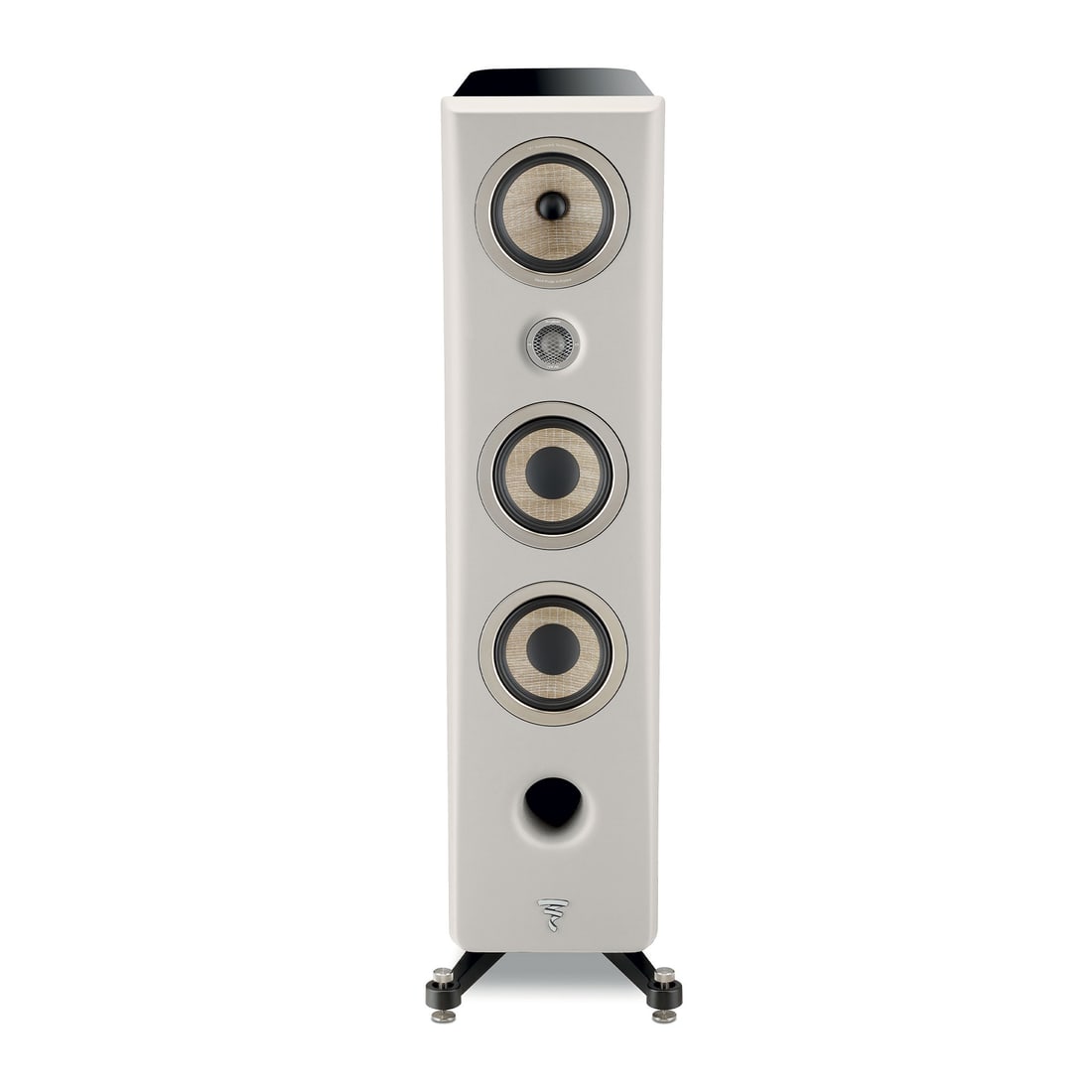
Floorstanders sidestep this problem by definition, their plinth and spikes are engineered in from the factory. That's actually one of the genuine, unglamorous advantages of the format: less for the owner to get wrong. A floorstander like the Focal Kanta No.2 (check price) arrives with its coupling largely sorted. A standmount is only half a speaker until you've sorted the other half.
Bass extension versus bass control
Floorstanders generally win on raw low-frequency extension, more cone area, bigger enclosure, sometimes a dedicated down-firing or rear-firing port doing real work below 40Hz. But extension isn't the same as control. In small-to-medium rooms, unsupported deep bass from a floorstander often excites room modes that a standmount, naturally rolling off earlier, never wakes up. I've measured this dozens of times with a calibrated mic: a floorstander in a 3.6 x 4.2 metre room throwing out a 6-8dB peak around 55Hz that a comparable standmount simply doesn't provoke, because it isn't putting meaningful energy down there to begin with.
The honest fix in a lot of these rooms isn't a bigger floorstander at all, it's a good standmount plus a subwoofer, because now you've got a device engineered specifically for low-frequency reproduction, positioned and equalised for the room, rather than a full-range speaker fighting the space it's been dropped into. I go through the mechanics properly in subwoofer integration, but the short version is: a well-integrated 2.1 standmount system will usually out-perform a mid-tier floorstander in a difficult room, and cost about the same.
Amplifier matching changes with format too
Standmounts tend to run lower sensitivity, commonly somewhere in the 84-87dB range, versus floorstanders which often sit a few dB higher thanks to greater cone area and cabinet volume. That's not a trivial difference. A standmount pairing well below 86dB sensitivity into a modest 50-watt integrated amp can sound thin and dynamically constrained at real listening levels, whereas the same amp might drive an 89-90dB floorstander with ease. I've set this out in more detail in the piece on why floorstander size can betray you in small rooms, but the amplifier side of the equation deserves its own mention here: don't assume "bigger speaker needs bigger amp." Often it's the smaller, less sensitive standmount that actually wants the more powerful amplifier to sing properly. Something like a McIntosh MA352 (check price) or Marantz Model 40n (check price) has the current delivery to make a lower-sensitivity standmount properly dynamic, where a lighter-weight integrated might leave it sounding polite and compressed.
Where the room genuinely calls for a floorstander
I don't want to sound like a standmount evangelist here, because I'm not, this is entirely situational. In a proper media room or dedicated home cinema, especially one built to the sort of spec I cover in building a home cinema, floorstanders as the front left/right pair are usually the right call. You've got the width, you need the dynamic headroom for film soundtracks, and the extra bass extension takes pressure off the subwoofer for music-only listening. A 4.5-metre-wide room with seating 3.5 metres back is squarely floorstander territory, and something like the Focal Kanta No.2 or a well-set-up pair of larger towers will do things a standmount physically can't, mainly in scale and dynamic ease at higher output.
Open-plan living rooms are trickier. They're often wide enough on paper but acoustically leaky, with a kitchen bleeding into one side and a hallway into the other. In those rooms I've had more success with standmounts on stands pulled well into the room, away from the boundary chaos, than with floorstanders anchored to a wall that's doing three different jobs acoustically.
A quick way to decide before you spend anything
Measure your room width and your primary listening distance before you look at a single speaker. Under 3.5 metres wide, or listening distance under 2.5 metres, lean standmount and budget properly for stands. Over 4 metres wide with distance past 3 metres, a floorstander starts to make real sense, particularly if you also want it doing double duty for film. In the middle ground, and most Australian living rooms sit right in that middle ground, it genuinely comes down to whether you're willing to add a subwoofer. If yes, standmount plus sub almost always wins on tonal accuracy per dollar. If you want one box that does everything without extra plumbing, a well-chosen floorstander earns its keep.
None of this is snake oil, it's basic room acoustics and the reason two people can buy the exact same speaker and get wildly different results. The box matters. The room, as I never tire of saying, matters more.
FAQs
Common questions
- Is there a hard rule for room size versus speaker format?
- Not a hard rule, but a useful guide: under 3.5 metres wide or listening distance under 2.5 metres, lean standmount. Over 4 metres wide with more distance, floorstanders start making sense. Everything in between depends on whether you're happy adding a subwoofer.
- Can I just use a floorstander closer to the wall to save space?
- You can, but you'll usually get reinforced bass and a smeared image from early reflections off the side wall. If space is genuinely tight, a standmount pulled onto proper stands away from boundaries will usually outperform a floorstander crammed into the same footprint.
- Do standmounts always need a subwoofer?
- Not always, but in small-to-medium rooms a good standmount plus a well-integrated sub often beats a similarly priced floorstander on overall tonal accuracy, because the sub is purpose-built for low frequencies and can be positioned and equalised independently of the main speakers.
- Does stand quality really make an audible difference?
- Yes. A standmount's published performance assumes it's rigidly coupled and elevated correctly. Cheap, hollow or under-height stands change the bass loading and can introduce resonances that aren't present in the manufacturer's own measurements.

G'day, Jonno here. I spent the better part of twelve years as a custom installer building theatres — everything from a media room squeezed into a Queenslander to a fully blacked-out, acoustically-treated cinema with a hundred grand of gear behind the screen. The thing nobody tells you is that the room matters more than the boxes, and I'll bang on about acoustics until you're sick of me. If you're planning a theatre, talk to me before you spend a cent on speakers.
Ex CEDIA-trained installer; dedicated-theatre and Atmos specialist
More from Jonno Fraser
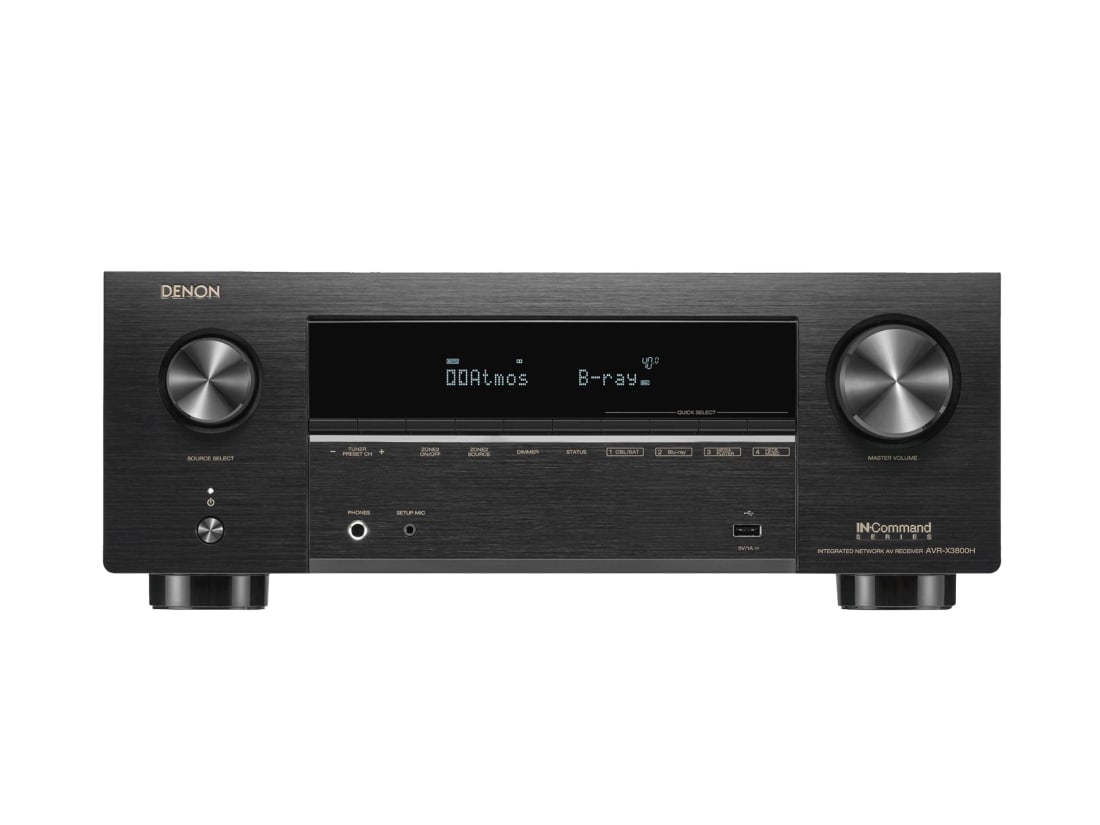 Building a home cinema budget: the spending order that actually pays offWhere to put the first dollar in a home cinema build, and why most people spend it on the wrong box first. A spending order from twelve years of installs.
 Desktop headphone setups: getting the desk itself right firstBefore you chase another DAC or amp, sort the desk. Reflections, cable strain and monitor height quietly wreck more desktop headphone rigs than gear ever does.
- Open-back headphones and a shared house: when the leak actually mattersOpen-back headphones leak sound both ways. Here's how much, when it genuinely matters in a share house or apartment, and when it's a non-issue.
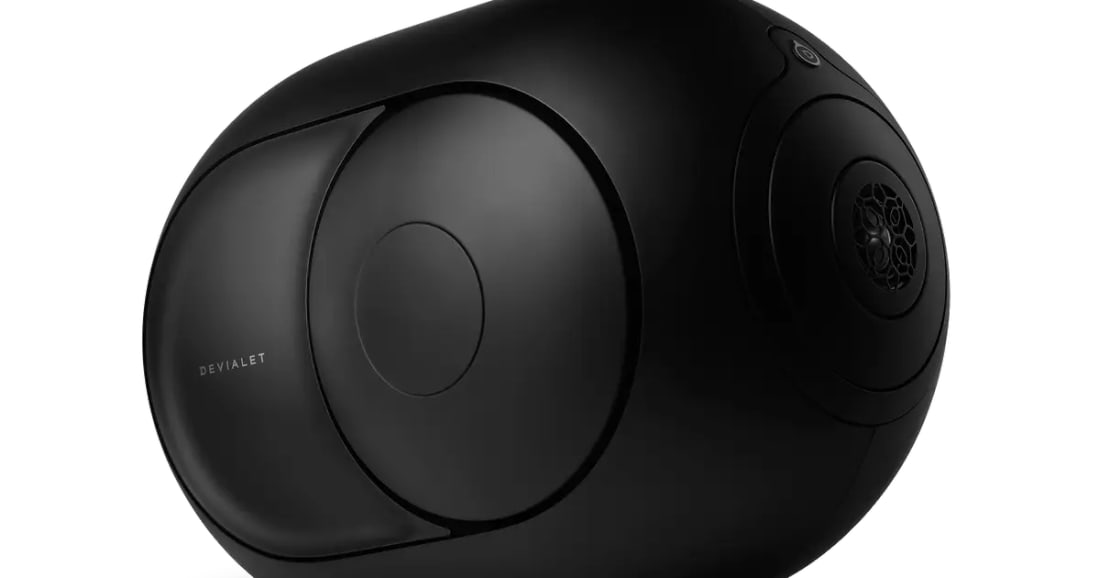 Subwoofer crawl vs measurement: how to actually find the right spotThe subwoofer crawl is a good starting point, not a finish line. Here's how I actually locate sub placement on real jobs, and when to trust the numbers instead.
- Headphone listening rooms: why the space around your head still mattersHeadphones bypass room acoustics for the direct sound, but the room you sit in still shapes fatigue, focus and what you hear. Here's why.
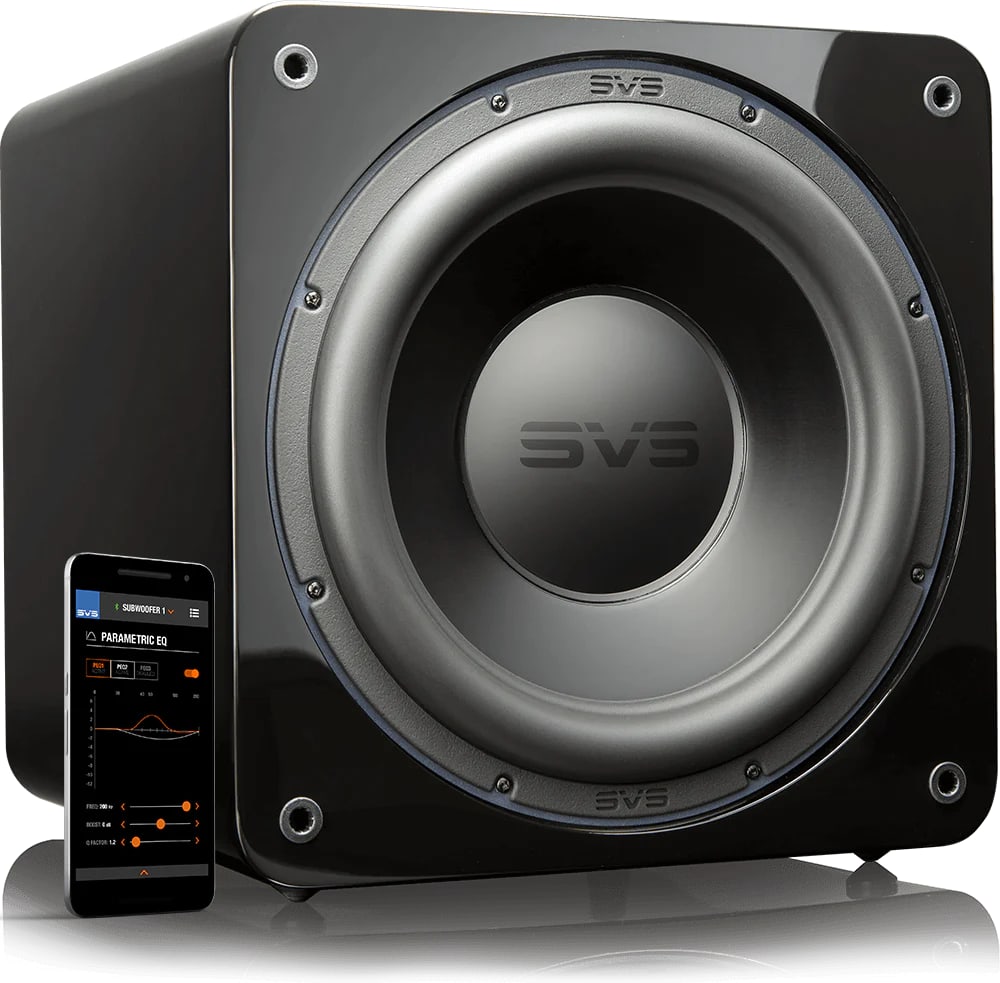 Clock sources and jitter in home cinema: what actually mattersJitter gets blamed for everything from harsh treble to flat soundstages. Here's what clock sources actually do in an AV receiver and where the worry is misplaced.