Tagged: room acoustics
53 articles we've published with this tag.
 Why your headphone chair and desk still need bass trappingClosed headphones don't escape room modes. Here's why bass trapping near your desk changes what you feel through the chair and the leakage you hear.By Eleanor Shaw
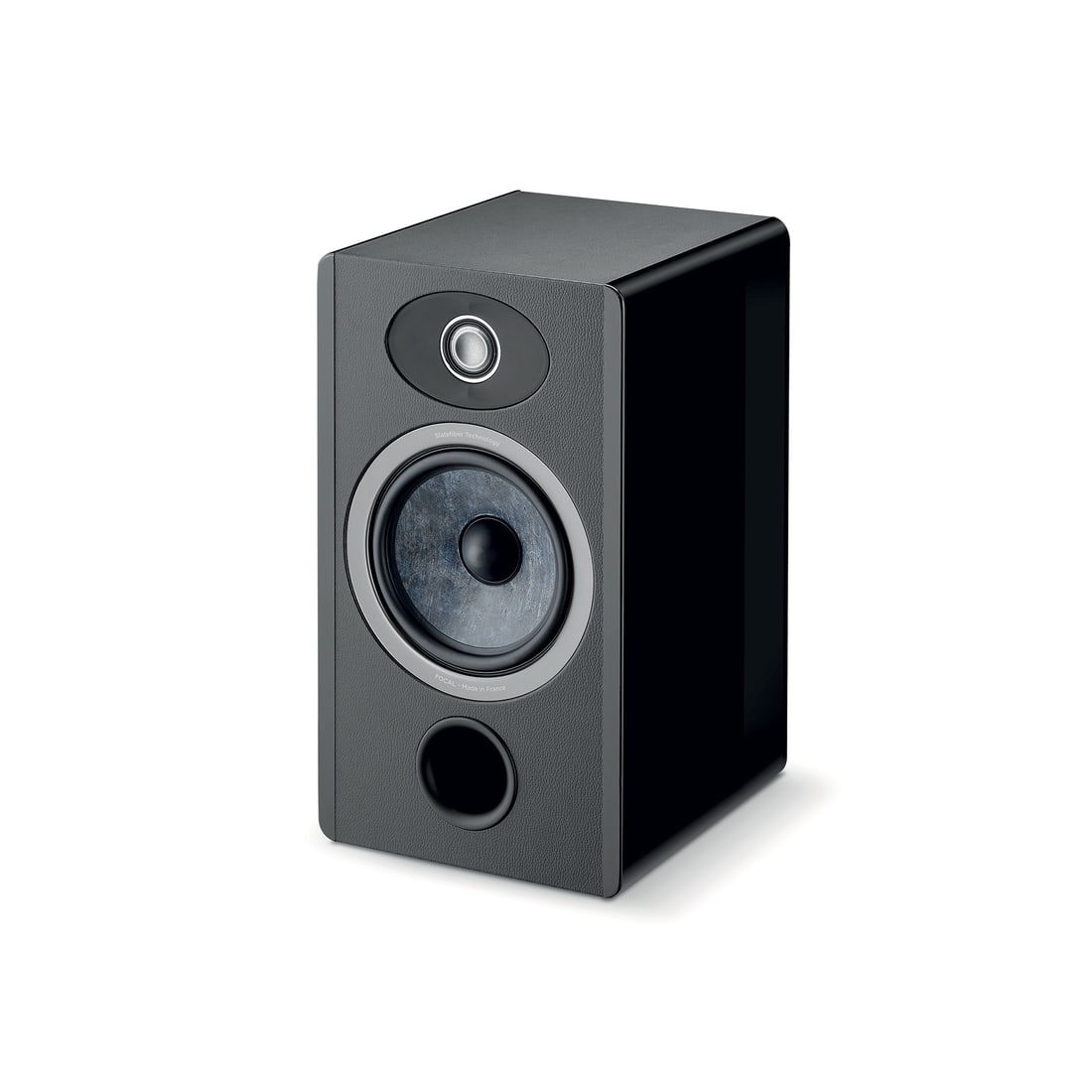 Rear-port floorstanders near a glass wall: a risky pairingRear-ported floorstanders against glass walls cause boundary reinforcement and reflections. Here's how to place, measure and tune them properly.By Sofia Laurent
- Infrasonic bass below 20Hz: chasing the octave you feel, not hearBelow 20Hz is infrasonic bass: felt more than heard. Here's what it takes to reproduce it properly, and whether a statement system should bother.By Sofia Laurent
- Flutter echo: the room fault that sounds like nothing's wrongFlutter echo blurs detail in parallel-wall rooms without obvious boom. Here's how to find it cheaply and kill it without over-treating.By Dave Okafor
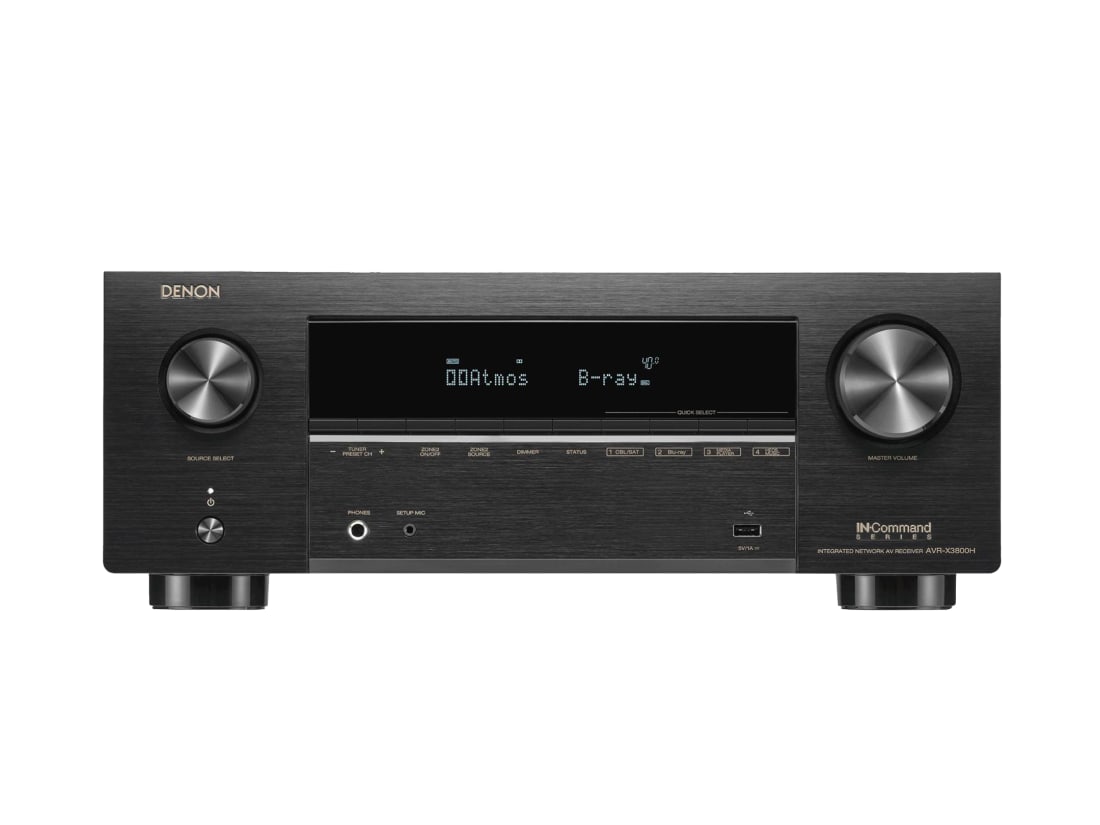 Subwoofer delay settings: why your AVR's number is a guessAVR auto-calibration estimates subwoofer delay from distance, not timing. Here's how to measure and correct it properly for tighter bass.By Marcus Vale
- Why a statement floorstander can be the wrong speaker in the roomSix-figure floorstanders fail in rooms that were never built for them. Here's how to tell if your space can actually support one before you buy.By Sofia Laurent
- Diffusion in statement rooms: when scattering sound beats absorbing itIn a statement room, piling on absorption kills the air around the music. Here's when diffusion is the better tool, and where I've seen it misused.By Sofia Laurent
- Subwoofer group delay: the spec that explains "boomy but late" bassGroup delay is why some subs sound thick and slow at the crossover point even when the frequency response measures flat. Here's what it actually is.By Marcus Vale
 Headphone isolation vs room noise: why your desk setup fights youOpen-back headphones and a noisy home office don't mix. Here's how to actually diagnose room noise before you blame the gear.By Jonno Fraser
- Toe-in and rake: the free speaker tuning most owners never touchToe-in angle and cabinet rake cost nothing but change tonal balance and imaging more than most upgrades. Here's how I set both on site.By Jonno Fraser
- Standmount or floorstander: matching the speaker to the room, not the egoBigger speakers don't automatically mean bigger sound. Here's how to actually match standmount vs floorstander to your room, your amp and your listening seat.By Jonno Fraser
- One sub or two: when a second subwoofer actually earns its keepAdding a second subwoofer isn't about more bass — it's about fixing the seat-to-seat mess a single sub can't. Here's how to tell if you need one.By Jonno Fraser
- Bass traps: how many you actually need, and where they go wrongMost bass trap purchases are undersized or misplaced. Here's the measurement-based case for how many you need and where they actually work.By Marcus Vale
- First reflections: finding them, and what to actually do about themThe mirror trick still finds first reflection points better than any app. Here's how to locate them and what treatment actually earns its keep.By Hannah Reid
- Subwoofer phase and delay: the setting that decides if your sub actually adds bassPhase and delay settings decide whether a subwoofer reinforces your mains or cancels them. Here's how to set both properly, with or without a measurement mic.By Marcus Vale
- Speaker footprint versus room footprint: matching size to the space, not the budgetBigger speakers don't mean bigger sound. Here's how to match cabinet volume, driver size and placement to your actual room, not your budget.By Jonno Fraser
- Subwoofer placement: the crawl test still beats any appRoom-correction apps are handy, but the old carpet-crawl method still finds the seat-by-seat bass problems software glosses over.By Hannah Reid
- Toe-in angles: the free speaker tweak most people set once and forgetToe-in changes tonal balance, imaging and soundstage width more than most cable or component upgrades. Here's how to actually dial it in by ear.By Eleanor Shaw
- When two standmounts beat one floorstander (and when they don't)Doubling up on standmounts instead of buying a floorstander can beat it on bass and imaging, but only if your room and budget line up. Here's the real trade-off.By Sofia Laurent
- Statement rooms and the treatment budget nobody wants to spendOn six-figure systems the room is still the weakest link. Here's how much of the budget acoustic treatment should actually get, and why owners resist it.By Sofia Laurent
- Speaker height and ear level: the measurement everyone skipsTweeter-to-ear alignment shapes tonal balance more than most upgrades. Here's how to measure it properly for standmounts and floorstanders alike.By Eleanor Shaw
- Corner bass traps: how many you actually need before diminishing returns kick inTwo traps help, four help more, but the eighth one rarely does much. Here's how to work out where your room's bass treatment budget stops paying off.By Hannah Reid
- Rear-wall distance: the standmount spec nobody puts on the boxStandmount bass depends on how far the cabinet sits from the wall behind it, not just the drivers inside it. Here's how to actually find the right distance.By Hannah Reid
- Room correction versus room treatment: what DSP can't fixRoom correction software can flatten a frequency response, but it can't fix decay, timing or a bad first reflection. Here's where the line actually sits.By Sofia Laurent
- One sub, two boxes: the cheapest bass upgrade nobody buys twiceA second budget subwoofer usually beats a bigger single one. Here's the maths, the placement trick and why I'd never buy a lone giant sub again.By Dave Okafor
- When a floorstander is actually the wrong upgradeBigger boxes aren't always the better statement. Why a serious pair of standmounts on the right stands can beat a floorstander in the wrong room.By Sofia Laurent
- The subwoofer crossover setting most people leave wrongYour AVR's 80Hz default isn't a law of physics. Here's how the subwoofer crossover frequency actually works, and why the wrong one wrecks integration.By Hannah Reid
- Sealed vs ported subs in small rooms: why the "better" spec often losesPorted subs measure deeper and louder on paper. In a small, real Australian room, the sealed box often wins. Here's the acoustics behind why.By Hannah Reid
- Turntable and subwoofer in the same room? Here's how to stop the feedback loopA subwoofer and a turntable sharing a room can turn a great pressing into mud. Here's how to place both so bass and vinyl actually get along.By Priya Anand
- First reflections: finding them with a mirror before you buy any panelsBefore you spend a cent on acoustic panels, find your actual first reflection points with a mirror and a torch. Here's the method, and why it beats guessing.By Marcus Vale
- Turntable in the theatre room: why vinyl and Atmos rarely mix wellVinyl and a dedicated Atmos set-up can share a room, but rarely share a rack. Here's why, and what I'd actually do about it.By Priya Anand
- Diffusion vs absorption: the treatment decision statement rooms get wrongSix-figure speakers, dead-flat frequency response, and a room that still sounds wrong. The fix is usually a diffusion problem, not an absorption one.By Sofia Laurent
- Standmounts near-field, floorstanders far: matching speaker format to listening distanceListening distance changes which speaker format actually works. Here's how near-field, mid-room and far-room seating should shape your standmount vs floorstander decision.By Eleanor Shaw
- Toe-in angle: the free speaker upgrade nobody bothers measuringToe-in angle changes your speakers' tonal balance and imaging more than most upgrades. Here's how to actually find the right angle for your room.By Hannah Reid
- Speaker stands and boundary distance: the invisible spec on your spec sheetStand height, mass and distance from walls change a standmount's measured bass and imaging more than most upgrades. Here's how to get it right.By Hannah Reid
- Bass trap placement: why corners aren't always the answerCorner bass traps are the default advice, but they don't fix every room mode. Here's how to actually find where your bass problems live before you buy foam.By Marcus Vale
- Why room correction can't fix your DAC, and your DAC can't fix your roomSplitting out what a DAC upgrade genuinely changes from what only acoustic treatment and correction software can fix, so you spend on the right layer first.By Hannah Reid
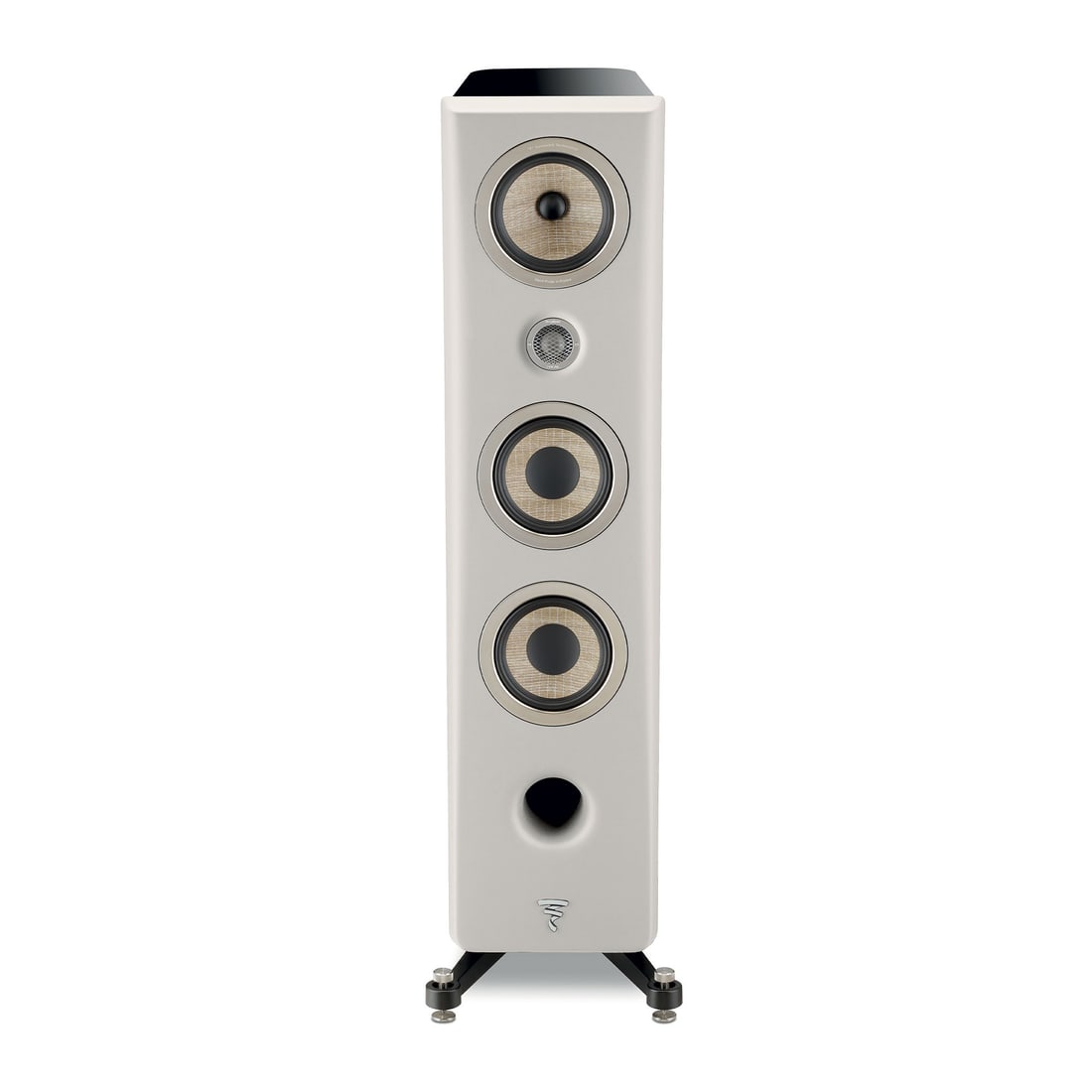 Speaker format by room: when standmounts beat floorstanders (and vice versa)Choosing between standmounts and floorstanders isn't about budget or looks. It's a room-shape and listening-distance decision, and I've watched it wreck good systems.By Jonno Fraser
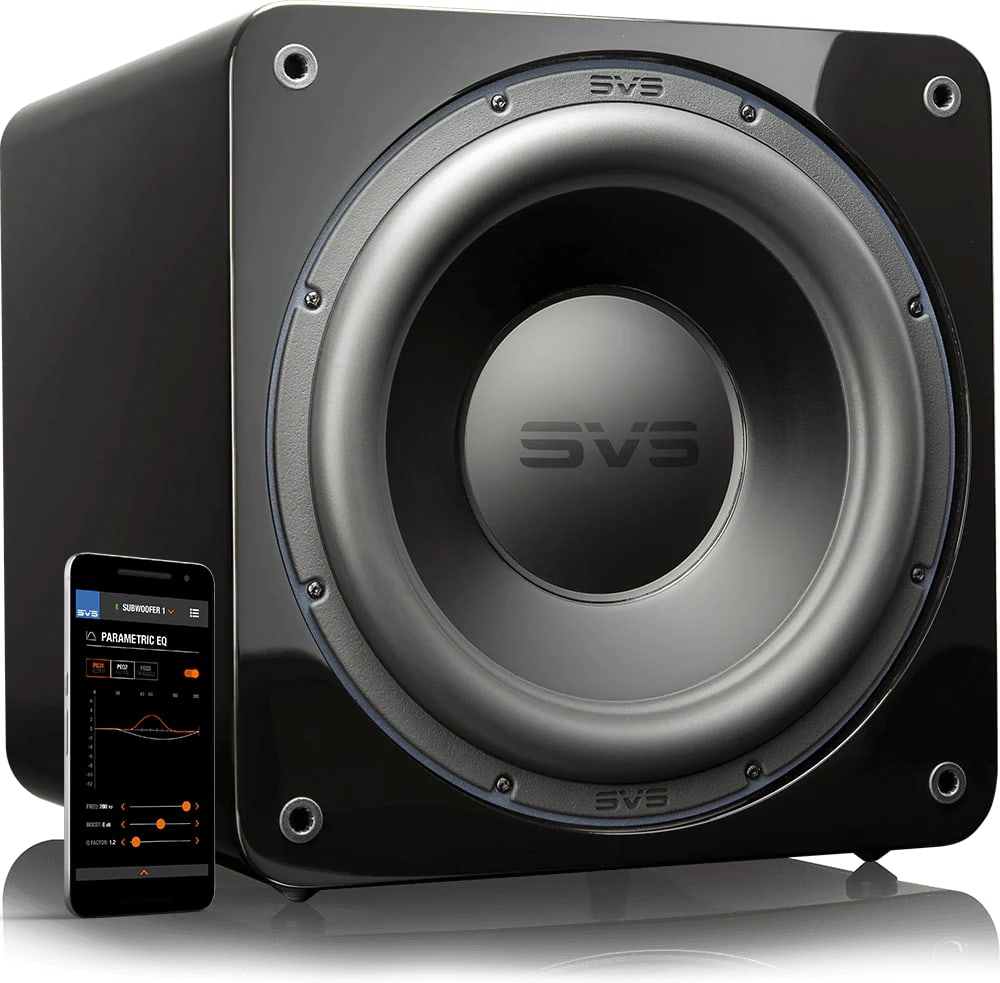 Atmos speaker placement: why height channels fail in most roomsMost Atmos height channels underperform because of placement, not gear. Here's how to actually get overhead sound working in a real room.By Hannah Reid
 Crossover points and driver integration: what actually matters when you buy a speakerCrossover frequency and slope shape the sound more than most spec sheets admit. Here's what the numbers actually tell you about driver integration.By Marcus Vale
- One subwoofer or two: why a second sub fixes what EQ never willA second subwoofer often solves bass problems that EQ can't touch. Here's why multiple subs smooth response across a room, not just at one seat.By Eleanor Shaw
 Floorstanders in small rooms: why size can betray you at the high endA large floorstander in a small room doesn't deliver more — it delivers worse. Sofia Laurent explains when to walk away from the flagship and why.By Sofia Laurent
 Bass management in stereo systems: what your AV receiver manual doesn't explainMost stereo listeners ignore bass management entirely, or get it badly wrong. Hannah Reid explains what it actually does, and why getting it right transforms your system.By Hannah Reid
- Room modes explained: why your bass sounds wrong and how to fix itRoom modes cause boomy, uneven bass in almost every listening room. Jonno Fraser explains what they are, how to find them, and what actually fixes the problem.By Jonno Fraser
 When a floorstander is the wrong answer: choosing speaker format for high-end roomsAt statement-system budgets, bigger isn't always better. Sofia Laurent on when a standmount outperforms a floorstander — and how to make the call honestly.By Sofia Laurent
- Speaker sensitivity and room size: how to calculate the power you actually needSensitivity ratings, room volume and amplifier watts are all connected by maths, not magic. Here's how to work out what you actually need.By Theo Mensah
- Subwoofer placement: how to find bass that actually works in a real roomGood bass isn't about buying a bigger sub — it's about where you put it. Priya Anand explains the practical art of subwoofer placement for real listening rooms.By Priya Anand
- Multiple subwoofers: why two (or four) subs beat one every timeRunning a single subwoofer is leaving bass performance on the table. Sofia Laurent explains the acoustic case for multiple subs — and how to do it properly.By Sofia Laurent
- Sealed vs ported subwoofers: which suits your room?Sealed vs ported subwoofers behave very differently in a real room. Here's how to choose the right design for your space before you spend a cent.By Eleanor Shaw
- Projector screen gain and acoustics: choosing a screenProjector screen gain, acoustic transparency and placement are linked decisions. Here's how to choose a screen that works with your speakers, not against them.By Priya Anand
- Bass management explained: how to integrate a subwooferBass management decides whether a sub locks in or ruins the mix. Theo Mensah covers crossover settings, placement, phase and gain so your sub integrates.By Theo Mensah
- How to position standmount speakers for the best soundLearn how to position standmount speakers: rear-wall gap, toe-in, stand height and listening distance, plus when room correction should step in.By Hannah Reid
- Standmount vs floorstander: match speakers to room and ampStandmount vs floorstander: how room size, bass modes and amplifier power decide which speaker format suits your room, explained by Marcus Vale.By Marcus Vale