Headphone listening rooms: why the space around your head still matters
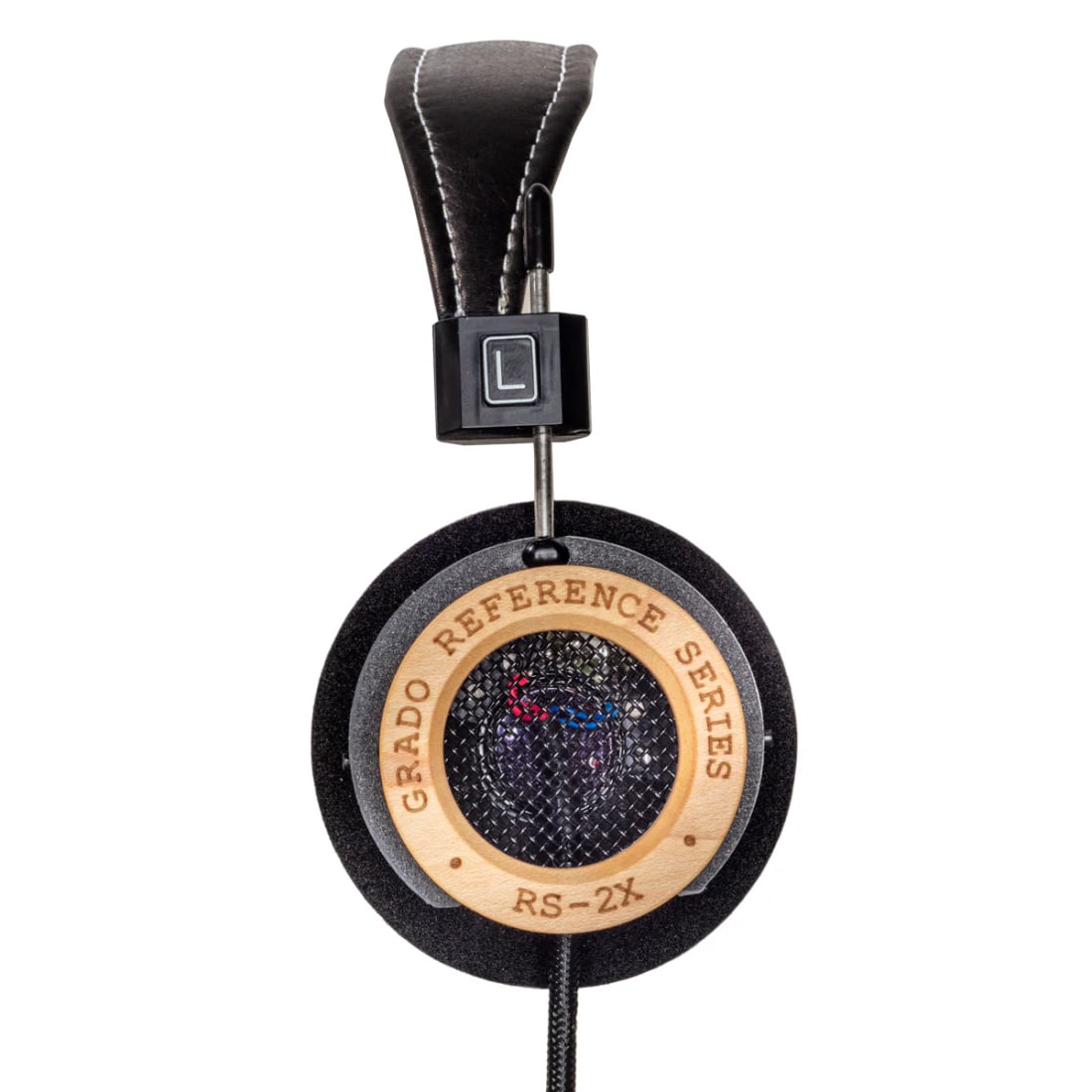
I had a client in Paddington a few years back who'd spent close to eight grand on a headphone rig — a proper desktop stack, planar cans, the lot — and he rang me convinced the amp was faulty. Turned out the amp was fine. He'd built the whole setup against a bare brick wall in a converted sunroom with a polished concrete floor, and every time an air conditioner kicked in two rooms away, or a car went past on the street outside, he swore he could hear it bleeding into the mix. He could. Not through the headphones' drivers picking up room noise — through his own ears, sitting open in a reflective, noisy box, half-listening to the room while trying to listen to the music.
That's the conversation nobody has about headphone listening. We talk endlessly about DACs, amps, impedance curves and driver technology — all of it matters, don't get me wrong — but almost nobody talks about the fact that the room you're sitting in when you put headphones on still does work on the experience, just not in the way it does with speakers.
Headphones don't need room correction, but your head still lives in a room
Let's get the physics straight first, because I don't want to overstate this. With loudspeakers, the room is doing enormous work — reflections, modal bass buildup, absorption and diffusion all combine with the direct sound before it reaches your ears. That's most of what room correction and acoustic treatment is trying to manage. Headphones sidestep almost all of that. The transducer sits millimetres from your eardrum (or, with IEMs, inside your ear canal) and delivers sound with essentially no room interaction at all. That's the entire appeal — it's why a decent pair of closed-backs in a noisy share house can still sound more controlled and detailed than a floorstanding pair in a lounge room with hard floors and a glass coffee table.
So no, you don't need bass traps for your headphone rig. But the room still shapes three things that genuinely affect what you hear and how long you can listen without fatigue: ambient noise floor, visual and psychological distraction, and — this one gets skipped constantly — leakage in the other direction, meaning what your open-back headphones let into the room and what the room lets back into your ears.
Ambient noise floor is the real headphone room problem
Most people vastly underestimate how much a 35-40dB ambient noise floor costs them in perceived detail, especially with open-back headphones. Open designs like the Sennheiser HD 660S2 (check price) or the Focal Clear MG (check price) are open for a reason — the vented design relieves pressure behind the driver and gives a more natural, less boxed-in presentation. The tradeoff is that they let ambient sound straight through. A ducted air-con vent, a fridge compressor cycling, traffic noise through a single-glazed window — all of it sits on top of whatever you're listening to, masking low-level detail and forcing your brain to work harder to separate signal from noise. I'll admit I didn't take this seriously enough for years. I'd tell clients to spend more on the DAC before I'd tell them to shut the door. Wrong order of operations, in hindsight.
The fix isn't expensive. It's closing a door, running the desktop rig in a room without a compressor-driven fridge nearby, or timing critical listening sessions around when the aircon isn't cycling. If you're in an apartment on a busy road — plenty of Sydney and Melbourne listeners are — closed-back headphones like the Beyerdynamic DT 1990 Pro Mk II (check price) or the Audeze LCD-X (check price) will simply serve you better than an open design, no matter how much nicer the open-back's soundstage measures on paper. This is the same logic that shows up in our piece on the best audiophile headphones — the "best" headphone is heavily conditioned by the room it's going to live in.
Reflection and reverberation still colour your perception, just not the signal
Here's the bit that trips people up, because it sounds like it contradicts what I just said about headphones bypassing room acoustics. The room's reverberant character doesn't get added to the recorded signal reaching your eardrum — that part's true, headphones are acoustically isolated from the room in that specific sense. But your brain doesn't process headphone sound in a vacuum. It processes it while your other senses are still reporting on the physical space you're in, and there's a documented perceptual effect where a very live, reflective room (bare walls, no soft furnishings, hard floors) makes headphone listening feel more fatiguing and less "settled" over long sessions, even though the audio signal itself hasn't changed one bit. Some of this is genuinely psychoacoustic — sound localisation cues from your other ear (bone conduction, ambient pickup around the earcup seal) can conflict subtly with what's coming through the driver. Some of it is just plain old environmental stress; a room that feels harsh to sit in for two hours is a room you'll want to leave, headphones or not.
I'm not going to pretend there's a peer-reviewed AES paper that nails this down to the decibel for headphone listening specifically — most published acoustic research is speaker-and-room focused, understandably, since that's where the physics is most dramatic. But anecdotally, every serious headphone listener I've fitted out over the years reports the same thing: a softer room with a rug, some soft furnishings, maybe a bookshelf, feels calmer for long sessions than a hard-surfaced, empty one. Call it comfort rather than acoustics if you like. It still affects whether you actually enjoy the two hours you just spent listening.
Open-back leakage: the two-way problem
This is the one that catches share-house listeners and open-plan apartment dwellers out. Open-back headphones leak sound outward almost as readily as they let it in. If you're running a pair of open-back planars at a reasonable volume in a room with hard surfaces, that leaked sound bounces straight back at you off the wall behind your desk, arriving a few milliseconds late and smeared with early reflections — a faint, blurry echo of what you're already hearing cleanly through the driver. It's subtle. Most people never consciously notice it. But it's there, and it's part of why the same pair of open-back headphones can sound noticeably tighter and more resolved in a room with soft furnishings, curtains and a rug than in a room with a bare wall directly behind the listening chair.
The practical fix is almost embarrassingly simple: don't sit with your back hard against a flat reflective wall. A metre of clearance, a soft-backed chair, even a doona thrown over the back of the chair if you're desperate, breaks up that immediate reflection path. It's the cheapest acoustic treatment you'll ever do and it costs nothing.
Building the desktop rig with the room in mind, not as an afterthought
When I help people put together a desktop headphone system now, the room gets discussed before the gear list, not after. Where's the desk relative to windows and doors? Is there a compressor-driven appliance within earshot? Carpet or hard flooring? Is the chair going to back onto a flat wall or into open space? Only once that's sorted do we talk stack.
On the gear side, a solid desktop DAC/amp combo like the iFi Audio ZEN DAC 3 (check price) or something with more headroom like the RME ADI-2 DAC FS (check price) gets you a genuinely capable front end without needing separates, and our rundown of the best desktop DAC/amps covers the tradeoffs in more depth than I've got room for here. But I'd argue — and this is where I'll happily be a bit contrarian — that a listener with a middling desktop DAC/amp in a well-controlled, quiet, softly furnished room will out-enjoy a listener with a reference-grade stack sitting in a noisy, hard-surfaced room every single time. We spend a lot of column inches on chip architecture and output impedance and not nearly enough on "shut the window."
IEMs sidestep most of this, which is exactly why they're growing on me
In-ear monitors seal directly into the ear canal and largely remove the room noise floor problem altogether, which is part of why they've become the default for commuters and increasingly popular for critical desktop listening too. The isolation figures on a well-fitted IEM (many sit in the 20-30dB attenuation range depending on tip seal) do more for perceived detail retrieval than almost any amplifier upgrade, because you're not fighting a 35dB noise floor before the music even starts. That's a whole separate conversation about fit and nozzle geometry that's better covered elsewhere on the site, but it's worth flagging here because it reinforces the same point — the room's noise floor is often the biggest variable in the whole chain, bigger than the DAC, bigger than the amp, and IEMs are essentially a way of removing the room from the equation entirely rather than treating it.
What I'd actually tell you to do this weekend
Sit in your listening chair with no music playing and just listen for sixty seconds. Note every noise source you can identify — fridge, aircon, traffic, a housemate's TV through the wall. Rank them by how often they occur. Then look at what's directly behind and beside your head: hard wall, glass, bookshelf, curtains. That five-minute audit will tell you more about what's limiting your headphone rig than another six months of amp-rolling will. Fix the noise floor first — close the door, relocate away from the fridge, pick closed-back over open-back if you're in a noisy spot. Then soften the immediate reflective surfaces around your chair if you're running open-backs. Only after that does it make sense to chase the next DAC or amp upgrade, and by then you might find the one you've already got is doing a better job than you'd given it credit for.
The Paddington client, for what it's worth, moved his desk into the front study, put a rug down, and hasn't mentioned the amp since.
— Jonno Fraser, Home Cinema & Custom Install Editor
Common questions
- Do I need acoustic treatment for a headphone listening room?
- Not in the traditional bass-trap-and-diffuser sense — headphones bypass most room acoustics because the driver sits right at your ear. What matters more is ambient noise floor and soft furnishings near your listening position, especially if you're running open-back headphones.
- Are open-back headphones a bad idea in a noisy room?
- They can be. Open-backs let ambient noise through more readily than closed designs, so in a room with traffic noise, aircon, or housemates, a closed-back pair like the Beyerdynamic DT 1990 Pro Mk II or Audeze LCD-X will usually give you a cleaner listening experience.
- Why does my open-back headphone sound different at my desk versus in another room?
- Open-back designs leak sound outward, and that leaked sound can reflect off nearby hard surfaces, particularly a wall directly behind your chair, arriving back at your ears slightly delayed. Moving your chair away from a flat wall or adding soft furnishings behind it usually cleans this up.
- Do IEMs avoid the room noise problem entirely?
- Largely, yes. A well-sealed IEM can attenuate ambient noise by roughly 20-30dB depending on tip fit, which removes a lot of the masking effect that a noisy room causes with open-back over-ear headphones.

G'day, Jonno here. I spent the better part of twelve years as a custom installer building theatres — everything from a media room squeezed into a Queenslander to a fully blacked-out, acoustically-treated cinema with a hundred grand of gear behind the screen. The thing nobody tells you is that the room matters more than the boxes, and I'll bang on about acoustics until you're sick of me. If you're planning a theatre, talk to me before you spend a cent on speakers.
Ex CEDIA-trained installer; dedicated-theatre and Atmos specialist
More from Jonno Fraser
 Building a home cinema budget: the spending order that actually pays offWhere to put the first dollar in a home cinema build, and why most people spend it on the wrong box first. A spending order from twelve years of installs.
- Desktop headphone setups: getting the desk itself right firstBefore you chase another DAC or amp, sort the desk. Reflections, cable strain and monitor height quietly wreck more desktop headphone rigs than gear ever does.
- Open-back headphones and a shared house: when the leak actually mattersOpen-back headphones leak sound both ways. Here's how much, when it genuinely matters in a share house or apartment, and when it's a non-issue.
 Subwoofer crawl vs measurement: how to actually find the right spotThe subwoofer crawl is a good starting point, not a finish line. Here's how I actually locate sub placement on real jobs, and when to trust the numbers instead.
 Speaker format by room: when standmounts beat floorstanders (and vice versa)Choosing between standmounts and floorstanders isn't about budget or looks. It's a room-shape and listening-distance decision, and I've watched it wreck good systems.
 Clock sources and jitter in home cinema: what actually mattersJitter gets blamed for everything from harsh treble to flat soundstages. Here's what clock sources actually do in an AV receiver and where the worry is misplaced.