The best audiophile headphones
By Eleanor Shaw · Updated 11 July 2026
Eleanor Shaw picks the best open-back and planar headphones for serious Australian home listeners, from A$795 to A$2,199.
Forty-plus headphones cross my desk in a year. Most of them are fine. A handful are the kind of thing you put on at 9 pm and take off at midnight wondering where the time went. This guide is about that second group.
Open-back headphones for serious home listening are a specific proposition. You are trading isolation and portability for a presentation that feels wider, more natural and less like sound being pumped into your skull. If you live alone or have a dedicated listening room, that trade is a no-brainer. If your partner is in the next chair, they will hear every note you play. That is not a spec sheet footnote — it is a real lifestyle question you need to answer before you spend a dollar.
Dynamic vs planar magnetic: what actually matters
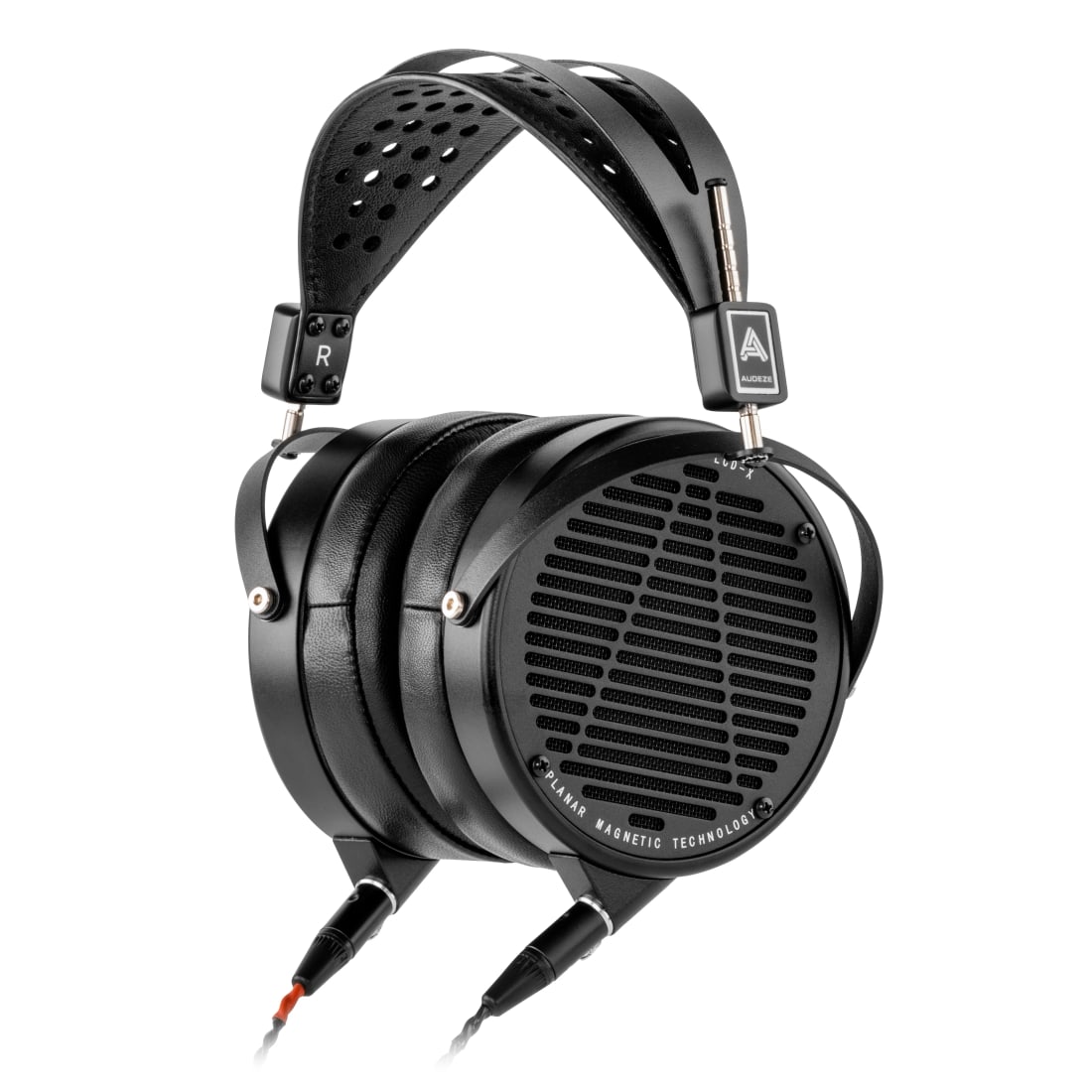
Most of the headphones in this guide use dynamic drivers — a moving coil very similar in principle to a loudspeaker. One, the Audeze LCD-X, uses a planar-magnetic driver: a thin membrane suspended between opposing magnets, moving across its entire surface rather than from a central point. Planars typically offer lower distortion at high listening levels and a particular textural quality on complex material. The tradeoff is weight and, historically, a demanding load that needs a serious amplifier. That calculus has shifted slightly — the LCD-X's 20-ohm load is actually quite amp-friendly — but the weight hasn't.
Neither technology is objectively superior. I've heard both do things the other can't. Don't let tribalism push you toward a purchase that doesn't suit what you actually listen to.
Impedance and amplification: the part most buyers skip
Impedance matters more than most product listings suggest. The Sennheiser HD 660S2 at 300 ohms and the Beyerdynamic DT 1990 PRO MK II at 30 ohms are both good headphones, but the former genuinely needs a headphone amplifier to deliver its full dynamic range, whilst the latter will run happily from a well-specified USB DAC. The Meze 109 Pro at 40 ohms and 112dB sensitivity is the outlier here — it's one of the few full-size audiophile headphones that will drive properly from a quality phone or dongle DAC. That is genuinely unusual and worth noting if your setup is simpler than a full desktop stack.
A rough guide: below 50 ohms and you have options. Above 150 ohms, budget for a dedicated amp — and factor that into your total spend.
How to read a headphone's tonal character
I came to this from studio work, so I'm probably more conservative about brightness than a lot of reviewers. I've learned to distinguish between a headphone that genuinely resolves fine detail and one that simply boosts 8–10 kHz and calls it "air". Both can sound impressive on first listen. One of them tires your ears after forty minutes. If you're auditioning before you buy — and I'd strongly encourage it, particularly above A$1,000 — bring recordings you know cold, including at least one that's slightly bright in the mix. A headphone that flatters everything is not a reference tool; it's a flatterer.
Soundstage is the other variable people talk about endlessly and measure badly. Open-back headphones generally image wider than closed-backs, but the differences between open-back models are real and worth listening for. Planars often image differently rather than wider — a sense of depth and layering more than lateral spread.
Build, comfort and the long session test
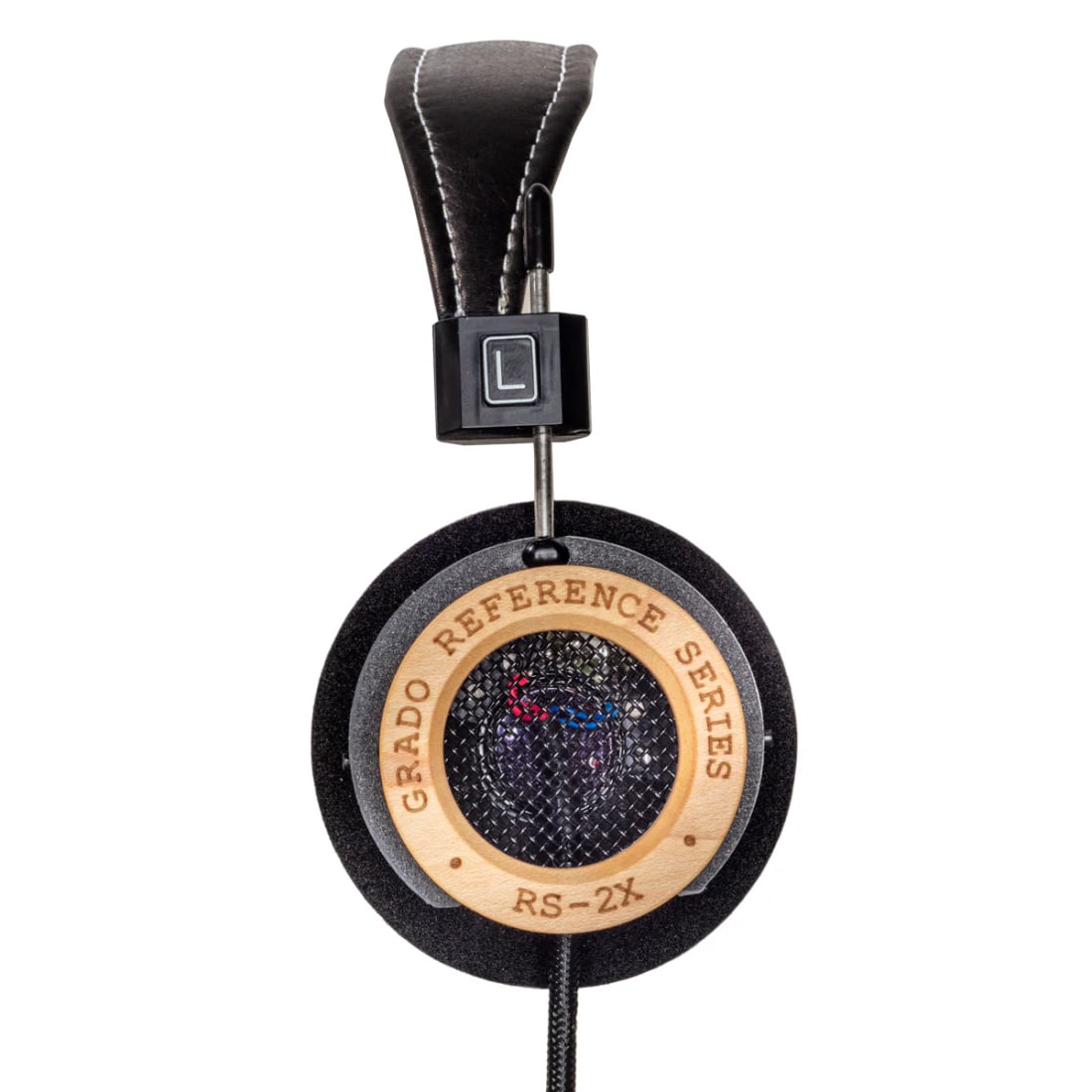
A headphone you won't wear for two hours is a headphone you won't use. Weight is a genuine issue at the top of the planar category — the LCD-X at approximately 600 grams is excellent-sounding and uncomfortable for some listeners past the one-hour mark. The Focal Clear MG at 450 grams sits in the middle. The Grado RS2x is featherlight but uses on-ear foam pads that some people find pressured over time. None of these are disqualifying — they are tradeoffs you should know about before you hand over money.
At a glance
#5 · Headphones
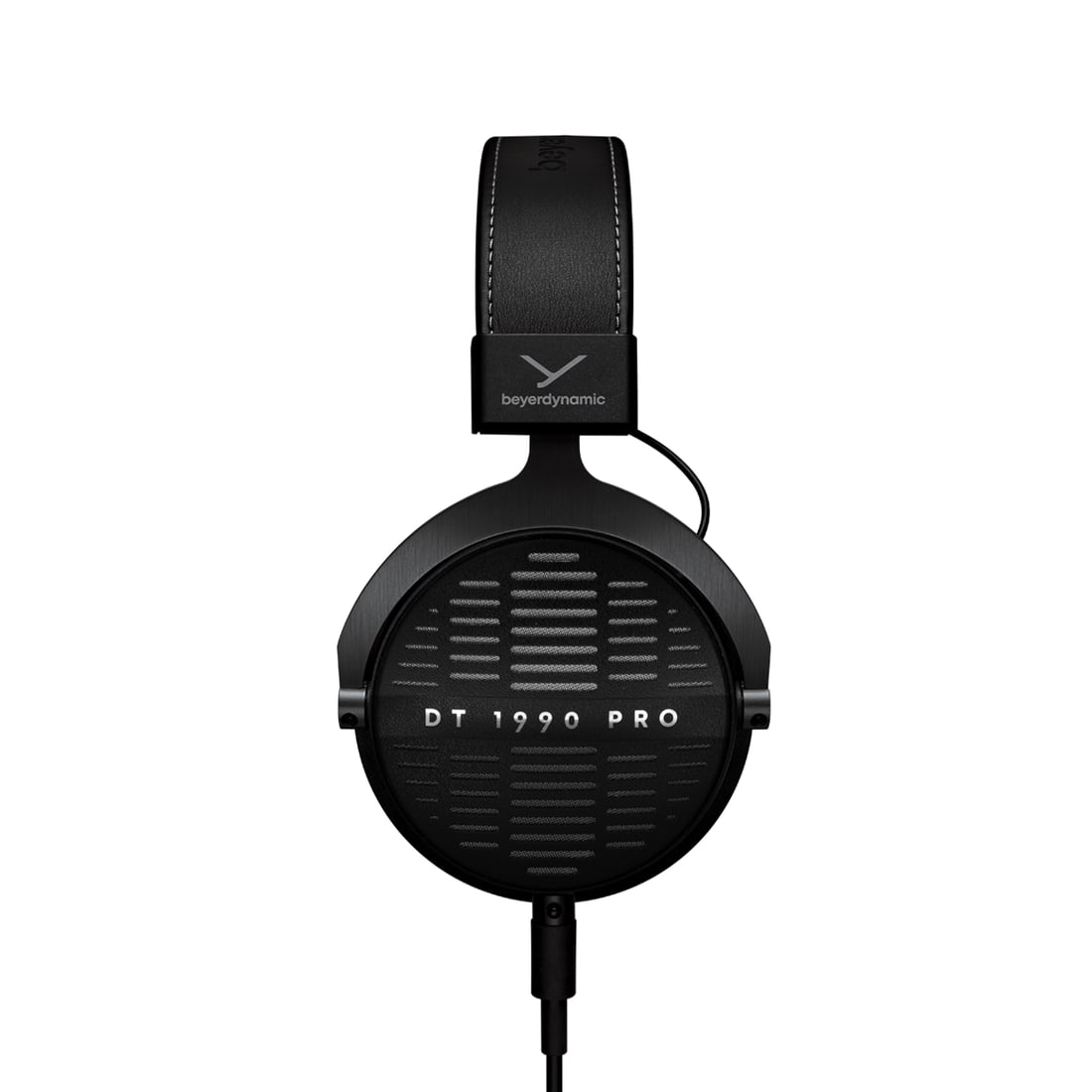
Beyerdynamic DT 1990 PRO MK II4.5/5$899
Highly resolving, analytical studio-reference sound
| # | Product | Price | Rating | Best for | Buy |
|---|---|---|---|---|---|
| #1 | Focal Clear MG Headphones | $2199 | 4.7/5 | Fast, dynamic and highly detailed presentation | Amazon |
| #2 | Audeze LCD-X Headphones | $1899 | 4.6/5 | Neutral, trustworthy reference tuning | Amazon |
| #3 | Sennheiser HD 660S2 Headphones | $899 | 4.6/5 | Refined, precise sound with deep sub-bass extension | Amazon |
| #4 | Meze Audio 109 Pro Headphones | $1199 | 4.6/5 | Efficient enough to drive from phones and dongles | Amazon |
| #5 | Beyerdynamic DT 1990 PRO MK II Headphones | $899 | 4.5/5 | Highly resolving, analytical studio-reference sound | Amazon |
| #6 | Grado RS2x Headphones | $795 | 4.4/5 | Lively, engaging midrange ideal for rock and acoustic | Amazon |
Affiliate links — as an Amazon Associate and partner of Sweetwater / Thomann / Reverb / others, we may earn a commission at no extra cost to you.
#1 · Best overall
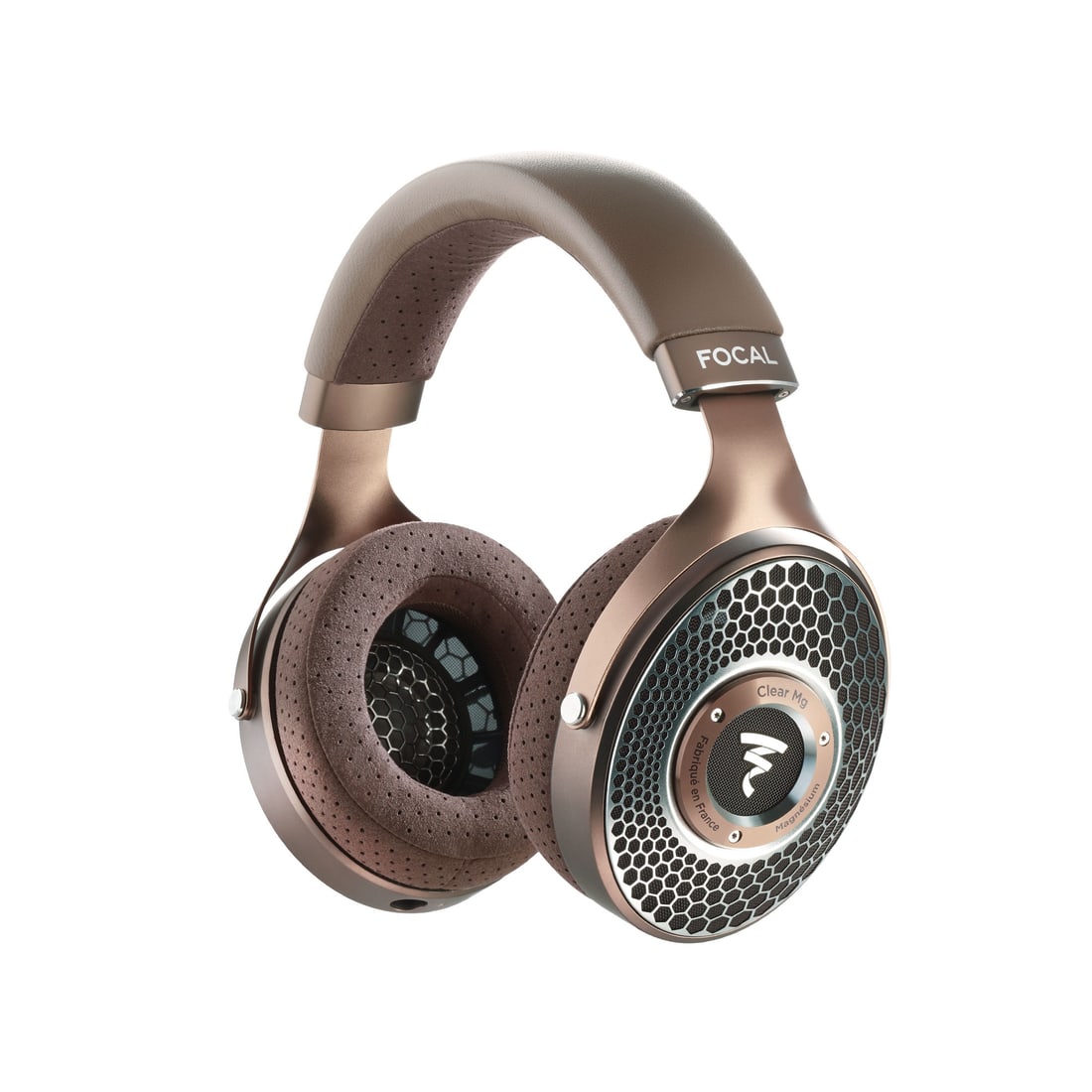
Focal Clear MG
Rating: 4.7 / 5
Fast, low-distortion and genuinely easy to drive at 55 ohms, the Clear MG rewards every upstream upgrade without punishing you for a modest starting point. The treble leans forward — that's a character choice, not a flaw — but if you want a full-size open-back that sounds alive without sounding thin, nothing else on this list touches it at the price.
#2 · Best planar magnetic
Audeze LCD-X
Rating: 4.6 / 5
The LCD-X's 106mm planar driver delivers a neutral, low-distortion window into your recordings that dynamic headphones genuinely struggle to match at high listening levels. It's heavy and utilitarian-looking, and it still wants a real amp behind it — but if you're serious about reference listening or mixing, the tuning is hard to argue with.
#3 · Best all-round value
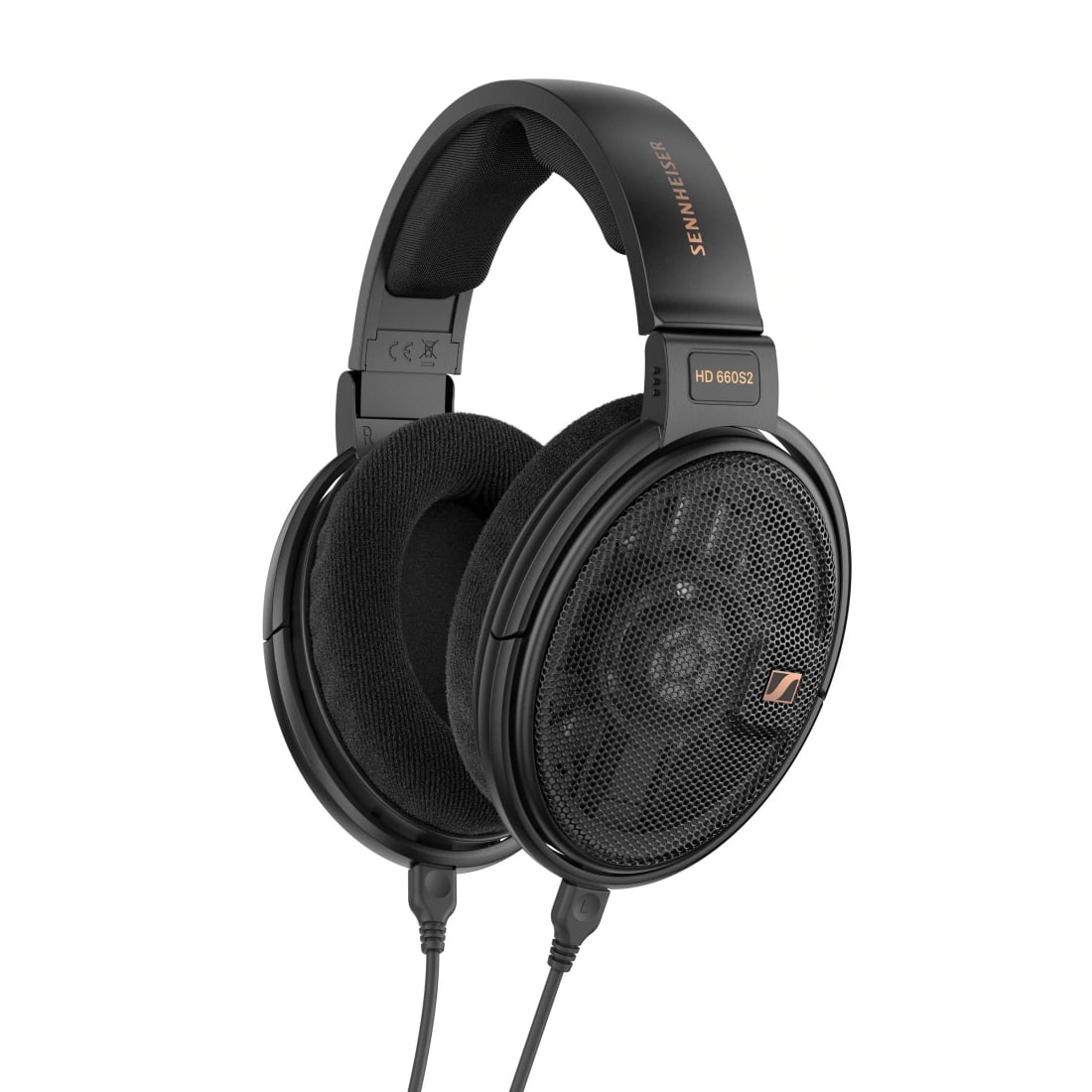
Sennheiser HD 660S2
Rating: 4.6 / 5
At A$899 the HD 660S2 ships balanced-ready out of the box and offers a refined, musical signature with genuine sub-bass extension that its predecessors never quite managed. The 300-ohm impedance means you'll want a proper amp, but listeners who put one behind it are routinely surprised by how much headphone A$899 still buys.
#4 · Best for desk-to-couch versatility
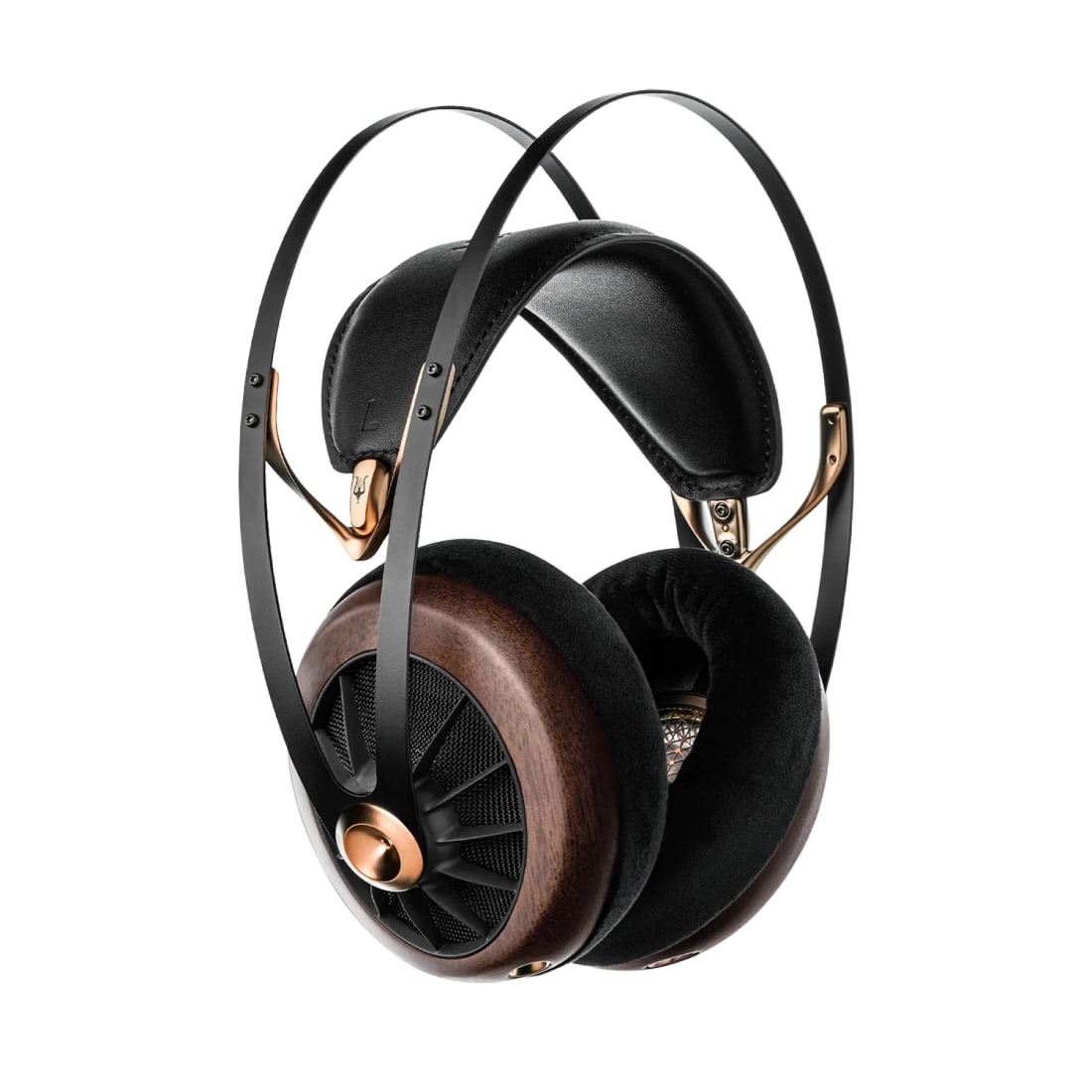
Meze Audio 109 Pro
Rating: 4.6 / 5
A 40-ohm, 112dB load is practically unheard of in a full-size audiophile headphone, and Meze pairs it with a warm, musical tuning and one of the most beautiful walnut-and-aluminium builds in the category. Not the most neutral tool in this group, but if you listen to a lot of acoustic music or jazz and want a headphone that works off a decent dongle as well as a desktop stack, this one's worth seri
#5 · Best for studio crossover use
Beyerdynamic DT 1990 PRO MK II
Rating: 4.5 / 5
The new 30-ohm load makes the DT 1990 PRO MK II far more accessible than the original 250-ohm version, and the two swappable pad sets give you a real tuning choice rather than a single fixed voicing. The analytical pads can sting on bright recordings — that's a fair warning — but for anyone moving between music production and serious home listening, the resolving character and German build quality
#6 · Best for rock and acoustic
Grado RS2x
Rating: 4.4 / 5
The RS2x is the only on-ear in this group, and the fit will simply not work for some people — fair enough, move on. But if the maple-and-hemp housing and that punchy, forward Grado midrange speak to you, nothing here matches it for sheer engagement on electric guitar or well-recorded acoustic material, and A$795 is genuinely competitive for a hand-built Reference Series headphone.
How we selected these picks
Every headphone in this guide has either spent time on my head or been through extended listening sessions with our wider team. I've been running this particular shortlist for the better part of six months, partly because two new models arrived mid-process and I wanted to be sure about where they sat. I don't rush these.
The candidates were assessed primarily at a desktop listening station running a Chord Mojo 2 as DAC/amp, with secondary listening through a Schiit Magni/Modi stack for the easier-to-drive options. I also ran the Meze 109 Pro and the Grado RS2x directly from an Apple dongle DAC — which is, honestly, how a fair number of people will use them, whatever audiophile orthodoxy says about it.
Honestly, I'd argue the 109 Pro is slightly underrated in the wider community, where its warm tuning gets dismissed as "coloured" by listeners who've confused clinical brightness with accuracy. It isn't neutral. It is, however, musical in a way that makes you want to keep listening — which counts for something.
What to pair these with
If you're starting from scratch, the single best investment below the headphone itself is a quality USB DAC/amp combination. You don't need to spend four figures on source gear to hear what these headphones can do. A Schiit Magni/Modi stack or the Chord Mojo 2 will reveal everything meaningful about every headphone in this guide. Beyond that, if you're spending A$1,500 or more on headphones, it's reasonable to match that investment upstream — but you'll hear diminishing returns before you think you will.
Cables: I'll keep this brief. The stock cables that ship with the Focal Clear MG, Audeze LCD-X and Meze 109 Pro are genuinely good. Use them. If you want a longer run or a balanced termination, there are reputable aftermarket options, but please don't spend A$400 on a cable before you've given the stock kit a proper hearing.
And a final note: if you're in Sydney or Melbourne, there are dealers who will let you audition most of these under real conditions. That is worth more than any review, including this one.
— Eleanor Shaw, Headphones & Personal Audio Editor
Common questions
- Do I really need a headphone amplifier for these picks?
- For the Sennheiser HD 660S2 at 300 ohms, yes — a dedicated amp makes a meaningful difference to dynamics and control. The Beyerdynamic DT 1990 PRO MK II at 30 ohms and the Meze 109 Pro at 40 ohms are far more forgiving and will run well from a quality USB DAC/amp. The Focal Clear MG at 55 ohms sits in between — it'll work from modest sources but rewards a proper amp. Factor amplification into your total budget, particularly above A$1,000.
- Is the Audeze LCD-X really too heavy for long sessions?
- At approximately 600 grams it is heavy, and some listeners hit a wall around the 60–90 minute mark. Others adjust over weeks of regular use and stop noticing. It depends heavily on head shape and how the headband distributes weight for you personally. If you can audition before buying, do — ideally for at least 45 minutes, not a five-minute showroom demo.
- What's the difference between the Focal Clear MG and the standard Clear?
- The Clear MG replaces the aluminium/copper dome driver of the original Clear with an 'M'-shaped magnesium dome. Focal says this lowers the diaphragm mass and extends high-frequency bandwidth whilst reducing distortion. In practice the MG sounds faster and slightly more controlled in the treble than the original, though both share the same general sonic character. The MG is the current production model.
- Can I use any of these headphones for gaming or watching films as well as music?
- Yes, though all open-back designs will let sound leak out — which matters if others are in the room. For films and gaming the wider soundstage of open-backs is actually an advantage for spatial cues. The Focal Clear MG and Sennheiser HD 660S2 are particularly well-suited given their imaging and dynamic response. The Audeze LCD-X is used in professional broadcast environments and sounds excellent on film soundtracks, though the weight becomes noticeable in long viewing sessions.
About the author

Eleanor Shaw
Headphones & Personal Audio Editor · Adelaide, SA
I'm Eleanor — most people call me Nell. I came to this from the studio side, so I spend more time with headphones on my head than speakers in a room, and I've learned to hear the difference between detail and brightness pretending to be detail. I'm obsessive about fit and comfort, because the best-sounding headphone in the world is useless if it's clamping your skull after twenty minutes. I review everything from $200 daily-drivers to silly flagship planars.
Mastering-adjacent background; IEM and open-back specialist