
Eleanor Shaw
I'm Eleanor — most people call me Nell. I came to this from the studio side, so I spend more time with headphones on my head than speakers in a room, and I've learned to hear the difference between detail and brightness pretending to be detail. I'm obsessive about fit and comfort, because the best-sounding headphone in the world is useless if it's clamping your skull after twenty minutes. I review everything from $200 daily-drivers to silly flagship planars.
33 published articles · most recent October 6, 2026
I'm Eleanor — most people call me Nell. I came to this from the studio side, so I spend more time with headphones on my head than speakers in a room.
I've learned to hear the difference between detail and brightness pretending to be detail — and I'm obsessive about fit and comfort, because the best-sounding headphone in the world is useless if it's clamping your skull after twenty minutes.
I review everything from $200 daily-drivers to silly flagship planars.
Articles by Eleanor Shaw
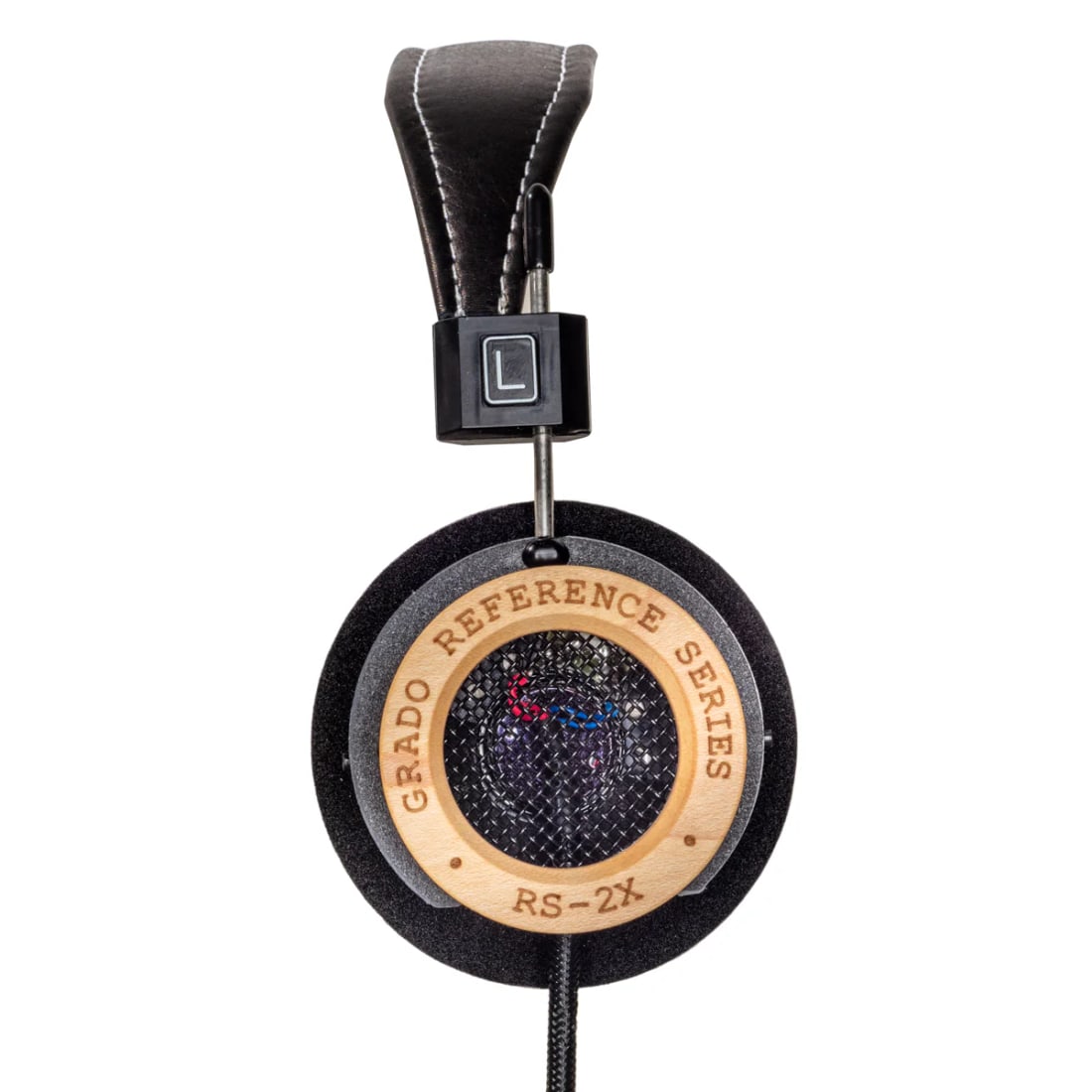 Why your headphone desk needs a sub (and how to set it up)A subwoofer under the desk can fix what headphones can't do: chest-felt bass. Here's how to add one without wrecking your headphone sound.
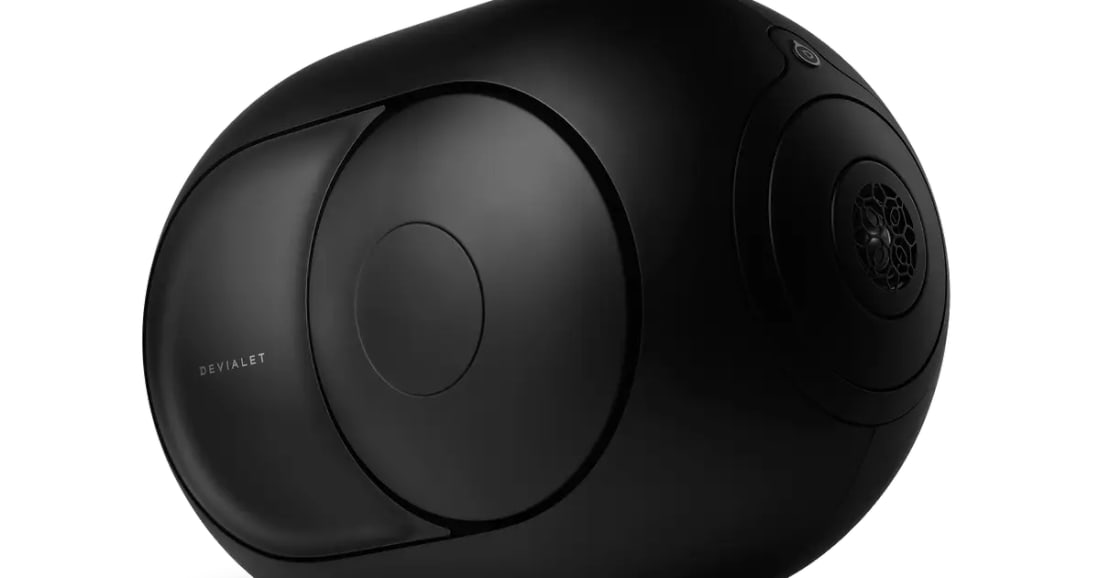 Dongle DACs vs desktop DACs: when the small one is actually enoughDongle DACs have closed the gap on desktop units for most headphones. Here's where the small ones genuinely hold up, and where they don't.
- Bluetooth codecs and multiroom: why your headphones sound different on Wi-FiWhy the same headphones sound different depending on whether they're fed over Bluetooth, AirPlay or a multiroom app — and how to get the best signal path at your desk.
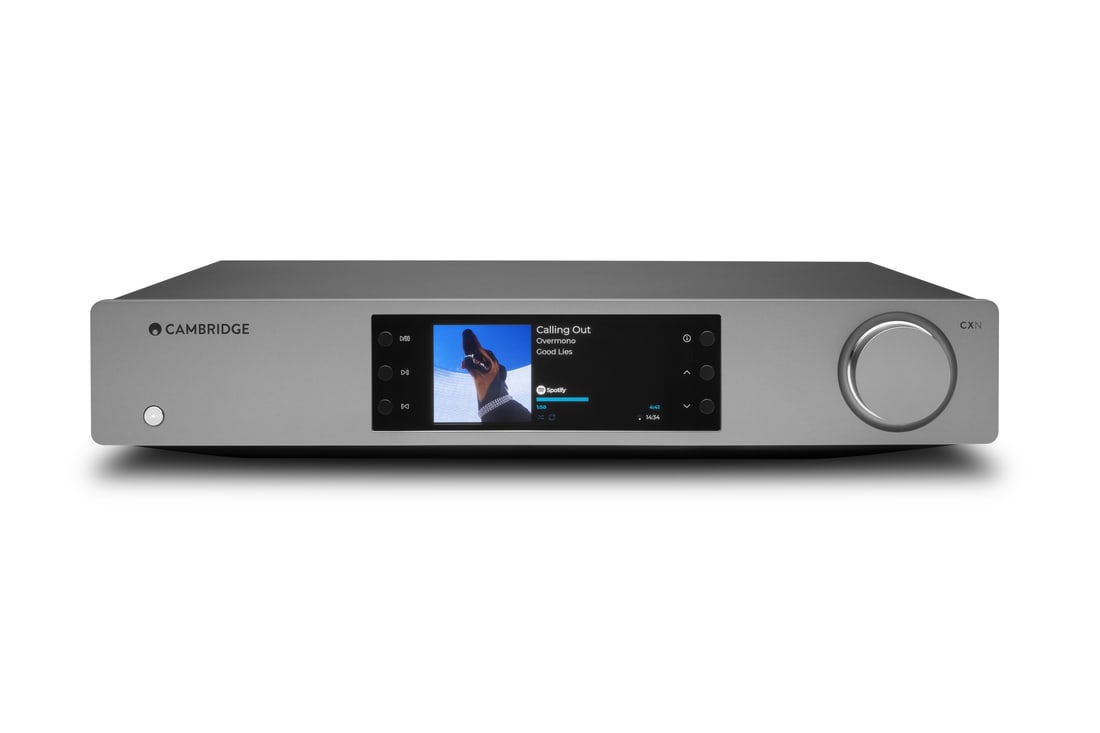 Cartridge tracking force: why "close enough" costs you detailTracking force outside the maker's range doesn't just risk your records — it quietly wrecks the detail and channel balance you paid for. Here's how to get it right.
- Streaming to headphones: getting multiroom apps to actually feed your DACMultiroom apps are built for speakers in rooms, not headphones at a desk. Here's how to get Spotify Connect, AirPlay and Roon actually feeding your DAC properly.
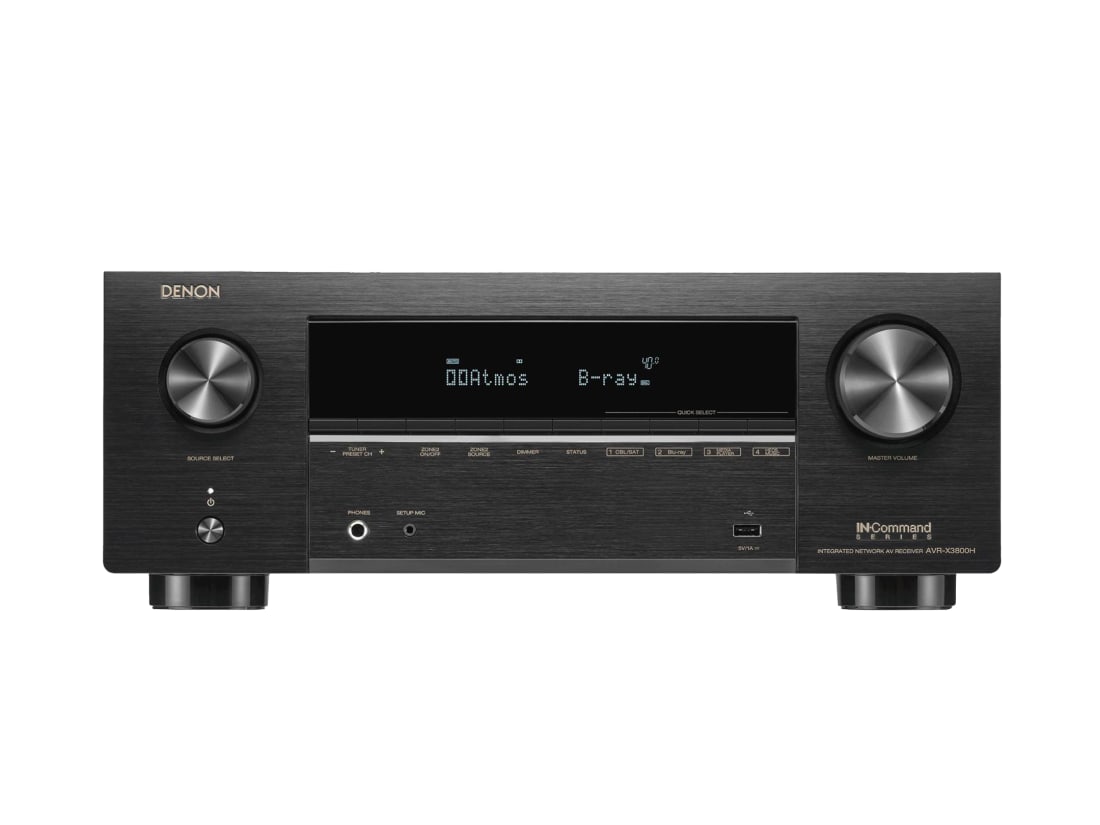 AVR versus processor: when a home cinema actually needs to split the amps outAV receivers do almost everything a separate processor does, until they don't. Here's the honest line between "buy an AVR" and "go separates."
- Height channel placement: why most Atmos ceilings underperformMost Atmos ceiling speakers are angled or positioned wrong. Here's the geometry that actually delivers overhead sound, not just overhead noise.
- Why your headphone desk needs acoustic treatment tooEven on headphones, your room leaks in through open backs and bone conduction. Here's what actually changes the sound at a treated desk.
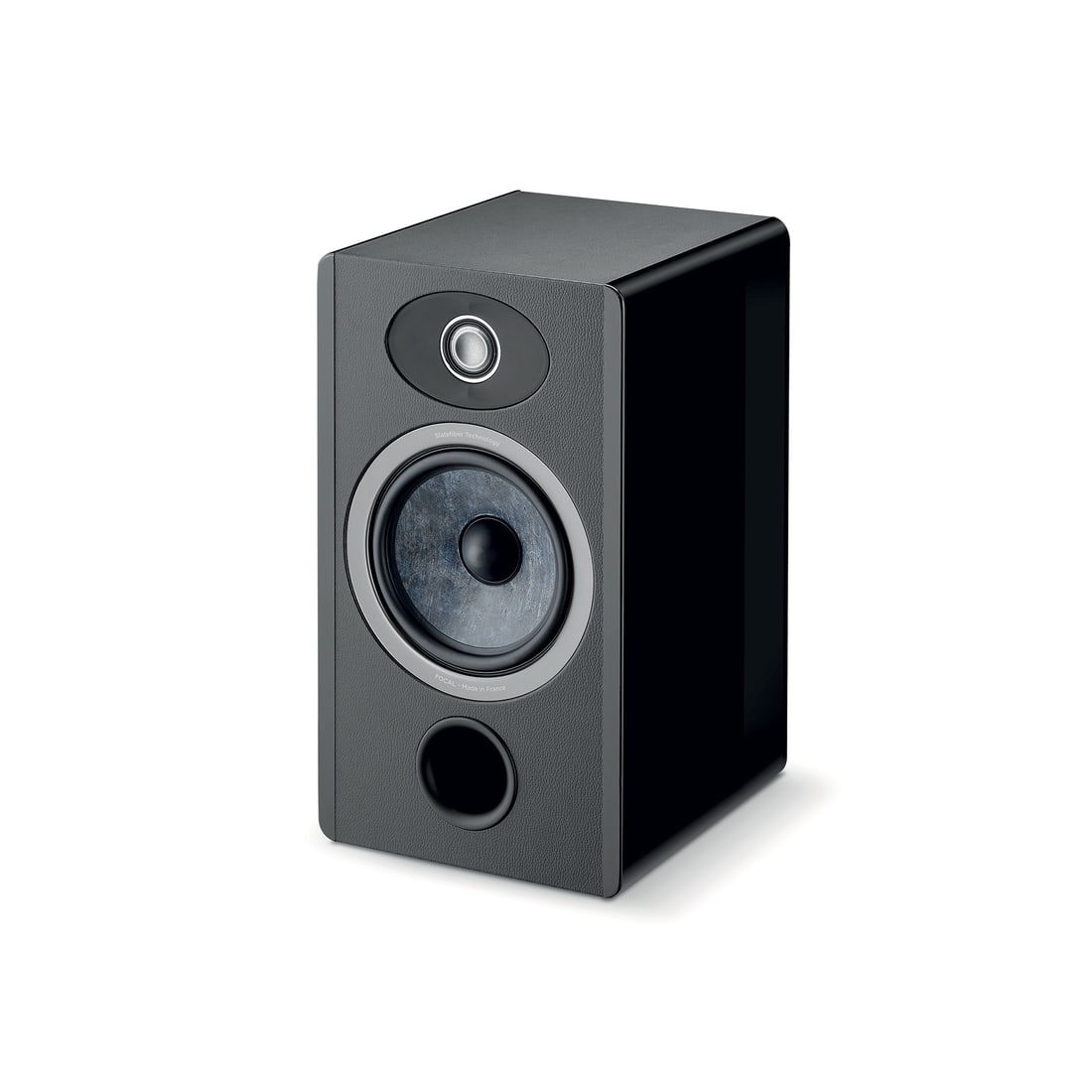 Toe-in angles: the free speaker tweak most people set once and forgetToe-in changes tonal balance, imaging and soundstage width more than most cable or component upgrades. Here's how to actually dial it in by ear.
- Does your DAC need a headphone amp built in, or a separate one?A built-in headphone output and a dedicated amp aren't the same job. Here's how to tell which one your headphones actually need.
- Speaker height and ear level: the measurement everyone skipsTweeter-to-ear alignment shapes tonal balance more than most upgrades. Here's how to measure it properly for standmounts and floorstanders alike.
- Speaker stands aren't furniture: mass, coupling and the sound you're leaving on the tableSpeaker stands do more than hold height. Mass, fill and coupling change bass control and midrange clarity more than most cable or amp upgrades.
- IEM ear tips: the free upgrade that beats most cable swapsEar tips shape IEM sound more than most upgrades costing real money. Here's how seal, bore size and tip material actually change what you hear.
- Standmounts near-field, floorstanders far: matching speaker format to listening distanceListening distance changes which speaker format actually works. Here's how near-field, mid-room and far-room seating should shape your standmount vs floorstander decision.
- Multiroom for headphone listeners: building a private zone that doesn't sound like an afterthoughtMost multiroom systems are designed around speakers in rooms. Here's how to build a headphone zone into that same ecosystem without gutting the sound.
- Multiroom for headphone listeners: getting a private zone rightMultiroom systems are built around speakers in rooms. Here's how to get a proper headphone zone out of the same network, without losing resolution.
- Bit-perfect and PCM vs DSD: which digital format claims actually matterDSD, MQA, bit-perfect, hi-res PCM — Nell Shaw sorts which digital audio format claims genuinely change what you hear and which are marketing noise.
- Clamping force and headband sag: the comfort variables nobody measuresFrequency response gets all the graphs, but clamping force and headband sag decide whether you'll actually wear a headphone past the twenty-minute mark.
- Streaming to headphones: how your service and DAC settings actually shape the soundWhat actually changes when you stream to headphones: service quality settings, exclusive mode, and the DAC steps that matter more than the app you use.
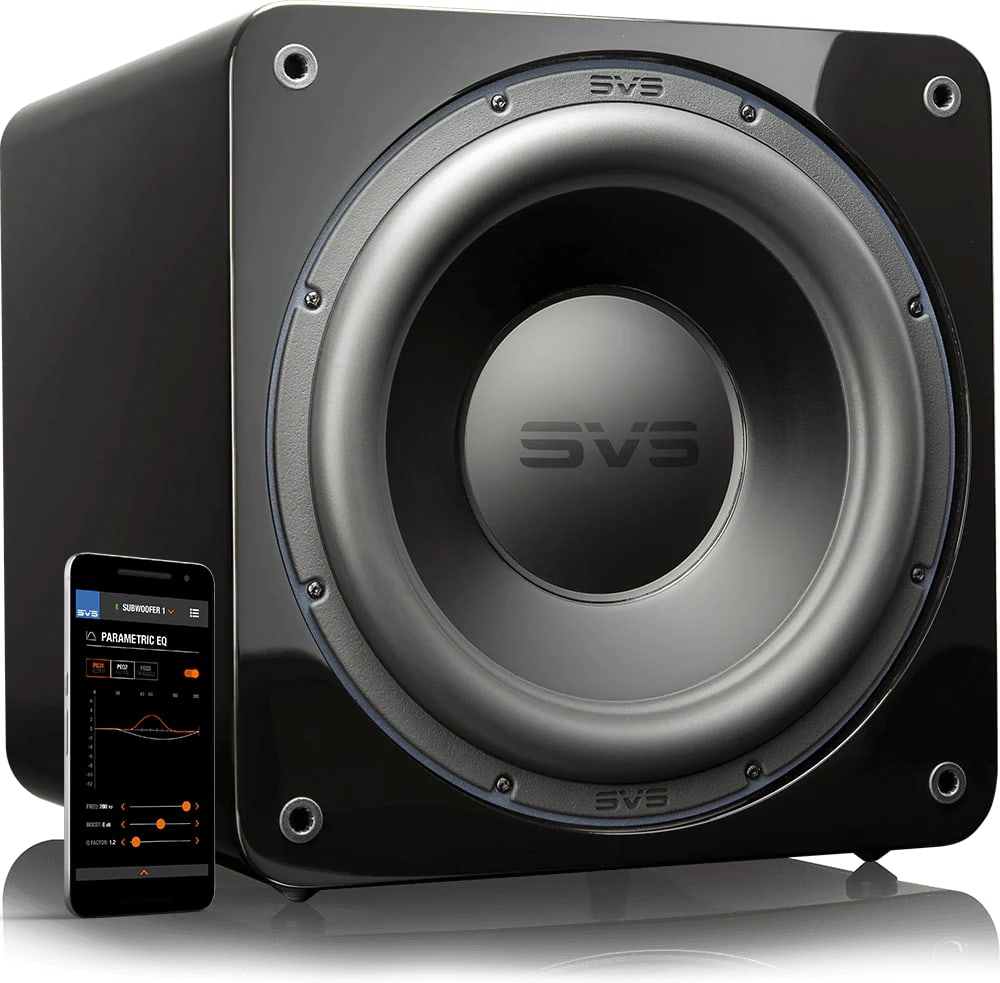 One subwoofer or two: why a second sub fixes what EQ never willA second subwoofer often solves bass problems that EQ can't touch. Here's why multiple subs smooth response across a room, not just at one seat.
- Why your DAC's output impedance matters more for headphones than its DAC chipThe chip inside your DAC gets all the marketing. The output stage that actually drives your headphones gets almost none. Here's what to check.
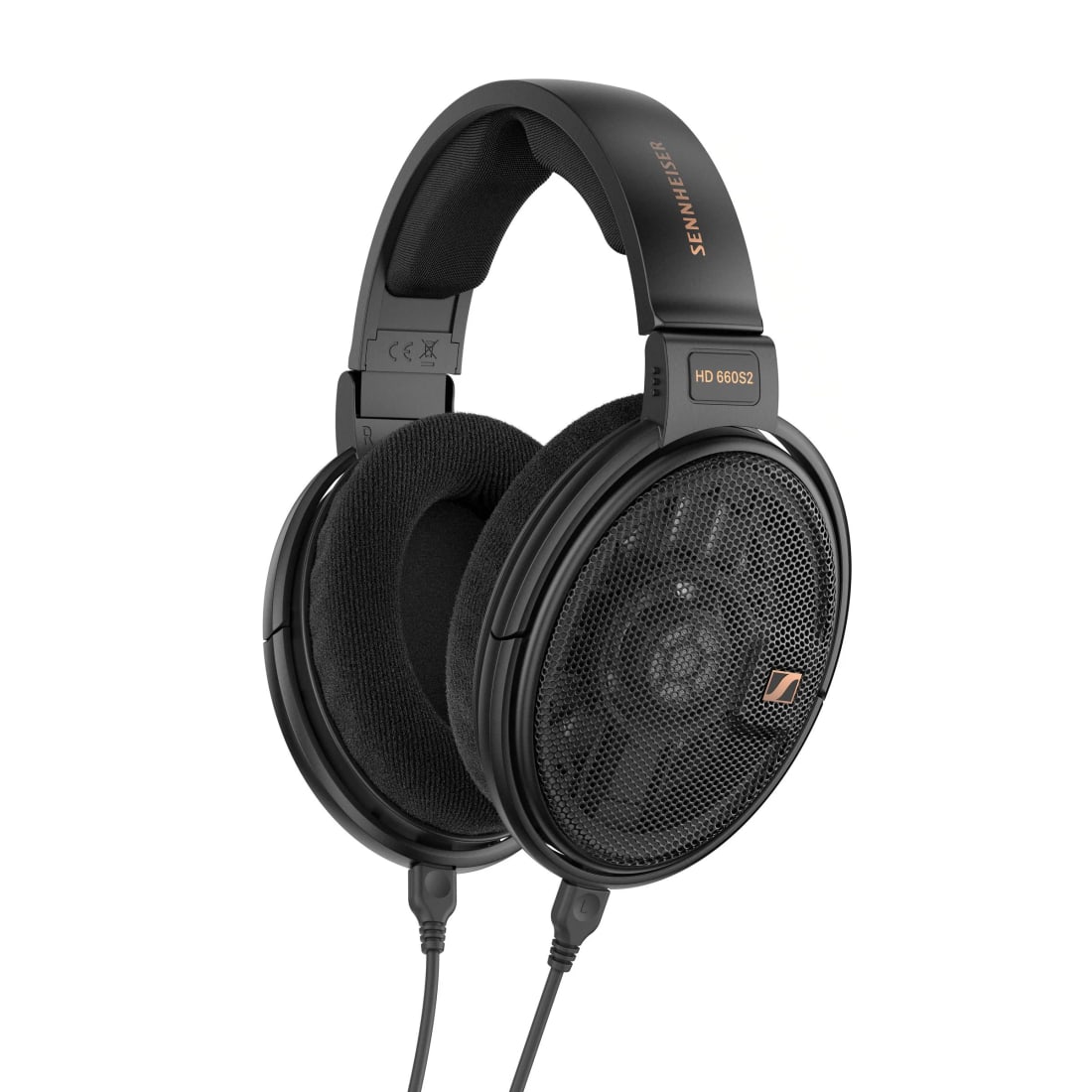 Building a headphone system in order: what to buy first, second, thirdA sequencing guide for headphone systems: what actually improves sound at each stage, and why buying in the wrong order wastes money.
- Pairing headphones with amplifiers: power, impedance and topology explainedChoosing a headphone amp isn't just about budget. Nell Shaw explains how power, output impedance and circuit topology interact with your specific headphones.
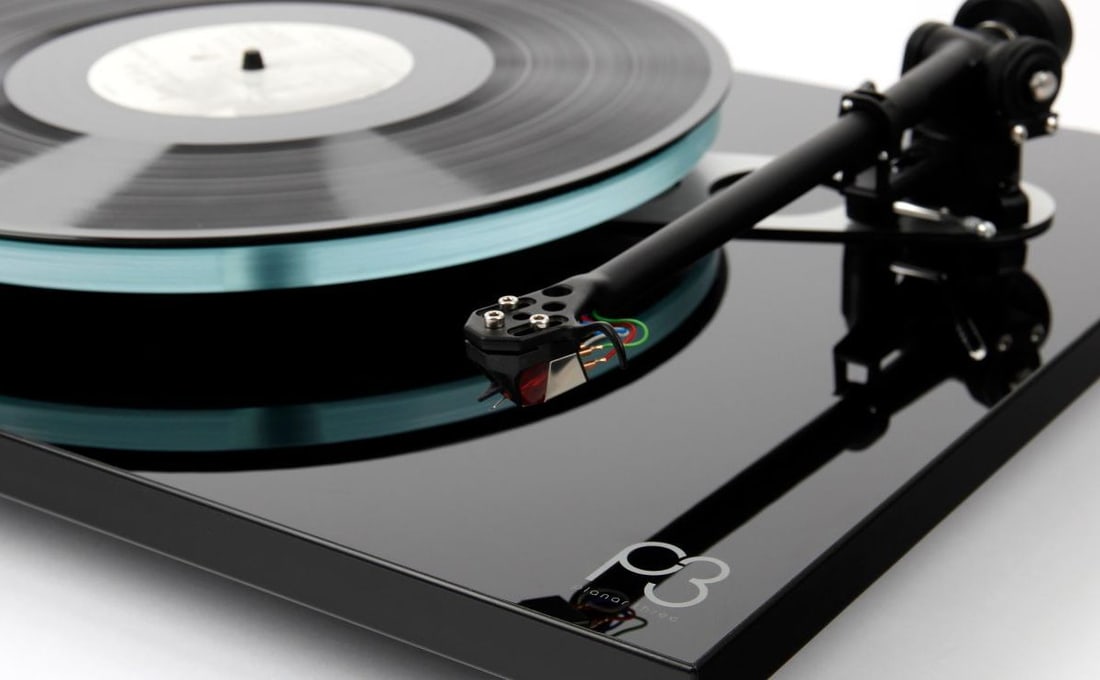 USB audio drivers and async transfer: what your DAC is actually doing with your computerUSB audio is more complex than a simple cable swap. Nell Shaw breaks down drivers, transfer modes and what actually matters for headphone listeners connecting a DAC to a computer.
- Headphone EQ: how to use it properly without wrecking your soundHeadphone EQ is one of the most powerful tools available to personal audio listeners — but most people either ignore it or overdo it. Nell Shaw explains how to do it right.
- Toe-in, tilt and height: dialling in standmount speaker angles for real roomsToe-in, tilt and tweeter height change what standmounts actually sound like — more than most cables or DAC upgrades ever will. Here's how to get them right.
- MQA, hi-res and lossy: what headphone listeners actually need to knowHi-res, MQA, lossless, lossy — the format wars are loud and mostly confusing. Here's what actually changes what you hear through headphones.
- USB vs optical vs coaxial: which digital connection actually matters for DAC performance?Nell Shaw cuts through the confusion around digital interconnects — USB, optical, coaxial and AES/EBU — and explains which genuinely affects what you hear.
- Sealed vs ported subwoofers: which design actually suits your room?Sealed and ported subwoofers behave very differently in a real room. Here's how to choose the right design before you spend a cent.
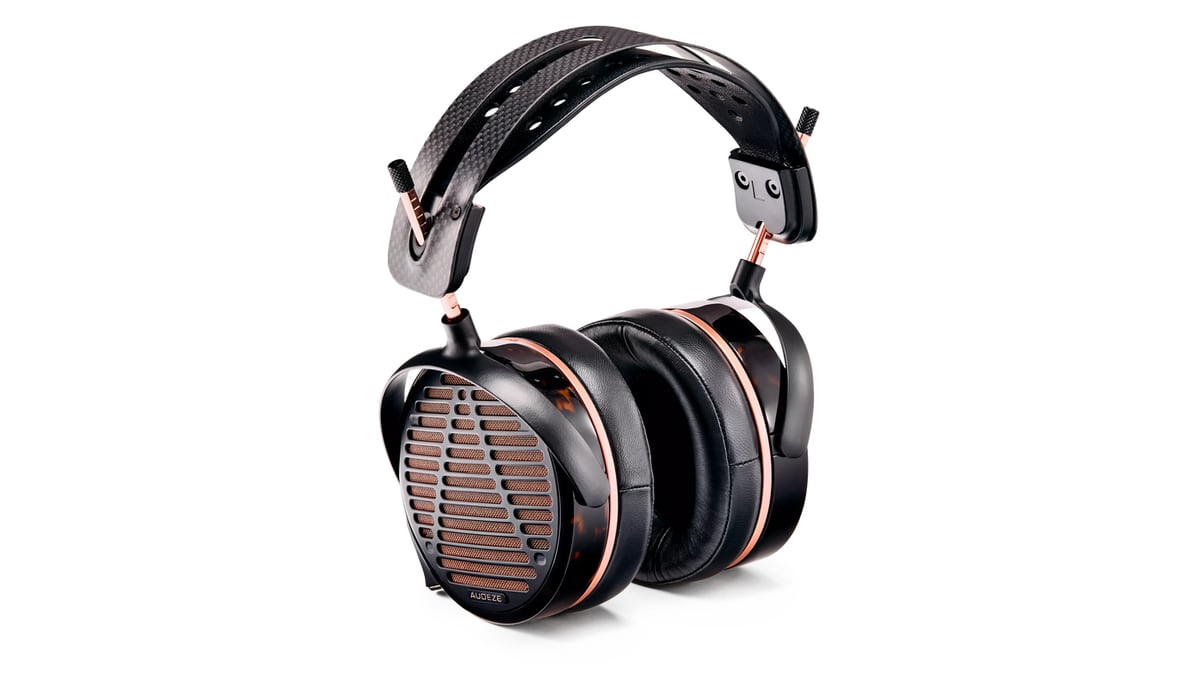 Audeze LCD-5s brings SLAM bass tech to a $4,500 planarThe Audeze LCD-5s adds SLAM, a passive non-DSP acoustic system aimed at deeper, tighter bass on its $4,500 open-back flagship planar magnetic headphone.
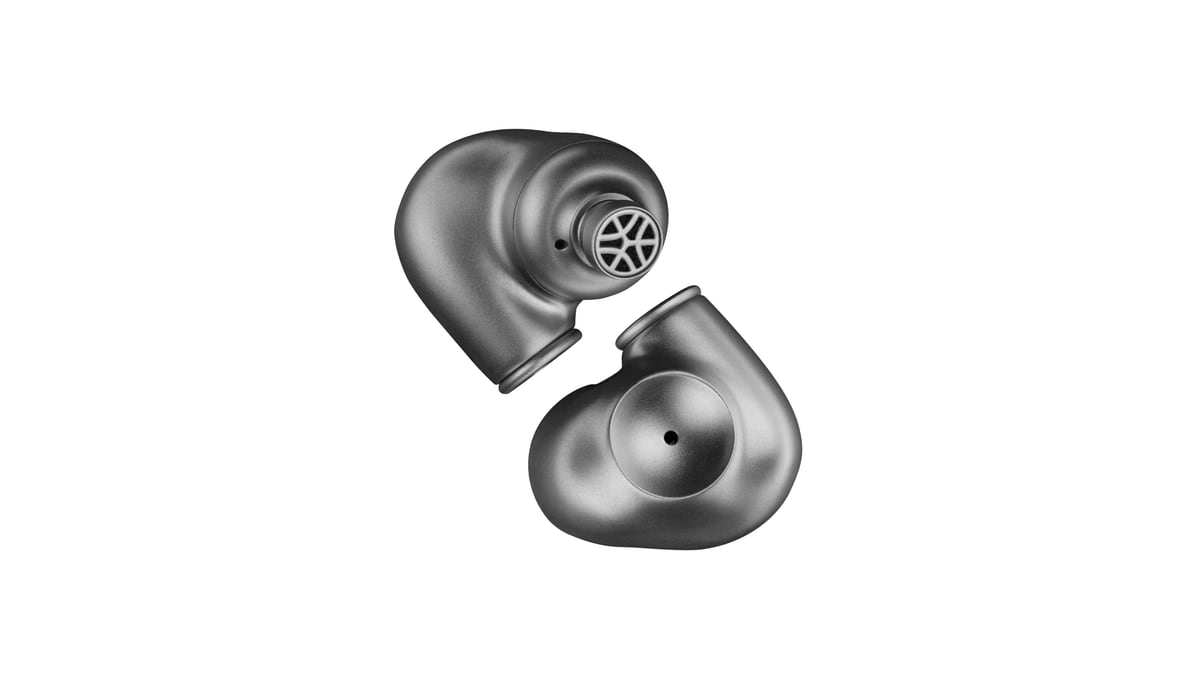 Meze ASTRU: $899 Titanium Single-Driver Flagship IEMThe Meze ASTRU is an $899 titanium-bodied IEM with one 10mm composite dynamic driver. Here is how its tuning, fit and pairing stack up for Australian buyers.
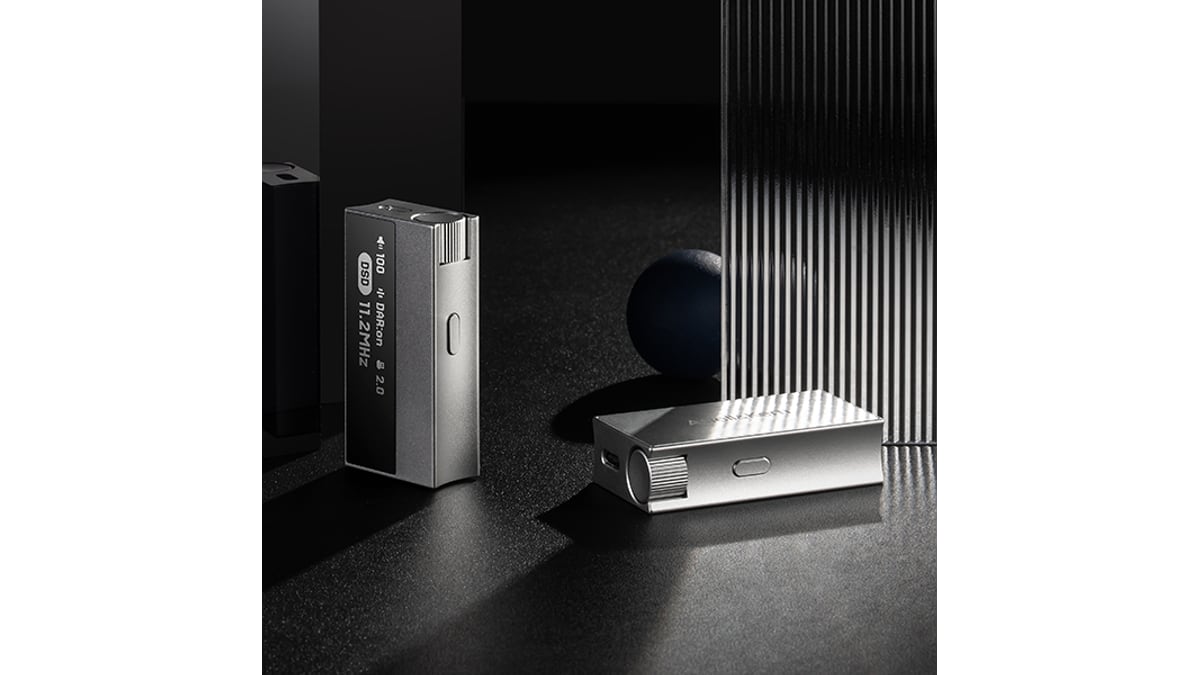 Astell&Kern AK HC5 review: flagship DAC chip in a dongleThe Astell&Kern AK HC5 puts the flagship AK4499EX DAC chip, an OLED screen and a 150-step volume wheel in a $450 USB-C dongle. Here's how it stacks up.
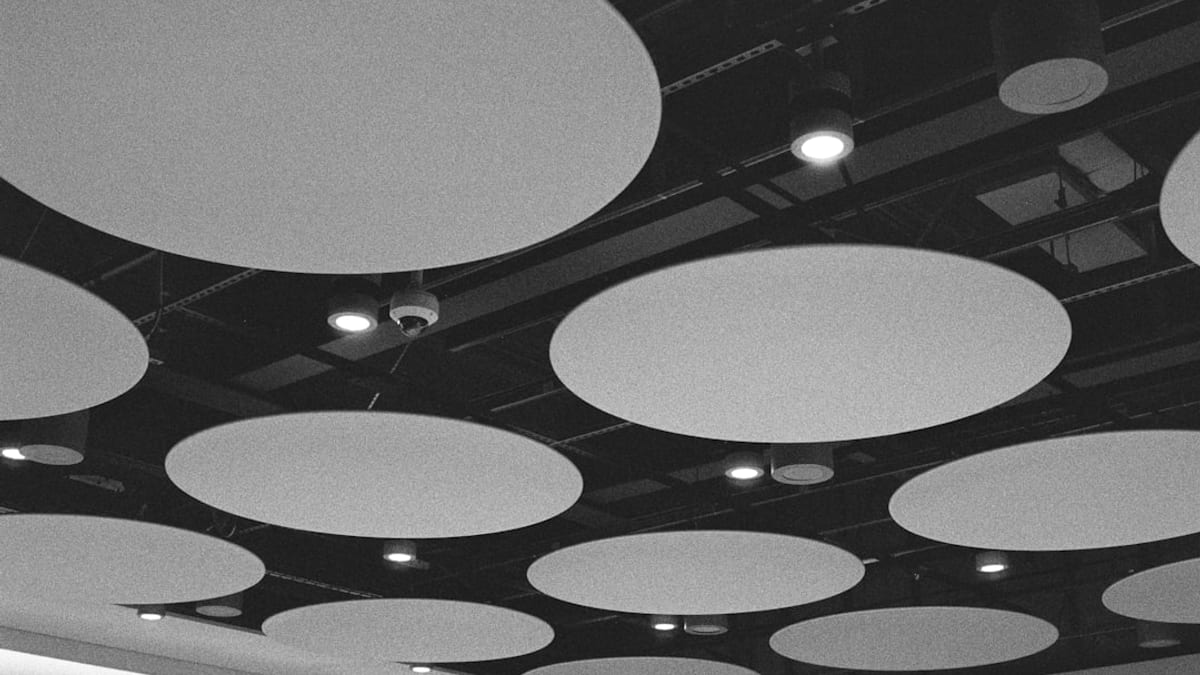 Active room treatment goes mainstream: Dirac Live ARTDirac Live ART uses MIMO processing to cut low-frequency decay, and it now ships in a $3,500 miniDSP unit. Here is what it means for Australian buyers.