Building a headphone system in order: what to buy first, second, third
A reader emailed me last month with a spreadsheet. Genuinely, a spreadsheet — columns for headphones, DAC, amp, cables, and a "future upgrades" tab with three flagship planar models he was eyeing off. His current setup was a sixty-dollar dongle DAC and a pair of headphones he'd bought four years ago and never really loved. He wanted to know which of the flagships to save for first. My answer wasn't on his spreadsheet at all: none of them, yet, because his headphones didn't fit properly and he was listening through a laptop's Bluetooth output half the time anyway.
That email is the reason I'm writing this. Headphone system building has a natural order to it, and almost everyone gets the sequence backwards because the exciting purchase (the expensive headphone) sits at the top of the wish list, while the boring purchase (a decent source, correct fit, a sensible amp) sits at the bottom or gets skipped entirely. I've been doing this professionally for long enough — studio work first, then reviewing — to have a fairly settled view on where the money should go first, second and third. It's rarely where people start.
Start with fit, not sound quality
This is the one piece of advice I repeat more than any other, and it's the one people skip because it doesn't feel like a hi-fi decision. If a headphone clamps your skull, if the pads are the wrong depth for your ears, or if an IEM's nozzle doesn't match your canal shape, you will not hear what that headphone is capable of. You'll hear discomfort, and your brain will file that as "this doesn't sound right" even when the frequency response is genuinely excellent.
I've sat in enough fitting sessions to know that comfort and tonal accuracy are more connected than most reviews admit. A headphone that's slightly too tight alters the seal against your ear, which changes bass response — sometimes audibly, sometimes not, but always changes the listening experience because you're fidgeting instead of listening. Before you spend a cent on electronics, work out what actually sits well on your head or in your ears. This is worth reading properly if you're an IEM shopper, because ear anatomy varies more than most buying guides let on — see our piece on the best audiophile headphones for a start, but treat any "best of" list as a shortlist to try, not a verdict to trust blind.
The headphone itself: where the money should go first
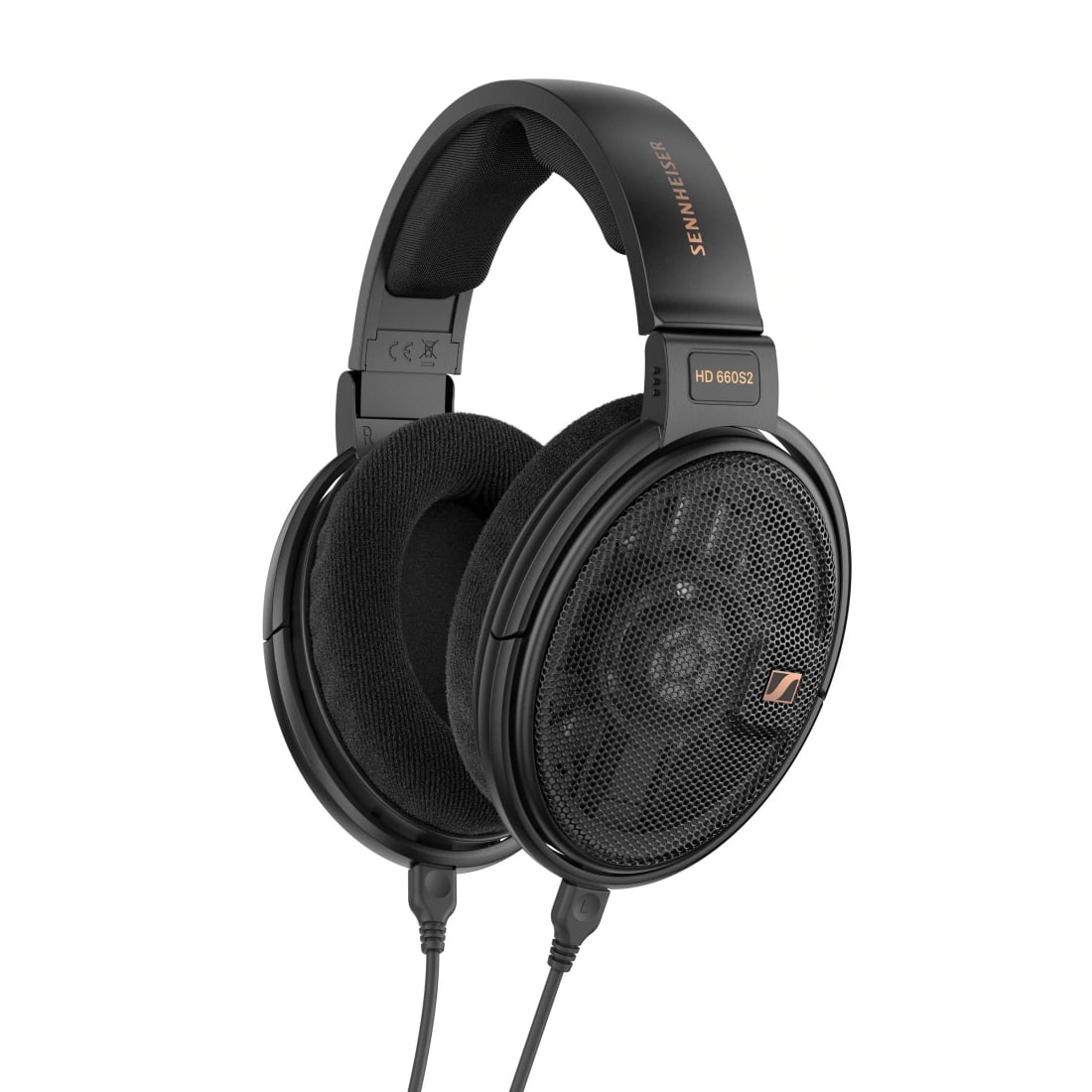
Once fit is sorted, the headphone is genuinely the first big spend, and I say that as someone who reviews amps and DACs for a living. The transducer is doing the actual work of turning electrical signal into sound waves at your eardrum. Everything upstream of it — DAC, amp, cables — is refinement. A brilliant amp feeding a mediocre driver still sounds like a mediocre driver, just a very clean, very quiet mediocre driver. I'd put something like the Sennheiser HD 660S2 or the Focal Clear MG in the "buy this before you buy a serious amp" bracket. Both will show you what a headphone can do with fairly modest amplification, and both scale later if you decide to go further. The Sennheiser HD 660S2 (check price) in particular is forgiving of average source gear, which matters at this stage because you probably don't have great source gear yet. If your budget stretches further and you've got the ear for it, the Audeze LCD-X (check price) is planar magnetic done properly, though it wants more current than most dongle DACs can supply — which brings us to the next step.
Source quality: the unglamorous middle step
Here's where I differ slightly from some of my colleagues who lean harder into cable and amp discussions. I think the source — the DAC, and whatever's feeding it — gets underrated relative to how much it actually matters, because it's the thing setting the noise floor and tonal baseline for everything downstream. A cheap, noisy DAC introduces hiss, poor channel separation and occasionally audible jitter artefacts that no amount of amp money will fix. The good news is this step doesn't need to be expensive. A unit like the FiiO K11 or the iFi Audio ZEN DAC 3 will get you further than their price suggests, and both include enough amplification to drive most mid-range headphones properly. If you want a single-box desktop solution that handles DAC duties with genuine transparency and room to grow, the RME ADI-2 DAC FS (check price) is the one I keep coming back to in reviews — it's not cheap, but it's a full stop on the source question rather than a stepping stone. I've written more on how these building blocks fit together in our guide to the best desktop DAC/amps, which is worth reading before you commit to a stack.
Amplification: only after the headphone demands it
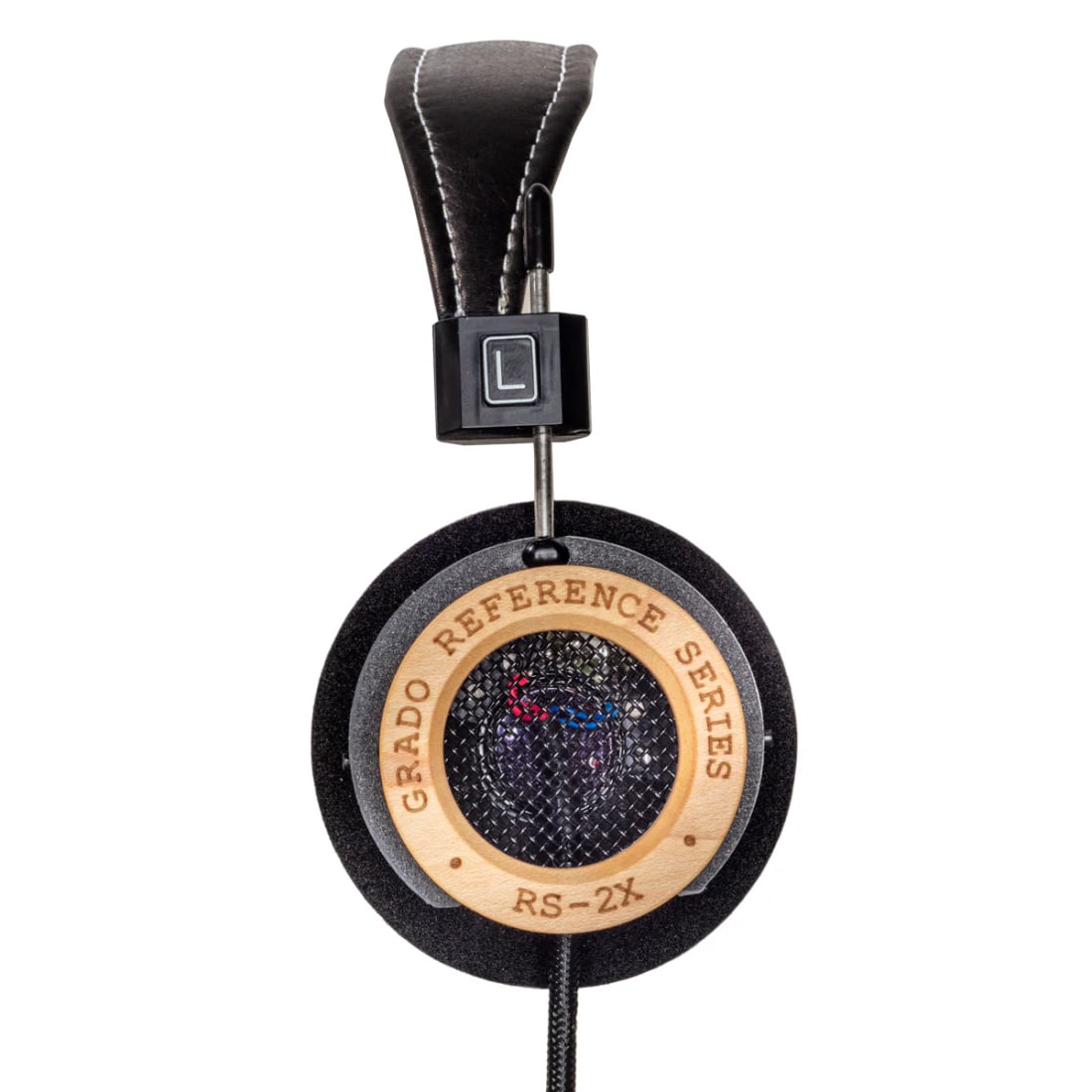
This is where I'll push back on the enthusiast-forum instinct to always buy more amp. Amplification matters enormously for high-impedance dynamic headphones and for planar magnetics that draw real current — the Audeze LCD-X, for instance, genuinely benefits from a proper amp stage rather than a dongle's headphone-out. But if you're running something like the Grado RS2x or a mid-impedance dynamic, a combo unit's built-in amp section is often doing 90% of the job already, and the remaining 10% is expensive to chase. The honest test is this: if your current amp can drive your headphone to comfortable listening levels without running out of headroom on peaks, and without audible hiss on quiet passages, you don't need a bigger amp yet. You need to sit with what you've got for a few months and actually learn what your headphone does. I know that's not a satisfying answer for anyone with a spreadsheet.
Where diminishing returns actually bite
I'll be blunt about something that doesn't get said enough in this hobby: past a certain point, headphone system upgrades deliver smaller and smaller audible gains for exponentially larger spend, and that point arrives earlier than most marketing suggests. The jump from a sixty-dollar dongle to a genuinely good three-hundred-dollar DAC/amp combo is enormous and easy to hear. The jump from that combo to a two-thousand-dollar reference DAC is real, but subtle, and requires careful listening and a headphone resolving enough to show it. This mirrors what Hannah's written about on the speaker side in her piece on standmount speakers — the room and the fundamentals matter more than the last five per cent of component quality. Headphones sidestep the room problem entirely, which is one of the reasons I gravitated toward them, but the diminishing-returns curve is just as real. Somewhere around the balanced-vs-single-ended-output conversation is usually where I tell readers to stop and go listen to music instead of gear.
Cables, stands and the stuff that mostly doesn't matter
I'm not going to pretend cables are entirely irrelevant — a poorly shielded cable run near switching power supplies can introduce audible noise, and balanced connections genuinely reduce noise floor in some amp topologies. But cable upgrades sit right at the bottom of this list for a reason: the audible difference, when there is one, is small compared to fit, headphone choice, source quality and amp matching, in that order. If you've got two hundred dollars left after building the rest of the chain, spend it on a second pair of eartips or a proper headphone stand before you spend it on a cable.
A sensible build order, stage by stage
If I were coaching that reader with the spreadsheet through this from scratch, here's roughly how I'd sequence it. First, solve fit — try multiple headphones and multiple IEM tip sizes before spending real money, because this decision affects every dollar spent afterward. Second, buy the best headphone your budget allows that fits properly, understanding this is where most of your sound quality budget should live. Third, get a clean, quiet source — a DAC/amp combo like the ones mentioned above is plenty for most people at this stage. Fourth, only upgrade the amp specifically if your headphone is current-hungry or impedance-heavy and you can hear it running out of steam. Fifth, stop and listen for a few months before touching anything else. That last step is the one nobody wants to hear, but it's the one that actually changes how you experience music. I still remember sitting at Clarendon Coffee on a slow Adelaide afternoon, working through a stack of test tracks on a review unit, and realising the headphone I'd been mildly disappointed in for weeks just needed different tips and about forty more hours of run-in before the treble settled. No cable would have fixed that. No amp upgrade would have fixed that. Patience fixed it.
When it's genuinely time to move up
There's a legitimate signal for knowing when you've outgrown a stage, and it's not "I read a review of something better." It's when you can name specifically what your current gear isn't doing — bass that doesn't extend as low as the recording suggests it should, a soundstage that collapses on busy passages, hiss audible during quiet piano recordings. Vague dissatisfaction isn't a reason to upgrade. A specific, describable shortfall is. Read up on amp topology and impedance matching before that next purchase, because power on paper doesn't always translate to what your ears need — our explainer on pairing headphones with amplifiers covers the practical side of that reasonably well, and the Bluetooth SIG's technical documentation is a useful reference if wireless is part of your chain and you want to understand what's actually happening to your bitstream before it reaches the DAC.
The Australian Communications and Media Authority also publishes guidance on safe listening levels that's worth a look if you're building a serious rig you intend to use for long sessions — comfort isn't only about clamping force, it's about not doing damage while you chase detail.
Common questions
- Should I buy headphones or a DAC/amp first if I'm starting from nothing?
- Headphones first, always, but only after you've confirmed the fit is right. The transducer does the actual sound-making work; a good DAC/amp refines what's already there rather than creating detail that isn't.
- Is it worth buying a balanced cable and balanced amp output early on?
- Not usually at the start. Balanced connections can lower noise floor in some amp designs, but the gain is small next to getting the headphone, fit and basic source sorted first. Save it for later in the build.
- How do I know when my amp is actually holding my headphones back?
- Listen for specific symptoms: audible hiss on quiet passages, the volume knob near maximum with no headroom left, or bass and dynamics that flatten out on demanding tracks. Vague dissatisfaction isn't the same as an amp limitation.
- Do expensive cables make an audible difference in a headphone system?
- Rarely, and when they do it's usually about shielding against interference rather than any tonal magic. I'd spend that money on eartips, a second headphone to compare against, or more time with the source you already own.

I'm Eleanor — most people call me Nell. I came to this from the studio side, so I spend more time with headphones on my head than speakers in a room, and I've learned to hear the difference between detail and brightness pretending to be detail. I'm obsessive about fit and comfort, because the best-sounding headphone in the world is useless if it's clamping your skull after twenty minutes. I review everything from $200 daily-drivers to silly flagship planars.
Mastering-adjacent background; IEM and open-back specialist
More from Eleanor Shaw
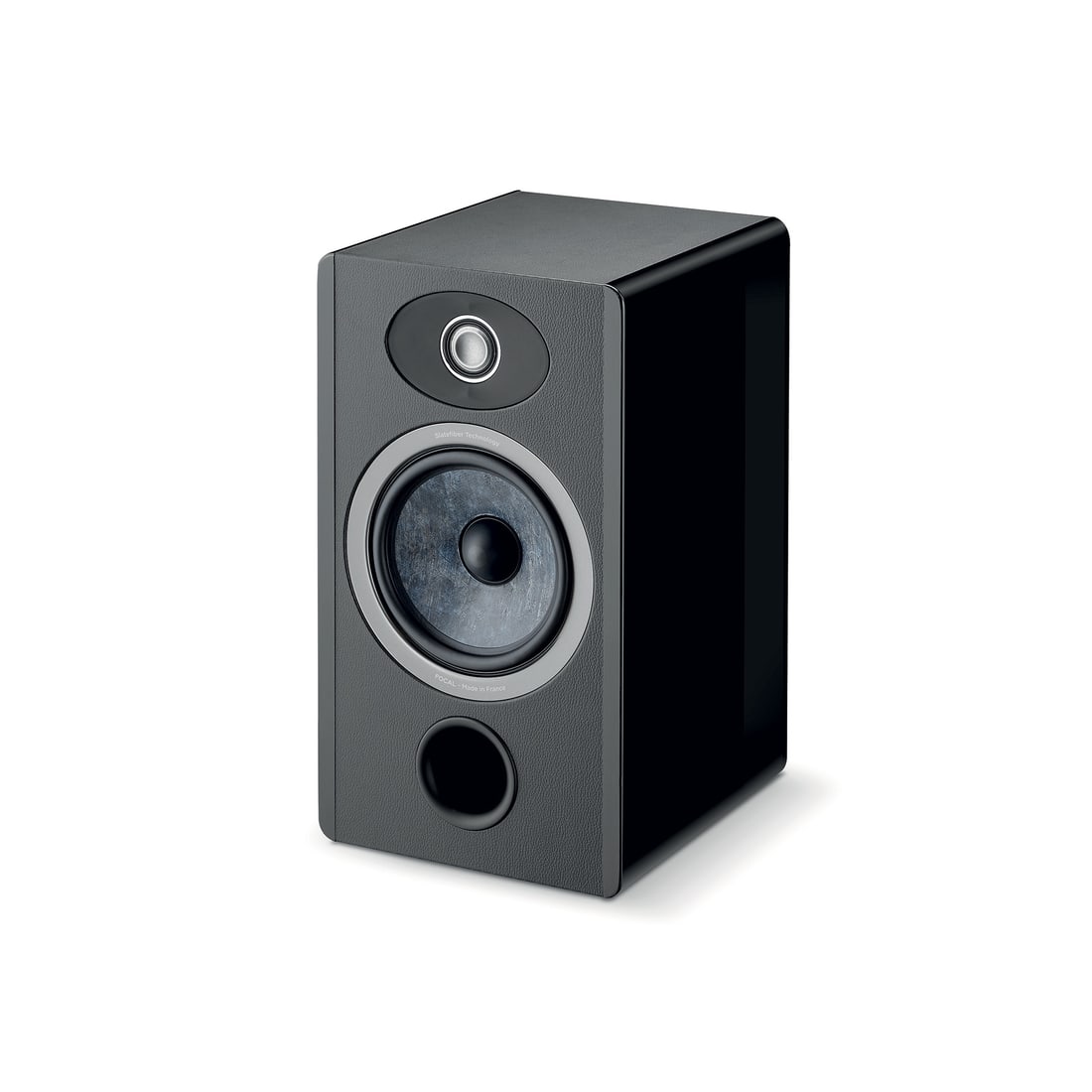 Speaker stands aren't furniture: mass, coupling and the sound you're leaving on the tableSpeaker stands do more than hold height. Mass, fill and coupling change bass control and midrange clarity more than most cable or amp upgrades.
 IEM ear tips: the free upgrade that beats most cable swapsEar tips shape IEM sound more than most upgrades costing real money. Here's how seal, bore size and tip material actually change what you hear.
- Standmounts near-field, floorstanders far: matching speaker format to listening distanceListening distance changes which speaker format actually works. Here's how near-field, mid-room and far-room seating should shape your standmount vs floorstander decision.
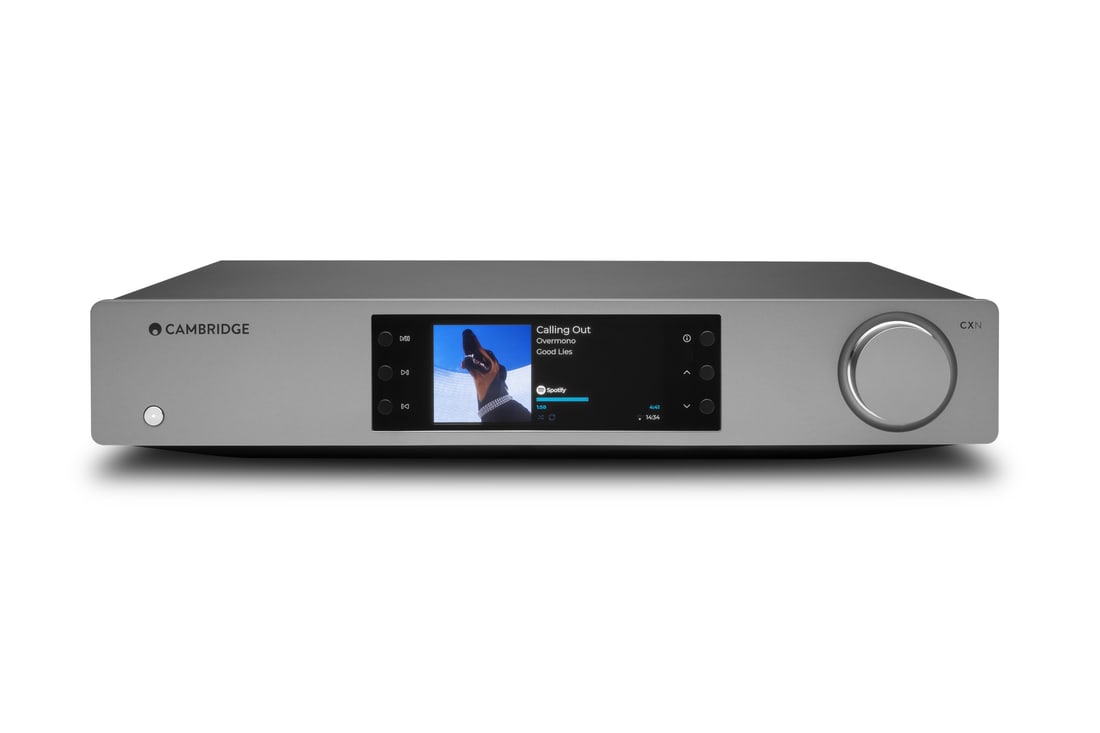 Multiroom for headphone listeners: building a private zone that doesn't sound like an afterthoughtMost multiroom systems are designed around speakers in rooms. Here's how to build a headphone zone into that same ecosystem without gutting the sound.
- Multiroom for headphone listeners: getting a private zone rightMultiroom systems are built around speakers in rooms. Here's how to get a proper headphone zone out of the same network, without losing resolution.
- Bit-perfect and PCM vs DSD: which digital format claims actually matterDSD, MQA, bit-perfect, hi-res PCM — Nell Shaw sorts which digital audio format claims genuinely change what you hear and which are marketing noise.