The best desktop DAC/amps
By Theo Mensah · Updated 20 July 2026
The best desktop DAC/amps in Australia for 2025 — from the A$189 FiiO K11 to the reference RME ADI-2 DAC FS. Real picks, honest tradeoffs.
Most desktop DAC/amp buyers arrive at this category the same way: they plugged a decent pair of headphones into their laptop's 3.5mm jack, heard something flat and grainy, and started Googling. That path leads here. The honest short version is that almost any dedicated DAC/amp will improve on onboard audio — the gap between a laptop headphone output and even a modest external unit is not subtle. The harder question is which one is right for your specific setup, your headphones, and what you actually want from the signal chain.
A few things actually matter. Output power is real: a planar magnetic like an Audeze LCD-2 or a Hifiman Arya genuinely needs hundreds of milliwatts to open up, while a sensitive IEM can be driven well from almost anything. Balanced output — 4.4mm Pentaconn is now the sensible standard — does lower noise on the right headphones, but only if the DAC/amp's balanced stage is properly implemented, not bolted on as a marketing afterthought. And DSP or EQ capability, which most people ignore, is the feature I'd encourage every serious listener to care about most: headphone correction is one of the biggest audible improvements you can make, full stop.
Then there's the question of what the DAC chip itself actually does for you. ESS, AKM, Cirrus Logic — the chip is a starting point, not a verdict. RME's implementation of an ESS part produces measurements that sit at the top of the field; a lesser engineer with the same chip will produce something mediocre. FPGA-based conversion, as Chord does, sidesteps the silicon vendor conversation entirely. Don't chase chip brands; chase implementations.
What about portable DAC/amps on a desktop rig?
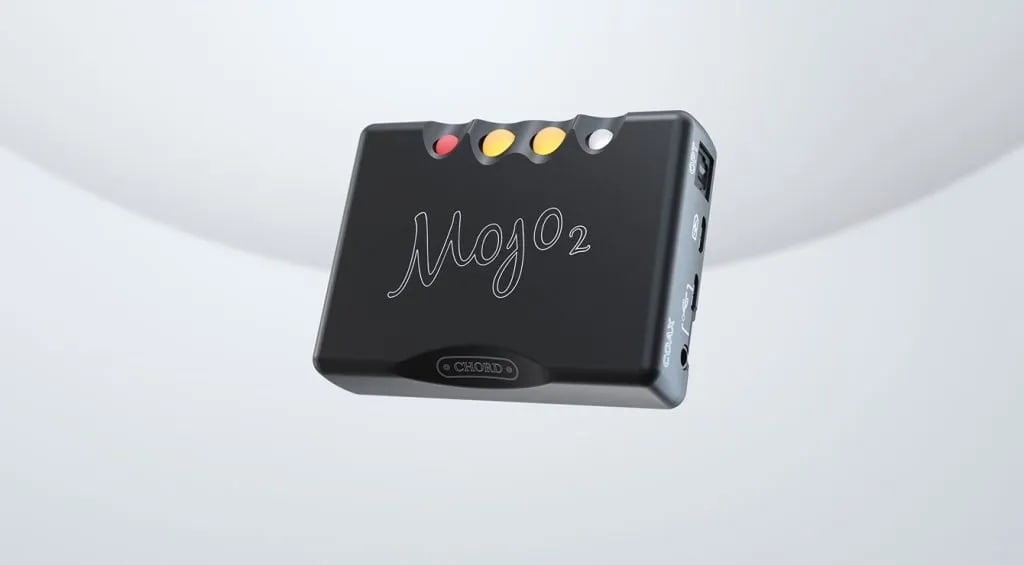
The Chord Mojo 2 sits in an odd spot: it's classified as portable, but a lot of people use it permanently tethered to a laptop or Mac Mini on a desk. That's a completely legitimate way to use it. Battery-powered analogue stages do occasionally measure and sound different from wall-powered units, and not always worse. If your desk setup is also your on-the-go setup, that flexibility has genuine value — just know the Mojo 2 runs warm under load and isn't built for all-day battery operation.
USB power and why it matters more than you'd think
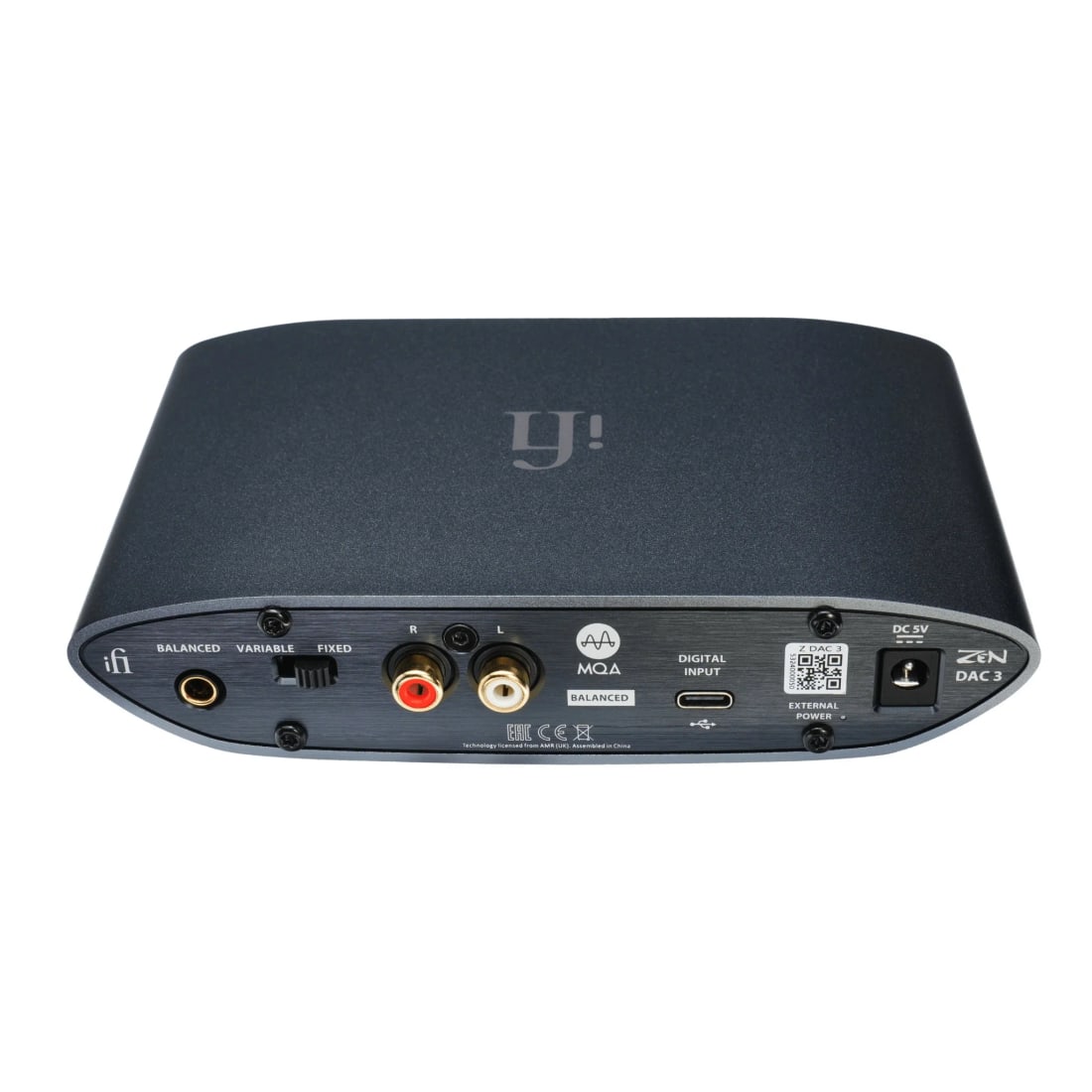
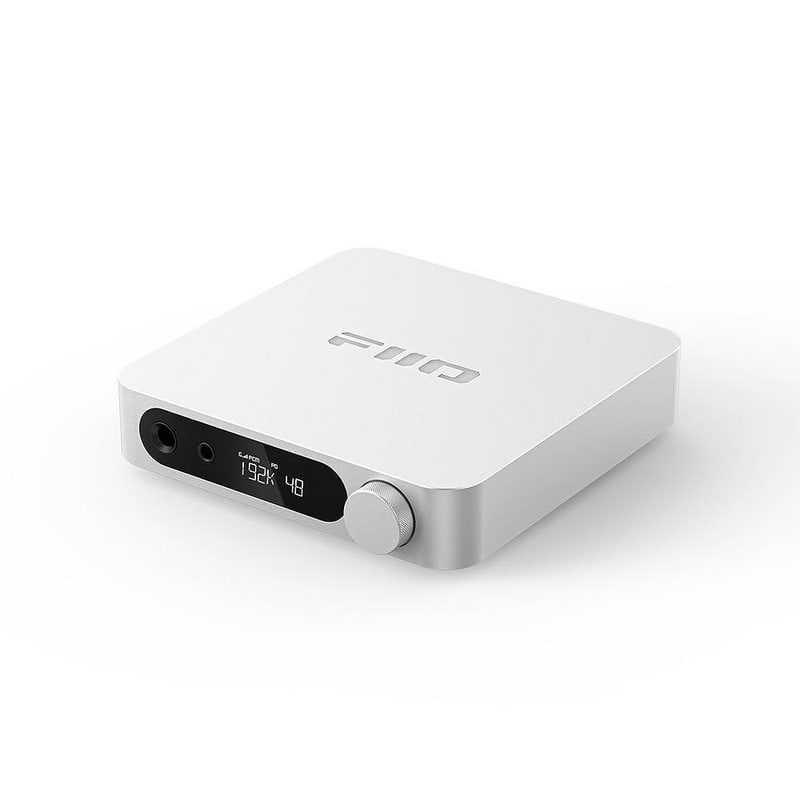
The ZEN DAC 3 and FiiO K11 both run bus-powered from USB, which is convenient and usually fine. But electrically noisy USB ports — common on cheaper motherboards and many PC cases — can introduce audible artefacts, especially at low signal levels. iFi recommends their own iPower supply and they're not wrong to; it's not a sales grab, it's a real-world electrical issue. If you're running either unit from a dedicated USB audio card or a clean USB hub, you'll often be fine. If you're plugging directly into a generic motherboard header, consider a USB power filter or a separate supply before you blame the DAC.
Matching a DAC/amp to your headphones
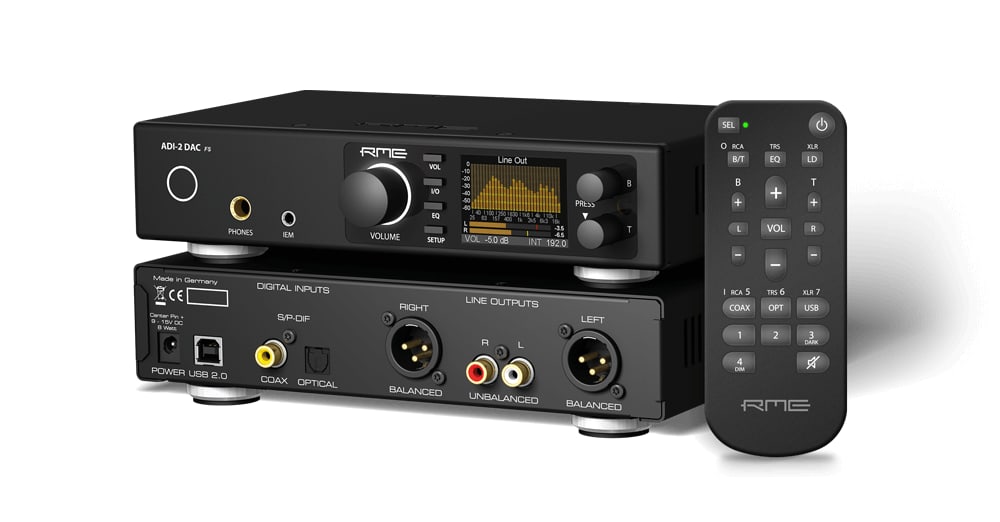
Low-impedance, sensitive IEMs need a quiet output; the RME ADI-2 DAC FS has a separate IEM output specifically for this reason, with lower gain and lower noise than the main phones jack. High-impedance dynamics (think Sennheiser HD 800 S at 300 ohms) need voltage swing. Planars need current. The K11's 1400mW balanced figure isn't marketing fluff — it genuinely opens up mid-tier planars that a weaker amp leaves sounding congested and slow. Match these before worrying about anything else.
At a glance
#2 · Sources & Streaming
Chord Electronics Mojo 24.7/5$1195
Class-leading sound from Chord's proprietary FPGA conversion
| # | Product | Price | Rating | Best for | Buy |
|---|---|---|---|---|---|
| #1 | RME ADI-2 DAC FS Sources & Streaming | $1849 | 4.8/5 | Reference-grade measured performance | Amazon |
| #2 | Chord Electronics Mojo 2 Sources & Streaming | $1195 | 4.7/5 | Class-leading sound from Chord's proprietary FPGA conversion | Amazon |
| #3 | iFi Audio ZEN DAC 3 Sources & Streaming | $399 | 4.5/5 | Balanced 4.4mm output at a low price | Amazon |
| #4 | FiiO K11 Sources & Streaming | $189 | 4.3/5 | 1400mW balanced output drives demanding headphones | Amazon |
Affiliate links — as an Amazon Associate and partner of Sweetwater / Thomann / Reverb / others, we may earn a commission at no extra cost to you.
#1 · Best overall
RME ADI-2 DAC FS
Rating: 4.8 / 5
The ADI-2 DAC FS is the benchmark every other desktop DAC gets measured against — literally, on Audio Science Review, and in my own listening room. Its parametric EQ alone justifies the price if you're serious about headphone correction, though the menu system will test your patience in the first week.
#2 · Best for sound quality in a compact form
Chord Electronics Mojo 2
Rating: 4.7 / 5
Chord's FPGA-based conversion is genuinely different from the ESS/AKM competition, and the Mojo 2's DSP tone-shaping is the only implementation I've heard that doesn't degrade transparency at the same time. Not ideal if you need it away from a charger for long stretches.
#3 · Best mid-range desktop pick
iFi Audio ZEN DAC 3
Rating: 4.5 / 5
A balanced 4.4mm output, a usable XBass+ boost, and pre-amp functionality at A$399 is a genuinely hard combination to beat in this bracket. Feed it a clean USB signal and it punches well above its asking price; pair it with a Pentaconn-terminated headphone and you're sorted.
#4 · Best value
FiiO K11
Rating: 4.3 / 5
At A$189 the K11 puts out more power than most headphones will ever need and adds a balanced output and RCA line-out without asking you to compromise on a DAC chip. Build quality reflects the price, but it'll drive a Sundara from balanced without breaking a sweat.
How we arrived at these picks
I've had most of these units on my desk at various points over the past two years — my current reference chain runs into an RME ADI-2 DAC FS, which is hardly a surprise given what I said above. I cross-reference with published measurements from Audio Science Review (Amir's database is genuinely the most useful public measurement resource in this space, whatever you think of his listening conclusions), alongside my own time with each unit.
Prices listed are Australian retail as of mid-2025. The RME in particular is worth shopping around for — authorised Australian dealers occasionally offer modest discounts, and the warranty support here is solid. FiiO and iFi gear moves through a wider range of local and grey-market channels; stick to local authorised dealers if warranty matters to you.
What to pair these with
At the A$399 ZEN DAC 3 level, I'd pair it with something like a Sennheiser HD 560S or a HiFiMAN HE-400SE on balanced — both sensibly priced, both well-matched impedance-wise. The RME opens up as a long-term investment piece; if you're spending A$1849 on the source, your headphone budget should be in a similar league, otherwise the DAC's resolution advantage goes mostly unheard.
One thing I'll say plainly: don't over-index on the DAC in your chain if your headphones are the weak link. I've watched people spend A$2000 on an ADI-2 FS and run it into A$150 closed-backs they bought for commuting. The order of operations matters — headphones first, then amplification, then source. The source is the last place audible gains get made, not the first.
And if you're sitting on the fence about whether any of this is worth the money at all: the gap between onboard laptop audio and a decent external DAC/amp is audible to essentially everyone who tries it back-to-back. The gap between a good mid-range unit and a reference unit is real but smaller, and whether it matters depends entirely on how much time you spend at that desk.
Common questions
- Do I actually need a balanced 4.4mm output, or is single-ended fine?
- For most headphones in the A$200–$600 range, balanced 4.4mm offers a measurable noise floor improvement and usually more power. Whether you'll hear the difference depends on how sensitive your headphones are and how quiet your listening environment is. With IEMs, the difference can be more audible because you're closer to the noise floor. With high-impedance dynamics, it's subtler. It's worth having the option, but don't make it the deciding factor if everything else about a single-ended unit suits you better.
- Is MQA support worth caring about in 2025?
- Honestly, no. MQA as a format is in significant decline following Meridian's licensing changes, and most major streaming services have moved away from it or are in the process of doing so. The ZEN DAC 3's MQA support is listed as a feature, but I wouldn't factor it into a purchase decision either way.
- Can I use any of these as a preamp for active speakers?
- Yes — several of these work as variable pre-outs. The ZEN DAC 3 has a switchable fixed/variable RCA output, making it a reasonable hub for both headphones and a pair of active monitors. The RME ADI-2 DAC FS also functions as a high-quality preamp with its own volume control and can drive both simultaneously. If you're building a dual-use desktop system with monitors and headphones, both are worth considering for that reason.
- Does it matter which USB port I plug my DAC into?
- More than people expect. USB ports on the same controller share bandwidth and, in some cases, share power regulation. A dedicated USB audio controller or a rear-panel USB 3.0 port connected directly to the motherboard tends to be cleaner than a front-panel port or a daisy-chained hub. If you're getting audible noise or dropouts, try a different port before anything else. USB power quality can also affect noise performance, particularly on bus-powered units like the K11 and ZEN DAC 3.
About the author

Theo Mensah
Digital, DACs & Streaming Editor · Perth, WA
Theo here. By day I write software, by night I argue with people on forums about whether bit-perfect playback is "solved" (it mostly is, and then it isn't). I cover the digital end — DACs, streamers, servers, the whole messy ecosystem of getting a file to sound its best. My promise to you: I'll separate the genuine engineering from the audiophile folklore, and I'll never tell you a $500 streaming bridge sounds "blacker" unless I can explain why.
Software engineer; network-audio and DAC specialist