Audeze's LCD-5s brings SLAM bass technology to its $4,500 flagship planar
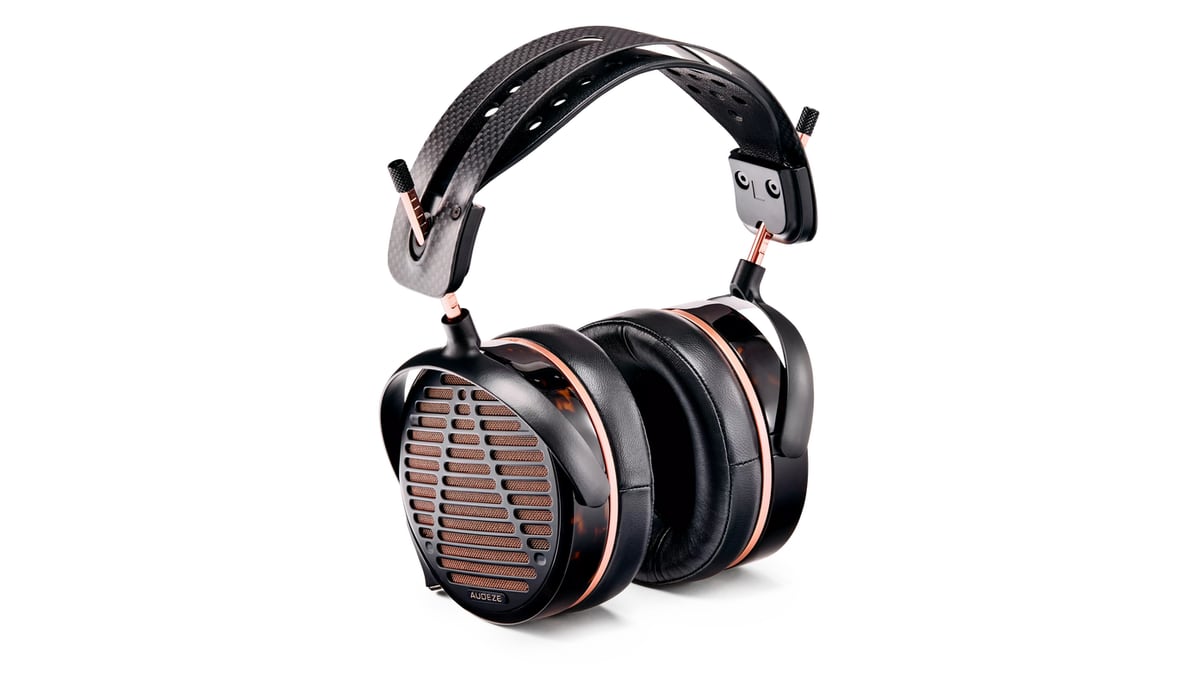
Audeze announced the LCD-5s at NAMM 2026 on January 22, and it's the kind of product refresh that makes you sit up and pay attention — not because the company has slapped a new letter on the box and called it a day, but because the change at the centre of it is genuinely interesting. The LCD-5s is a revision of Audeze's open-back flagship planar magnetic headphone, and it introduces something called SLAM — Symmetric Linear Acoustic Modulator — an acoustic technology designed to give the already-formidable LCD-5 more controlled, deeper bass. At $4,500 AUD, this is not a purchase anyone is making impulsively. So the question that matters is: does SLAM actually move the needle on a headphone that was already considered one of the finest planars ever made?
Let's dig in properly.
What is SLAM, exactly?
Before we talk about how the LCD-5s sounds, it's worth unpacking what SLAM actually is — because the name is doing a lot of heavy lifting, and "acoustic modulator" risks sounding like marketing wordplay unless you understand the mechanism behind it.
Symmetric Linear Acoustic Modulator is, at its core, an airflow and acoustic control system. Critically, it is not a DSP solution. There is no digital signal processing applied to the audio path, no EQ curves baked in, no software-driven correction happening behind the scenes. SLAM is a purely physical, passive acoustic engineering approach — it works by managing how air moves around and through the driver assembly to shape the low-frequency response in a more controlled, linear way.
Why does this matter? Because in the world of high-end headphones — particularly open-back planars — bass extension and bass control are perennially in tension. Open-back headphones are prized for their spacious, natural presentation and low levels of harmonic distortion, but their very openness means that low-frequency energy bleeds away rather than being contained and reinforced by an enclosure. Closed-back designs can lean on pressure build-up to reinforce bass, but open-backs have to earn their low end through driver quality and acoustic engineering alone.
Planar magnetic drivers — which Audeze has championed for well over a decade — are already extraordinarily good at reproducing bass. The distributed nature of the drive system across the entire diaphragm surface means there's very little of the pistonic break-up that can introduce coloration in dynamic drivers. But even the best planar driver can only perform as well as the acoustic environment around it permits. SLAM appears to be Audeze's solution to that acoustic environment problem: a mechanical system that symmetrically controls the airflow on both sides of the diaphragm to extend bass reach while simultaneously keeping distortion low and the presentation tight.
The fact that it's passive is, from an audiophile standpoint, the right call. DSP-based bass enhancement always involves trade-offs — phase issues, latency, and the philosophical problem of altering the signal before it reaches your ears. SLAM sidesteps all of that. What you hear is what the transducer produces, shaped by its acoustic surroundings rather than by an algorithm.
The hardware: 90mm drivers and a serious weight penalty
Underneath the SLAM system, the LCD-5s retains the core driver architecture of its predecessor. You're looking at 90mm planar magnetic drivers — large by headphone standards, and part of why Audeze's LCD line has always had such authority in the bass and lower-midrange. The open-back configuration is unchanged, which means the LCD-5s remains a headphone that rewards private, dedicated listening sessions rather than casual use on the couch.
Weight sits at around 475 grams. That is, to put it plainly, substantial. Audeze has long wrestled with the weight penalty that comes with large, magnetically loaded planar drivers, and while the company has made incremental improvements in frame and suspension design over the years, the LCD-5s is not a headphone you're going to forget you're wearing. Long listening sessions will require a thoughtful approach to fit and positioning. The headband suspension system needs to do real work here, and buyers coming from lighter dynamic-driver flagships like the Sennheiser HD 660S2 (check price) will notice the difference immediately.
That said, weight has always been the implicit bargain with Audeze's flagship LCD line. You accept the heft because what's on offer in terms of driver quality and acoustic performance is difficult to find elsewhere at any price. The LCD-5s doesn't change that equation — it refines it.
Where the LCD-5s fits in the market
At $4,500, the LCD-5s is competing in a rarefied tier of the headphone market. This is a space populated by Focal's Utopia, Sony's MDR-Z1R, the HiFiMAN Susvara, and Sennheiser's own HD 800 S. Each of those headphones takes a different philosophical approach to sound reproduction, and each has its committed advocates.
The original LCD-5 was notable for moving Audeze in a slightly leaner, more neutral direction compared to the warmer, thicker presentation of earlier LCD models. It was tuned closer to the Harman target curve than, say, the LCD-4, and it attracted both praise from listeners who wanted a more reference-like presentation and mild criticism from those who missed the lush, full-bodied character of earlier Audeze flagships.
The LCD-5s, with SLAM, appears to be a deliberate recalibration. The promise of deeper and more controlled bass suggests Audeze is aiming to bring back some of the visceral low-frequency authority that defined the earlier LCD line, without sacrificing the resolving neutrality that made the LCD-5 such a technically impressive headphone. If that balance has been achieved, the LCD-5s could represent the most complete headphone Audeze has produced.
It's also worth contextualising the price against what $4,500 buys you in other parts of the high-end audio ecosystem. That's approaching the territory of serious standmount loudspeaker systems, and it's more than enough to fund an exceptional digital front end. A quality DAC and network streamer combination in the $1,500–$2,500 range paired with a capable headphone amplifier would leave room in a $4,500 budget for a very good — if not flagship — headphone. The LCD-5s asks you to commit that entire budget to the transducer alone, which means it also requires that you have a suitable amplification and source chain already in place.
Driving the LCD-5s: amplification and source considerations
This is a point that cannot be overstated for Australian buyers considering the LCD-5s: planar magnetic headphones of this calibre are ruthlessly revealing of upstream components, and the LCD-5s will not forgive a weak source chain.
Planar magnetic drivers present a low but relatively stable impedance load — typically in the 14–20 ohm range for Audeze flagships — which sounds easy to drive on paper, but the current demands can be significant. Many portable devices and integrated amplifiers with headphone outputs will produce technically audible sound, but they will not unlock what the LCD-5s is capable of. A dedicated headphone amplifier with robust current delivery is strongly recommended.
On the digital front, the DAC in your chain will be exposed. The LCD-5s's resolving capability means that differences between digital sources are plainly audible. A device like the Chord Electronics Mojo 2 (check price) makes for a compelling portable or desktop source option — it's a genuinely high-quality DAC/amp combination that has proven itself with demanding planar loads. For desktop use, stepping up to a dedicated DAC with a separate headphone amplifier is where the LCD-5s will really start to breathe.
Consider also gain structure when building your chain. The interplay between source output level, DAC output voltage, and headphone amplifier gain setting matters more with a $4,500 headphone than it does with something you paid $500 for. Getting this right — matching levels so you're operating in the linear range of your amplifier without excess noise floor — is part of extracting full value from a headphone at this level.
The SLAM promise: bass that doesn't sacrifice transparency
What I find most intellectually compelling about SLAM is what it doesn't do. It doesn't add warmth through a gently rising bass shelf. It doesn't pad out the low end with a DSP curve. It doesn't give you the illusion of bass at the expense of articulation. The entire premise is that by better controlling the acoustic environment around the driver mechanically, you get bass that is both deeper and more precisely rendered — extension and control arriving together rather than trading off against each other.
In practice, this should mean kick drums that hit lower and stop more cleanly, upright bass notes that have genuine fundamental weight without smearing into the lower midrange, and electronic music — sub-bass, 808s, layered bass synthesis — that feels physically present rather than merely audible. For genres where low-frequency texture is load-bearing musical information, that distinction matters enormously.
The risk with any bass-focused acoustic engineering is that the midrange gets pushed back, or that the carefully balanced tonal presentation of the original is disrupted. Given Audeze's track record and the passive nature of SLAM, I'd expect the midrange and treble of the LCD-5s to remain very close to the LCD-5's signature. But this is something that extended listening will confirm or challenge in ways that a first-look analysis cannot.
Soundstage and imaging on an open-back flagship
One area where the LCD-5 always performed strongly was soundstage and imaging. The open-back architecture, combined with the precision of the planar driver and the headphone's relatively neutral tuning, produced a convincingly wide and three-dimensional presentation for a headphone — not quite the ethereal out-of-head experience of the HD 800 S, which uses its unusual cup geometry to push the image forward, but spacious and well-organised with excellent placement of individual elements within a mix.
SLAM, being an acoustic modification focused on the bass region, should have minimal impact on the midrange and high-frequency imaging properties that define the LCD-5's spatial character. If anything, tighter bass control could improve the overall coherence of the soundstage by reducing low-frequency overhang that might otherwise slightly muddy spatial cues in the lower registers. This is speculative, but acoustically it tracks.
Australian context: pricing, availability, and the case for buying local
The LCD-5s carries a $4,500 price tag in Australia, which puts it at the top of what most serious enthusiasts will consider for a personal audio purchase. It's available from January 2026, so stock should be accessible through authorised Audeze dealers in Australia by now.
For buyers at this level, I'd strongly encourage auditioning in person before committing. The LCD-5s's weight, its fit characteristics, and the particular character of its sound are things that a specification sheet and even a detailed review can only approximate. High-end headphone listening is deeply personal — tonal preferences, sensitivity to bass emphasis, and comfort tolerances vary enormously between individuals. A headphone that represents someone's ideal could be a poor fit for someone else, and at $4,500, that's a mismatch worth preventing.
Australia's high-end audio retail scene has thinned over the years, but dedicated headphone dealers in Sydney and Melbourne generally carry Audeze's flagship range. It's worth making the trip.
Who is the LCD-5s for?
The LCD-5s is for the listener who has already built a serious personal audio system — a quality DAC, a dedicated headphone amplifier, a resolved source chain — and who is ready to invest in the transducer that will make that chain sing. It is not an entry point into high-end headphone audio. It is, rather, a destination.
It will appeal particularly to listeners who:
- Value tonal neutrality and technical resolution above warmth or "musicality" as a form of colouration
- Listen to music with complex, demanding low-frequency content — jazz, orchestral, electronic, contemporary R&B and hip-hop
- Want the openness and spaciousness of an open-back design without the bass limitations that sometimes accompany it
- Have the upstream components to match the LCD-5s's resolving capability
- Are prepared to manage the weight for longer listening sessions
It will be a harder sell for listeners who prefer a warmer, lusher presentation; those who need a portable or versatile headphone; or those who don't yet have the amplification chain to support it.
Final thoughts
Audeze's LCD-5s is a genuinely interesting product at an important moment for the personal audio market. The introduction of SLAM represents a serious piece of acoustic engineering — not a feature checkbox, not a DSP trick, but a physical solution to a long-standing challenge in open-back headphone design. The fact that it debuts on Audeze's flagship at NAMM 2026 suggests the company is confident in what it delivers.
The $4,500 price point is confronting but not unreasonable in context. This is a segment where engineering effort, material quality, and acoustic performance genuinely cost money to achieve, and Audeze's flagships have historically earned their prices even when they've attracted debate about tuning choices.
Whether the LCD-5s gets the SLAM-enhanced bass balance exactly right — whether it manages the delicate act of adding low-frequency weight without disturbing the rest of the picture — is the central question that only sustained listening can answer. On the evidence of what we know about the technology and Audeze's track record, the grounds for optimism are solid. This is a headphone that deserves serious attention from anyone operating at the top of the personal audio market.
Extended listening notes to follow.
Common questions
- What is SLAM technology in the Audeze LCD-5s?
- SLAM stands for Symmetric Linear Acoustic Modulator. It is a passive acoustic control system — not DSP — that manages airflow around the driver assembly to extend bass depth and improve bass control without altering the audio signal electronically.
- How much does the Audeze LCD-5s cost in Australia?
- The LCD-5s is priced at $4,500 AUD and was made available from January 2026 following its announcement at NAMM 2026.
- What amplifier do I need to drive the Audeze LCD-5s?
- The LCD-5s requires a dedicated headphone amplifier with strong current delivery. Planar magnetic drivers present a low-impedance, current-hungry load that most integrated amplifier headphone outputs will not drive optimally. A separate, high-quality headphone amplifier paired with a capable DAC is strongly recommended.
- How heavy is the Audeze LCD-5s?
- The LCD-5s weighs around 475 grams, which is substantial. This is a common characteristic of large planar magnetic headphones and something prospective buyers should factor into their decision, particularly if they plan on extended listening sessions.
- Is the Audeze LCD-5s suitable for portable use?
- No. The LCD-5s is an open-back, large-driver planar magnetic headphone intended for dedicated, seated listening sessions at home or in a studio. Its open-back design leaks sound in both directions, its weight makes extended portable use uncomfortable, and it requires a serious amplification chain to perform at its best.

I'm Eleanor — most people call me Nell. I came to this from the studio side, so I spend more time with headphones on my head than speakers in a room, and I've learned to hear the difference between detail and brightness pretending to be detail. I'm obsessive about fit and comfort, because the best-sounding headphone in the world is useless if it's clamping your skull after twenty minutes. I review everything from $200 daily-drivers to silly flagship planars.
Mastering-adjacent background; IEM and open-back specialist
More from Eleanor Shaw
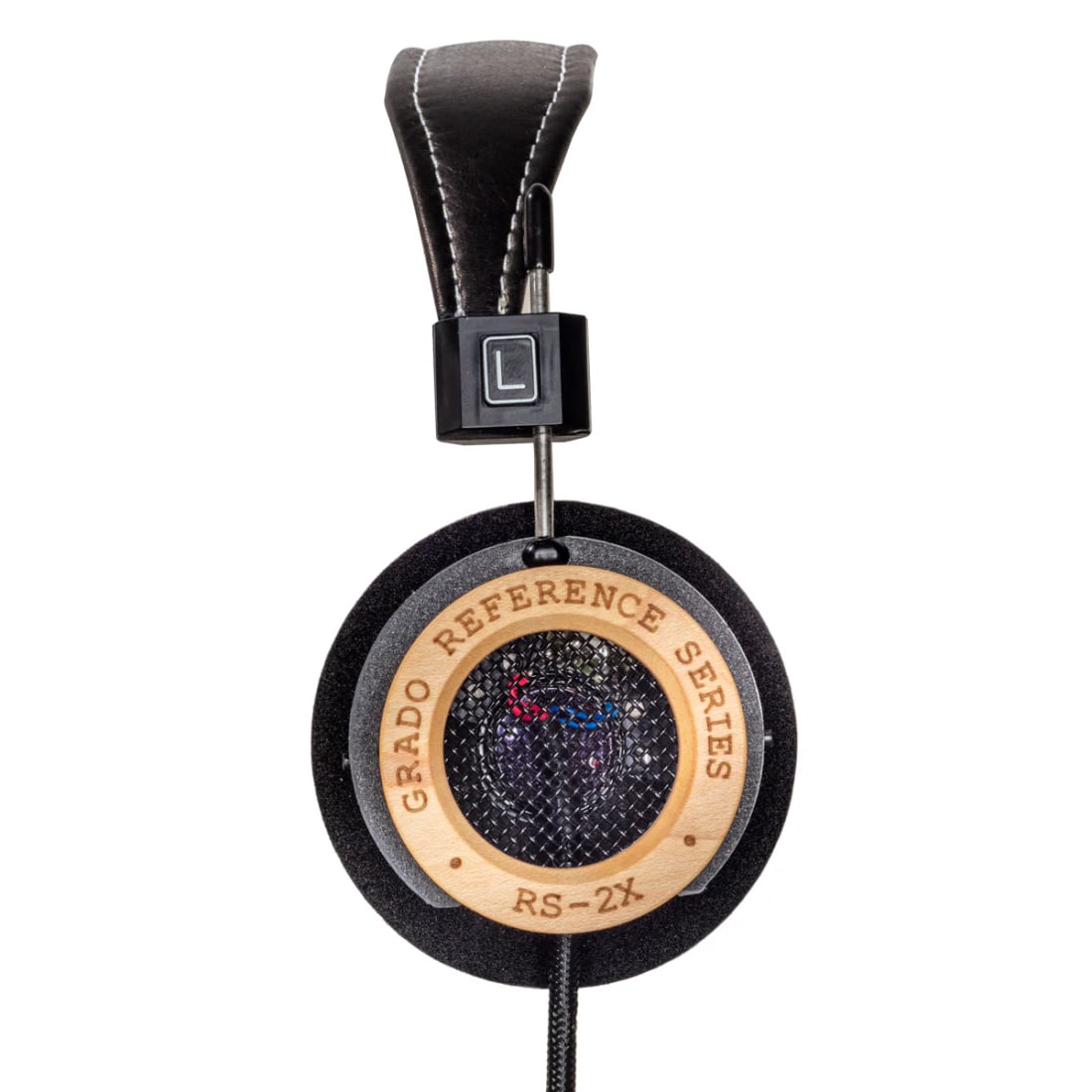 IEM ear tips: the free upgrade that beats most cable swapsEar tips shape IEM sound more than most upgrades costing real money. Here's how seal, bore size and tip material actually change what you hear.
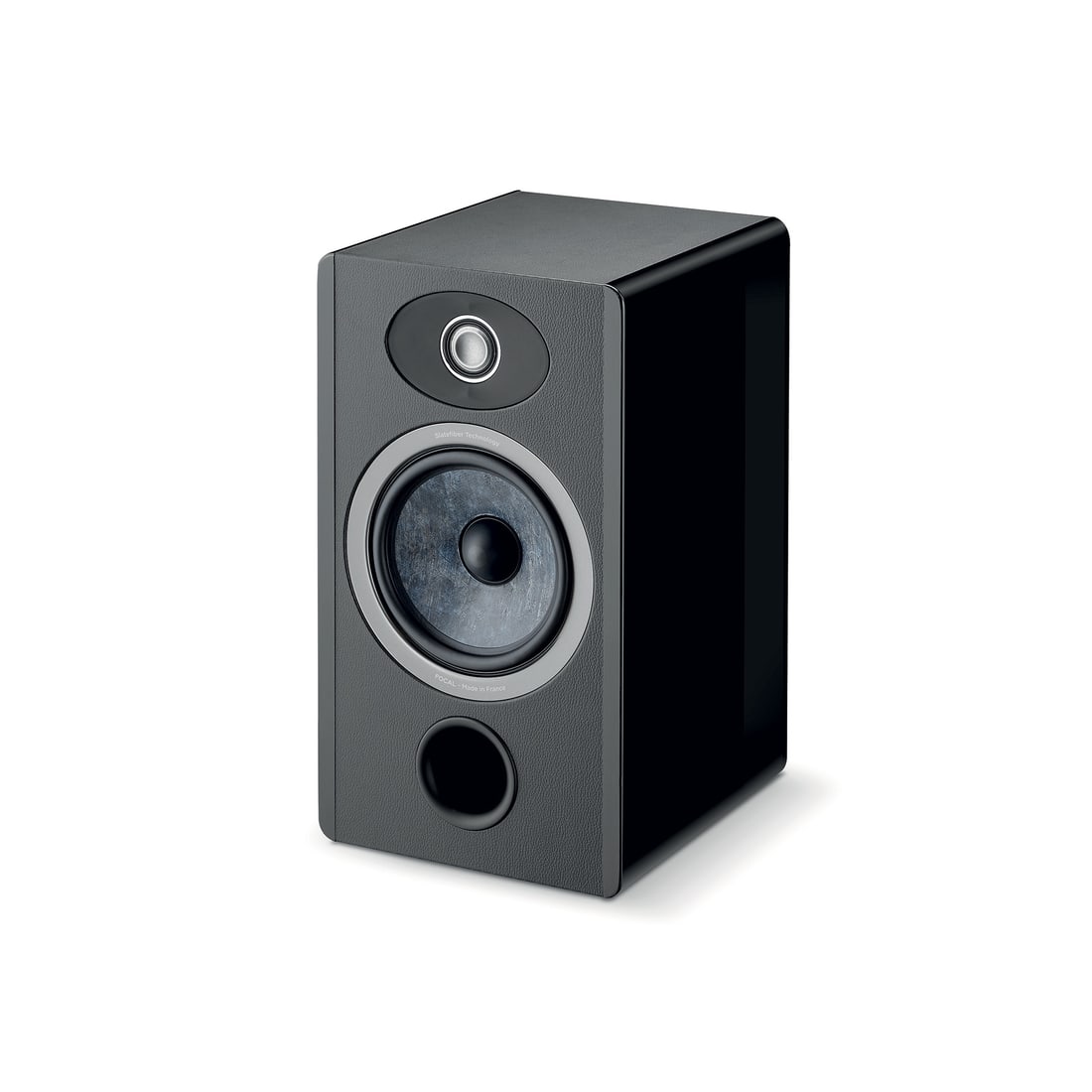 Standmounts near-field, floorstanders far: matching speaker format to listening distanceListening distance changes which speaker format actually works. Here's how near-field, mid-room and far-room seating should shape your standmount vs floorstander decision.
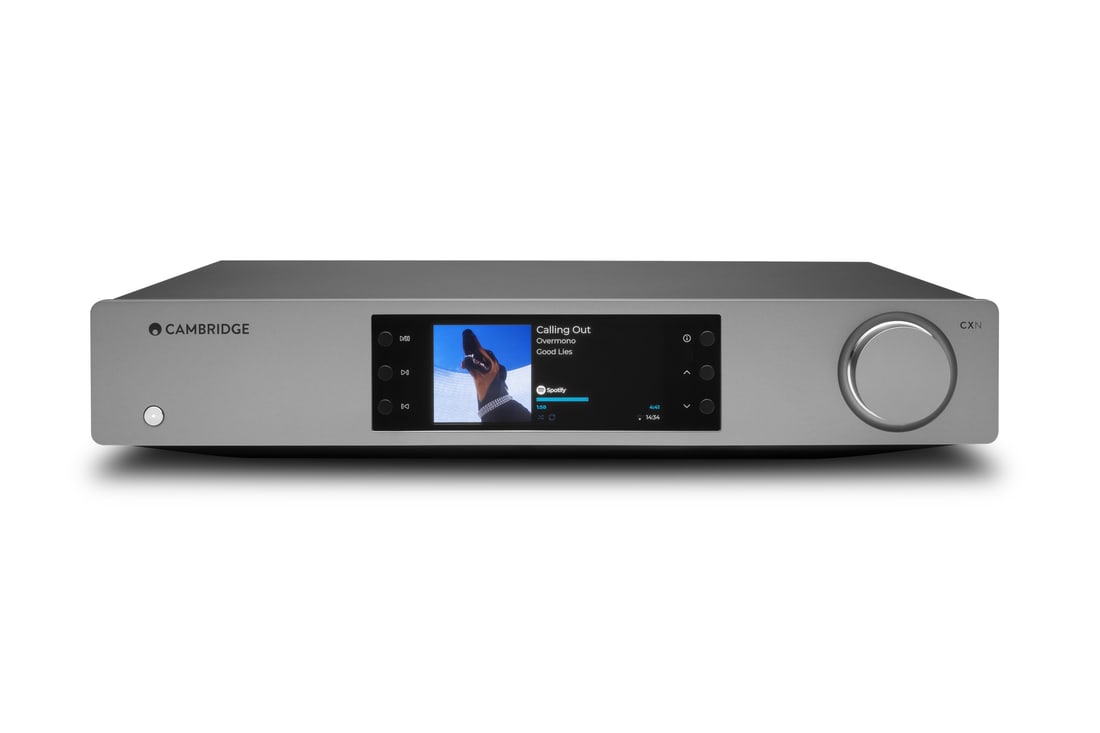 Multiroom for headphone listeners: building a private zone that doesn't sound like an afterthoughtMost multiroom systems are designed around speakers in rooms. Here's how to build a headphone zone into that same ecosystem without gutting the sound.
- Multiroom for headphone listeners: getting a private zone rightMultiroom systems are built around speakers in rooms. Here's how to get a proper headphone zone out of the same network, without losing resolution.
- Bit-perfect and PCM vs DSD: which digital format claims actually matterDSD, MQA, bit-perfect, hi-res PCM — Nell Shaw sorts which digital audio format claims genuinely change what you hear and which are marketing noise.
- Clamping force and headband sag: the comfort variables nobody measuresFrequency response gets all the graphs, but clamping force and headband sag decide whether you'll actually wear a headphone past the twenty-minute mark.