Clamping force and headband sag: the comfort variables nobody measures
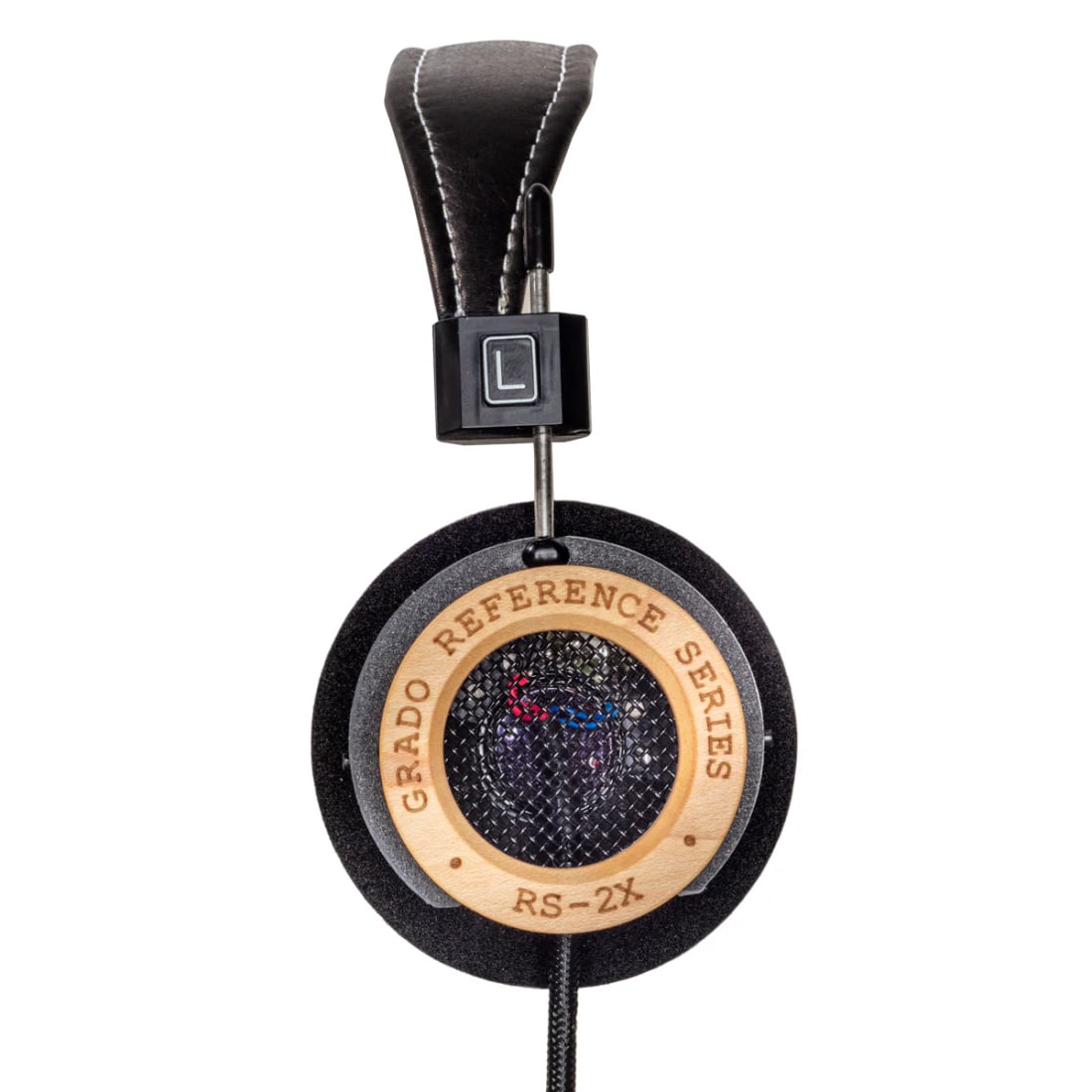
Forty minutes into a mixing session at a studio on Peel Street in Adelaide a few years back, I had to stop and take a photo of the red line across my temporal bone. Beautiful headphone. Genuinely lovely midrange. And it was slowly crushing my skull like a nutcracker. Nobody had measured that. Nobody puts clamping force on a spec sheet, and it's arguably more important to whether you'll actually listen to the thing than another decibel of extension at 30Hz.
I've been banging on about this for years to anyone who'll listen (pun sort of intended), and I still think it's the most under-discussed variable in headphone buying. Frequency response graphs are everywhere now — Crinacle's database, various measurement rigs on forums, manufacturer spec sheets with impedance and sensitivity. Clamping force? Headband sag over eighteen months? Pad degradation rate? Nothing. You find out the hard way, usually after the return window's closed.
What clamping force actually is and why it changes
Clamping force is the inward pressure the headband spring exerts to hold the earcups against your head. It's not fixed. It's a function of the headband material's spring rate, how wide your head is relative to the headphone's design target, and — this is the part people miss — how much the headband has already stretched from use.
A new pair of, say, a Beyerdynamic DT 1990 PRO MK II will clamp noticeably harder out of the box than the same pair after three months of daily wear, because the metal or composite headband is under constant tension and it relaxes over time. Beyerdynamic's own design philosophy has historically erred toward firmer clamp for bass seal and stability, and reviewers who complain about early clamping pressure on that model are often reporting from week one, not month six. I've had readers write in convinced their headphone was defective because the clamp eased off — it wasn't defective, it was breaking in exactly as intended.
The trouble is the reverse failure mode is more common and less talked about: headbands that sag too much. A headphone with a self-adjusting strap or a leather band under a metal frame can lose enough tension over two or three years that the earcups no longer seal properly against your head, especially on closed-backs where seal is doing real acoustic work. Suddenly the bass you loved has gone thin and you assume the drivers have degraded. Usually they haven't. The suspension has.
Why this matters more on some designs than others
Open-back headphones are more forgiving of clamp variance because there's no seal to maintain — air moves freely through the driver housing regardless of how snug the fit is. The Sennheiser HD 660S2 and similar open designs can run a lighter clamp because the sound doesn't depend on an airtight cavity against your ear.
Closed-backs are a different story. The Focal Clear MG (check price) is open, so this doesn't apply directly, but closed designs like a lot of studio monitoring headphones rely on that seal for isolation and for the low-end response the driver was tuned to deliver. Lose the seal through headband sag or a head shape that doesn't match the clamp geometry, and you lose bass first, then isolation, then the whole tonal balance shifts brighter because the midrange and treble are less attenuated by comparison. This is the isolation-versus-fidelity trade I've written about before — see our guide to the best audiophile headphones for how that plays out model to model — but the fit dimension of it rarely gets its own conversation.
Planar magnetic headphones complicate this further because the drivers themselves are often heavier. The Audeze LCD-X (check price) needs a headband and suspension system robust enough to carry real mass without that weight translating into clamping pressure, which is why Audeze and other planar makers have moved toward suspension-strap designs rather than simple pivoting yokes. A heavy driver on a badly-matched clamp doesn't just hurt after twenty minutes, it can genuinely fatigue your neck over a long session.
How to actually test clamping force before you buy
Short of an engineering lab, there's a reasonably reliable home method. Put the headphone on and set a timer for fifteen minutes doing something else entirely, ideally reading or working, not sitting there thinking about the headphone. Comfort assessments done in the first ninety seconds are almost useless because your head hasn't had time to register sustained pressure points. The first ache usually shows up around the twelve to eighteen minute mark, right where the headband crosses the crown, or at the top of the ear where the pad meets your jaw.
If you can, try the same model in two different states — a demo unit that's been handled a lot in a shop will have relaxed clamp compared with a factory-fresh box. That difference alone tells you where on the curve you're likely to land after a few months' ownership. Bricks-and-mortar shops that keep well-used demo stock, rather than sealed display units, are honestly more useful for this than any spec sheet.
Worth noting: some manufacturers publish a clamping force figure in Newtons in their technical documentation, though it's inconsistent across brands and rarely on the retail box. Where it exists, treat under 3N as light and forgiving, and anything approaching 5N or beyond as firm — expect a proper break-in period before it settles.
Headband sag is a slow-motion failure mode
Sag doesn't announce itself the way a broken driver does. It creeps. A headphone that fit perfectly for the first year will, by year three, sit slightly differently on your head — the cups drop half a centimetre, the seal loosens, and you adapt without noticing because the change happens gradually across dozens of listening sessions rather than between two directly comparable ones.
I'd argue this is actually the more common real-world complaint people bring to me, more than initial clamping discomfort. Someone emails convinced their headphone's driver has "lost detail" and nine times out of ten, once we talk through it, the actual issue is the headband has relaxed past the point of maintaining seal, or a pad has compressed and lost its loft. Foam degrades. Leatherette cracks and the foam inside it compresses unevenly. None of this shows up on a frequency response chart taken on day one with a fresh unit on a test rig, which is most of what gets published.
The fix, where the headphone supports it, is usually a pad replacement rather than a whole new headphone. Grado models like the RS2x (check price) use simple foam pads that are cheap and easy to swap, and doing so every twelve to eighteen months of regular use will do more for sustained comfort than almost anything else you could spend money on. Models with proprietary pad shapes are pricier to service this way but the principle holds.
Fit is personal in a way frequency response isn't
Here's the mildly contrarian bit: I think the entire practice of ranking headphones primarily by measured frequency response, while ignoring fit almost entirely, has produced a generation of buyers who chase graphs and end up with headphones they physically can't wear for a full album. A headphone measuring beautifully flat means nothing if the clamp gives you a headache by track four. Head width varies genuinely across the population — narrower through Southeast and East Asian populations on average, wider in others — and headphone headband geometry is designed, inevitably, around whatever population the R&D team had easiest access to during development. That's not a conspiracy, it's just how product design works, but it means "universally comfortable" is a myth worth being sceptical of.
The Meze Audio 109 Pro (check price) and the Sennheiser HD 660S2 (check price) sit at genuinely different points on the clamp spectrum, and I've had readers swear by one and find the other unwearable, with no correlation to anything you'd read in a spec comparison. This is exactly why I keep saying: don't buy a headphone off a graph alone if you can possibly try it first, even a rushed ten minutes in a shop is better than nothing, and if buying online, check the return policy specifically covers "doesn't fit comfortably" as a return reason, not just "defective."
Adjusting what you've already got
If you own a headphone that clamps too hard and can't return it, there are a couple of legitimate fixes rather than snake oil ones. Gentle, controlled bending of the headband — done slowly, a little at a time, over books or a box roughly the width of your head, left for a day or two under light pressure — will genuinely reduce clamp on most metal or composite headbands. This is a known technique among headphone enthusiasts and it works, though it's irreversible if you overdo it, so patience matters more than speed here.
Pad thickness also changes the geometry in ways that affect perceived clamp. A slightly thicker pad increases the internal cavity volume and, on some designs, subtly reduces how hard the earcup presses because the pivot geometry shifts. It's not a universal fix and it will change the tonal balance slightly too, since pad depth affects the acoustic chamber the driver's firing into. Something to test cautiously rather than assume will solve everything.
Where this fits into building a system
If you're assembling a desktop rig around a headphone and a desktop DAC/amp, comfort is arguably the first spec that determines whether the rest of the investment gets used. I've reviewed setups paired with genuinely excellent amplification, sitting in the original box because the headphone itself was a poor physical fit. The order of priorities I'd suggest, and I've said this before, is fit and seal first, tonal preference second, and everything electronic after that — an amp change won't fix a headband digging into your skull.
For anyone building out a full desktop station, our piece on desktop DAC/amps covers the electronics side, but treat the headphone fitting as step one, not an afterthought once the gear's already ordered.
The short version
Try before you buy wherever it's remotely practical, and if you're buying online, check the shop's return terms actually cover fit, not just faults. Give a firm-clamping headphone real time to break in before judging it, and if you've owned something for a couple of years and the sound's gone thin or hollow, check the headband tension and pad condition before you start blaming the driver. It's usually not the driver.
Common questions
- How long does headphone clamping force take to break in?
- Most headbands relax noticeably within the first few weeks of regular wear, with the bulk of the change happening in the first month. Full settling can take a couple of months depending on the headband material — metal frames typically ease off faster than composite or plastic ones.
- Can I fix a headphone that clamps too tightly?
- Yes, carefully. Gently stretching the headband over a box or stack of books roughly your head's width, left under light pressure for a day or two, is a known and generally safe technique on metal or composite headbands. Go slowly and check progress rather than over-bending in one go, since it's not easily reversible.
- Why does my old headphone sound different even though nothing's broken?
- Headband sag and pad compression over years of use can loosen the seal against your head, which changes bass response and perceived tonal balance on closed-back designs especially. It's often mistaken for driver degradation when a pad replacement or headband adjustment would fix it.
- Do open-back headphones need less clamping force than closed-back?
- Generally yes, because open-back designs don't rely on an airtight seal against your head for their sound, while closed-back headphones need consistent seal to maintain isolation and intended bass response, so they're typically less forgiving of a loose fit.

I'm Eleanor — most people call me Nell. I came to this from the studio side, so I spend more time with headphones on my head than speakers in a room, and I've learned to hear the difference between detail and brightness pretending to be detail. I'm obsessive about fit and comfort, because the best-sounding headphone in the world is useless if it's clamping your skull after twenty minutes. I review everything from $200 daily-drivers to silly flagship planars.
Mastering-adjacent background; IEM and open-back specialist
More from Eleanor Shaw
- Why your headphone desk needs a sub (and how to set it up)A subwoofer under the desk can fix what headphones can't do: chest-felt bass. Here's how to add one without wrecking your headphone sound.
 Dongle DACs vs desktop DACs: when the small one is actually enoughDongle DACs have closed the gap on desktop units for most headphones. Here's where the small ones genuinely hold up, and where they don't.
- Bluetooth codecs and multiroom: why your headphones sound different on Wi-FiWhy the same headphones sound different depending on whether they're fed over Bluetooth, AirPlay or a multiroom app — and how to get the best signal path at your desk.
 Cartridge tracking force: why "close enough" costs you detailTracking force outside the maker's range doesn't just risk your records — it quietly wrecks the detail and channel balance you paid for. Here's how to get it right.
- Streaming to headphones: getting multiroom apps to actually feed your DACMultiroom apps are built for speakers in rooms, not headphones at a desk. Here's how to get Spotify Connect, AirPlay and Roon actually feeding your DAC properly.
 AVR versus processor: when a home cinema actually needs to split the amps outAV receivers do almost everything a separate processor does, until they don't. Here's the honest line between "buy an AVR" and "go separates."