Tagged: Class D
14 articles we've published with this tag.
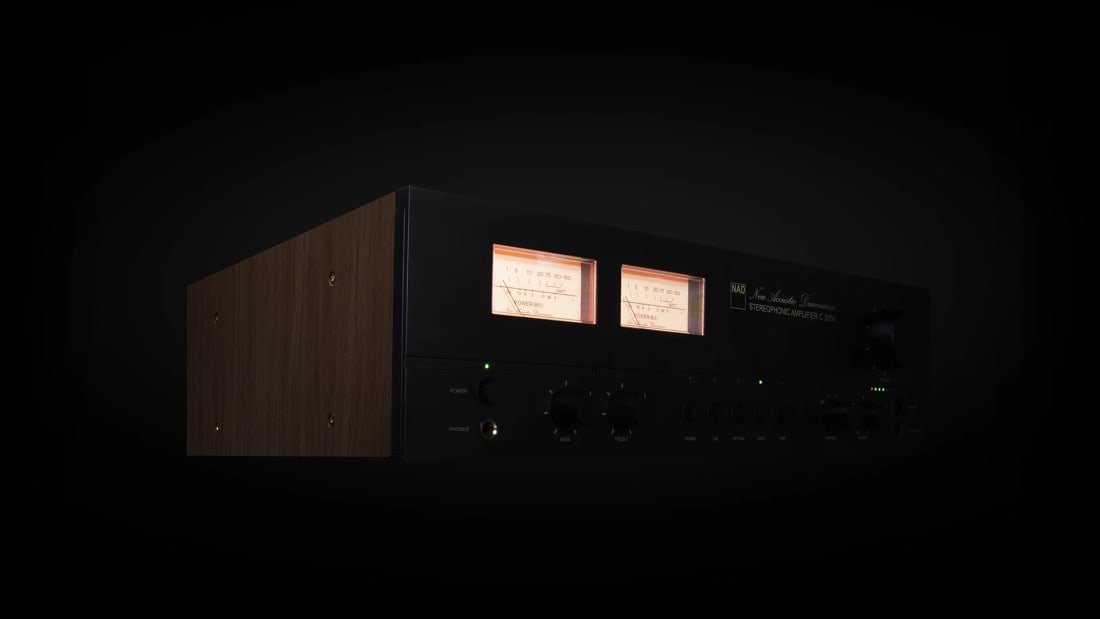 Negative feedback in amplifier design: the argument that never endsNegative feedback cuts amplifier distortion but divides designers. Here's what it does, why some statement amps avoid it, and what it means for you.By Sofia Laurent
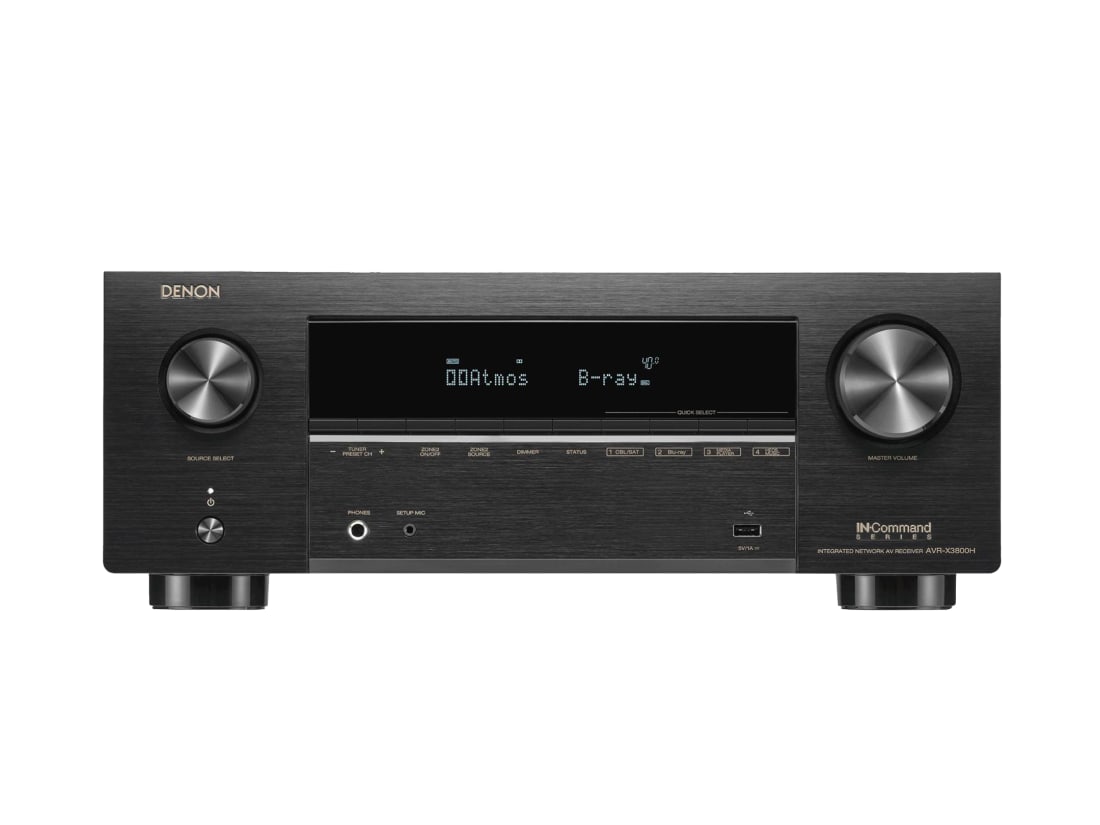 Why your home cinema amp runs hotter on movies than musicFilm soundtracks push amplifier channels harder and longer than stereo music ever does. Here's why that matters for topology, power supplies and what actually fails.By Jonno Fraser
- Damping factor: the amplifier spec everyone misreadsDamping factor sounds like a real engineering number, and it is, but past a certain point it stops telling you anything useful about how an amp will sound.By Marcus Vale
- Valve, solid-state or Class D: matching amp topology to your speakers, not your egoForget the tribal warfare. Here's how to actually match valve, solid-state and Class D amps to your speakers, your room and your budget.By Dave Okafor
- Pairing statement amps and speakers: watts are the least of itAt the top end, matching an amplifier to a speaker is about current, impedance behaviour and damping, not the number on the spec sheet.By Sofia Laurent
- Amplifier topology and speaker impedance dips: why the spec sheet liesA speaker's nominal 8-ohm rating hides impedance dips that punish some amp topologies more than others. Here's what the graph actually shows.By Marcus Vale
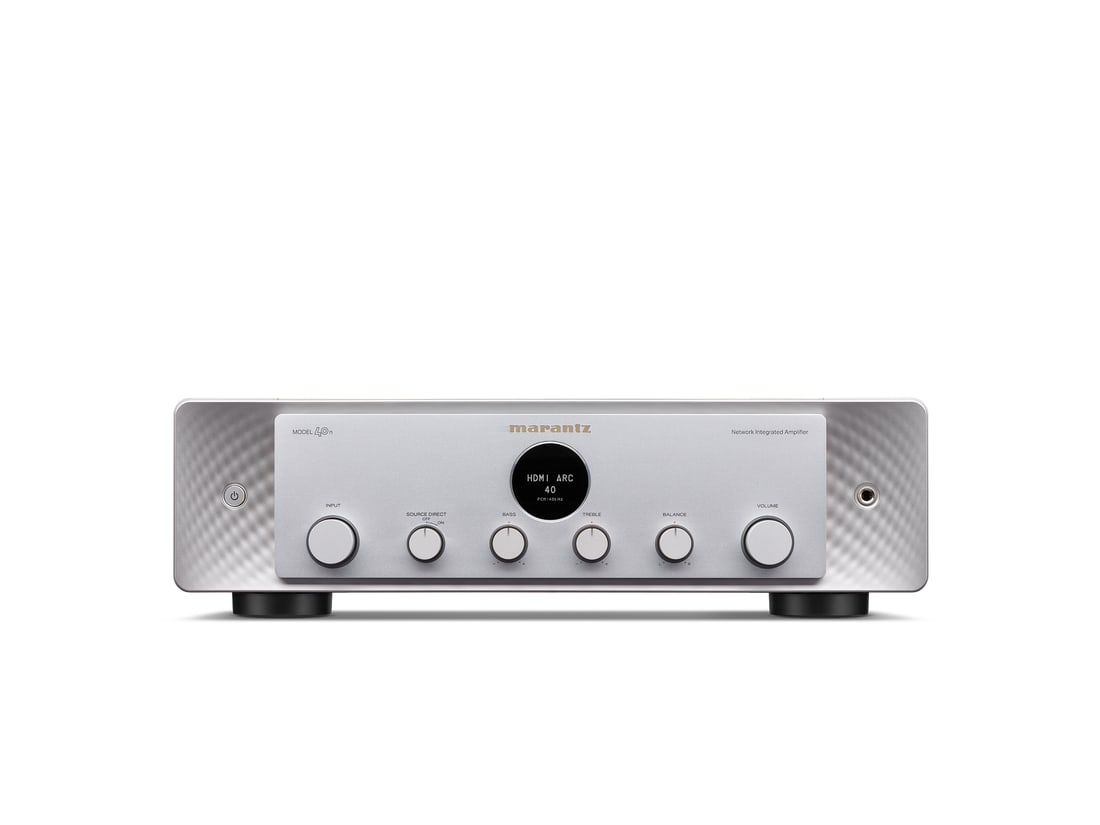 Feedback and damping factor: what negative feedback actually does in an amplifierNegative feedback gets blamed for "solid-state sound" more than any other design choice. Here's what it actually does, measured, and why the folklore doesn't hold up.By Theo Mensah
 Pairing headphones with amplifiers: power, impedance and topology explainedChoosing a headphone amp isn't just about budget. Nell Shaw explains how power, output impedance and circuit topology interact with your specific headphones.By Eleanor Shaw
 Power supply topology in high-end amplifiers: what it actually does to soundThe power supply is the foundation of every amplifier, yet it's rarely discussed. Sofia Laurent explains what the topology choices actually mean for sound quality.By Sofia Laurent
- Amplifier output impedance and damping factor: what the specs actually meanDamping factor and output impedance appear on every amp spec sheet, but few buyers know what they're really measuring. Here's what the numbers mean for your speakers.By Theo Mensah
- Valve, solid-state or Class D: how to choose the right amplifier topology for your systemValve, solid-state or Class D — each topology has real tradeoffs that affect what speaker you can drive and how it sounds. Priya Anand breaks it down honestly.By Priya Anand
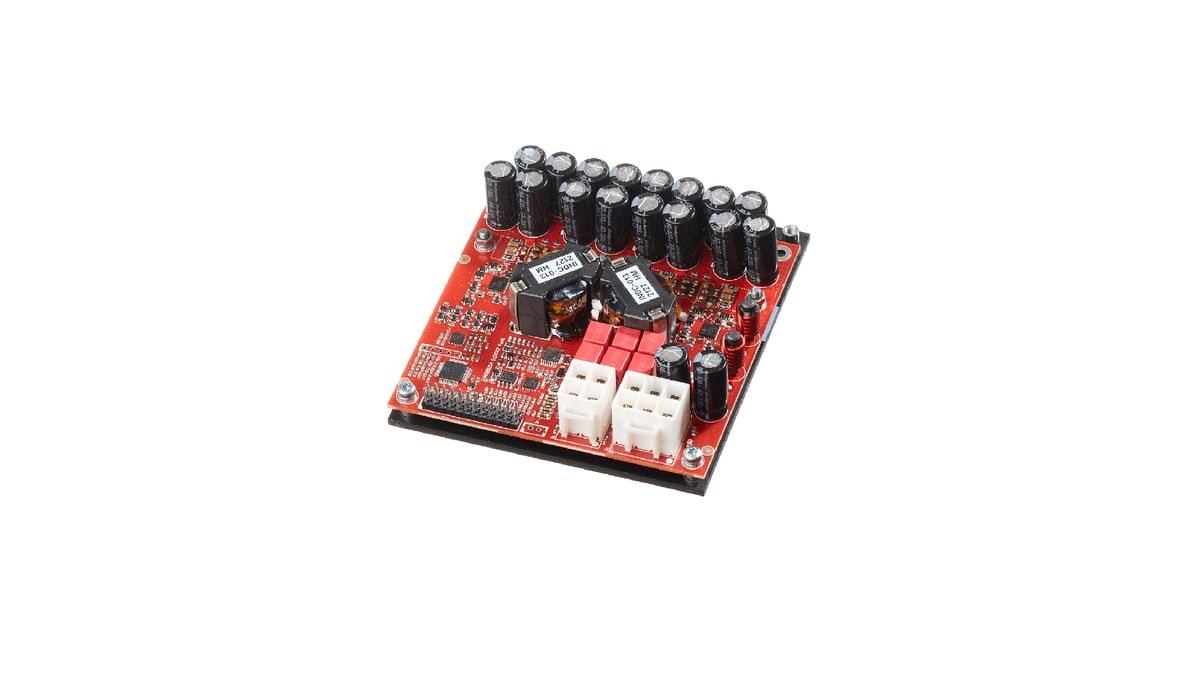 How Purifi's 1ET9040BA pushed Class-D to its limitsPurifi's 1ET9040BA claims distortion below 0.00017%, yet a Stereophile follow-up found defective units. What does state of the art really guarantee?By Marcus Vale
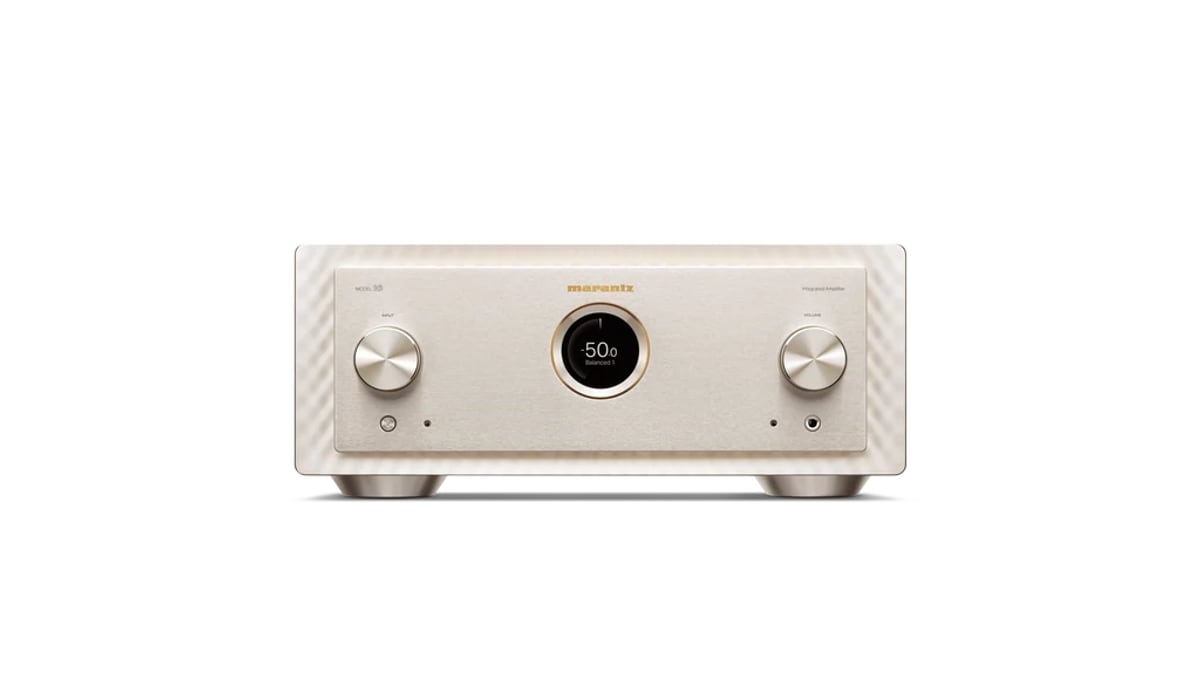 Class-D reaches the flagship tier with the Marantz Model 10The $15,000 Marantz Model 10 won EISA's top integrated amplifier award using Class-D. Here is what Purifi modules changed and who should audition it.By Marcus Vale
 Why GaN amplification specialists like Orchard still leadOrchard Audio's Starkrimson 25 Mono shows GaN amplification is still being pushed hardest by small specialists, not big brands. Here's what it means.By Theo Mensah