Loudspeaker sensitivity and amplifier matching: what the numbers actually predict
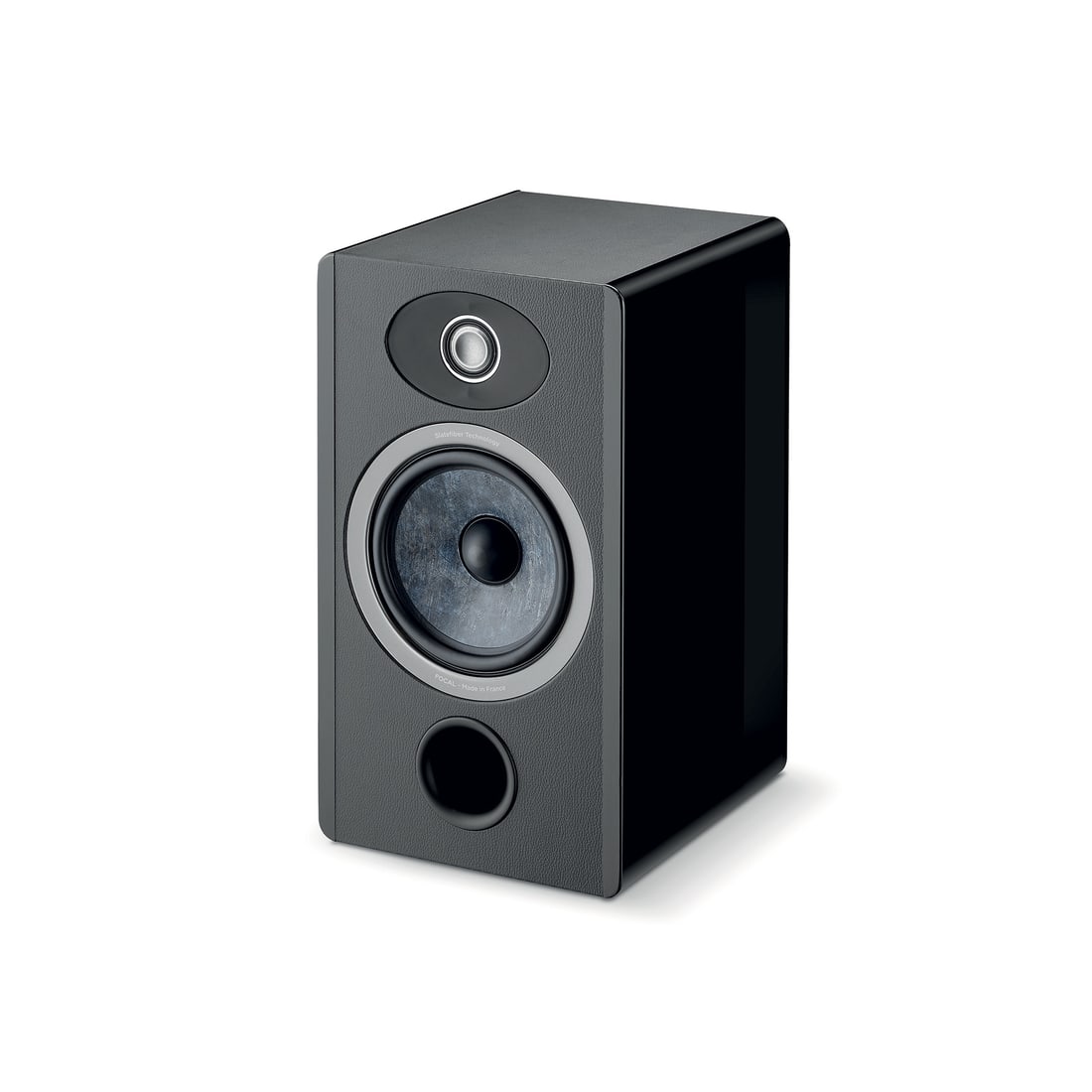
I had a bloke in a demo room last month insist his new floorstanders were "inefficient" because they sounded thin at low volume with his 30-watt valve integrated. They weren't inefficient. They were an 86dB/W/m design with a nasty impedance dip at 200Hz, being asked to do a job that amplifier was never built for. The speakers were fine. The pairing was the problem. This happens more often than most retailers admit, and it's almost always down to two numbers people glance at on a spec sheet and never actually interrogate: sensitivity and impedance.
Everyone in this hobby has been told "match your amp to your speakers" at some point, usually with zero explanation of what that actually means in practice. So let's get into the numbers properly, because they do predict something useful. They just don't predict what most people assume.
What sensitivity actually measures
Sensitivity is a measurement of how loud a speaker plays for a given input. Standard practice is 1 watt at 1 metre, expressed in decibels — you'll see it as 86dB, 89dB, 91dB and so on. It's derived from putting a fixed voltage through the speaker (2.83V, which works out to 1 watt into 8 ohms) and measuring the output with a calibrated mic at 1 metre on-axis, usually in an anechoic or gated near-field environment.
The scale is logarithmic, so the difference between an 86dB speaker and an 89dB speaker isn't 3 percent, it's roughly double the acoustic output for the same input power. That's the bit that catches people out. A 3dB gap looks trivial on a spec sheet. In practice it means the 86dB speaker needs twice the wattage to reach the same SPL as the 89dB speaker. Another 3dB on top of that and you're at four times the power. It compounds fast, and most listening rooms genuinely need average levels in the 85-95dB range for orchestral peaks or a well-mixed rock record to feel right without compression kicking in.
KEF's LS50 Meta, which I've had in my own room for stretches at a time, sits around 85dB sensitivity — properly power-hungry for a stand-mount. Compare that to something like a Fyne Audio F501, which typically measures a few dB higher. Neither number is "correct". They're different design philosophies, and they demand different amplifiers to sound their best.
Why watts don't scale the way people expect
This is where the maths gets uncomfortable for anyone who thinks doubling their amplifier's power rating will make things "twice as loud". It won't. Because of that logarithmic relationship, doubling power only nets you a 3dB increase in output. Going from a 50-watt amp to a 100-watt amp gets you 3dB more headroom. Going from 50 watts to 400 watts — an eight-fold increase — gets you around 9dB, which is audible and meaningful, but it took a genuinely enormous jump in power to get there.
This is why the "just buy a bigger amp" advice, while not wrong, is often poorly explained. If you're running an 86dB speaker in a larger room and you want realistic dynamic peaks without clipping, you don't need marginally more power, you need a lot more. This is precisely the scenario where a genuinely high-current solid-state design like the McIntosh MA352 or a well-engineered Class D amp with strong power supply headroom earns its keep over a modest 40-watt valve amp, however lovely that valve amp sounds at low levels.
I'll say the contrarian thing here because I think it needs saying: the industry's obsession with headline power figures is mostly noise. Two amps both rated at "100 watts" can behave completely differently under real musical load depending on their power supply, their damping factor, and how they handle a difficult impedance curve. The number on the box is a start, not an answer.
Impedance is the variable everyone skips
Sensitivity tells you roughly how much power a speaker wants under benign conditions. Impedance tells you how hard that power actually is to deliver. Every speaker's nominal impedance — usually quoted as 4 ohms or 8 ohms — is an average across the frequency range. The actual impedance swings, sometimes wildly, as frequency changes, and it's these swings, not the nominal figure, that separate an easy speaker from a genuinely difficult one.
A speaker with a nominal 8 ohm rating might dip to 3.5 ohms at a particular frequency where the crossover and driver resonance conspire against the amplifier. That dip is exactly where an underpowered or poorly regulated amp will struggle, sag in current delivery, and start to sound compressed or hard right at the point in the music where you wanted it to open up. This is a big part of why my B&W 705 S3 pairing suggestions and my Focal Kanta No.2 pairing suggestions look completely different from each other on paper, despite both being nominal 8 ohm and 4 ohm speakers respectively with broadly similar sensitivity. The impedance curve shape matters as much as the headline number.
Reputable manufacturers publish an impedance chart, not just a single figure, and it's worth asking your dealer to show you one before you commit to a pairing. If they can't produce it or wave the question away, that tells you something too.
Where valve, solid-state and Class D actually differ in practice
This is the part that turns theory into a genuine buying decision, and it's a topic I keep coming back to with readers because the folklore around it is thick.
Valve amps, particularly lower-power ones, generally have higher output impedance and lower damping factor than solid-state designs. That means their voltage output isn't as stable across a varying speaker impedance curve — which sounds like a flaw, and can be, but it also means a valve amp interacts with a speaker's frequency response in a way many listeners find musically pleasant, effectively riding the impedance curve rather than fighting it. This works beautifully with a high-sensitivity, benign-impedance speaker. It works badly with a low-sensitivity speaker carrying an angry impedance dip, because there simply isn't enough current reserve to cope.
Solid-state amps, by design, aim for a low output impedance and high damping factor, which means they hold their voltage steady regardless of what the speaker's impedance is doing. That's why a competent solid-state integrated like the Rega Brio Mk7 or Cambridge Audio CXA81 MkII can drive a genuinely wide range of speaker loads without drama, even if neither is a powerhouse on paper.
Class D has matured enormously in the last decade — it's not the harsh, thin-sounding technology it was in the early 2000s — but current delivery into difficult, low-impedance loads is still where the cheaper implementations show their limits. The better modern Class D designs, including what you'll find in something like the NAD C 3050, have addressed this with more serious power supplies, but it's still worth checking how a given amp behaves specifically into 4 ohms, not just what it's rated at 8.
If you want the fuller technical picture on how negative feedback and damping factor interact in an amplifier's design, I'd point you to our piece on feedback and damping factor — it's the natural companion read to this one.
A practical matching method that actually works
Forget rules of thumb like "always buy double the speaker's power handling". Power handling is a thermal survival rating, not a sound quality indicator, and it tells you almost nothing about how an amp and speaker will actually get along.
Instead, work backwards from real numbers. Figure out the loudest realistic peak SPL you want in your room — for most people that's 95-100dB at the listening position for transient peaks, not sustained average level. Check the speaker's sensitivity rating, factor in your listening distance (every doubling of distance from the speaker costs roughly 6dB), and calculate the power required to reach that peak without clipping. For an 86dB speaker at a typical 3-metre listening distance, hitting genuine 100dB peaks cleanly can require considerably more continuous power than most people assume, easily into three figures once you allow for headroom.
Then check the impedance chart for the ugliest dip, and make sure the amplifier you're considering has been reviewed or specified for stable operation into that lower impedance, not just its nominal rating. An amplifier that's happy into 8 ohms but unstable or thermally limited into 4 ohms is a real risk with a speaker that dips there, even if its headline wattage looks generous.
Room size is the variable people forget entirely. A pair of stand-mounts that sing in a 3.5 by 4 metre study will ask completely different things of an amplifier once they're relocated to an open-plan living space with a 6 metre listening distance and a vaulted ceiling eating your early reflections. If you're building a system for a bigger room, my colleague Jonno's take on floorstanders versus stand-mounts is worth reading alongside this — see speaker format by room for that side of the decision.
Streaming amps and all-in-ones muddy this further
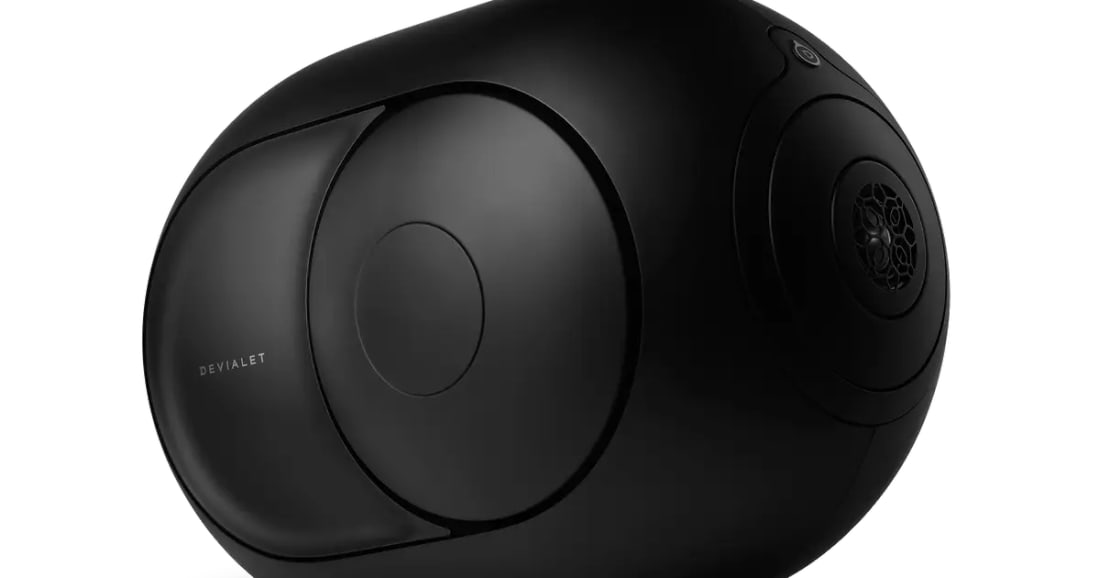
The rise of streaming amplifiers and powered speakers has actually made this whole conversation more relevant, not less, because the amp section is now baked in and non-negotiable. Something like a Naim Uniti Atom or a Devialet Phantom I 103 dB has a fixed power output and output stage design, full stop — you can't swap in more current reserve later if you decide to upgrade to a lower-sensitivity speaker down the track.
If you're building around one of these, the sensible order of operations is to pick your speakers first, understand their sensitivity and impedance curve, and then choose the streaming amp that has genuine headroom for that specific load, rather than falling for a package deal that happens to look tidy in the showroom. We've covered this pairing logic in more detail in our roundup of the best streaming amplifiers and all-in-one systems, which is worth cross-referencing against whatever speaker you've already got your eye on.
The room is still the deciding factor
I'd be a bad acoustics nerd if I didn't point out that none of this sensitivity and impedance maths matters if your room is working against you. A speaker struggling for headroom in a room with a bare wall behind the listening position and no early-reflection control will always sound underpowered, no matter what amplifier you throw at it, because you're fighting comb filtering and boundary reinforcement issues that no amount of current delivery fixes. I've had this exact conversation in a client's living room in Camberwell, where the "amp problem" turned out to be a wide expanse of plasterboard and glass with nothing to break up the first reflections. New amplifier, marginal improvement. Bookshelf placement and a rug, dramatic improvement.
So do the matching exercise properly, by all means — check sensitivity, check the impedance chart, work out your real SPL requirement for your actual room size. But hold the thought that the amplifier is only ever half of this particular conversation. The room is the other half, and it's usually the half that gets ignored until someone measures it.
Common questions
- Is a higher sensitivity speaker always easier to drive well?
- Generally yes for raw SPL, but sensitivity alone doesn't guarantee an easy load. A high-sensitivity speaker with a nasty impedance dip can still stress a marginal amplifier, so check both numbers together rather than sensitivity in isolation.
- Can I use a low-powered valve amp with a low-sensitivity speaker if I just listen quietly?
- You can, and it may sound fine at background levels, but you'll likely notice compression and a loss of dynamic punch the moment the music demands real peaks. It's workable for near-field desktop listening, less so for a proper living room.
- Does power handling in watts tell me anything about matching?
- Not much. Power handling is a thermal rating for how much continuous power the drivers can survive before damage, not an indicator of how well an amplifier and speaker will sound together. Sensitivity and impedance are the more useful numbers for matching.
- How do I find a speaker's actual impedance curve, not just the nominal rating?
- Check the manufacturer's technical documentation or a published third-party measurement. Reputable brands publish an impedance-versus-frequency chart; if a manufacturer only lists a single nominal figure, ask your dealer directly before buying.

Hi, I'm Hannah. Speakers are my thing — specifically, the conversation between a speaker and the room it's in, which is where most systems are won or lost. I did acoustics at uni and never quite got it out of my system. I'll measure your room's bass response and then gently break the news that the $20,000 speakers aren't the problem, the untreated wall behind your sofa is. Stand-mounts on good stands are criminally underrated and I will die on that hill.
Acoustics background; loudspeaker and room-treatment specialist
More from Hannah Reid
 Turntable isolation: why footfall and feedback matter more than the plinthSuspended floors, speaker vibration and footfall do more damage to vinyl playback than plinth material. Here's how to actually isolate a turntable.
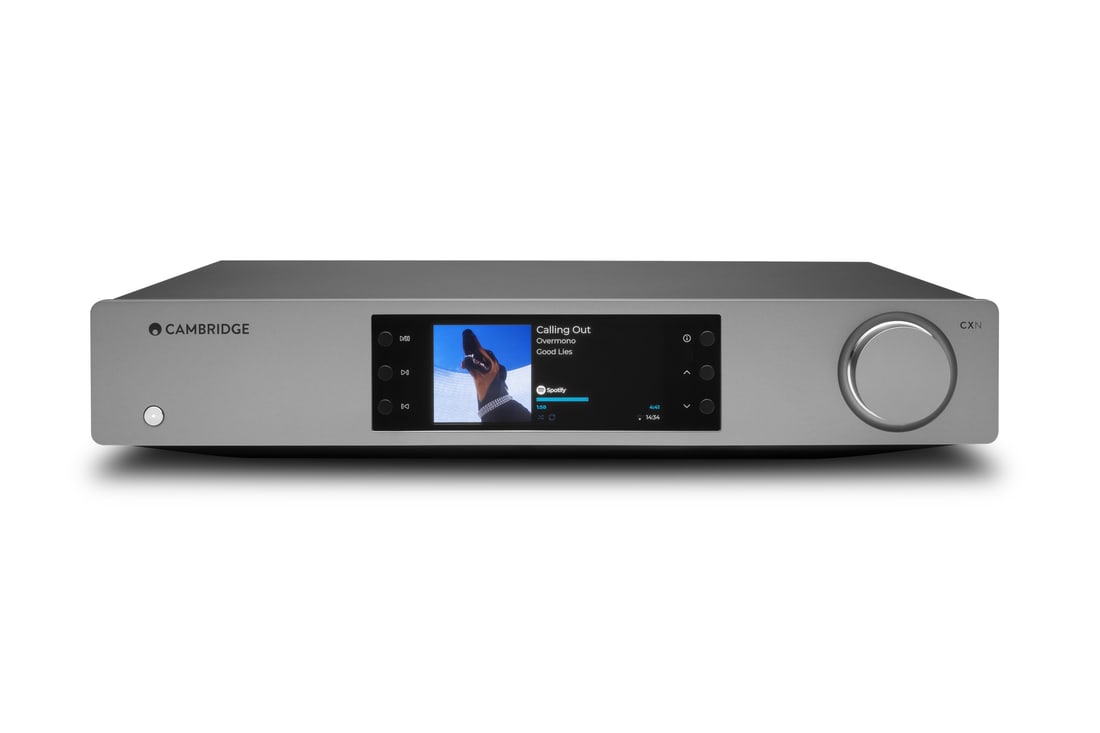 Why your streamer's output stage still shapes the sound at the speakerBits are bits, but the analogue stage after the DAC chip in your streamer still colours what your speakers do. Here's what actually matters.
- Subwoofer size versus number: why two small subs beat one big oneA 10-inch sub in two spots usually beats a 15-inch sub in one. Here's the room-mode maths behind why, and when a single big box still wins.
- Toe-in angle: the free speaker upgrade nobody bothers measuringToe-in angle changes your speakers' tonal balance and imaging more than most upgrades. Here's how to actually find the right angle for your room.
- Speaker stands and boundary distance: the invisible spec on your spec sheetStand height, mass and distance from walls change a standmount's measured bass and imaging more than most upgrades. Here's how to get it right.
- Where you put the DAC in the signal chain (and why it changes the sound)DAC before or after the preamp, streamer or separate box: where the conversion happens in your chain affects noise, volume control and cable runs more than the chip inside it.