Bruno Mars named 2026 Record Store Day ambassador: what it means for vinyl lovers in Australia
The announcement that got the vinyl world talking
On January 30, 2026, Record Store Day confirmed what had been quietly circulating in collector circles for a few weeks: Bruno Mars would serve as the US ambassador for RSD 2026, with the global event locked in for Saturday, April 18, 2026. For a lot of people in the audiophile community, that announcement landed somewhere between a raised eyebrow and genuine enthusiasm — and honestly, both reactions are fair. But the more I've sat with it, the more I think this is one of the smarter ambassador picks RSD has made in a while, and there's quite a bit for Australian vinyl enthusiasts to dig into here.
Let's be clear about what Record Store Day actually does for the local market. Yes, it's a US-originated initiative, and yes, the ambassador is always a North American headline. But the release list travels globally, and Australian independent record stores — from Basement Discs in Melbourne to Landspeed in Sydney to Record Exchange in Adelaide — participate with genuine enthusiasm each year. April 18 is already in a lot of collectors' diaries. The question is: what are you queuing for, and is this year's list worth the early alarm?
Bruno Mars and The Collaborations — the exclusive release explained
The centrepiece of Mars's involvement is a vinyl compilation called The Collaborations. The tracklist, as confirmed by RSD, includes Uptown Funk (with Mark Ronson), Die With A Smile (with Lady Gaga) and APT. (with ROSÉ). That's a commercially bulletproof trio if ever I've seen one — Uptown Funk is one of the most-streamed songs of the modern era, Die With A Smile became inescapable in 2024–25, and APT. turned into one of the most virally successful K-pop-adjacent crossovers in recent memory.
From a purely audiophile standpoint, the interesting question is mastering. RSD exclusive pressings have a wildly inconsistent track record. Some years you get genuinely considered pressings with proper flat transfers and quality control that justifies the queue. Other years you get rushed limited editions that sound no better — or occasionally worse — than the standard catalogue pressing you could have bought any Tuesday. We don't yet have details on whether The Collaborations will come with any remastering credentials, which lacquer cutting house is involved, or what plant will handle pressing. Those details matter enormously to anyone who cares about whether it actually sounds good on their turntable.
What we do know is that the release coincides neatly with Mars's new album The Romantic, due out February 27, 2026 on Atlantic Records. That's roughly seven weeks before RSD, which gives the record time to establish itself commercially before the ambassador tie-in lands. It's a well-choreographed rollout — and Atlantic clearly understands how to leverage vinyl enthusiasm as part of a campaign in a way that feels less cynical than it might have done a decade ago. Vinyl has genuinely become part of how major-label artists connect with fans who want a physical, tactile relationship with music, not just a playlist.
The broader list: 350-plus titles and what's worth your attention
The ambassador and their exclusive release get all the press, but the real meat of Record Store Day has always been the full list. This year's catalogue spans more than 350 titles, and the names confirmed so far include Charli XCX, David Bowie, The Cure, Pink Floyd and Sleep Token. That's a genuinely eclectic spread, and each of those names carries a different kind of collector weight.
Pink Floyd and David Bowie RSD releases are almost always worth examining closely. Both estates have a history of releasing material that is either genuinely archival — live recordings, alternate mixes, previously unreleased sessions — or reissues of catalogue that benefits from a dedicated pressing run. The pressing quality for Bowie releases in particular has been strong in recent years. If there's a Bowie title on the April 18 list that you don't already own in a definitive edition, it's probably worth investigating before the day.
The Cure being on the list is interesting timing given the band's ongoing activity. Sleep Token's inclusion signals something about where RSD's commercial thinking is heading — they're clearly trying to capture the intersection of vinyl enthusiasm and the kind of fanbase that drives streaming numbers into the stratosphere but also queues at record stores. Whether you find that encouraging or slightly exhausting probably says something about where you sit on the vinyl-as-culture versus vinyl-as-sound-quality spectrum. Personally, I find it encouraging. The more people standing in a queue outside a record store at 8am, the more viable those stores remain as businesses, and that benefits everyone.
Charli XCX on the list is no surprise given the extraordinary commercial and critical momentum she carried through 2024–25. A Brat-era RSD release would be catnip for a generation of listeners who've arrived at vinyl through streaming rather than through crate-digging, and that's not a bad thing. Every format needs new listeners.
How to actually approach RSD 2026 in Australia
This is where I want to get practical, because the experience of participating in Record Store Day varies enormously depending on how organised you are beforehand. Here's how I'd approach April 18.
Start with the official list and be selective
The full list will be published in the weeks leading up to April 18 at recordstoreday.com. Read it carefully and rank your targets before you arrive anywhere near a store. Trying to grab everything is a recipe for disappointment and overspending. Pick three to five titles you genuinely want, in priority order, and focus on those.
Know your local stores and their allocations
Australian stores receive allocations based on their participation tier and ordering history. Larger stores in Melbourne and Sydney will generally have broader stock, but they'll also have longer queues. Smaller regional stores sometimes receive surprisingly deep allocations of specific titles and have much shorter lines. If you're outside a capital city, don't assume your local shop is a second-tier option — ring ahead and ask what they've ordered.
Arrive early and accept the reality of queuing
This is not a morning for sleeping in. The collectors who care most will be there before opening. If a specific title matters to you, be prepared to arrive at least an hour before the store opens, possibly more for the most desirable pressings.
Check condition before you leave the shop
This one gets ignored too often in the rush of the day. Open the sleeve, inspect the vinyl, check for seam splits or shrink damage. RSD pressings are not returnable in most stores once you've left the premises. The excitement of the moment can make it easy to overlook a warped pressing or a damaged cover. Don't do that to yourself.
The audiophile elephant in the room: does RSD vinyl actually sound good?
I've been writing about vinyl for long enough to have a complicated relationship with Record Store Day from a pure sound-quality standpoint. The event has genuinely done extraordinary things for the health of independent retail and for vinyl's cultural visibility. But the pressing quality is inconsistent in ways that can frustrate anyone who approaches vinyl primarily as a high-fidelity medium rather than a collectible format.
The problem isn't malice — it's capacity. In the weeks leading up to RSD, pressing plants are running at maximum throughput. Quality control under those conditions is harder to maintain. That doesn't mean every RSD pressing is mediocre; some are exceptional. But it does mean you should do your research. Check the Discogs forums, read the Steve Hoffman Music Forums threads that appear in the weeks after RSD each year, and if a title has a standard catalogue pressing that's been around for years with a good reputation, ask yourself whether the RSD variant genuinely adds anything.
For a release like The Collaborations, where presumably this is the first vinyl pressing of these specific tracks collected together, there's no direct comparison to make — you're either interested in the release or you're not. But for catalogue reissues from the likes of Pink Floyd or Bowie, where multiple pressings exist and have been extensively compared, I'd urge a measured approach. The coloured vinyl variant that RSD produces is sometimes the same lacquer as a standard black pressing and sometimes a completely different master. Knowing which you're dealing with matters.
If you're building or refining a serious vinyl setup — whether that's a well-chosen turntable (check price), a quality phono stage or bookshelf speakers that can actually resolve what's on the groove — you owe it to your system to think carefully about what you're feeding it. A pressing that measures poorly or has a compressed master is going to reveal its limitations through a revealing chain. That's not a reason to skip RSD; it's a reason to be selective.
Why the Bruno Mars pick is smarter than it looks
Let me come back to the ambassador question, because I think there's something genuinely interesting happening here beyond the surface-level commercial logic.
Bruno Mars occupies a very specific cultural position. He is not a legacy artist with a decades-deep catalogue of audiophile-approved catalogue titles — the kind of choice that gets enthusiastic coverage from the high-end press. He's also not a purely contemporary streaming-era artist with no physical presence. He sits in between: an artist who writes and records with a deep love of analogue-era production aesthetics, who has collaborated across genres in ways that have produced some of the most well-produced mainstream records of the past fifteen years, and who has a fanbase that skews younger but also includes people who grew up with properly high-fi sound systems.
Uptown Funk, whatever you think of it as a piece of music, was recorded and mixed with genuine care. The low end is controlled, the brass arrangements are layered with attention to space and imaging, and Mark Ronson's production philosophy has always been rooted in analogue warmth. On a properly set up system — through a good amplifier into speakers with honest low-frequency extension — it's a record that genuinely rewards careful listening. The same is true of Die With A Smile, which has an emotional dynamic range that streaming compression tends to flatten.
Choosing Mars says: we want younger collectors in the door, we want pop music taken seriously as a vinyl listening experience, and we want an ambassador who bridges the gap between streaming-era listeners and format enthusiasts. That's a coherent strategy, and I think it'll work.
Preparing your system for April 18
If Record Store Day is the event that motivates you to finally sort out your vinyl chain — and it absolutely should be — then now is a good time to audit where things stand. A quality turntable is necessary but not sufficient. The phono stage is where a lot of systems quietly underperform, and it's often the upgrade that delivers the clearest improvement in what vinyl can actually do. Beyond that, getting your speakers and room working together properly matters more than almost any component swap. No amount of expensive source equipment fixes bad room acoustics or poorly positioned speakers.
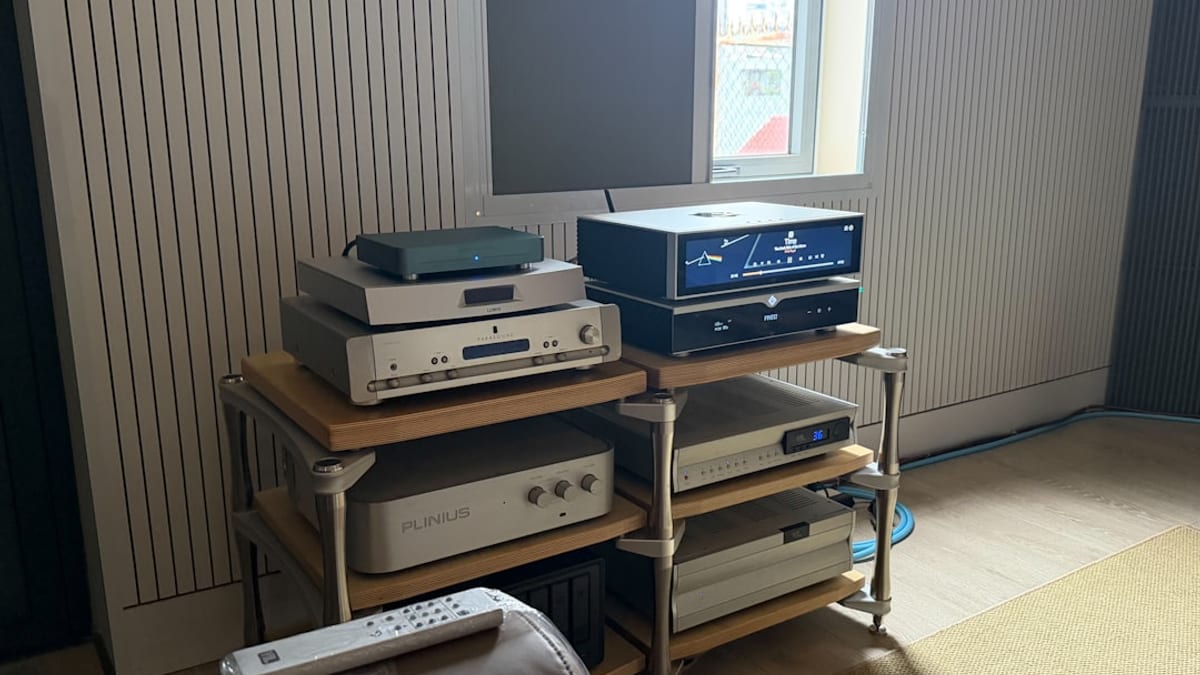
If you're also thinking about building a more complete listening setup around your vinyl collection, the combination of a good analogue front end with a capable streaming solution gives you the best of both worlds — and there are all-in-one options worth considering if you want simplicity without sacrificing quality. Worth a look at our guide to the best streaming amplifiers if you're at that crossroads, and our standmount speaker guide if your current speakers aren't doing justice to what your turntable is capable of.
The bottom line
Record Store Day 2026 on April 18 has a genuinely interesting lineup anchored by a well-chosen ambassador. Bruno Mars's The Collaborations is a commercially smart exclusive that should drive significant foot traffic into Australian independent stores, and the broader list — Bowie, Pink Floyd, The Cure, Charli XCX, Sleep Token — has something for almost every kind of collector. The event's value for audiophiles specifically depends, as always, on being selective, doing your research on pressing quality, and not letting the excitement of the day override careful decision-making at the counter.
April 18 is a Saturday. Clear your morning.
Common questions
- What is Bruno Mars's Record Store Day 2026 release?
- Bruno Mars's exclusive RSD 2026 release is a vinyl compilation called The Collaborations, which includes Uptown Funk (with Mark Ronson), Die With A Smile (with Lady Gaga) and APT. (with ROSÉ). It coincides with the release of his album The Romantic, out February 27, 2026 on Atlantic Records.
- When is Record Store Day 2026 in Australia?
- Record Store Day 2026 falls on Saturday, April 18, 2026. Australian independent record stores participate in the global event, stocking titles from the official RSD list of 350-plus releases. Check with your local store ahead of time for their specific allocation and opening arrangements.
- How many titles are on the Record Store Day 2026 official list?
- The official RSD 2026 list spans more than 350 titles. Confirmed names on the list include Charli XCX, David Bowie, The Cure, Pink Floyd and Sleep Token, alongside the Bruno Mars ambassador exclusive The Collaborations.
- How can I make the most of Record Store Day at an Australian store?
- Review the full official list at recordstoreday.com before April 18 and prioritise three to five titles. Ring your local participating store ahead of the day to ask about their allocation and opening time. Arrive early — serious collectors queue before opening. Inspect vinyl and sleeve condition before purchasing, as RSD pressings are typically non-returnable once you leave the store.

Hello — I'm Priya. I ran a second-hand record shop in Fitzroy for the better part of a decade, which is a polite way of saying I have three thousand records and nowhere to put them. I listen to vinyl through valve amplification because I like the ritual as much as the sound, and yes, I know the measurements aren't perfect — I don't care, and I'll explain why on the page. If you want someone to tell you a turntable is "just a motor and a bearing," I am not your person.
Record collector (3,000+); valve-amp enthusiast; ex record-shop owner
More from Priya Anand
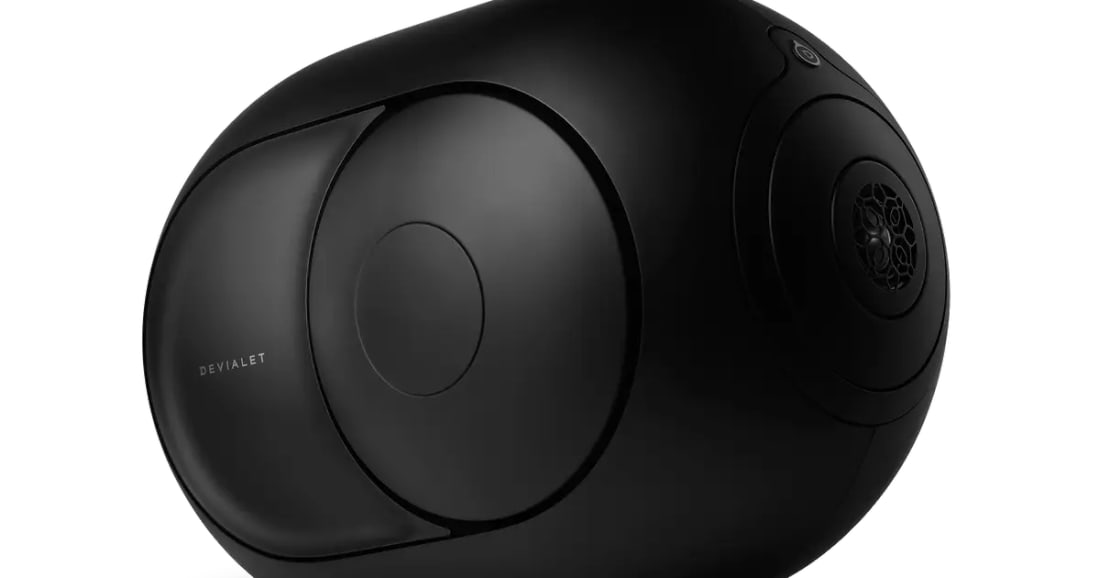 Turntable and subwoofer in the same room? Here's how to stop the feedback loopA subwoofer and a turntable sharing a room can turn a great pressing into mud. Here's how to place both so bass and vinyl actually get along.
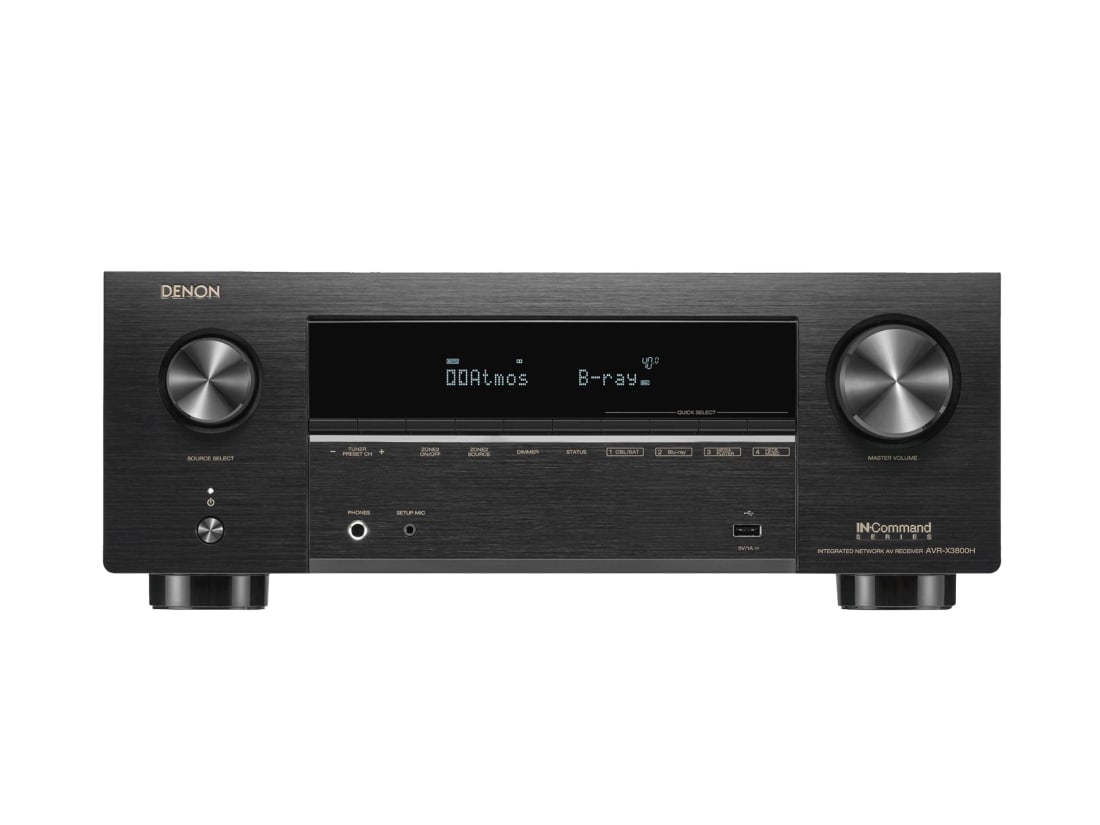 Turntable in the theatre room: why vinyl and Atmos rarely mix wellVinyl and a dedicated Atmos set-up can share a room, but rarely share a rack. Here's why, and what I'd actually do about it.
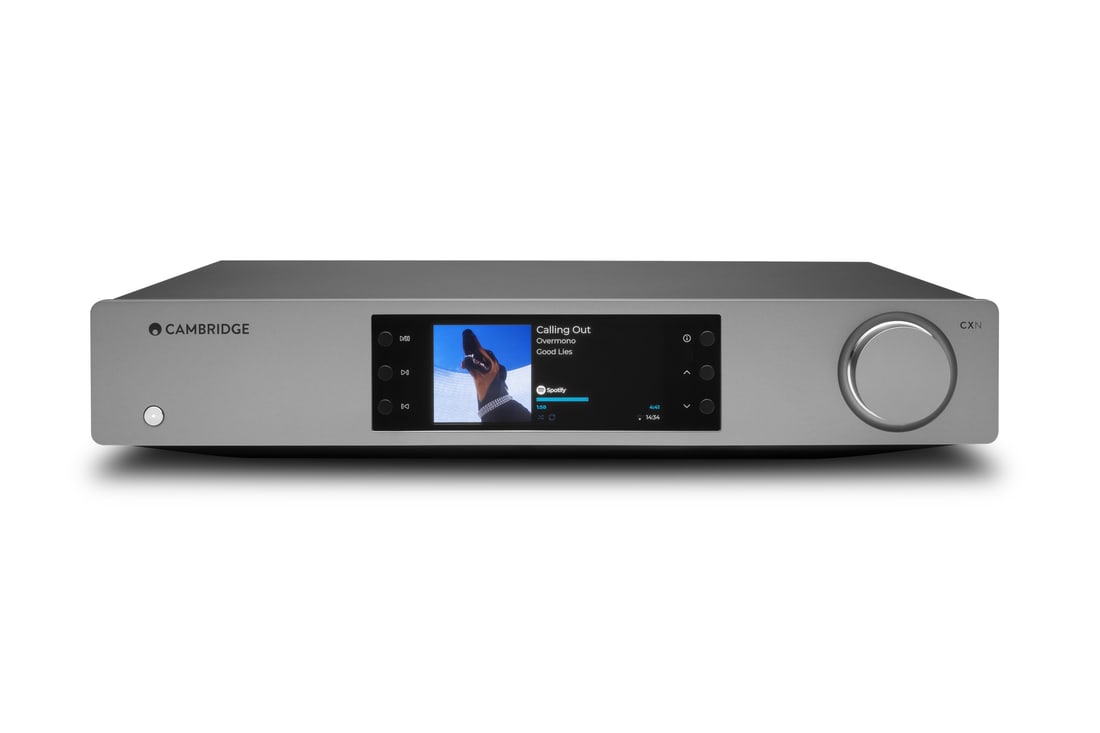 MQA is dead. Here's what that actually means for your streaming serviceMQA's collapse left a lot of confused shelves of "Masters" tier subscriptions. Here's what actually changed, and what to do about it.
- Where a vinyl system's money actually goes: spending in the right orderA former record shop owner on the real spending order for a turntable system, and where extra dollars stop buying you anything.
- Sealed vs ported subs with a turntable in the room: what actually changesPorted subs and suspended timber floors don't always get along with a turntable. Here's how sealed vs ported bass actually behaves when vinyl is in the signal chain.
- Network streamers and vinyl: why I finally stopped fighting the digital sidePriya Anand spent years dismissing streamers as beside the point. Here's what changed her mind — and what a good digital source actually does for a valve-based system.