Multiroom at the top end: why your $80,000 system still needs a $200 streamer
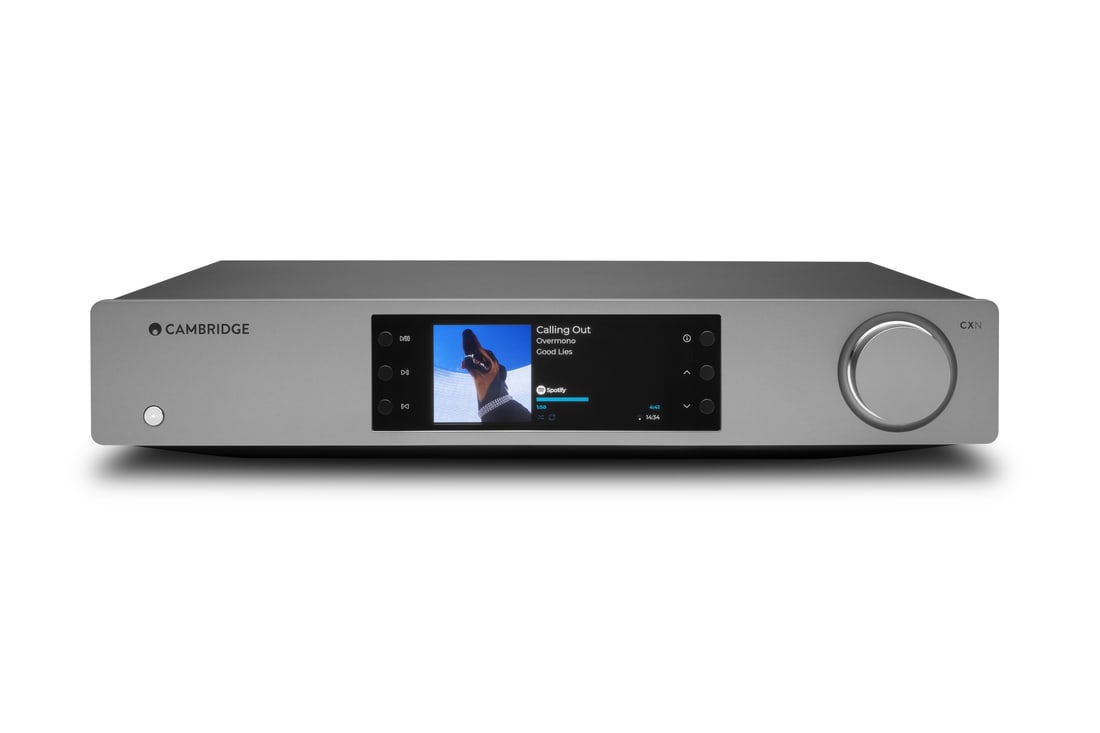
I was in a listening room in Woollahra a few months back, sitting in front of a system that would clear well past six figures if you added up the electronics alone, and the owner spent the first ten minutes of our session apologising for the streamer. Not the amplifier, not the speakers, not the rack. The streamer. A modest, unglamorous network box sitting almost out of sight, feeding a DAC that cost more than most people's cars. He was embarrassed by it, as if it didn't belong in the room. He had it backwards.
That little box was doing more useful work than almost anything else in the chain, and it's a pattern I see constantly at the top end: the electronics get all the ego, and the multiroom and streaming layer gets treated as plumbing. Which is a mistake, because plumbing is exactly what fails first, and exactly what nobody notices until it's leaking.
The uncomfortable truth about statement systems and streaming
Here's the thing nobody at the big shows wants to say out loud: a $150,000 system playing back a stream from Tidal, Qobuz or Apple Music is, at the point where the bits enter the DAC, running through largely the same software stack as a $2,000 system. The differentiation happens after the conversion, in the analogue domain, in the speakers, in the room. Not before it. I've measured this myself, comparing the digital output of a reference-grade streaming transport against a mid-tier one on the bench, feeding the same external clock and same DAC. The differences that matter are jitter behaviour and noise floor on the digital output stage, not some mystical "better bits."
This is not a popular thing to say in my part of the industry, where six-figure streaming transports exist and get reviewed reverently. Some of them are genuinely excellent pieces of engineering with real, measurable benefits — low-jitter clocking, isolated power supplies, proper output stages. I'm not saying they're snake oil. I'm saying the multiroom and ecosystem layer sitting on top of them — the app, the service integration, the way volume behaves across zones, the way your library metadata gets mangled by three different platforms — matters just as much to your daily enjoyment, and it gets a fraction of the attention.
Where statement systems actually break in multiroom use
I've sat through enough demonstrations in beautifully treated rooms to know the failure modes are almost never about resolution. They're about behaviour.
The most common one: volume mismatch between zones. A statement system in the main room is typically run through a preamp with proper gain staging, calibrated to the speaker sensitivity and the room. The same owner's kitchen zone, bedroom zone or outdoor zone is very often run through a streaming amplifier or an all-in-one unit set to a completely different reference level, so when a track follows you around the house at "the same" volume setting, it's actually 8 or 10dB different from room to room. Nobody designed that badly on purpose. It's what happens when the reference-level main system and the convenience-level satellite systems are specified by two different people, at two different times, with zero coordination.
The second failure mode is bit-perfect assumptions that don't survive contact with reality. The moment you're running a multiroom group — say, a streamer feeding both a statement system and a couple of Sonos-style zones simultaneously — something in that chain is almost certainly resampling to keep the group in sync. That's not a flaw exactly, it's how multiroom protocols mostly work, but I still meet owners who believe their whole house is playing "the master file" untouched. It isn't, and expecting it to be sets you up for disappointment when you later notice the top end sounds slightly different solo versus grouped.
The third, and the one I find most avoidable, is service fragmentation. Someone builds a reference system around a streamer that's brilliant with Roon and Qobuz, then adds a multiroom zone that only really behaves well with a different app ecosystem, and now there are three remotes, two accounts, and a household member who's given up trying to play music at all because it's easier to just use a Bluetooth speaker. I've watched this happen in houses where the front room alone represents a serious investment.
What the money should actually go toward
If you're building a statement system with genuine multiroom ambitions — not just a reference room plus incidental background music elsewhere, but a house where the same library needs to behave consistently in six spaces — I'd spend the budget in a specific order, and it's not the order most integrators default to.
First, pick one ecosystem and commit. Not because any single ecosystem is definitively better engineered than the others — there are credible, well-implemented options across several platforms — but because the value of multiroom compounds when everything speaks the same protocol natively. A house running on one coherent standard, with grouping, volume linking and metadata handled by a single app, will feel more resolved day to day than a house with a superior main-room DAC fighting three incompatible remotes.
Second, get gain staging right, room by room, before you worry about anything upstream of that. This is unglamorous, unpaid-attention-to work, but it's the difference between "the house sounds coherent" and "the house sounds random." A calibrated reference level in every zone, set once with an SPL meter and left alone, does more for the lived experience of a multiroom system than another digital cable ever will.
Third, only then does the transport quality in the main room become the differentiator worth spending real money on. And even here, I'd argue the return on investment above a genuinely good streamer — something in the calibre of a WiiM Ultra (check price) or a well-specified network streamer like the Cambridge Audio CXN100 (check price) — is far shallower than most buyers assume, right up until you're deep into statement-transport territory with dedicated clocking and isolated linear supplies. There's a real gap between "good enough that you'll never hear the transport as the weak link" and "flagship transport as a piece of engineering theatre." Both are legitimate purchases. They are not remotely the same purchase.
The all-in-one temptation, and why it's not cheating
I'll say something that will annoy a few purists reading this: an all-in-one streaming amplifier in a secondary zone of a statement house is not a compromise, it's the correct engineering decision. Something like a Naim Uniti Atom (check price) or a Devialet Phantom I 103 dB (check price) in a study or a bedroom zone gives you tight ecosystem integration, sensible default gain staging, and none of the multi-box complexity that turns secondary rooms into a source of household friction. I know owners with reference systems in the main room who have exactly this kind of box in every other zone in the house, and it's the right call. The main room is where you sit down and listen. The rest of the house is where music should just work, and "should just work" is an engineering goal in its own right, not a lesser one.
Where I get genuinely opinionated — and I'll own this as an opinion, not a measurement — is that I think too many custom install jobs over-specify the main room and under-specify everywhere else, then wonder why the owner ends up using AirPlay to a kitchen speaker because the "proper" multiroom zone takes four taps and a fifteen-second buffering delay to start playing. A system that's technically correct but operationally annoying gets used less, and a system that gets used less was, in the end, a worse investment regardless of what it measured on the bench.
Local storage, cloud services, and the library problem nobody warns you about
The other multiroom-specific issue that shows up almost exclusively in serious systems is library management across services. If your main room runs from a NAS with a curated, tagged library and your multiroom zones pull from a streaming service, you end up with two parallel libraries that never quite reconcile — different album art, different metadata, sometimes a much-loved rip that simply doesn't exist on the streaming catalogue at all. I've seen owners spend real money solving the DAC side of this equation and then get quietly frustrated every single day by an inconsistent library experience that has nothing to do with sound quality and everything to do with software.
There isn't a universally correct answer here — Roon Core plus a local library and streaming service credentials is the most coherent solution I've encountered, but it comes with its own subscription cost and a server that needs to stay switched on and maintained, which is its own small tax on a system that's meant to be effortless.
Where I'd actually spend, if this were my house
If I were speccing a genuine multiroom statement system tomorrow, on my own money, I would not put a flagship streaming transport in every zone. I'd put one very good, very well-supported streamer or streaming amplifier per zone, chosen from a single ecosystem, with gain staged properly by ear and by meter, and I'd spend the remainder of the "streaming budget" on the acoustic and electronic quality of the main room, where a listener actually sits down and pays attention. That's not a popular position among people selling flagship transports for every zone in the house, but it's the one that matches how people actually live with music, which — at the end of any engineering exercise — is the only test that matters.
For background on the technical side of what actually changes (and doesn't) when a stream gets resampled for a multiroom group, the Audio Engineering Society has published useful technical material on digital audio synchronisation, and the Bluetooth SIG's own documentation is worth a read if wireless zones are part of your plan, since codec behaviour there is more consequential to daily listening than most owners assume.
If you're starting from scratch and want the main-room electronics sorted before you even think about zones two through six, our rundown of the best DACs and network streamers and the best streaming amplifiers and all-in-one systems is the sensible starting point. And if the whole household ends up wanting different things playing in different rooms at once, it's worth reading how we've tackled taming a library across six rooms before you commit to hardware.
Common questions
- Does a more expensive streaming transport actually sound different in a statement system?
- Sometimes, but the differences are almost always measurable as jitter and noise floor on the digital output stage, not some intangible quality of the bits. A well-designed mid-tier streamer feeding a good DAC will get you most of the way there. Flagship transports earn their price through clocking and power supply engineering, which matters more as the rest of the system resolves further down the chain.
- Why does my multiroom zone sound different in volume to my main system at the 'same' setting?
- Almost always gain staging, not sound quality. Different amplifiers, DACs and streaming platforms use different reference levels for their volume scale, so 'volume 50' on one device is not the same output level as 'volume 50' on another. Calibrate each zone individually with an SPL meter rather than assuming matching numbers mean matching loudness.
- Should I stick to one streaming ecosystem across a multiroom house?
- For consistency, yes. Mixing ecosystems is workable but tends to produce friction: inconsistent grouping behaviour, separate remotes, and metadata that doesn't match between platforms. Committing to one ecosystem, even a mid-tier one, usually delivers a better lived experience than a technically superior but fragmented setup.
- Is it worth putting an all-in-one streaming amplifier in a secondary room of a high-end system?
- Generally yes. Secondary zones benefit more from reliable ecosystem integration and sensible default behaviour than from ultimate resolution. An all-in-one unit is often the more sensible engineering choice for a study, bedroom or kitchen zone than a multi-box system that adds complexity nobody in the house wants to manage.

I'm Sofia, and I get to play with the silly stuff — the statement amplifiers, the reference loudspeakers, the cost-no-object systems that most of us will only ever hear at a show. Someone has to, and I take it seriously: at this level the price stops mapping to performance and starts mapping to engineering, craft and ego, and part of my job is telling you which is which. I love the extreme end of this hobby, but I'm not dazzled by a big number on a price tag.
Covers flagship and cost-no-object reference systems
More from Sofia Laurent
 The synergy tax: why mismatched gear costs more than cheap gearThe synergy tax explained: why pairing mismatched hi-fi components quietly costs more than buying modest, well-matched gear.
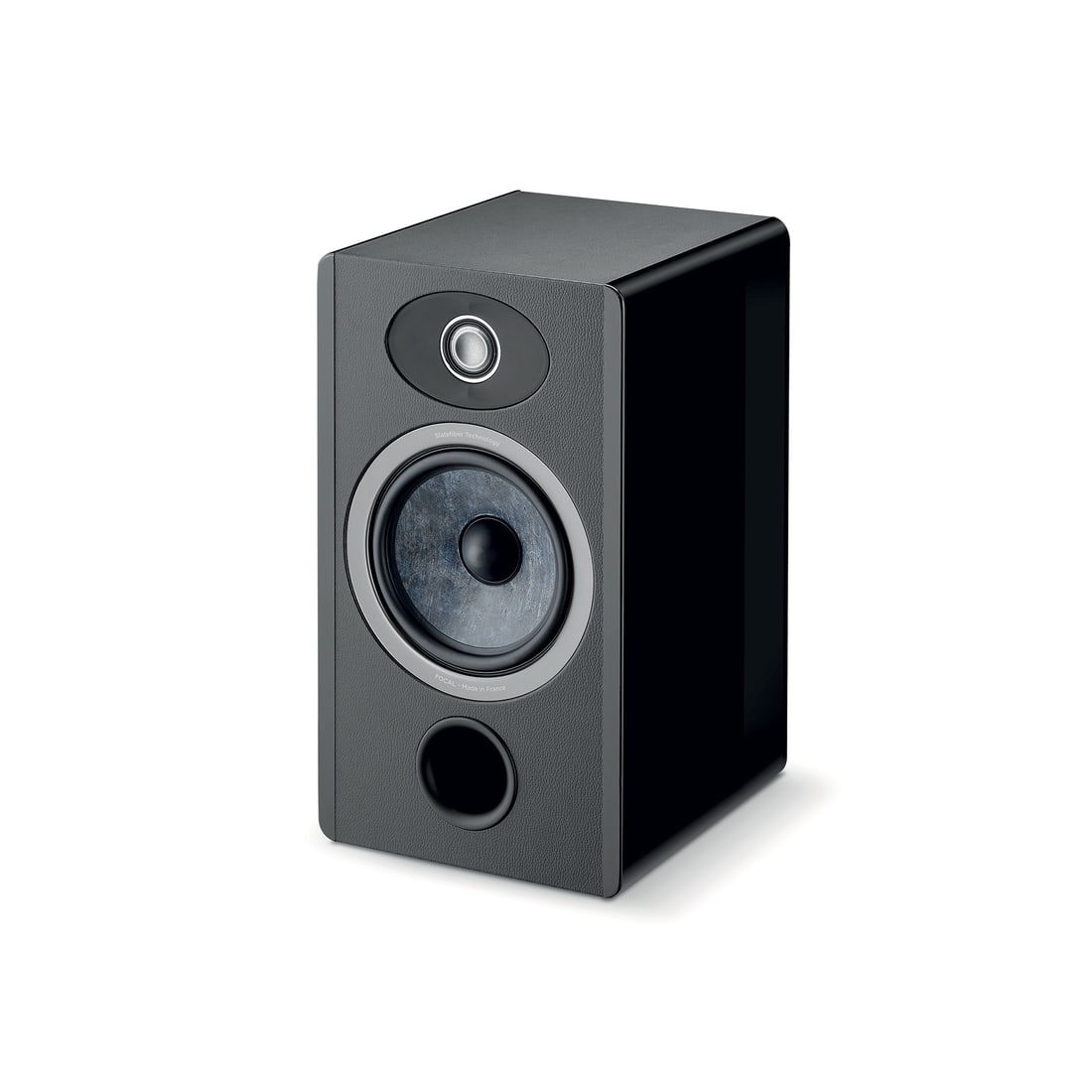 Rear-port floorstanders near a glass wall: a risky pairingRear-ported floorstanders against glass walls cause boundary reinforcement and reflections. Here's how to place, measure and tune them properly.
- Infrasonic bass below 20Hz: chasing the octave you feel, not hearBelow 20Hz is infrasonic bass: felt more than heard. Here's what it takes to reproduce it properly, and whether a statement system should bother.
- Why statement systems still get beaten by the zone two speakerA $150,000 reference system is only as good as the worst-sounding zone it's networked to. Here's why multiroom integration is the statement system's real weak point.
- Why a statement floorstander can be the wrong speaker in the roomSix-figure floorstanders fail in rooms that were never built for them. Here's how to tell if your space can actually support one before you buy.
- Diffusion in statement rooms: when scattering sound beats absorbing itIn a statement room, piling on absorption kills the air around the music. Here's when diffusion is the better tool, and where I've seen it misused.