
Sofia Laurent
I'm Sofia, and I get to play with the silly stuff — the statement amplifiers, the reference loudspeakers, the cost-no-object systems that most of us will only ever hear at a show. Someone has to, and I take it seriously: at this level the price stops mapping to performance and starts mapping to engineering, craft and ego, and part of my job is telling you which is which. I love the extreme end of this hobby, but I'm not dazzled by a big number on a price tag.
40 published articles · most recent October 18, 2026
I'm Sofia, and I get to play with the silly stuff — the statement amplifiers, the reference loudspeakers, the cost-no-object systems most of us will only ever hear at a show.
Someone has to, and I take it seriously: at this level the price stops mapping to performance and starts mapping to engineering, craft and ego — and part of my job is telling you which is which.
I love the extreme end of this hobby, but I'm not dazzled by a big number on a price tag.
Articles by Sofia Laurent
 The synergy tax: why mismatched gear costs more than cheap gearThe synergy tax explained: why pairing mismatched hi-fi components quietly costs more than buying modest, well-matched gear.
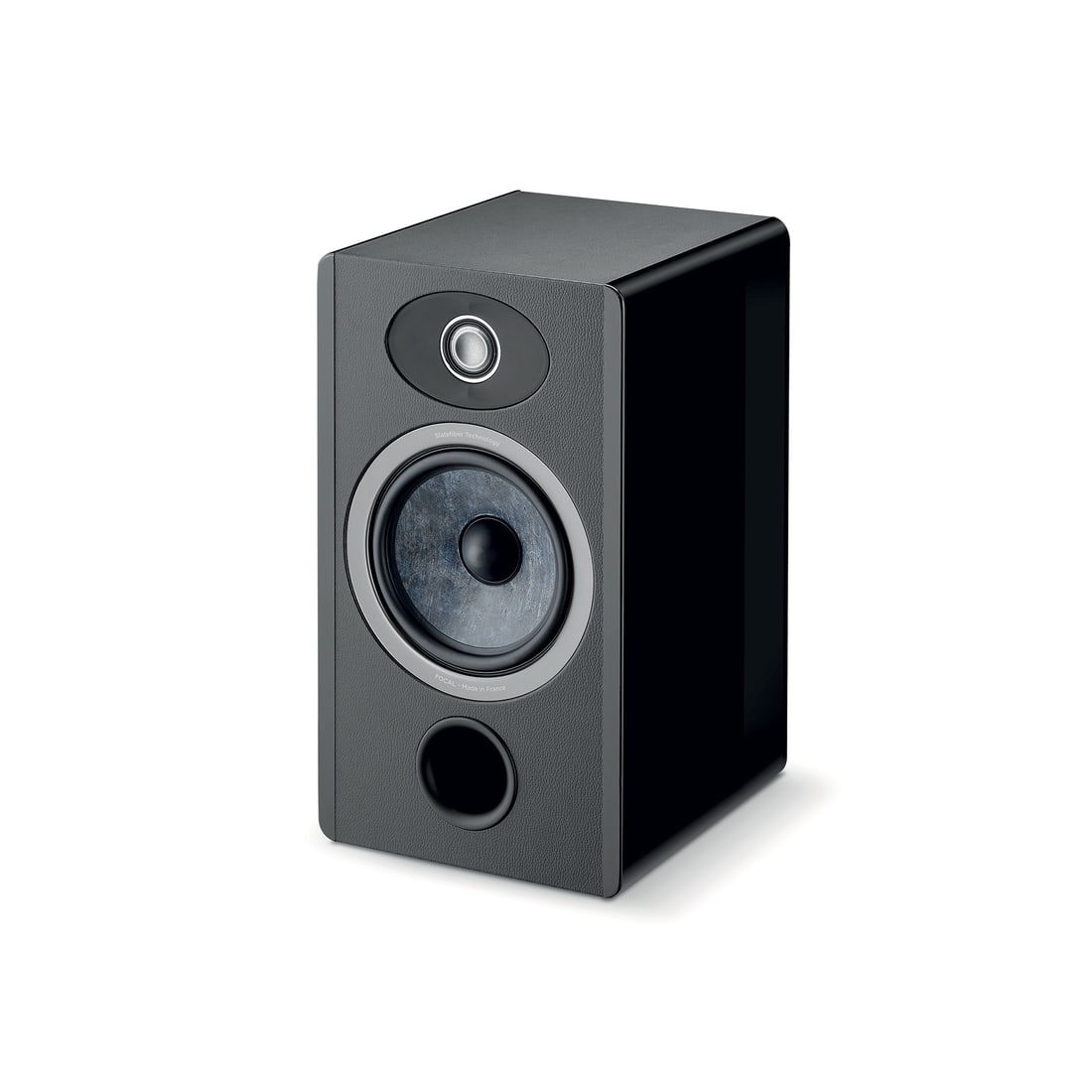 Rear-port floorstanders near a glass wall: a risky pairingRear-ported floorstanders against glass walls cause boundary reinforcement and reflections. Here's how to place, measure and tune them properly.
- Infrasonic bass below 20Hz: chasing the octave you feel, not hearBelow 20Hz is infrasonic bass: felt more than heard. Here's what it takes to reproduce it properly, and whether a statement system should bother.
- Why statement systems still get beaten by the zone two speakerA $150,000 reference system is only as good as the worst-sounding zone it's networked to. Here's why multiroom integration is the statement system's real weak point.
- Why a statement floorstander can be the wrong speaker in the roomSix-figure floorstanders fail in rooms that were never built for them. Here's how to tell if your space can actually support one before you buy.
- Diffusion in statement rooms: when scattering sound beats absorbing itIn a statement room, piling on absorption kills the air around the music. Here's when diffusion is the better tool, and where I've seen it misused.
- Statement standmounts: when the small box is the right flexAt the top of the market, bigger isn't the default. Here's when a reference standmount genuinely beats a floorstander, and when it's just a smaller cheque.
 Why your flagship headphones might need a mains upgrade before an ampBefore you spend on another headphone amp, check what's feeding it. At the statement end, mains quality and earthing can matter more than the next box.
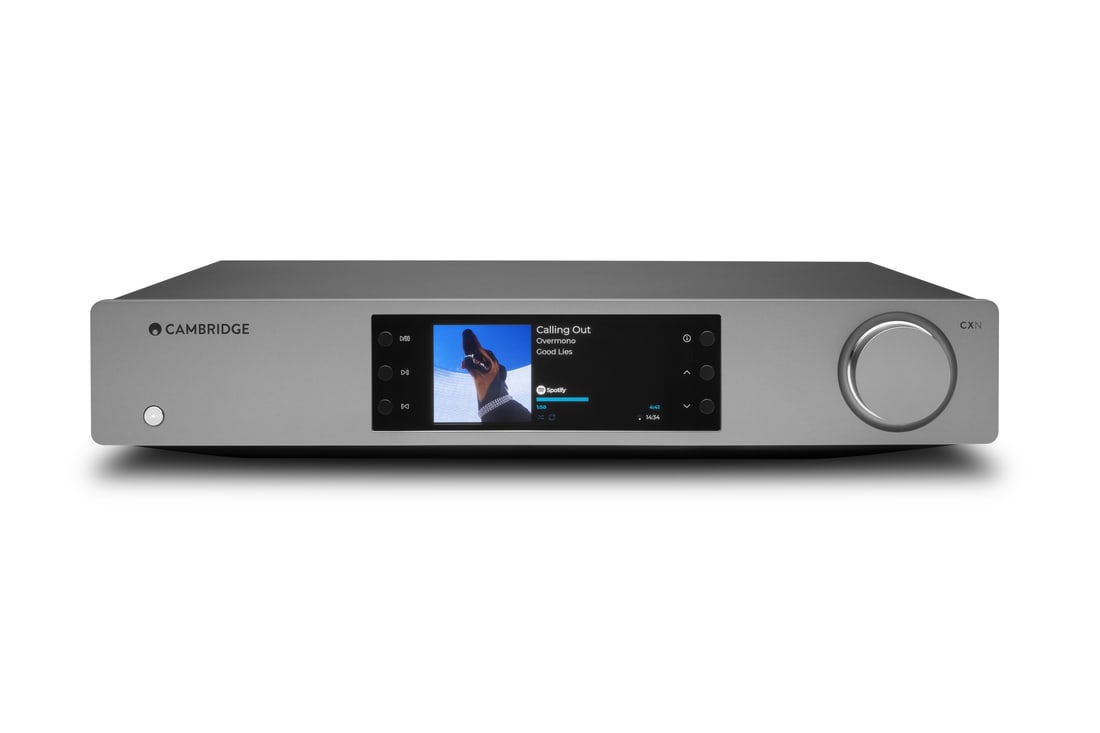 DAC chips versus DAC engineering: what you're really paying forThe chip inside a DAC costs a few dollars either way. Here's what actually separates a $500 converter from a $30,000 one — and where the money genuinely goes.
- Bit-perfect explained: what it means and when it actually matters"Bit-perfect" gets thrown around like a spec, but it's a plumbing claim, not a sound quality one. Here's what it actually guarantees.
- System synergy at the top end: why matching beats chasing specsAt the reference end, the best-measuring components don't guarantee the best system. Sofia Laurent on why matching, not chasing specs, is where six-figure systems actually live or die.
- Reference DACs: what a six-figure digital front end actually buysA reference DAC costs as much as a car. Sofia Laurent explains what that money actually pays for once the chip itself stopped being the problem.
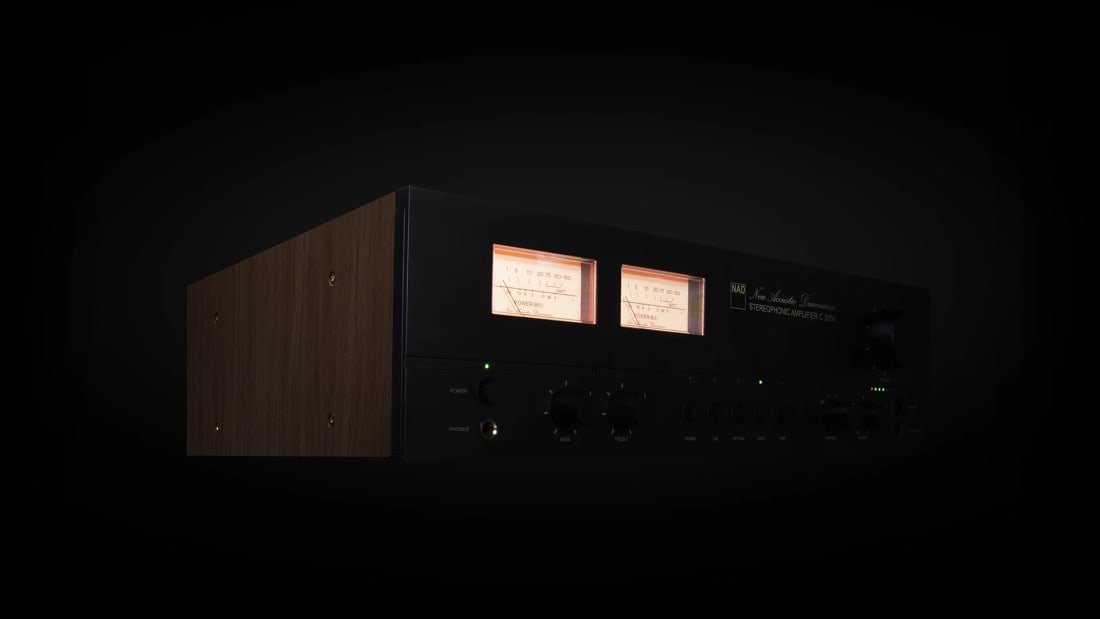 Pairing statement amps and speakers: watts are the least of itAt the top end, matching an amplifier to a speaker is about current, impedance behaviour and damping, not the number on the spec sheet.
- Sealed versus ported subs in statement systems: why the maths changes at the topAt the reference end, sealed and ported subwoofer choices stop being about box size and start being about power, group delay and what the room will forgive.
- Multiroom at the top end: why your $80,000 system still needs a $200 streamerStatement systems live or die on the last metre of cable. Here's why even six-figure hi-fi rooms lean on unglamorous streaming boxes to get the multiroom bit right.
- Diminishing returns: where system-building money stops buying soundSofia Laurent maps the real curve of price versus performance in hi-fi, and where your next dollar actually stops improving the sound.
- What a six-figure headphone system actually buys youSofia Laurent on statement headphone rigs: where the money genuinely goes, where it's ego, and what a serious desktop system under $5k already gets right.
- Bass EQ vs room mode cancellation: why some statement systems refuse to fix themselvesWhy throwing more DSP or a bigger subwoofer at a bass null often makes things worse, and what actually needs to change in the room first.
- What actually happens when six figures of hi-fi meets a streaming appDoes a reference system reveal more from streaming services, or just their flaws? A statement-system reviewer on what actually changes at the top end.
- The system-building order of operations, from the top downWhere should a serious hi-fi budget go first? Sofia Laurent on the spending order that actually matters, and the one most buyers get backwards.
- Cables, racks and mains: where statement systems really spend the last 10%In six-figure systems, cables, racks and mains conditioning aren't tweaks — they're line items. Sofia Laurent on what's engineering and what's ego.
- Four subs, one room: why statement bass systems go multi-channelStatement systems rarely run one big sub. Here's why four smaller ones, individually managed, beat a single monster box every time.
- When two standmounts beat one floorstander (and when they don't)Doubling up on standmounts instead of buying a floorstander can beat it on bass and imaging, but only if your room and budget line up. Here's the real trade-off.
- Statement rooms and the treatment budget nobody wants to spendOn six-figure systems the room is still the weakest link. Here's how much of the budget acoustic treatment should actually get, and why owners resist it.
- The last ten percent: when a statement system stops being about soundPast a certain price, statement systems stop chasing performance and start chasing something else entirely. Here's how to tell the difference before you spend.
- Matching amplifier and speaker cost: the ratio nobody tells you to ignoreThe old "spend equal on amp and speakers" rule breaks down at the high end. Here's when to ignore it and where the money actually needs to go instead.
- Room correction versus room treatment: what DSP can't fixRoom correction software can flatten a frequency response, but it can't fix decay, timing or a bad first reflection. Here's where the line actually sits.
- When a floorstander is actually the wrong upgradeBigger boxes aren't always the better statement. Why a serious pair of standmounts on the right stands can beat a floorstander in the wrong room.
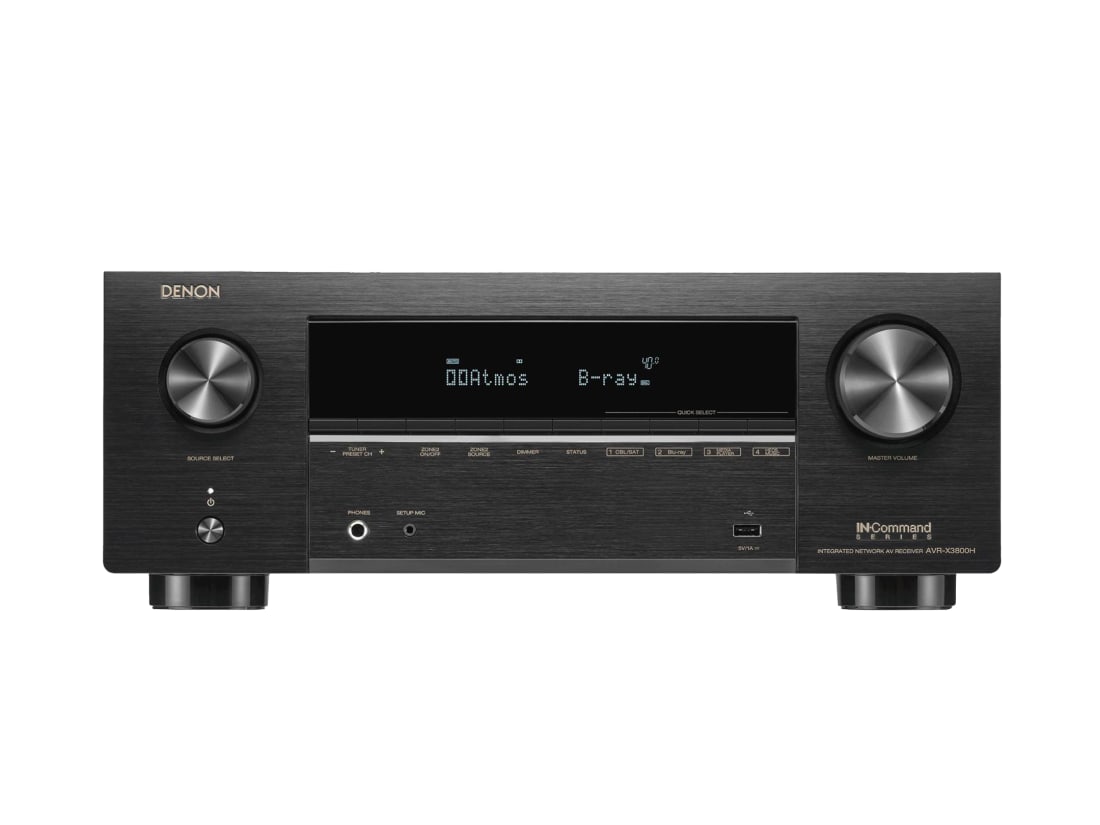 AVR or processor and separate amps: when a statement theatre needs bothAt what point does a home cinema outgrow a single AVR box? A look at when processor-plus-amplifier separates actually earn their keep.
- Air-bearing and tangential-tracking arms: is the extra complexity worth it?Air-bearing linear-tracking tonearms promise zero tracking error. I've lived with them. Here's what they actually fix, and what they quietly break.
- Six-figure DACs: what the money actually buys over a good $2,000 boxI've compared statement DACs costing more than a car against a good $2,000 unit. Here's where the extra money genuinely goes, and where it doesn't.
- Diffusion vs absorption: the treatment decision statement rooms get wrongSix-figure speakers, dead-flat frequency response, and a room that still sounds wrong. The fix is usually a diffusion problem, not an absorption one.
- Statement turntables: what six figures of vinyl front-end actually buysFrom air-bearing platters to outboard motor pods, what separates a reference turntable from a very good one, and why the gains get smaller as the price climbs.
- Acoustic treatment at the statement level: what six figures of speaker buys you in a bad roomEven reference loudspeakers can't out-engineer a bad room. Here's what serious acoustic treatment actually buys a statement system, and where the money should go first.
- The last ten per cent: where statement systems actually spend their moneyPast a certain point, extra dollars buy engineering headroom and craft, not more sound. Here's how to tell the difference in a statement system.
- What a statement headphone system actually buys you over a good oneA look at what genuinely changes when you push a headphone system into cost-no-object territory, and what you're really paying for once the sound has stopped improving.
- Four-subwoofer bass: what a statement system actually buys youFour subwoofers aren't about loudness. Here's what a properly configured multi-sub array actually fixes that two subs, EQ or a bigger single box never will.
 Floorstanders in small rooms: why size can betray you at the high endA large floorstander in a small room doesn't deliver more — it delivers worse. Sofia Laurent explains when to walk away from the flagship and why.
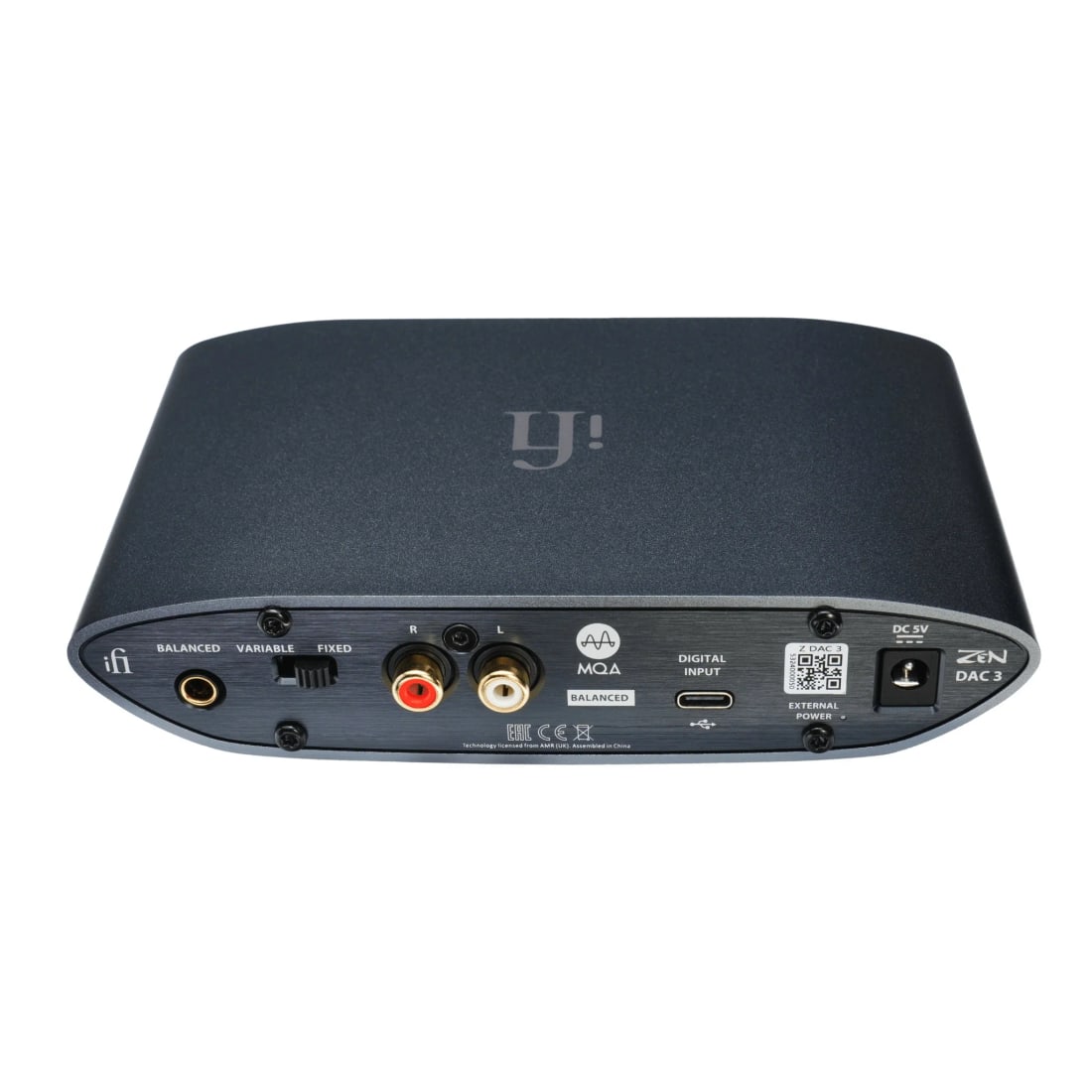 High-end multiroom: how to build zones that don't betray your main systemMost multiroom systems treat every zone as an afterthought. Here's how to build secondary zones that respect the investment you've made in your primary system.
 IEM fit, nozzle size and ear anatomy: what nobody tells you before you spendBefore you spend four figures on IEMs, understand how ear anatomy, nozzle geometry and tip materials interact — because fit decides everything else.