The best integrated amplifiers
By Marcus Vale · Updated 10 August 2026
Marcus Vale measures and ranks the best integrated amplifiers on sale in Australia, from budget-friendly hubs to a McIntosh flagship, with honest tradeoffs.
Every integrated amplifier claims to be neutral, warm, transparent or musical. Half of those claims fall apart the moment you put an Audio Precision analyser on the output stage, which is roughly where I start with every review — before I've let myself get precious about how a component sounds.
An integrated amplifier is still the sensible heart of most two-channel systems in this country, and the category has quietly split into two camps. One is the traditional amp-only design, built around a solid power supply, clean gain stages and (sometimes) a decent phono input, in the Rega and McIntosh mould. The other is the all-in-one hub, with a DAC, network streaming and even HDMI built in, which is where Marantz, NAD and Cambridge Audio are all playing now. Neither approach is wrong, but they solve different problems, and I think a lot of buyers pick on looks or brand loyalty before they've worked out which problem they actually have.
What matters, in my experience testing this gear on the bench: real power delivery into your actual speaker's impedance curve (not the marketing number at 8 ohms into a resistive dummy load), distortion figures at usable listening levels rather than at 1 watt, and — this is the boring bit nobody wants to hear — whether you'll actually use the inputs on offer. A balanced XLR input is only useful if your preamp or DAC has a balanced output. A built-in phono stage is only worth having if it's quiet enough not to embarrass a decent cartridge.
Power ratings are measured against the IEC 60268-3 standard in theory, though in practice manufacturers are inconsistent about load conditions and measurement bandwidth, which is exactly why the spec sheet alone won't tell you whether an integrated amplifier will control a hard-to-drive floorstander in a big room. I keep a set of dummy loads and a scope in the workshop off Bridge Road in Richmond for precisely this reason — the number on the box and the number I measure at clipping are not always the same thing.
At a glance
#2 · Amplifiers
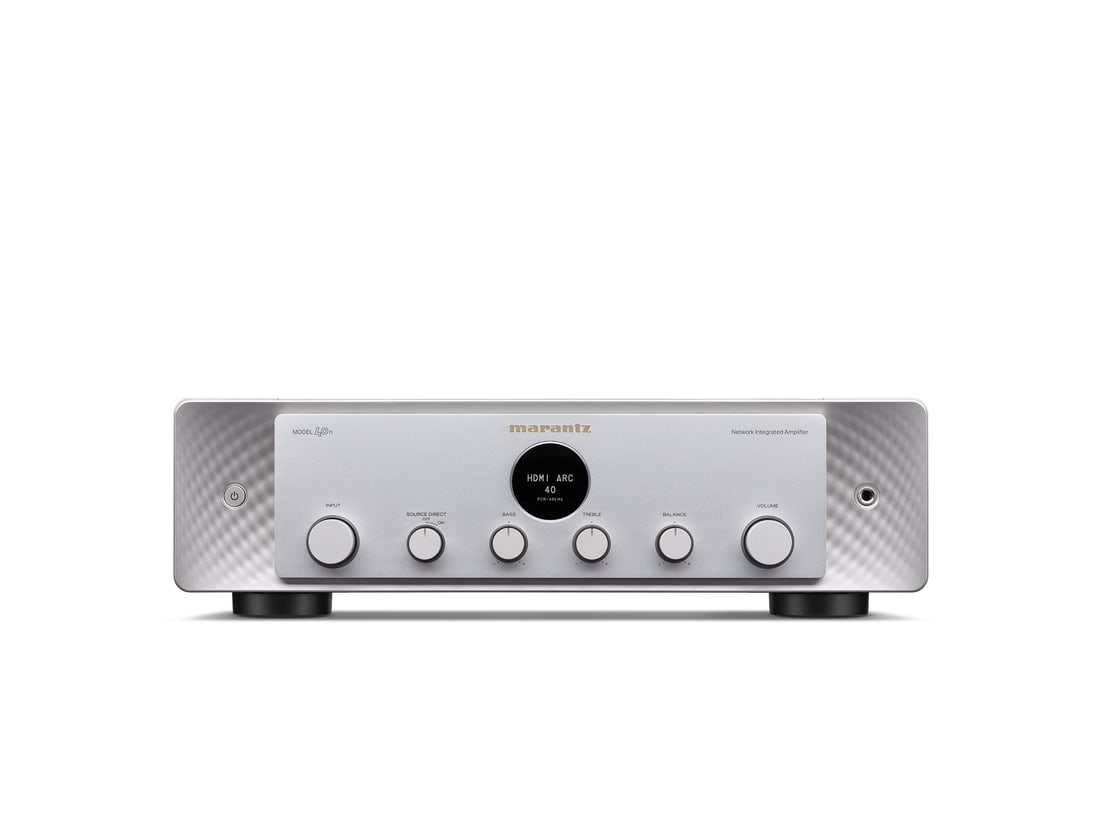
Marantz Model 40n4.5/5$4490
True all-in-one: amp, network streamer, DAC, phono and HDMI ARC
| # | Product | Price | Rating | Best for | Buy |
|---|---|---|---|---|---|
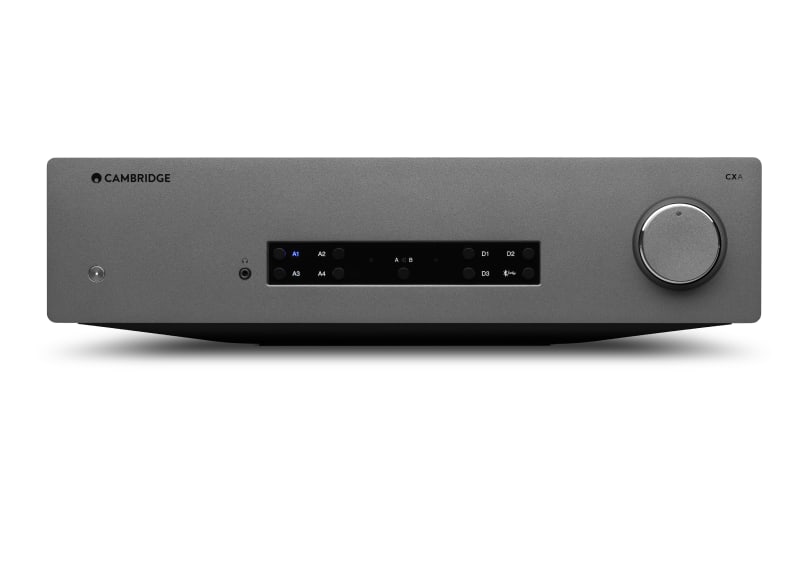
| #1 | Cambridge Audio CXA81 MkII Amplifiers | $1949 | 4.6/5 | Balanced XLR input is rare at this price | Amazon |
| #2 | Marantz Model 40n Amplifiers | $4490 | 4.5/5 | True all-in-one: amp, network streamer, DAC, phono and HDMI ARC | Amazon |
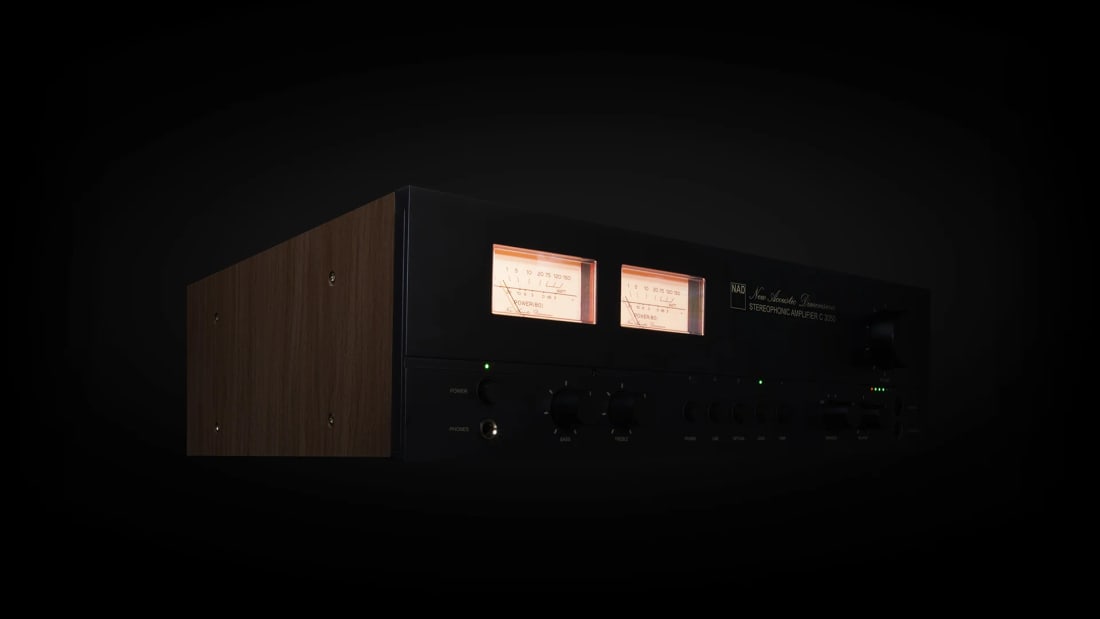
| #3 | NAD C 3050 Amplifiers | $2899 | 4.5/5 | Distinctive retro styling with working VU meters | Amazon |
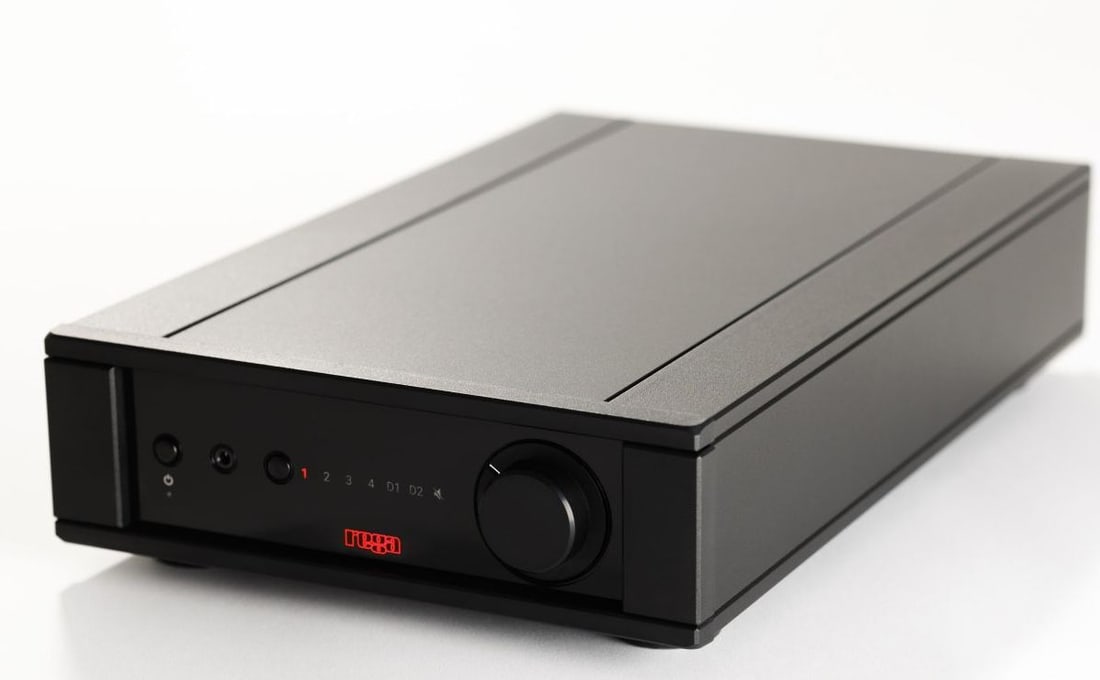
| #4 | Rega Brio Mk7 Amplifiers | $1699 | 4.5/5 | Excellent built-in MM phono stage for vinyl | Amazon |
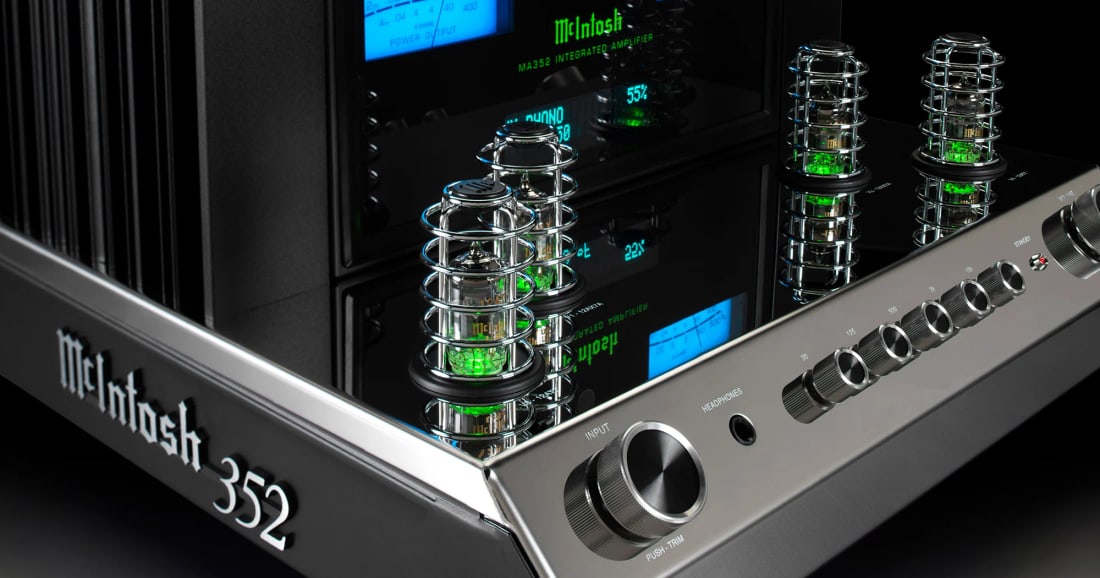
| #5 | McIntosh MA352 Amplifiers | $11995 | 4.7/5 | Effortless power: 200W/8Ω and 320W/4Ω drives most speakers | Amazon |
Affiliate links — as an Amazon Associate and partner of Sweetwater / Thomann / Reverb / others, we may earn a commission at no extra cost to you.
#1 · Best overall
Cambridge Audio CXA81 MkII
Rating: 4.6 / 5
Eighty watts, a genuinely capable ESS Sabre DAC and a balanced XLR input at under two grand is a hard combination to argue with on the bench or in the lounge room. It won't stream Spotify natively and there's no phono stage, so vinyl-first buyers need to budget for an outboard phono preamp, but as a hub for digital and line-level sources it's the most complete package here for the money.
#2 · Best all-in-one for streaming
Marantz Model 40n
Rating: 4.5 / 5
HEOS, AirPlay 2, a DAC, phono input and HDMI ARC in one chassis means the Model 40n genuinely replaces four boxes, and Marantz's discrete HDAM circuitry gives it a more resolved, less digital-sounding streamer stage than most all-in-ones I've measured. Seventy watts is the catch — fine for most bookshelf speakers, underwhelming if you're running big, inefficient floorstanders in a large room.
#3 · Best for future-proofing
NAD C 3050
Rating: 4.5 / 5
A hundred watts of HybridDigital power, working VU meters and HDMI eARC out of the box, with the option to bolt on BluOS streaming and Dirac Live room correction later via the MDC2 module rather than paying for it up front. The retro look is polarising and Class D still divides listeners on tonal character, but the upgrade path is the smartest I've seen at this price.
#4 · Best for vinyl-first systems
Rega Brio Mk7
Rating: 4.5 / 5
Rega's MM phono stage remains one of the best built into any sub-$2,000 integrated, and the Mk7's new onboard DAC finally gives it a digital input or two for a TV or streamer without leaving the Rega house sound behind. Fifty watts and no balanced or network connectivity means it's a poor fit if your speakers are inefficient or you want one box to do everything.
#5 · Best for power and presence
McIntosh MA352
Rating: 4.7 / 5
Two hundred watts into 8 ohms and 320 into 4 ohms from a hybrid tube-preamp design means the MA352 will drive almost anything in a normal Australian living room, and that blue-meter glow still turns heads at a demo. There's no DAC or digital input at all, and at close to $12,000 it's a big, heavy, expensive statement piece rather than a practical all-rounder.
These five cover a fair spread of the traditional integrated amplifier market as it stands in Australia right now, from a $1,699 half-width vinyl companion to a $12,000 hybrid tube flagship. I picked them on a mix of measured performance, build quality I trust to last, and — honestly — whether I'd recommend a family member spend their own money on one, which is a different filter to whether a component merely measures well.
How I'd pair these with speakers and sources
If you're building a vinyl-first system, the Rega Brio Mk7 into a pair of stand-mount speakers with a modest but well-matched cartridge is still one of the best-value combinations in Australian hi-fi. For a digital-heavy household wanting one box that just works with a TV and a phone, the Marantz Model 40n or NAD C 3050 make more sense than adding a separate streamer to a power-only amp. And if you've got large, inefficient speakers in a bigger room, don't undersize the power supply — the McIntosh and NAD both have the current reserves to keep control when the going gets demanding, whereas the 50W and 70W amps here reward smaller rooms and easier loads.
I'll admit a small bias: I reckon built-in streaming platforms age faster than the amplifier stage sitting behind them, so I'd rather buy the amp on its amplifier merits and treat the streaming as a bonus, not the deciding factor. That's a minority view among reviewers who lead with the app experience, but fifteen years of watching digital modules go obsolete while the analogue section keeps working has made me stubborn about it.
None of this replaces an actual listen. Get to a proper dealer demo room, bring your own source material, and ask to hear the amp with speakers close to what you'll actually own — a McIntosh sounding glorious on a pair of $15,000 floorstanders tells you very little about how it'll behave on your bookshelf pair at home.
— Marcus Vale, Editor · Electronics & Measurement
Common questions
- Do I need an integrated amplifier with a built-in DAC?
- Only if you're feeding it digital sources directly — a streamer, a TV via HDMI, or a laptop over USB. If everything in your system is already analogue, or you're running a separate outboard DAC you like, an amp-only design like the Rega Brio Mk7 or McIntosh MA352 won't leave you short.
- How much power do I actually need from an integrated amplifier?
- It depends far more on your speakers' sensitivity and impedance than on room size alone. Easy-to-drive stand-mounts will sing on 50W from the Rega Brio Mk7, while larger or less efficient floorstanders will want the headroom of the NAD C 3050's 100W or the McIntosh MA352's 200W into 8 ohms.
- Is a tube preamp stage in a hybrid amp like the McIntosh actually more accurate?
- Not by the numbers — a well-designed solid-state stage will usually measure lower distortion. What the tube preamp buys you is a particular harmonic character some listeners prefer, which is a legitimate reason to buy it, just not an accuracy claim I'd stand behind on the bench.
- Should I buy an amp with streaming built in, or add it separately later?
- If you're confident you'll want networked streaming for years, an all-in-one like the Marantz Model 40n saves cost and clutter. If you're not sure, or you want to upgrade streaming independently down the track, a design like the NAD C 3050 that supports an add-on module gives you both options without committing upfront.
About the author

Marcus Vale
Editor · Electronics & Measurement · Sydney, NSW
I'm Marcus, and I'll be honest up front: I trust a measurement before I trust my own ears, because my ears lie to me daily. I spent fifteen years designing audio electronics before I started writing about them, so when a brand tells me a number, I want to see the graph. That doesn't make me cold about this hobby — I love a system that disappears as much as anyone — it just means I'll tell you when an expensive box is selling you confidence rather than performance.
Former audio electronics engineer; objectivist; runs the test bench