
Marcus Vale
I'm Marcus, and I'll be honest up front: I trust a measurement before I trust my own ears, because my ears lie to me daily. I spent fifteen years designing audio electronics before I started writing about them, so when a brand tells me a number, I want to see the graph. That doesn't make me cold about this hobby — I love a system that disappears as much as anyone — it just means I'll tell you when an expensive box is selling you confidence rather than performance.
40 published articles · most recent October 19, 2026
I'm Marcus, and I'll be honest up front: I trust a measurement before I trust my own ears, because my ears lie to me daily.
I spent fifteen years designing audio electronics before I started writing about them, so when a brand tells me a number, I want to see the graph.
That doesn't make me cold about this hobby — I love a system that disappears as much as anyone. It just means I'll tell you when an expensive box is selling you confidence rather than performance.
Articles by Marcus Vale
 Why your turntable's earth wire isn't optionalTurntable earthing fixes most phono hum problems. Here's how grounding actually works, why it fails, and how to track down a noisy connection.
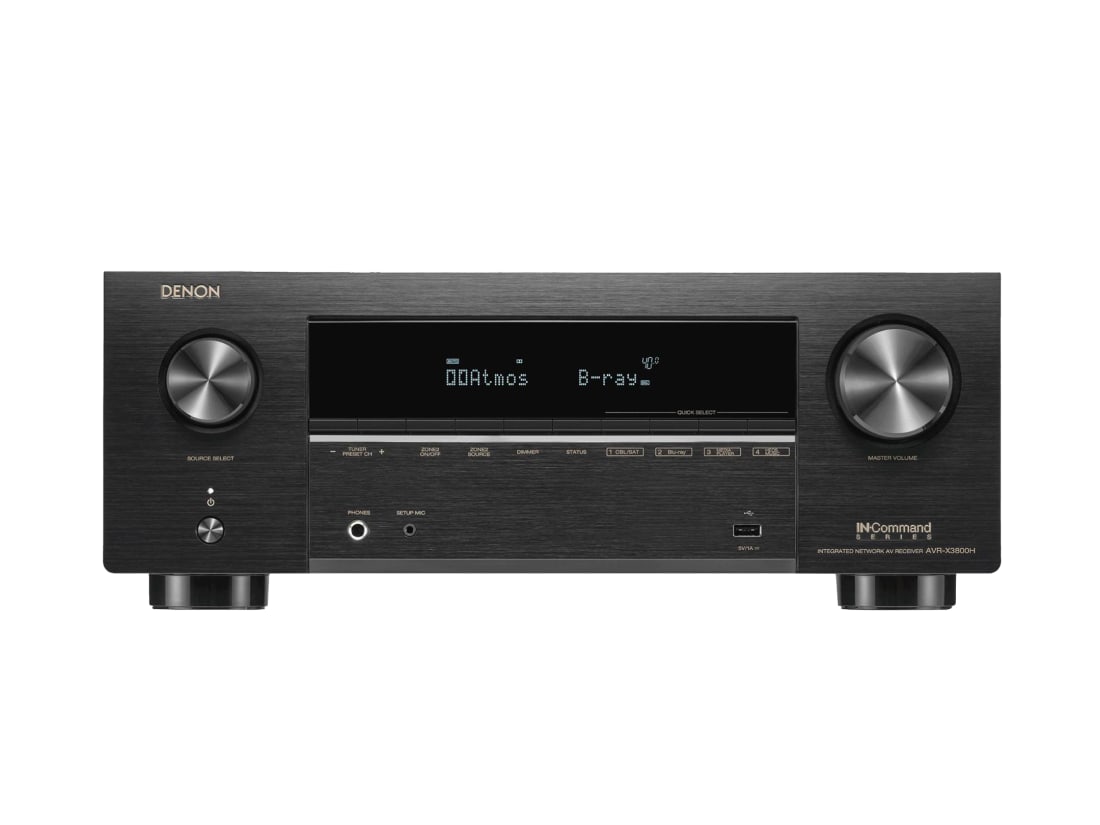 Why your AVR runs cool on music but throttles on AtmosAVR thermal throttling explained: why nine-channel Atmos mixes push receivers into protection mode that two-channel music never triggers.
- Subwoofer delay settings: why your AVR's number is a guessAVR auto-calibration estimates subwoofer delay from distance, not timing. Here's how to measure and correct it properly for tighter bass.
- AVR auto-calibration: what Audyssey, YPAO and Dirac actually measureAudyssey, YPAO and Dirac Live all run a mic sweep and spit out numbers, but they're not measuring the same things or fixing the same problems. Here's what's actually happening.
- Cartridge break-in: what actually changes in the first 40 hoursDoes a new cartridge really need 40 hours to "open up"? I measured one to find out what's mechanical fact and what's audiophile folklore.
- DAC output stages: what the chip doesn't tell youThe DAC chip gets all the marketing attention, but the analogue output stage after it does most of the work shaping what you actually hear.
- HDMI handshakes explained: why your AVR drops signal at the worst momentHDCP handshakes, not cables, cause most AVR dropouts. Here's how the handshake actually works and the wiring order that stops it failing.
- Gapless playback and crossfade: what your streaming app is doing to the fileGapless playback and crossfade settings quietly change your audio signal. Here's what's actually happening to the bits, and which setting to use.
 Subwoofer group delay: the spec that explains "boomy but late" bassGroup delay is why some subs sound thick and slow at the crossover point even when the frequency response measures flat. Here's what it actually is.
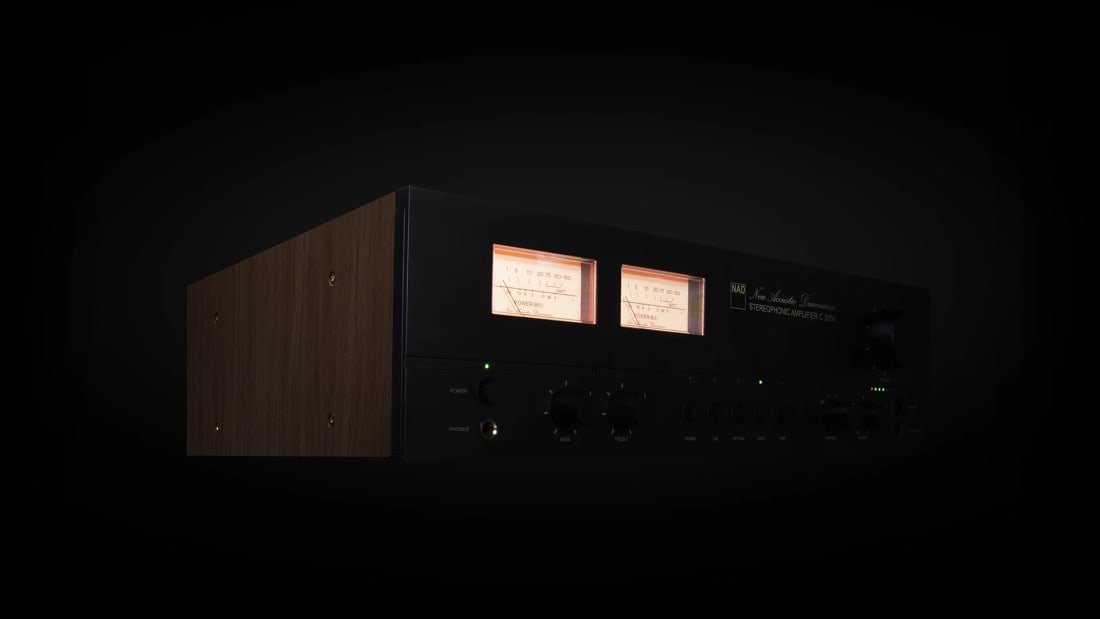 Damping factor: the amplifier spec everyone misreadsDamping factor sounds like a real engineering number, and it is, but past a certain point it stops telling you anything useful about how an amp will sound.
- Azimuth and VTA: the alignment steps most setup guides skipOverhang and tracking force get all the attention, but azimuth and VTA are where a properly set-up turntable actually separates itself from a mediocre one.
- Streaming service sample rates: why your app's number rarely matches your DAC'sYour app says 24-bit/192kHz but your DAC's display says something else. Here's what's actually happening to the signal, and whether it matters.
- Bass traps: how many you actually need, and where they go wrongMost bass trap purchases are undersized or misplaced. Here's the measurement-based case for how many you need and where they actually work.
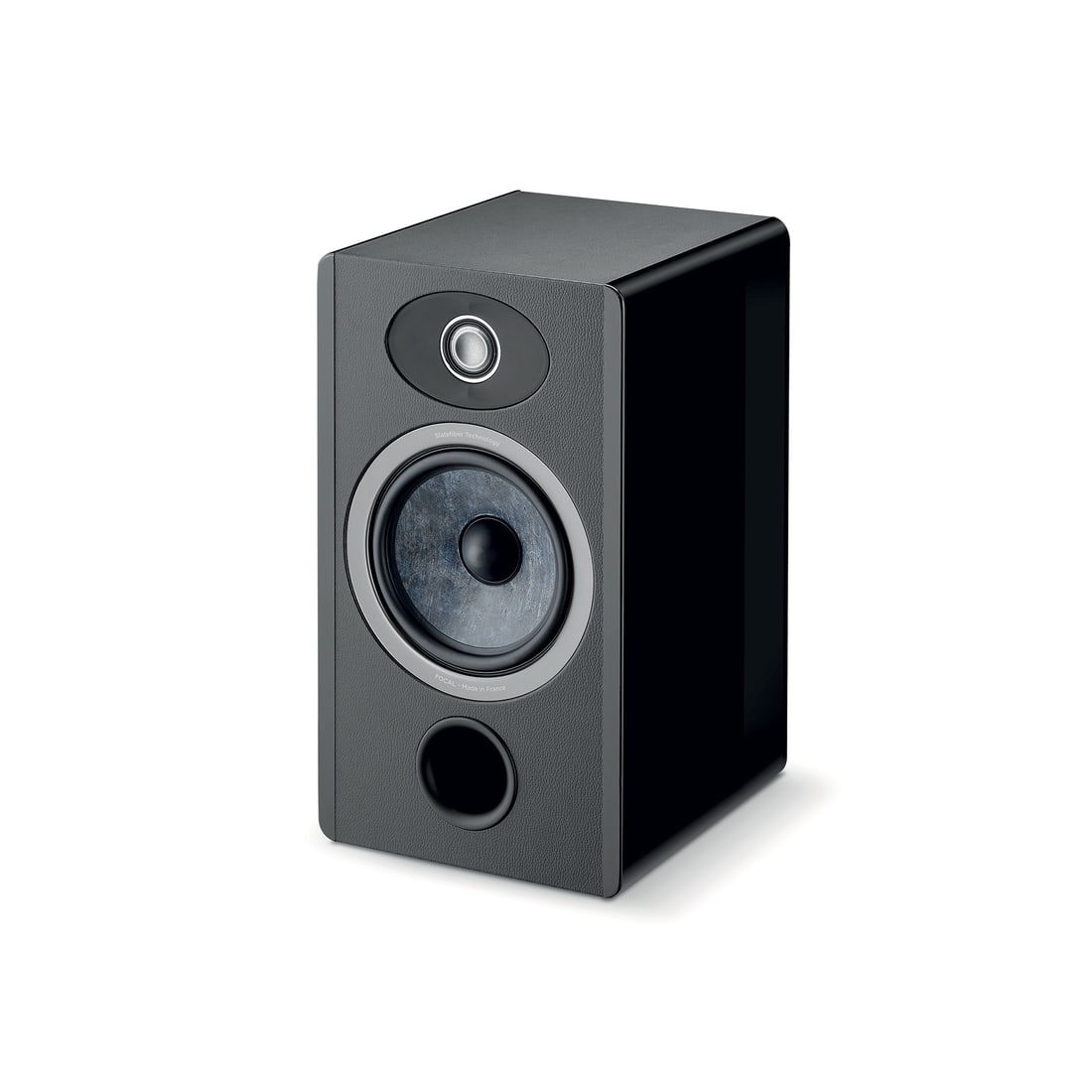 Baffle step: the crossover-adjacent problem most speaker buyers never hear aboutBaffle step compensation shapes how a speaker's bass balances against its midrange. Here's what it actually is, and why placement can't fully fix it.
- Subwoofer phase and delay: the setting that decides if your sub actually adds bassPhase and delay settings decide whether a subwoofer reinforces your mains or cancels them. Here's how to set both properly, with or without a measurement mic.
- Speaker sensitivity and amplifier power: the matching sum most buyers skipSensitivity ratings and amp wattage look simple but interact in ways that catch out serious buyers. Here's the actual maths, in plain terms.
- Bit-perfect is a myth in multiroom: what streaming resampling actually doesMultiroom streaming almost never sends bit-perfect audio to every zone. Here's what resampling and format conversion actually do to the signal, and when it matters.
 Headphone output impedance: the spec that quietly changes your soundOutput impedance shapes bass, treble and damping on multi-driver headphones and IEMs more than most amp reviews admit. Here's what to actually check.
- Bass EQ before or after the sub crossover: the setting order that actually mattersGet the signal-chain order wrong between EQ and crossover and no amount of measuring will fix your bass. Here's the order that actually works, and why.
- Slew rate, damping factor and THD: which amp spec actually predicts soundSlew rate, damping factor and THD get quoted constantly. I explain which ones genuinely correlate with what you'll hear, and which are decoration.
- Amplifier topology and speaker impedance dips: why the spec sheet liesA speaker's nominal 8-ohm rating hides impedance dips that punish some amp topologies more than others. Here's what the graph actually shows.
- Jitter, oversampling and filters: which DAC specs actually matterJitter, oversampling and digital filters get spruiked hard in DAC marketing. I break down which of these actually change what you hear.
- First reflections: finding them with a mirror before you buy any panelsBefore you spend a cent on acoustic panels, find your actual first reflection points with a mirror and a torch. Here's the method, and why it beats guessing.
- Headphone impedance and power: why your amp's output matters more than wattsWatts on a spec sheet don't predict how a headphone amp will actually drive your cans. Here's the impedance and output-impedance story that does.
- Why your multiroom volumes never match (and how to actually fix it)Same track, same app, different loudness in every room. Here's the actual engineering reason multiroom volume matching fails, and how to fix it properly.
- Speaker cable gauge and length: when it actually changes what you hearSpeaker cable gauge and length can measurably shift frequency response over long runs. Here's the maths, the thresholds that matter, and where to stop spending.
- Lip sync and audio delay: why your AVR's setting isn't the whole fixYour AVR's lip-sync slider only fixes part of the chain. Here's where audio delay actually comes from and how to measure it properly.
- Damping factor and output impedance: what actually happens at the speaker terminalDamping factor gets thrown around like a quality score. It isn't. Here's what the number actually measures and when it matters.
- Bass trap placement: why corners aren't always the answerCorner bass traps are the default advice, but they don't fix every room mode. Here's how to actually find where your bass problems live before you buy foam.
- Cable and interconnect upgrades: where the money stops making senseA measurement-led look at speaker cable and interconnect spending: what genuinely changes electrically, what doesn't, and where to stop.
- Subwoofer placement by the numbers: the measurement approach that actually worksForget "sub crawl" folklore. Here's how to place a subwoofer using real in-room measurements, and why the corner is rarely the answer.
 Crossover points and driver integration: what actually matters when you buy a speakerCrossover frequency and slope shape the sound more than most spec sheets admit. Here's what the numbers actually tell you about driver integration.
 Streaming resolution vs your ISP: why the bottleneck usually isn't your networkBlaming the NBN for dropouts and dumbed-down streams? I measured the actual bandwidth hi-res audio needs and it's rarely the wire that's the problem.
 Loudspeaker sensitivity and amplifier matching: what the numbers actually predictSensitivity specs look simple until your new standmounts clip the amp at moderate volume. Marcus Vale explains what the numbers really mean and how to use them.
- First reflections explained: what they are, why they matter, and how to treat themFirst reflections are the single biggest source of imaging smear in a domestic listening room. Here's the physics, the measurement, and the fix.
- Cartridge loading and capacitance: what the numbers actually do to your signalResistive loading and capacitance aren't just set-and-forget specs. Marcus Vale explains how they reshape your cartridge's frequency response and why the numbers matter.
- Subwoofer crossover settings: what the numbers actually meanCrossover frequency, slope, and phase — Marcus Vale cuts through the confusion with measurement-backed advice on dialling in your subwoofer correctly.
- Multiroom audio latency: why your zones fall out of sync and how to fix itZones drifting out of time is the most common multiroom complaint. Marcus Vale explains what causes latency, how each ecosystem handles it, and what you can actually do.
- Wi-Fi vs Ethernet for network streamers: does the cable actually matter?Marcus Vale runs the measurements and the logic on whether a physical Ethernet connection genuinely improves streaming audio quality over Wi-Fi — or if it's mostly folklore.
- Sensitivity, impedance and power: how to match a speaker to an amplifierSensitivity ratings, impedance curves and amplifier power interact in ways most buyers never check. Here's how to read the numbers before you buy.