Tagged: room correction
22 articles we've published with this tag.
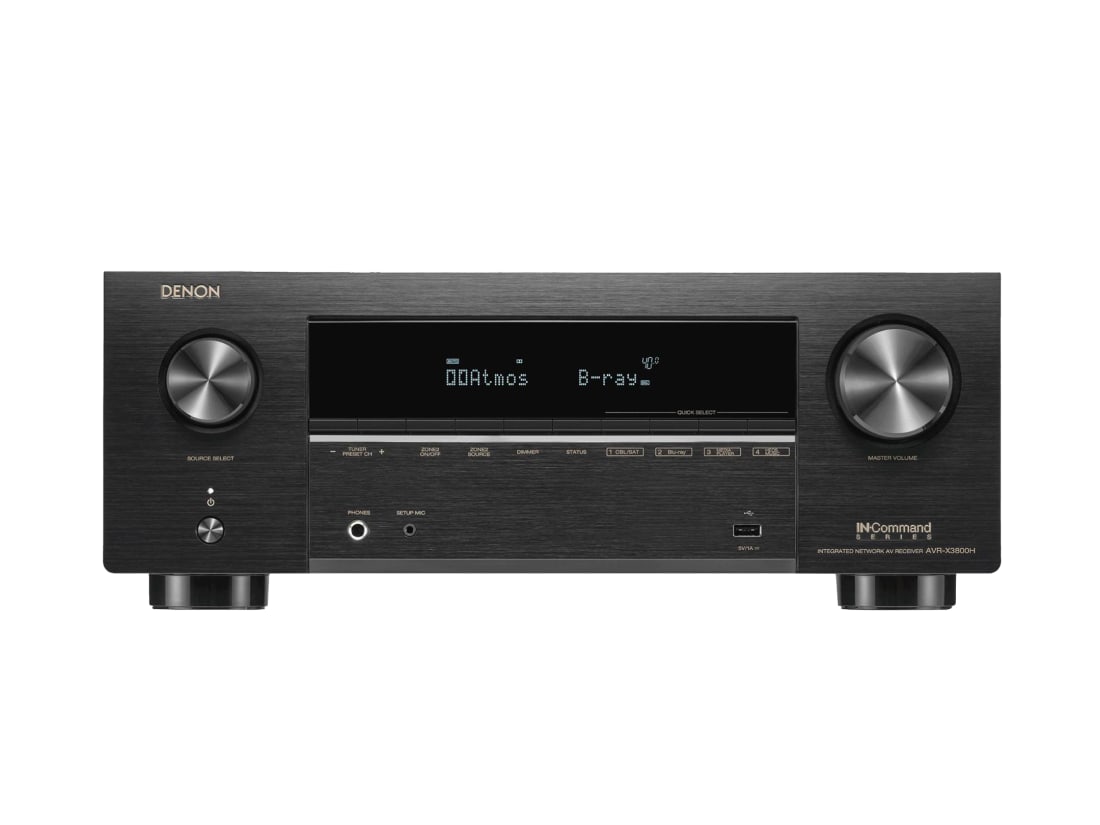 AVR auto-calibration: what Audyssey, YPAO and Dirac actually measureAudyssey, YPAO and Dirac Live all run a mic sweep and spit out numbers, but they're not measuring the same things or fixing the same problems. Here's what's actually happening.By Marcus Vale
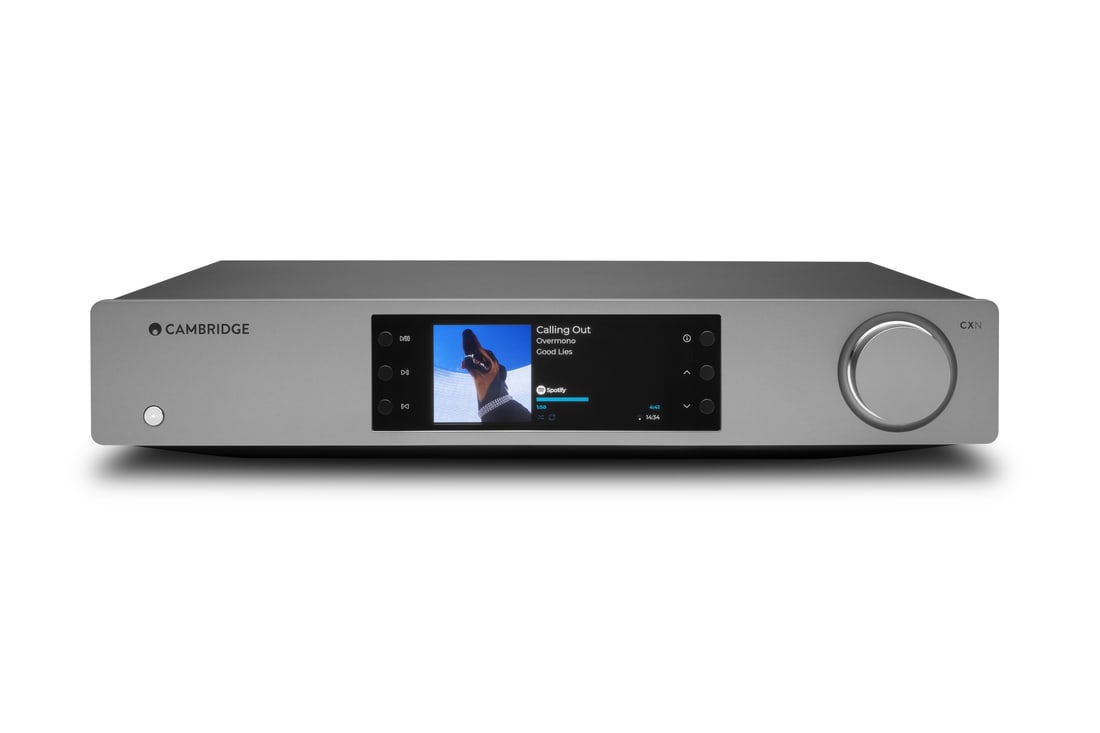 Streaming a subwoofer's EQ filters: why your network player might be the bottleneckYour sub's miniDSP or app-based EQ can only act on a signal your streamer hasn't already mangled. Here's where network audio and bass management actually interact.By Theo Mensah
 Diffusion in statement rooms: when scattering sound beats absorbing itIn a statement room, piling on absorption kills the air around the music. Here's when diffusion is the better tool, and where I've seen it misused.By Sofia Laurent
- Why a $400 subwoofer with a mic beats a $1200 one withoutA cheap subwoofer with built-in room correction can outperform a pricier unit with no DSP at all. Here's the giant-killer maths on why.By Dave Okafor
- Bass management by the numbers: what your AVR's crossover and slope actually doCrossover frequency gets all the attention, but slope, distance settings and speaker size flags quietly decide whether your bass management works or fights itself.By Theo Mensah
- Impedance and EQ curves: why your streamer's DSP can't fix a bad matchDSP room correction and app-based EQ can't undo an amp-speaker impedance mismatch. Here's the actual engineering, and where correction genuinely helps.By Theo Mensah
- Bass management crossover settings: the number your AVR gets wrongYour AVR's auto-calibration picked a crossover frequency for your speakers. Here's why that number is often wrong, and how to fix it properly.By Theo Mensah
- Bass traps: how many you actually need, and where they go wrongMost bass trap purchases are undersized or misplaced. Here's the measurement-based case for how many you need and where they actually work.By Marcus Vale
- First reflections: finding them, and what to actually do about themThe mirror trick still finds first reflection points better than any app. Here's how to locate them and what treatment actually earns its keep.By Hannah Reid
- Convolution-based room correction: what it actually measures and fixesDirac, Roon's convolution engine, Audiolense — they all promise a corrected room. Here's what the maths actually does, and what it can't touch.By Theo Mensah
- Room correction versus room treatment: what DSP can't fixRoom correction software can flatten a frequency response, but it can't fix decay, timing or a bad first reflection. Here's where the line actually sits.By Sofia Laurent
- First reflections: finding them with a mirror before you buy any panelsBefore you spend a cent on acoustic panels, find your actual first reflection points with a mirror and a torch. Here's the method, and why it beats guessing.By Marcus Vale
- Bass management over network audio: why your streamer's DSP matters for subsModern streamers now carry crossover and room EQ duties that used to live in an AVR. Here's what that shift actually changes for your subwoofer.By Theo Mensah
- Acoustic treatment at the statement level: what six figures of speaker buys you in a bad roomEven reference loudspeakers can't out-engineer a bad room. Here's what serious acoustic treatment actually buys a statement system, and where the money should go first.By Sofia Laurent
- Why room correction can't fix your DAC, and your DAC can't fix your roomSplitting out what a DAC upgrade genuinely changes from what only acoustic treatment and correction software can fix, so you spend on the right layer first.By Hannah Reid
- Room correction software: what it actually fixes and what it can'tRoom correction promises to fix your acoustics with DSP. Theo Mensah explains what the algorithms genuinely solve, where they fall short, and when treatment beats software.By Theo Mensah
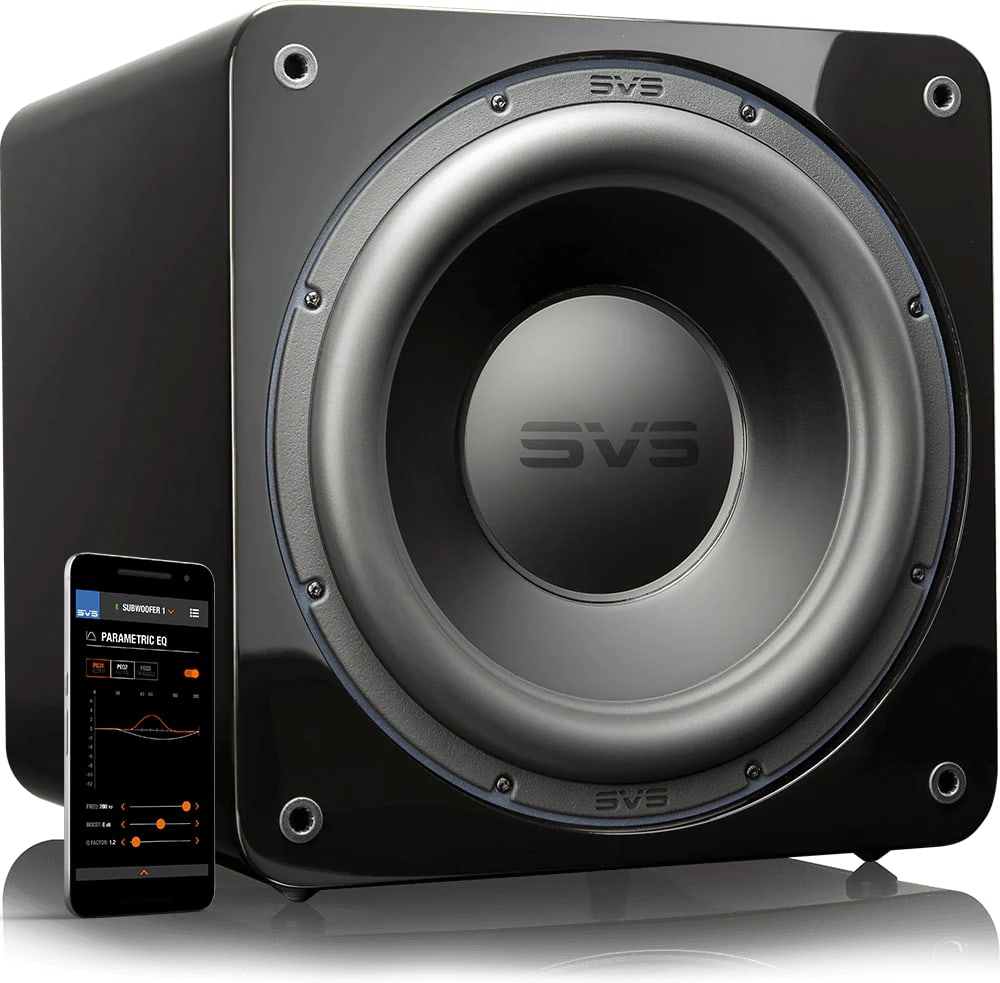 Subwoofer DSP: how to use digital signal processing to fix your bassDSP can fix room-driven bass problems no amount of placement tweaking will solve. Theo Mensah explains what the tools actually do and how to use them without making things worse.By Theo Mensah
- Room modes explained: why your bass sounds wrong and how to fix itRoom modes cause boomy, uneven bass in almost every listening room. Jonno Fraser explains what they are, how to find them, and what actually fixes the problem.By Jonno Fraser
- How to calibrate your home cinema: Dirac, Audyssey, YPAOHow to calibrate your home cinema with Dirac Live, Audyssey MultEQ XT32 or Yamaha YPAO, and get the best from whichever room correction system you own.By Priya Anand
 Dirac Live 3.14 retires the legacy tool and widens ARTDirac Live 3.14 retires the legacy DLCT and refines ART. Here is what changed in 3.14.1 and 3.14.3, and what Australian buyers should check first.By Marcus Vale
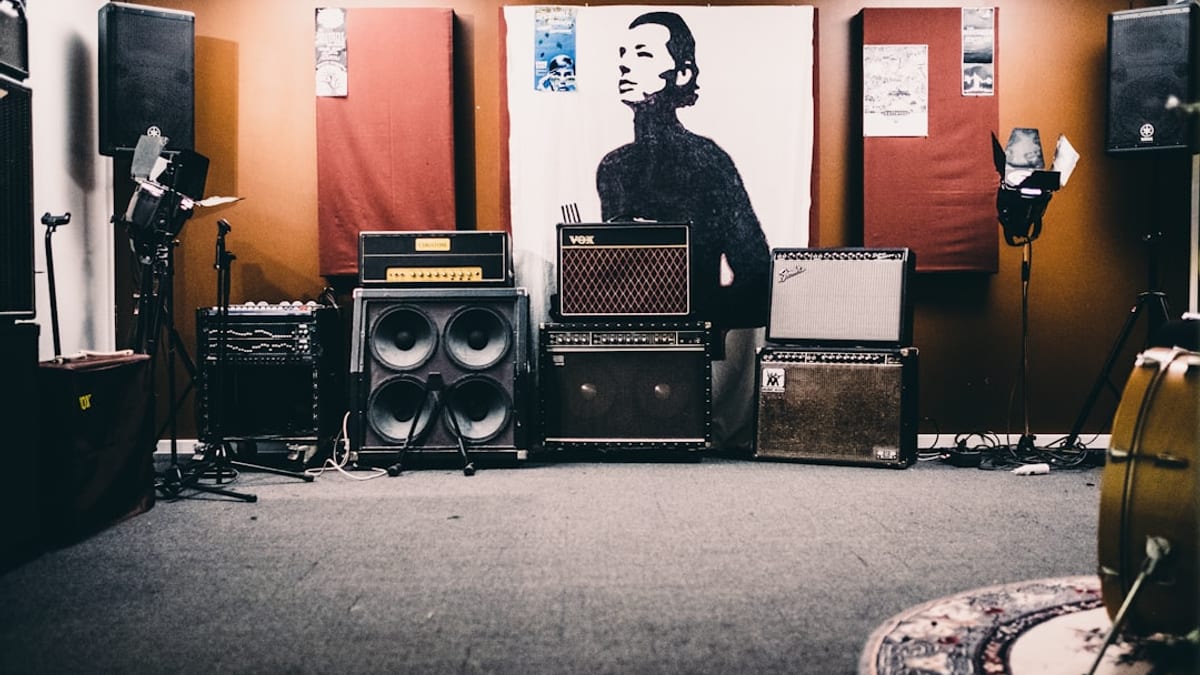 miniDSP Tide16: 16-channel processor with full Dirac LiveThe miniDSP Tide16 is a 16-channel standalone processor with Dirac Live Room Correction, Bass Control and ART included. Marcus Vale unpacks what that means.By Marcus Vale
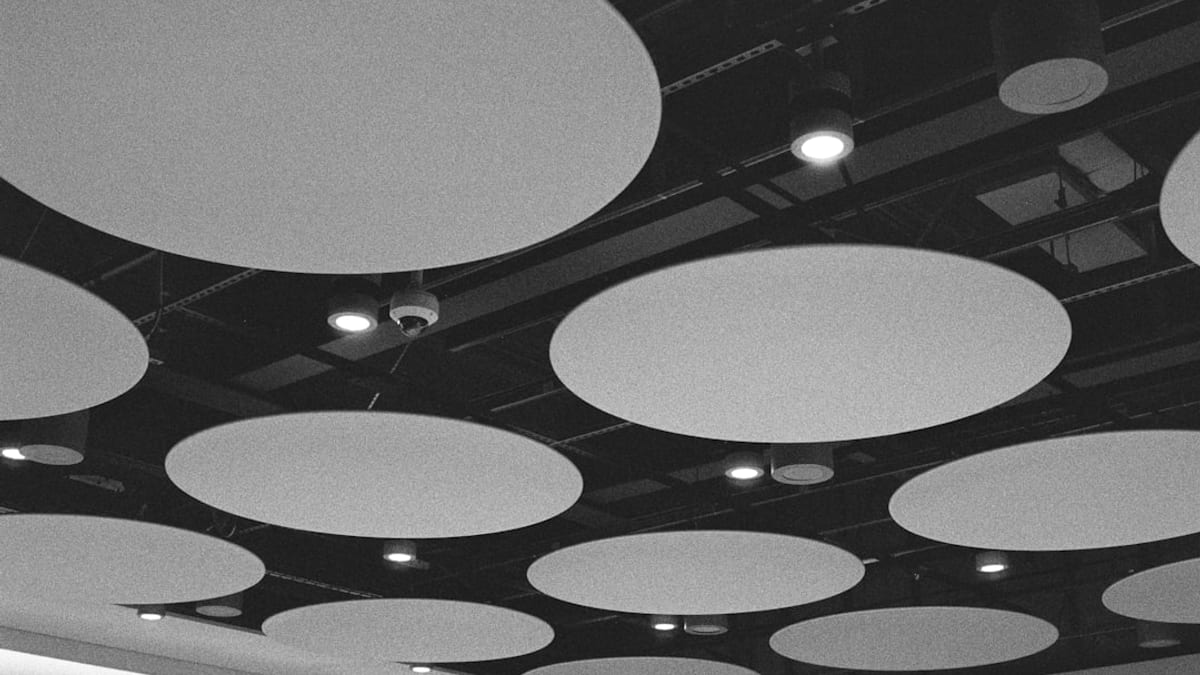 Active room treatment goes mainstream: Dirac Live ARTDirac Live ART uses MIMO processing to cut low-frequency decay, and it now ships in a $3,500 miniDSP unit. Here is what it means for Australian buyers.By Eleanor Shaw