Noise isolation vs sound quality: what closed-back headphones actually cost you
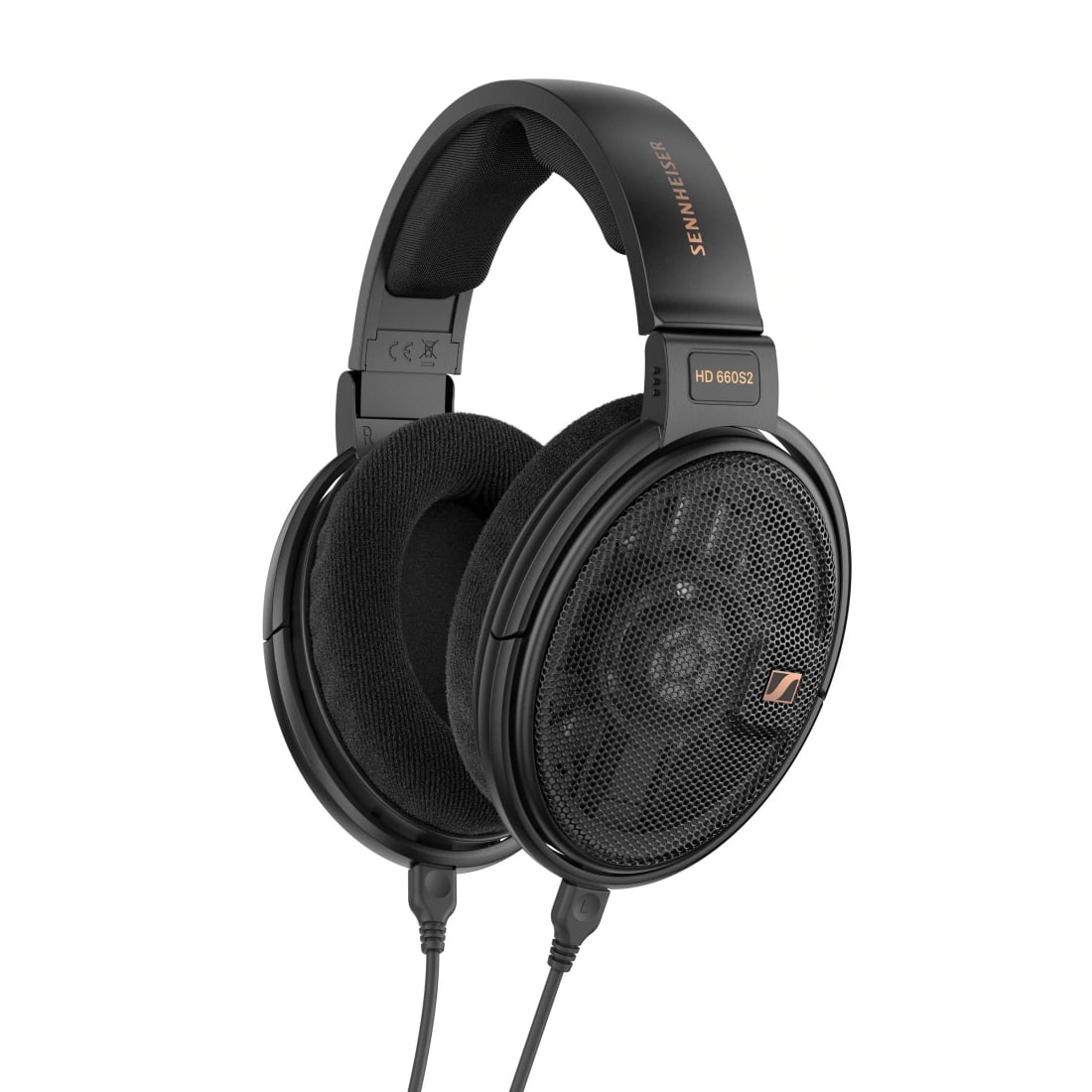
A closed-back headphone is essentially a speaker in a sealed box strapped to your head. Which sounds obvious until you remember what sealed enclosures do to bass extension, resonance behaviour, and the way a driver loads — and then you start to wonder whether the isolation you're buying is costing you more than the sticker price suggests.
I come at headphones from an acoustics background rather than a pure listening one, so when someone asks me whether they should go closed-back or open, my first questions aren't about genre preferences. They're about where you'll be listening, how loud, and whether the people around you have feelings.
The physical reason closed-backs sound different
Open-back headphones let air move freely behind the driver. The ear cup is either perforated, grilled, or entirely absent as a rear baffle. That means the driver operates in a condition closer to open-space loading — the back wave dissipates rather than bouncing around inside a cup. The result, in most well-designed open-backs, is a more natural sense of air around instruments, lower measured distortion in the bass (because the driver isn't fighting a pressure build-up), and a soundstage that can feel genuinely outside your head rather than between your ears.
Closed-backs trap that back wave. Depending on cup volume, internal damping, and the driver's own characteristics, that trapped energy can reinforce bass (useful, sometimes), create resonances (not useful, ever), or introduce subtle colourations that are hard to pin down but easy to hear once you know they're there. Most manufacturers put a lot of damping material in closed cups precisely because of this — foam, felt, acoustic treatment of various kinds — but it's a mitigation, not a solution.
There's also the matter of sound leakage going the other way. Open-backs bleed considerably. I measured a pair of well-regarded open flagships at moderate listening levels and found sound pressure at half a metre that would be genuinely antisocial on a train or in an office. Closed-backs contain that. That containment is their whole value proposition.
What isolation numbers actually tell you
Passive isolation in a closed-back headphone is typically quoted in dB of attenuation, often around 15–25 dB for a well-fitting circumaural design. But that figure varies heavily with frequency. Most closed headphones attenuate high frequencies significantly more than low ones — which means machinery rumble, train noise, and bus engines get through more than you'd expect, while voices and mid-range noise are better controlled.
Some manufacturers don't publish isolation curves at all, just a headline number, which tells you almost nothing about real-world performance. If isolation is genuinely your priority — a daily commute on the Brisbane City Cat, an open-plan studio floor, a noisy office — you're better served by a properly measured headphone or by adding active noise cancellation to the equation. Good passive isolation and good ANC together can be very effective; but ANC adds its own artefacts, and I'd encourage anyone sensitive to the processing sound of ANC to audition carefully before buying.
Where the acoustic quality gap is largest
Honestly, the gap between closed and open designs at budget price points is harder to hear than at the high end. A $150 closed headphone and a $150 open headphone both have limitations that swamp the architectural differences. But above roughly $400–500, you start to notice it clearly.
I've listened to the Sennheiser HD 660S2 (check price) back to back with several closed headphones in its price range, and the HD 660S2 — which is open — has a naturalness in the upper midrange and a sense of air that the closed competition consistently struggles to match. The Focal Clear MG (check price) is another example: that open aluminium/magnesium driver in an effectively open housing produces a presentation that closed Focal designs at similar or higher prices haven't quite replicated. Same driver technology, same engineering pedigree — different acoustic architecture, different result.
That said, some excellent closed headphones exist and are genuinely hard to fault in their context. The category has improved substantially over the last decade. But the laws of physics haven't changed, and a closed cup is still a closed cup.
When closed-back is the right call
Three scenarios make closed-back the sensible choice, and they're real ones.
Recording and monitoring work. If you're tracking vocals or an acoustic instrument and need to hear your mix without bleed into the microphone, you need a closed headphone. Full stop. This is the situation closed-backs were designed for. The Beyerdynamic DT 1990 PRO MK II (check price) is technically an open design aimed at mixing, but the reference-grade closed headphones used on studio floors exist for exactly this reason — isolation first, tonality second.
Shared listening spaces. If your partner is asleep, your housemates are studying, or you're in an open-plan office trying not to be the person who makes everyone hear your music, closed-backs are simply polite. Open-backs are non-starters in those environments.
Portable and on-the-go listening. The Chord Mojo 2 (check price) is a spectacular portable DAC/amp, and pairing it with an open headphone in a café makes precisely zero sense. A compact, reasonably isolating closed headphone lets you actually use a high-quality portable rig in the places people actually carry them.
If none of those apply to you — if you have a dedicated listening chair in a quiet room, no housemates who'll object to bleed, and you're building a serious desktop or headphone rig — then open-back will almost certainly get you further for the same money. See our overview of the best audiophile headphones for how the best designs in both categories stack up.
Amping implications: closed-backs behave differently
One thing that doesn't get discussed enough is how closed-back and open-back headphones interact differently with amplifier output impedance. Because a closed cup can reinforce bass resonances, a higher-output-impedance amplifier (common in some valve headphone amps) can interact with a closed headphone's impedance curve in ways that audibly colour the low end — sometimes pleasantly, sometimes not. The same amp might sound perfectly balanced with a low-impedance open headphone and slightly bloated with a closed one of similar nominal impedance.
This isn't a reason to avoid pairing closed headphones with valve amps, but it's a reason to test before you commit. If you're building a desktop rig and considering a dedicated headphone amp, worth reading our breakdown of the best DACs and streamers alongside headphone amp options — the source quality matters too, and the three-way interaction between source, amp, and transducer is where a lot of systems either gel or don't.
The IEM alternative nobody wants to hear about
If isolation is your genuine goal and you can tolerate in-ear fit, a good IEM with proper ear tip selection will outperform any passive closed headphone for isolation by a significant margin. Custom-moulded in-ears used by touring musicians routinely measure 25–35 dB of broadband attenuation, including the low frequencies where circumaural headphones fall short. The fit and anatomy considerations are real — worth reading our guide on IEM versus full-size headphones if you're weighing up the options seriously — but for commuters or office workers, the isolation-per-dollar argument for a well-fitting IEM is hard to ignore.
I'll admit I'm biased toward over-ear designs purely for long-session comfort. Four or five hours at a desk in a good circumaural headphone is generally more comfortable than the same in an IEM, regardless of how good the tips are. But shorter sessions in noisier environments? The IEM wins the isolation argument pretty easily.
A practical decision framework
Before you commit to either architecture, answer four questions honestly. First: will you use these in a shared space or in transit? Second: does anyone around you need to not hear what you're playing? Third: is this for monitoring/recording work? Fourth: do you have a quiet, dedicated listening environment where you'll spend most of your time with them?
If you answered yes to any of the first three, closed-back is probably the right choice regardless of the acoustic trade-offs. If your honest answer to the fourth question is yes, open-back will almost certainly give you a better listening experience at any given price point.
The mistake I see most often is people buying closed headphones for desktop home listening because they assume the isolation will be useful, then feeling vaguely like something is missing compared to a friend's open-backs. The isolation goes entirely unused in a private listening room. You've paid the acoustic cost without collecting the benefit.
Get the architecture right for your actual use case first. Then worry about the rest of the chain.
— Hannah Reid, Loudspeakers & Acoustics Editor
Common questions
- Do closed-back headphones always sound worse than open-back headphones?
- Not always, but on average they face more acoustic challenges — particularly cup resonances and bass colouration from the sealed enclosure. At the high end, well-engineered closed designs can sound excellent, but most open-back headphones in the same price range will have a more natural presentation and lower distortion. The gap is most audible above around $400–500.
- Can closed-back headphones be used for serious home listening, or are they only for commuting?
- Plenty of audiophiles use closed-backs at home, and some excellent options exist. The question is whether the isolation benefit applies to your situation. If you're listening alone in a quiet room, you're paying an acoustic cost (resonance, altered bass character, sometimes a more 'in-head' soundstage) without gaining anything. If noise isolation genuinely matters in your environment, the trade-off is fair.
- How much passive isolation do closed-back headphones actually provide?
- Most well-fitting circumaural closed headphones attenuate around 15–25 dB, but this varies significantly with frequency. High frequencies are typically attenuated more effectively than low ones, so low-frequency noise (traffic, machinery, bass from a neighbouring room) passes through more than mid-range sounds. For maximum isolation in genuinely loud environments, active noise cancellation or custom-fit IEMs are considerably more effective.
- Does headphone amplifier choice matter differently for closed versus open headphones?
- It can, yes. Closed headphones are more sensitive to amplifier output impedance interactions because the sealed enclosure reinforces bass resonances that a high-impedance amp can further colour. The same amp may sound well-balanced with an open headphone and slightly bass-heavy with a closed one of similar nominal impedance. It's worth testing the pairing before committing, particularly with valve-based headphone amplifiers.

Hi, I'm Hannah. Speakers are my thing — specifically, the conversation between a speaker and the room it's in, which is where most systems are won or lost. I did acoustics at uni and never quite got it out of my system. I'll measure your room's bass response and then gently break the news that the $20,000 speakers aren't the problem, the untreated wall behind your sofa is. Stand-mounts on good stands are criminally underrated and I will die on that hill.
Acoustics background; loudspeaker and room-treatment specialist
More from Hannah Reid
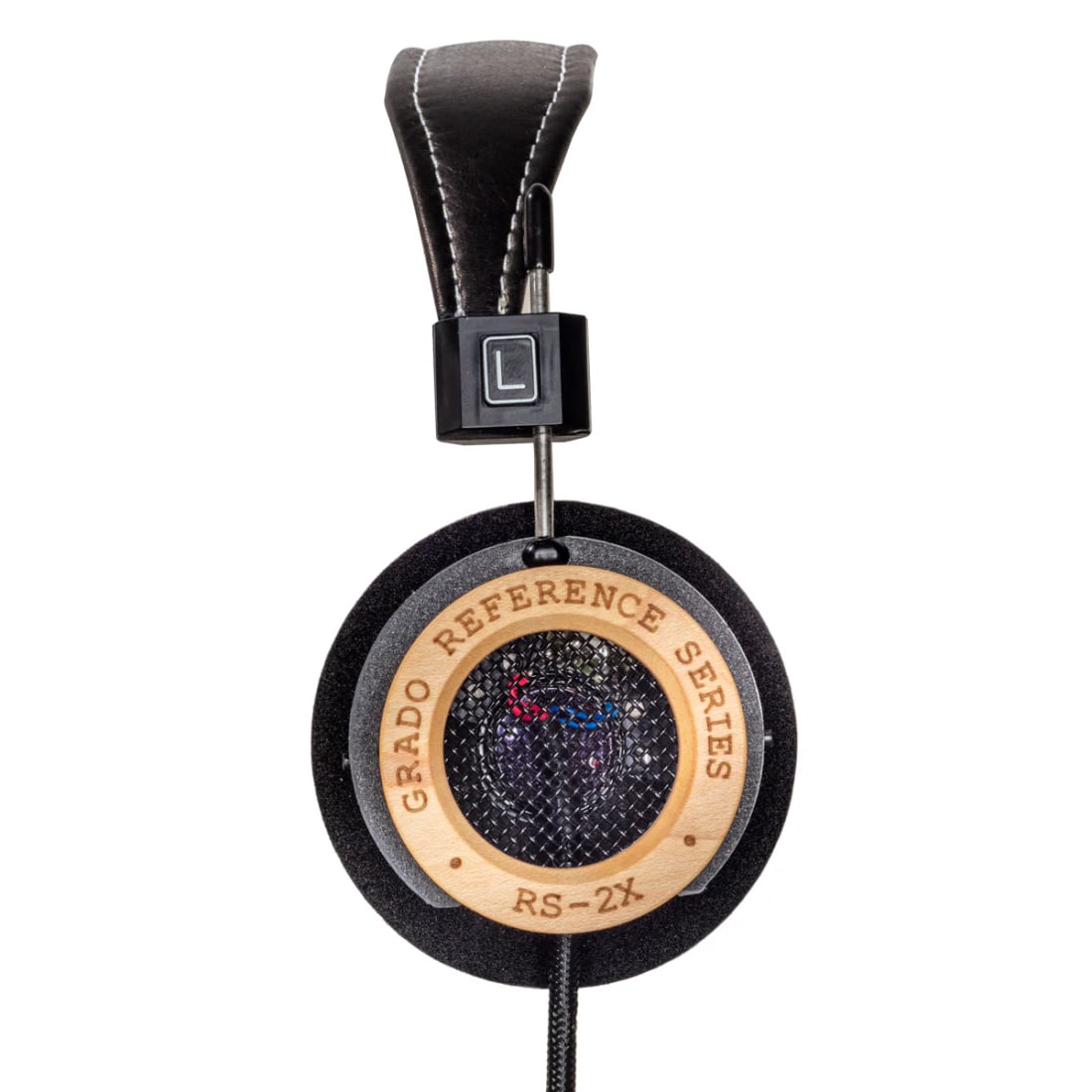 Open-back headphones on a desk: why the "room" still mattersOpen-back headphones don't seal you off from the room. Here's why your desk, walls and even your monitor are still part of the sound.
 Turntable isolation: why footfall and feedback matter more than the plinthSuspended floors, speaker vibration and footfall do more damage to vinyl playback than plinth material. Here's how to actually isolate a turntable.
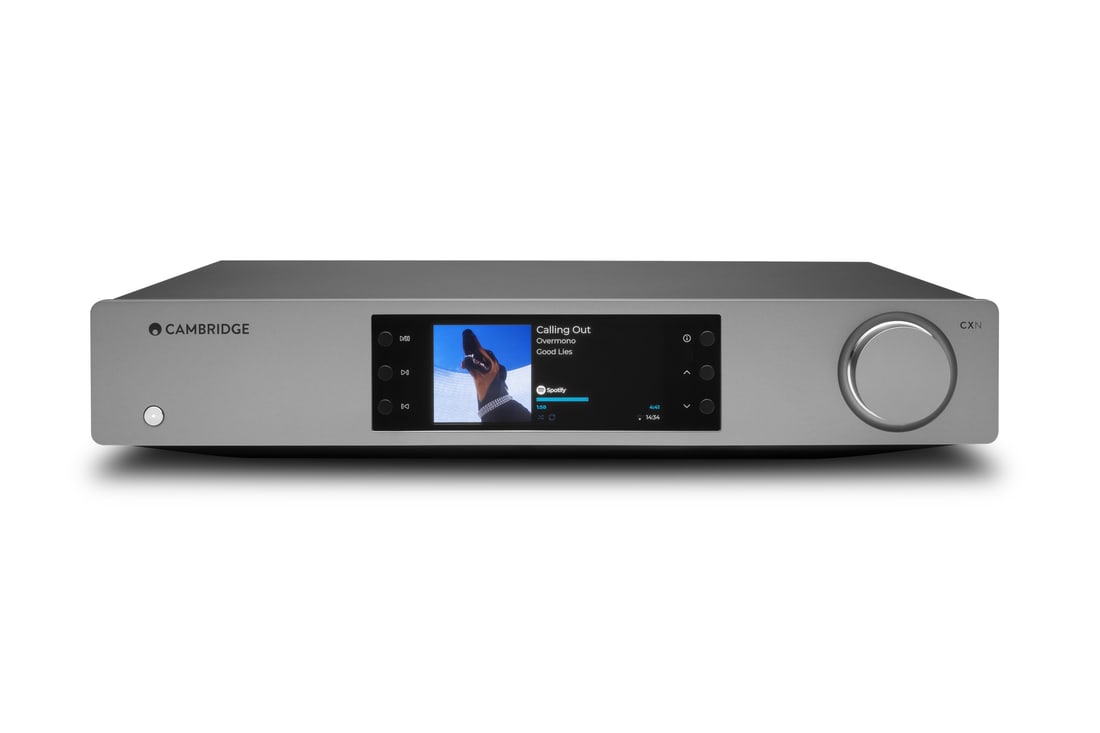 Why your streamer's output stage still shapes the sound at the speakerBits are bits, but the analogue stage after the DAC chip in your streamer still colours what your speakers do. Here's what actually matters.
- Subwoofer size versus number: why two small subs beat one big oneA 10-inch sub in two spots usually beats a 15-inch sub in one. Here's the room-mode maths behind why, and when a single big box still wins.
 Toe-in angle: the free speaker upgrade nobody bothers measuringToe-in angle changes your speakers' tonal balance and imaging more than most upgrades. Here's how to actually find the right angle for your room.
- Speaker stands and boundary distance: the invisible spec on your spec sheetStand height, mass and distance from walls change a standmount's measured bass and imaging more than most upgrades. Here's how to get it right.