Giant-killer desktop rigs: getting 90% of a $3000 headphone setup for $600
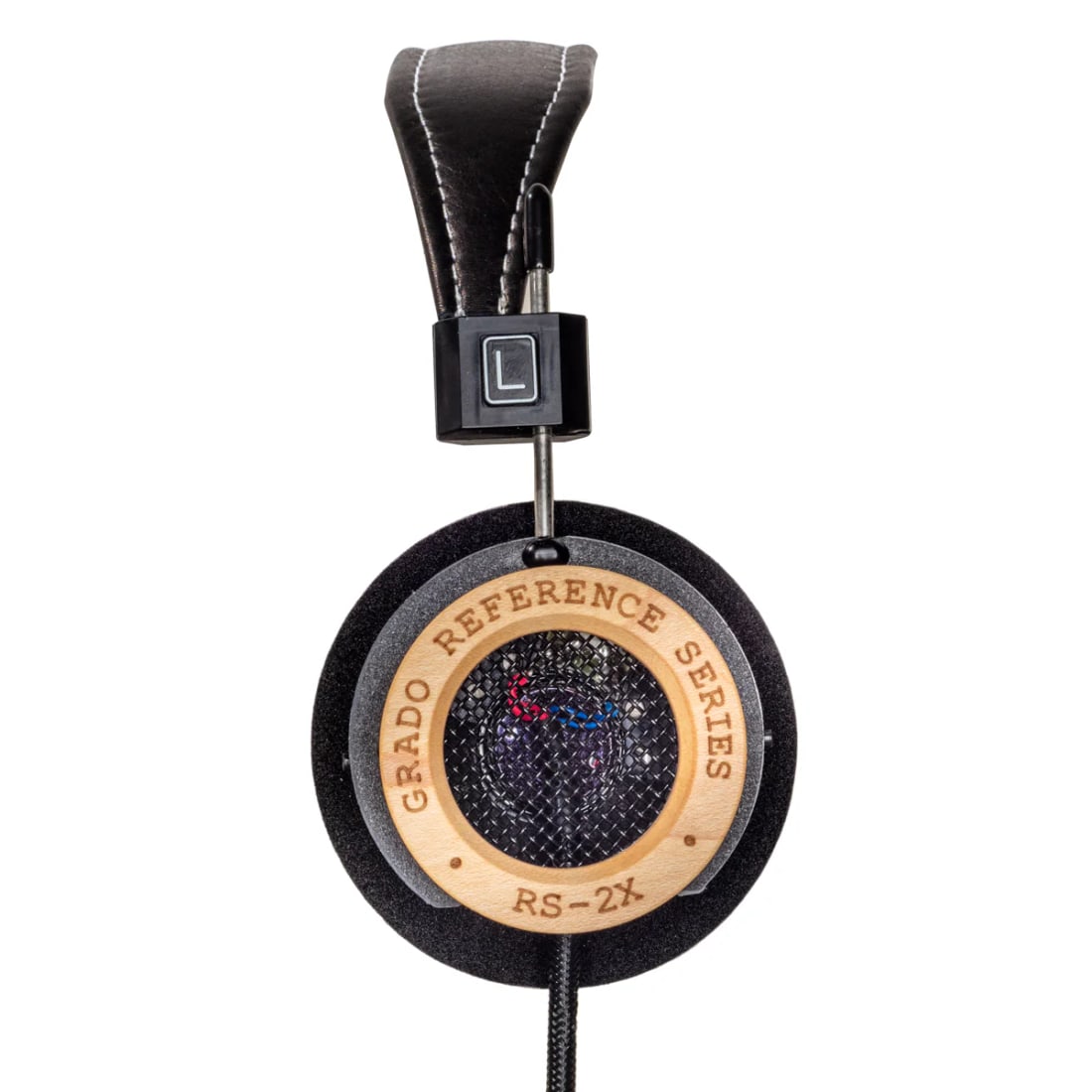
Six hundred dollars. That's my number, and I picked it because it's roughly what a lot of people spend on a nice pair of shoes and a decent jacket without blinking, but somehow feels like a lot when the word "audiophile" gets attached to it. I've built this exact rig, in this exact budget, more times than I can count for mates who wanted to know if the good stuff was actually as good as people say. Short version: a fair bit of it is, and you can get most of the way there without remortgaging anything.
I want to be upfront about what "90%" means here, because I'm not being cute with the maths. I mean the gap between a $600 desktop setup and a $3000 one is real, but it's the kind of gap you notice on a direct A/B with a trained ear, not the kind that ruins your enjoyment of a Tuesday night listening session. The law of diminishing returns is brutal in this hobby, and nowhere is it more obvious than headphones and desktop amping, where the actual transducer technology hasn't fundamentally changed in a decade — we're mostly paying for machining tolerances, exotic materials and, let's be honest, brand cachet.
Where the money should actually go
Here's the allocation I'd defend on a whiteboard in front of anyone: roughly half your budget on the headphones themselves, a third on a decent DAC/amp combo, and the rest on cables and tips you'll actually need. Not gold-plated cables — I mean the boring stuff, a proper USB cable that doesn't fall out of the socket, and if you're doing IEMs, a set of tips that actually seal.
People get this backwards constantly. They'll drop $450 on a DAC and $150 on headphones, and wonder why it sounds thin and uninvolving. The transducer is doing 70% of the work in how a system sounds — tonality, soundstage, the character of the bass — and the DAC/amp is mostly there to not get in the way. I'll die on this hill: a mediocre DAC feeding a great pair of headphones will out-perform a great DAC feeding mediocre headphones, every single time.
The headphone half of the budget
For around $300-350, you're in the territory of headphones like the Sennheiser HD 660S2 (check price) once you catch a sale, or slightly below that price point you've got genuinely excellent open-back options that punch stupidly above their station. Open-back is my default recommendation for desktop use, because at a desk you're usually not sharing a room with someone who'll murder you for the leakage, and open designs almost always sound more natural and less boxed-in than their closed equivalents at the same price.
If you live with a partner, housemate, or have a baby monitor situation happening two metres away, closed-back is the sensible call, and there's no shame in it — I've covered the leakage question properly elsewhere if that's your situation. For most solo desk warriors though, open-back is the giant-killer move, because you're getting soundstage and tonal naturalism that closed designs at the same price genuinely struggle to match. I'd point you toward our best audiophile headphones guide for the full lineup, but the short version for this budget is: buy the open-back, buy it on a sale if you can wait a month, and don't fall into the trap of chasing the next tier up before you've lived with what you've got.
IEMs are the other path, and honestly for a genuine giant-killer play they're arguably the smarter one. A well-regarded IEM in the $150-250 range, paired with the right tips, will often out-resolve a $400 over-ear. The catch is fit is everything with IEMs in a way it just isn't with over-ears — get the seal wrong and you lose half your bass and most of your detail. This is the cheapest upgrade in the entire hobby and almost nobody does it properly: buy a multi-pack of tips in different core materials (silicone and a foam set) and actually try them all before deciding your $200 IEM "just isn't that good." Ninety percent of the time it's the seal, not the driver.
The DAC/amp: where giant-killers actually live
This is where the value story gets genuinely funny. Ten years ago you needed a separate DAC and a separate headphone amp to get clean, driving power with low noise floor. Now you can buy a single box for under $200 that will drive almost anything short of the genuinely power-hungry planar magnetics, with measured performance that would have cost four figures a decade back.
The iFi Audio ZEN DAC 3 (check price) and the FiiO K11 (check price) are the two I keep coming back to for this exact budget tier. Both measure cleanly, both have enough output to handle moderately demanding headphones, and both cost less than a decent bottle of wine collection. If you want to stretch slightly and get something that'll still be relevant if you upgrade headphones down the track, the Chord Electronics Mojo 2 sits a rung up and is portable too, which matters if your "desk" occasionally moves to the couch. I'd steer clear of anything claiming "audiophile-grade" capacitors or exotic clock upgrades at this price tier — that's marketing dressed up as engineering, and the measured performance rarely backs it up. Marcus has gone deep on why jitter and oversampling specs get oversold if you want the full technical picture; the short version is that any competently designed modern DAC chip is functionally transparent, and the differences you're hearing are far more likely amp output impedance and headphone pairing than digital-domain magic.
The bit nobody budgets for: impedance and power matching
I've watched too many people buy a beautiful pair of high-impedance headphones and then plug them into a phone dongle wondering why they sound flat and lifeless. Headphone impedance and sensitivity together decide how much voltage and current you actually need, and it's a spec that gets ignored constantly because it's less sexy than driver material or frequency response graphs.
Planar magnetic headphones, like the Audeze LCD-X (check price), are notorious current hogs — low impedance but they want serious current to open up properly, and a lot of budget dongles simply can't supply it cleanly. High-impedance dynamic designs, on the other hand, want voltage swing more than current. This is genuinely one of those specs where the "watts on paper" number on a box means almost nothing without knowing what impedance it was measured into. If you're building around $600 total, I'd steer away from the true current-hungry planars — save that pairing for when your amp budget can stretch to match — and lean into efficient dynamic designs that a modest desktop amp can actually drive to their potential.
Cables, tips, and the last 5%
I'll be blunt: I don't believe in $300 headphone cables, and nothing in the published, credible engineering literature supports the idea that a copper cable of sane gauge changes the sound of a line-level or headphone-level signal in a way you'd detect blind. Spend your money on a well-shielded, physically robust USB cable so it doesn't introduce noise or drop out, and on IEM tips as I mentioned above. That's it. That's the whole cable budget, maybe $30 total.
Where I will spend real money, if there's any left in the $600, is on desk setup — not acoustically treating your bedroom, but simple stuff like a stand so your headphones aren't getting knocked around, and making sure your desktop rig isn't fighting a laptop's internal DAC for default audio output (a shockingly common and free-to-fix problem — check your Windows or macOS sound settings are actually routing through your new external DAC, not the built-in chip).
What you're actually giving up at $600
I want to be honest about the gap, because "giant-killer" doesn't mean "identical." Step up to the $2000-3000 tier — something like a Focal Clear MG (check price) or a properly sorted desktop stack with a unit like the RME ADI-2 DAC FS (check price) — and you will hear a genuine step in resolving power, bass control, and the sense of ease at higher volumes. There's a reason Nell rates that gear as highly as she does; it's not hype, it measures and sounds the part.
But here's my honestly mildly contrarian bit: I reckon a good chunk of people buying into that tier are chasing a return that's smaller than the price gap suggests, largely because they haven't spent proper time — weeks, not an afternoon — living with a well-matched $600 rig first. You cannot properly judge diminishing returns until you've actually sat with the giant-killer tier long enough to know its ceiling. Most people skip straight to the expensive stuff because it's more fun to spend money than to be patient, and I get it, I'm not immune to gear lust either. But if you're on a genuine budget, or just testing whether this hobby is for you before going deeper, this tier is not a compromise. It's a legitimately great way to listen to music.
A quick real-world build
If someone handed me exactly $600 today and said "sort me out," here's roughly what I'd do: an efficient open-back dynamic headphone around the $300-350 mark, a FiiO K11 or iFi ZEN DAC 3 around $150-200, and the rest on a proper USB cable and, if going the IEM route instead, a decent tip multi-pack. I built almost this exact rig for a mate near Chapel Street in Melbourne last winter who was convinced he needed to spend triple that — he ended up not upgrading for over a year, which for a gear-obsessive like me is basically the highest compliment the setup could get.
The one thing I'd genuinely encourage anyone building this rig to do is buy from a retailer with a real return window, because ear fit and personal taste in tonality vary enough that what measures well on paper might not be your cup of tea. That's not a spec problem, that's just ears being ears.
Common questions
- Is open-back or closed-back better for a desktop setup on a budget?
- Open-back generally sounds more natural and spacious at the same price point, so it's my default recommendation for solo desk use. Go closed-back only if you've got housemates, a partner, or thin walls that make leakage a real problem.
- Do I need a separate DAC and headphone amp, or is a combo unit fine?
- For a $600 budget, a combo DAC/amp unit is the right call. Separates only start making sense once you're chasing specific power requirements for harder-to-drive headphones, usually well above this budget tier.
- Will a more expensive cable improve the sound of my headphones?
- No, not in any way that's been demonstrated in controlled listening tests. Spend on a robust, well-shielded USB cable for reliability, not on exotic headphone cables for sound quality.
- How much does impedance actually matter when choosing headphones for a small desktop amp?
- It matters more than most spec sheets make obvious. High-impedance headphones need voltage swing, while low-impedance planar designs often need serious current. A budget desktop amp can struggle with the latter, so check what your amp is actually rated to drive before buying power-hungry planar headphones.

I'm Dave, and I'm the cheapskate of the team — and proud of it. My whole thing is finding the gear that punches three times above its price, the so-called "giant-killers," because most people don't have forty grand for a system and shouldn't feel bad about it. I've heard the megabucks stuff, and a lot of it is gloriously good; I've also heard $800 setups that get you 85% of the way there. I'll always tell you where the law of diminishing returns kicks in.
Lifelong bargain-hunter; budget-to-midfi specialist
More from Dave Okafor
 Matching speaker and amp cost: ignore the price-parity mythForget the old rule of matching speaker and amp cost dollar-for-dollar. Here's what actually decides a good pairing, and why it isn't price.
 Turntable mats and platters: what actually changes the soundFelt, rubber, cork or acrylic — turntable mats and platter materials change the sound more than most upgrades. Here's what actually works.
- Buying a demo unit: the giant-killer move retailers hateEx-demo hi-fi gear can save 20-40% with near-zero risk. Here's how to actually negotiate it, what to check, and when to walk away.
- Flutter echo: the room fault that sounds like nothing's wrongFlutter echo blurs detail in parallel-wall rooms without obvious boom. Here's how to find it cheaply and kill it without over-treating.
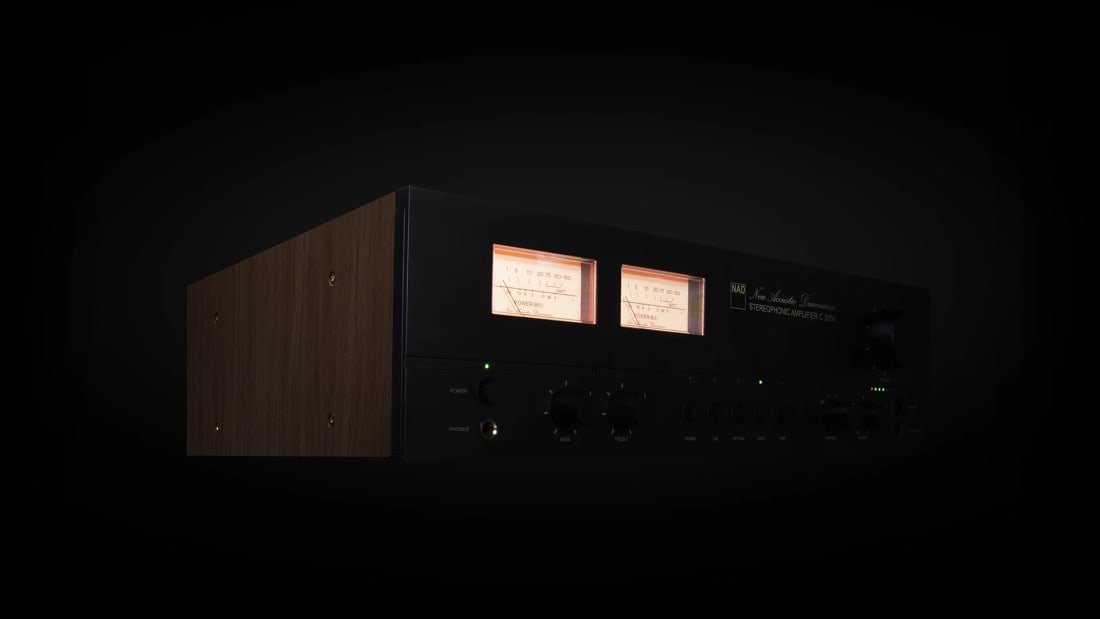 Amp power ratings into 8 vs 4 ohms: the spec sheet trapWhy an amp's 4-ohm wattage figure can mislead buyers, and how to actually match power output to real speaker loads on a budget.
 5.1.2 vs 7.1.4: the Atmos layout decision for real roomsChoosing between 5.1.2 and 7.1.4 Atmos layouts comes down to room shape and seating, not speaker count. Here's the giant-killer logic.