Valve headphone amps: the desktop pairing nobody warns you about
A customer walked into my old shop on Brunswick Street with a lovely pair of high-sensitivity in-ear monitors and a valve headphone amp he'd bought off Gumtree, wondering why it sounded like FM radio with a head cold. Hiss under everything, a background hum that pulsed with the fridge compressor next door, and a top end that felt like someone had thrown a doona over the tweeters. Nothing was faulty. He'd just paired the wrong amp with the wrong headphones, which is a more common story than most of the valve-curious crowd wants to admit.
I run valves on my speaker system and I'll defend that choice all day, but headphones are a different animal entirely, and the desktop valve headphone amp scene has quietly become one of the more misunderstood corners of this hobby. People buy in expecting the same magic they've read about on forums for full-size systems, and they get something that either sings with one pair of cans and does something faintly awful with another. So let's get into why, because the physics here isn't optional and no amount of NOS tube-rolling fixes a fundamental mismatch.
Why headphones expose a valve amp's weak points
A loudspeaker crossover and cabinet do a lot of masking work. Room reflections do more. By the time sound reaches your ears from a pair of standmounts across a lounge room, plenty of the amplifier's rougher edges have been smoothed over by air, distance and the room itself — which, incidentally, is why I keep banging on about proper speaker placement and stands in every other article I write.
Headphones remove all of that. The transducer sits millimetres from your eardrum with nothing in between. Any noise floor, any output impedance interaction, any frequency response wrinkle gets delivered directly and without mercy. This is precisely why a valve amp that sounds gorgeous driving a pair of 87dB-sensitivity floorstanders can sound genuinely poor driving a 120dB-sensitive IEM. The amp hasn't changed. The gain structure and impedance relationship it's being asked to manage certainly has.
The impedance interaction most sellers won't mention
Most valve headphone amps, particularly the affordable desktop ones built around output transformers or OTL (output transformerless) topologies, carry a meaningfully higher output impedance than the solid-state desktop DAC/amps most of the market is used to. Where a chip-based amp might sit under an ohm, plenty of valve designs sit anywhere from a few ohms up into double figures.
That matters because your headphones aren't a flat resistive load. Their impedance swings with frequency, sometimes wildly. A planar magnetic driver tends to be fairly flat and resistive, which plays nicely with almost anything. A dynamic driver headphone, especially one with a complex crossover network inside a hybrid design, can have an impedance curve that bumps and dips by a factor of two or three across the audible band. Pair that with a high-output-impedance valve amp and you get a frequency response that isn't flat anymore — it's been shaped by the interaction between the two, in ways the amp's own spec sheet will never show you. I wrote about this exact mechanism in more general terms in our piece on impedance and EQ curves, and it applies just as much at the headphone jack as it does to loudspeaker terminals.
The practical upshot: a valve amp with 8 to 10 ohms of output impedance driving something like the Sennheiser HD 660S2 (check price), which has a famously wobbly impedance curve, will not sound the same as that same amp driving a flatter-impedance planar like the Audeze LCD-X (check price). Neither pairing is wrong exactly, but neither is neutral either, and if you're chasing a reference sound rather than a flavoured one, this is the sort of detail that decides whether you're happy in six months or shopping again.
Sensitivity is the other half of the equation
The hiss-and-hum story from Brunswick Street comes down almost entirely to sensitivity mismatch. Valve circuits, particularly cheaper ones without a lot of gain-staging finesse, tend to have a noise floor that's audibly higher than a good solid-state design. Drive a pair of easy-to-drive, highly sensitive IEMs or efficient closed-backs off that same circuit and you're amplifying the hiss right along with the music, sometimes past the point of being able to ignore it.
This is where I'll offer a genuinely unpopular opinion for someone who loves valves as much as I do: most in-ear monitors and highly sensitive closed-back headphones should not be run off a valve amp at all, full stop. It's not a compromise you should be trying to work around with resistors and attenuators bought off AliExpress. Save the valve gear for headphones that actually need real voltage swing and current to come alive — harder-to-drive planars, high-impedance dynamic designs, that sort of thing — and run your IEMs off something clean and solid-state instead. I know that's not the romantic answer. It's the correct one.
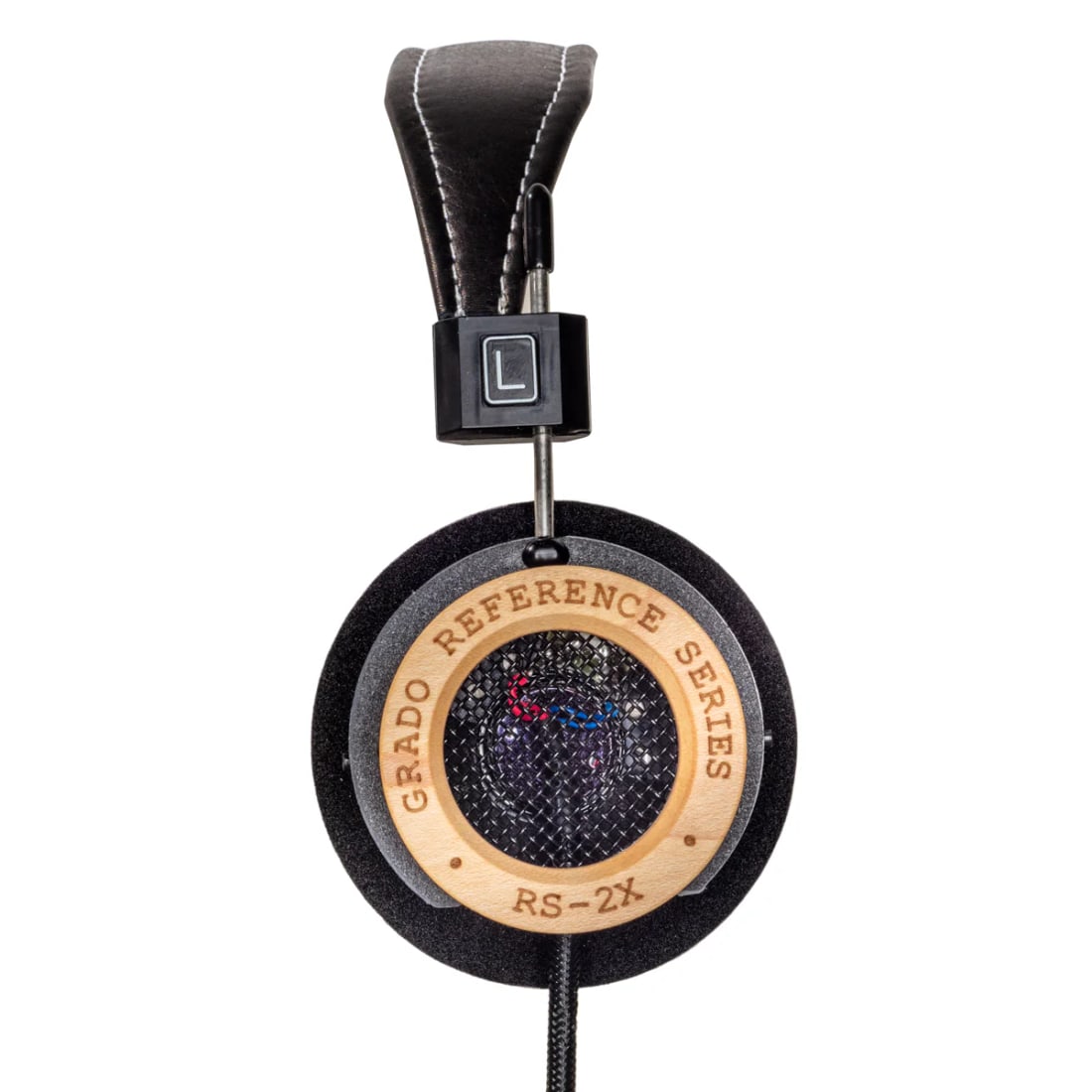
On the flip side, headphones like the Beyerdynamic DT 1990 PRO MK II (check price) or the Grado RS2x (check price), both of which want a bit more voltage and current than a phone dongle can supply, tend to reward the extra headroom and slightly different harmonic signature a valve stage brings. That's the sweet spot for this whole category, and it's worth building your headphone shortlist around amps that suit the specific pair you already own or plan to buy, rather than the other way round.
Open-back versus closed-back changes the calculation again
There's also a practical, unglamorous reason open-back headphones tend to pair better with valve desktop amps than closed-backs do, beyond the electrical story. Valve gear runs warm, sometimes properly warm, and a lot of valve headphone amp owners are running their rig at a desk in a home office rather than in a dedicated listening room. Open-back designs breathe, and so does the case for the amp sitting next to them — you're not trying to seal both a hot chassis and a sealed earcup into the same small desk footprint and hoping for the best thermally.
More to the point sonically, open-back headphones tend to have gentler impedance swings and are generally designed with the assumption of a slightly warmer, less damped amplifier stage in mind, since that's traditionally been the desktop reference pairing going back decades. If you're building a valve-amp desktop rig from scratch, I'd start with an open-back design and work backward from there, rather than trying to force a closed-back monitor headphone into the same role. We've covered the room-dependent case for open-backs already in our piece on open-back headphones at your desk, and the same logic about your listening environment applies doubly once valves are in the chain, because now you've got two variables — the room and the amp — both nudging the tonal balance in the same direction.
What actually happens when you tube-roll a headphone amp
Tube rolling gets treated like a magic trick in some corners of the hobby, and honestly, some of that reputation is earned. Swapping a stock 12AU7 or 6922 for a genuinely good NOS example can shift the noise floor, the bass control and the overall harmonic flavour of a headphone amp more than most people expect from a $50 part. I've done this myself more times than my partner would like to know about, and the difference between a tired stock tube and a good Mullard or Telefunken equivalent is not subtle.
But — and this is where I'll be the sceptic for a paragraph, which doesn't come naturally — tube rolling doesn't fix an impedance mismatch or a fundamental sensitivity problem. It changes the seasoning. It doesn't change the recipe. If your amp and headphones are wrong for each other at the electrical level, a $200 pair of vintage tubes will get you a slightly nicer flavour of wrong. Get the pairing right first. Roll tubes second, as the fine-tuning step it actually is, not the fix-all it gets sold as on some forums.
Building a sensible valve headphone desktop rig
If you're starting from nothing, my advice is to work in this order: pick the headphones first, based on how they'll actually get used, then find a valve amp whose output impedance and gain suit that specific pair, and only then start thinking about source components and cabling.
For a source feeding into a valve headphone amp, you generally want something clean and largely characterless upstream, since the valve stage is doing the flavouring and you don't want two devices fighting over that job. A solid, well-measuring DAC like the RME ADI-2 DAC FS (check price) or something more affordable like the FiiO K11 (check price) as a transparent front end works well here, leaving the tube stage to do what it does without a second device also colouring the sound. If you'd rather shortcut the whole exercise and start from a proven all-in-one desktop DAC/amp before deciding whether valves are even for you, our roundup of the best desktop DAC/amps is a reasonable place to sanity-check what a clean solid-state baseline actually sounds like first.
Budget for the amp itself sensibly too. A genuinely well-engineered valve headphone amp with decent output transformers, low noise floor and a specified output impedance under 5 ohms is going to cost real money, and there's a lot of cheap valve-branded gear on the market that's really a solid-state amp with a decorative tube stuck on the front for glow and marketing. Ask for the output impedance spec before you buy. If a seller can't tell you, that tells you something too.
A few pairings I'd actually recommend
None of this is gospel, and system matching is always partly a matter of taste, but after years of running valve gear at the shop and at home, a few combinations consistently work rather than fight each other. Higher-impedance dynamic headphones with a reasonably resistive load, open backs for the thermal and tonal reasons above, and amps with genuinely low output impedance specified rather than assumed. If you're shopping headphones with a valve amp specifically in mind, our audiophile headphones guide is worth cross-referencing against impedance figures before you commit, because the headline sound signature reviews describe assumes a solid-state reference amp unless stated otherwise.
The Bluetooth SIG and manufacturer spec sheets rarely publish full impedance-versus-frequency curves for headphones, unfortunately, which is part of why this whole area stays murkier than it should. Innerfidelity's archived measurement database, while no longer actively updated, remains one of the more useful public resources for checking a specific headphone's impedance curve before you commit to a valve pairing, and the Audio Engineering Society has published research on headphone-amplifier interaction that's worth a read if you want the full electrical explanation rather than my shop-floor version of it.
When to just walk away from valves at the desk
I'll say this plainly because I think the valve-audio community sometimes undersells it: not every desktop deserves a tube amp. If you're mostly running sensitive IEMs, working in a shared office where hum and hiss will annoy other people, or you genuinely just want the flattest, most accurate headphone monitoring signal for critical listening or mixing work, a clean solid-state amp is the honest answer and I'd tell you that even standing in my own shop trying to sell you the valve gear sitting on the shelf behind me.
Valves at the desk are a lifestyle choice as much as a sonic one. I love mine. I love the warm-up ritual, the faint amber glow at 11pm, the way a good NOS 6922 makes a slightly digital-sounding recording feel more like tape. But that's a specific kind of pleasure for a specific kind of listening, and pretending it's a universal upgrade for every headphone on the market does the whole category a disservice.

Hello — I'm Priya. I ran a second-hand record shop in Fitzroy for the better part of a decade, which is a polite way of saying I have three thousand records and nowhere to put them. I listen to vinyl through valve amplification because I like the ritual as much as the sound, and yes, I know the measurements aren't perfect — I don't care, and I'll explain why on the page. If you want someone to tell you a turntable is "just a motor and a bearing," I am not your person.
Record collector (3,000+); valve-amp enthusiast; ex record-shop owner
More from Priya Anand
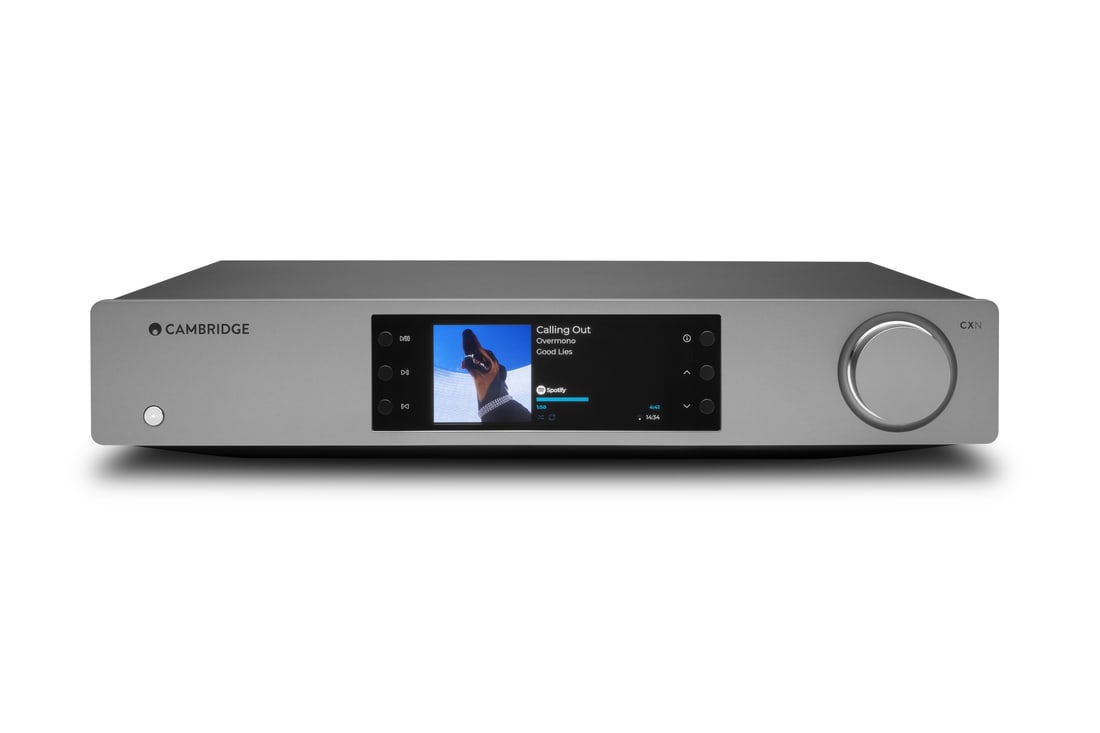 USB vs S/PDIF for DACs: does the digital input matter?USB, coaxial and optical into a DAC: which digital input actually changes the sound, and when the difference is real versus imagined.
- Qobuz vs Tidal for your record collection's digital halfQobuz vs Tidal compared for vinyl collectors who want a digital half that matches their records, not just a bigger catalogue.
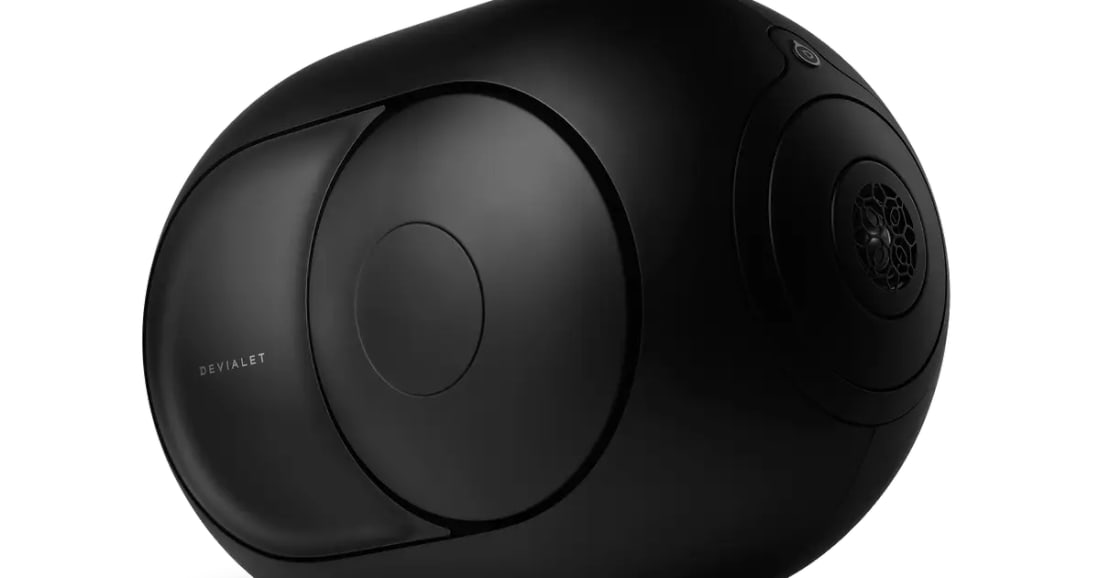 Why a subwoofer makes a valve system sound more honestAdding a subwoofer to a valve amp system can tighten bass, cut distortion and let low-power tubes sing. Here's how to do it properly.
- Tidal vs Qobuz vs Apple Music: which one actually suits a valve systemStreaming services aren't interchangeable once you're running valves. Here's how Tidal, Qobuz and Apple Music actually behave through a warm front end.
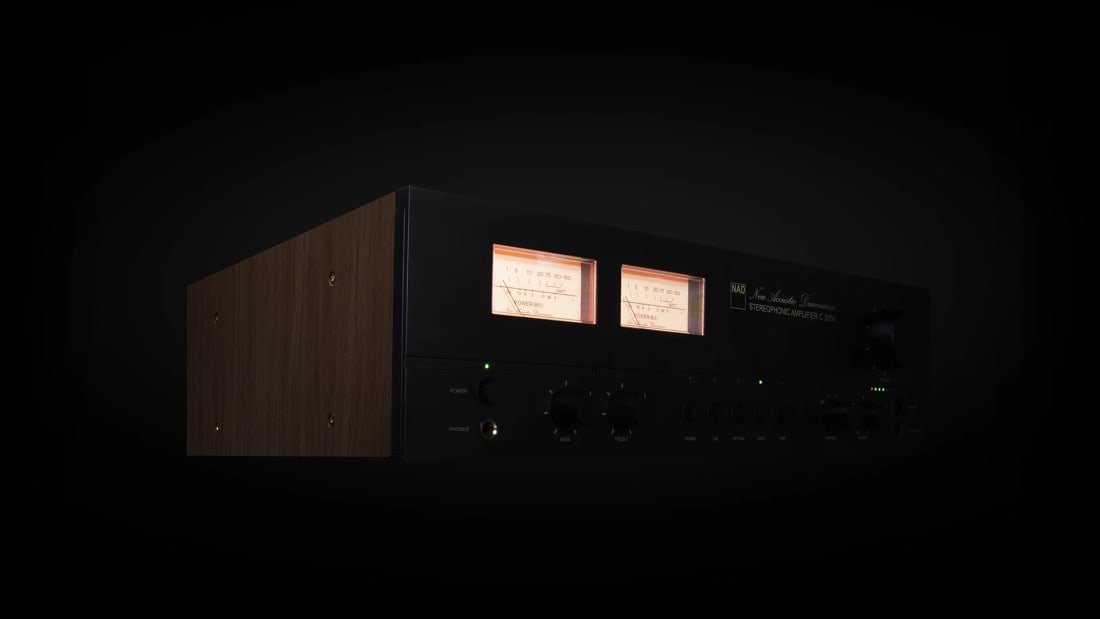 Speaker matching to valve amps: sensitivity beats watts every timeWhy sensitivity, not power output, decides whether a valve amp and speaker pair actually works together — and how to read a spec sheet properly.
- Your phone's volume slider is quietly re-encoding your musicTurning your phone down before a Bluetooth speaker or DAC often re-processes the digital signal. Here's what's actually happening, and when it matters.